12 Beginner Gardening Tool Kit Essentials List Items
Build a practical starter garden kit with 12 beginner gardening tools, from a hand trowel and pruners to gloves, watering gear, and plant labels.
By Home Crane Editors. . 7 min read.
Starting a garden is easier when the right tools are close at hand. You do not need a shed full of equipment to grow herbs, care for container plants, maintain a few raised beds, or begin a small backyard garden. A practical starter kit can cover most everyday jobs, from loosening soil and planting seedlings to watering, pruning, and keeping track of what you grow.
The trick is to buy tools for the work you actually plan to do. A balcony gardener may need compact hand tools and a small watering can, while someone with shrubs and larger beds may use pruning shears and a garden trug more often. Choose comfortable, sturdy tools that are easy to clean and store.
This beginner gardening tool kit essentials list covers 12 useful items, explains what each one does, and shares simple buying and care tips to help you build a collection gradually.
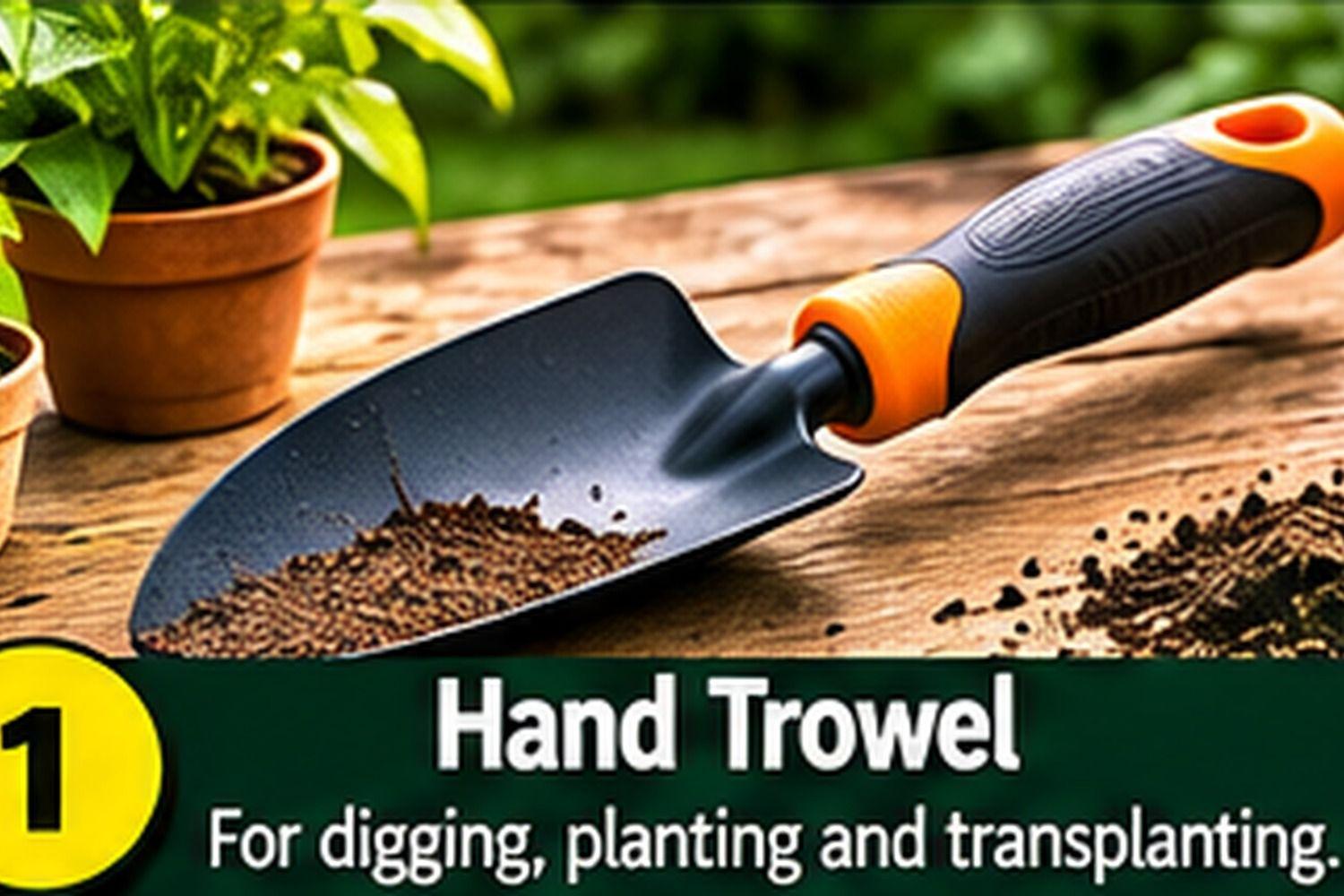
1. Hand trowel
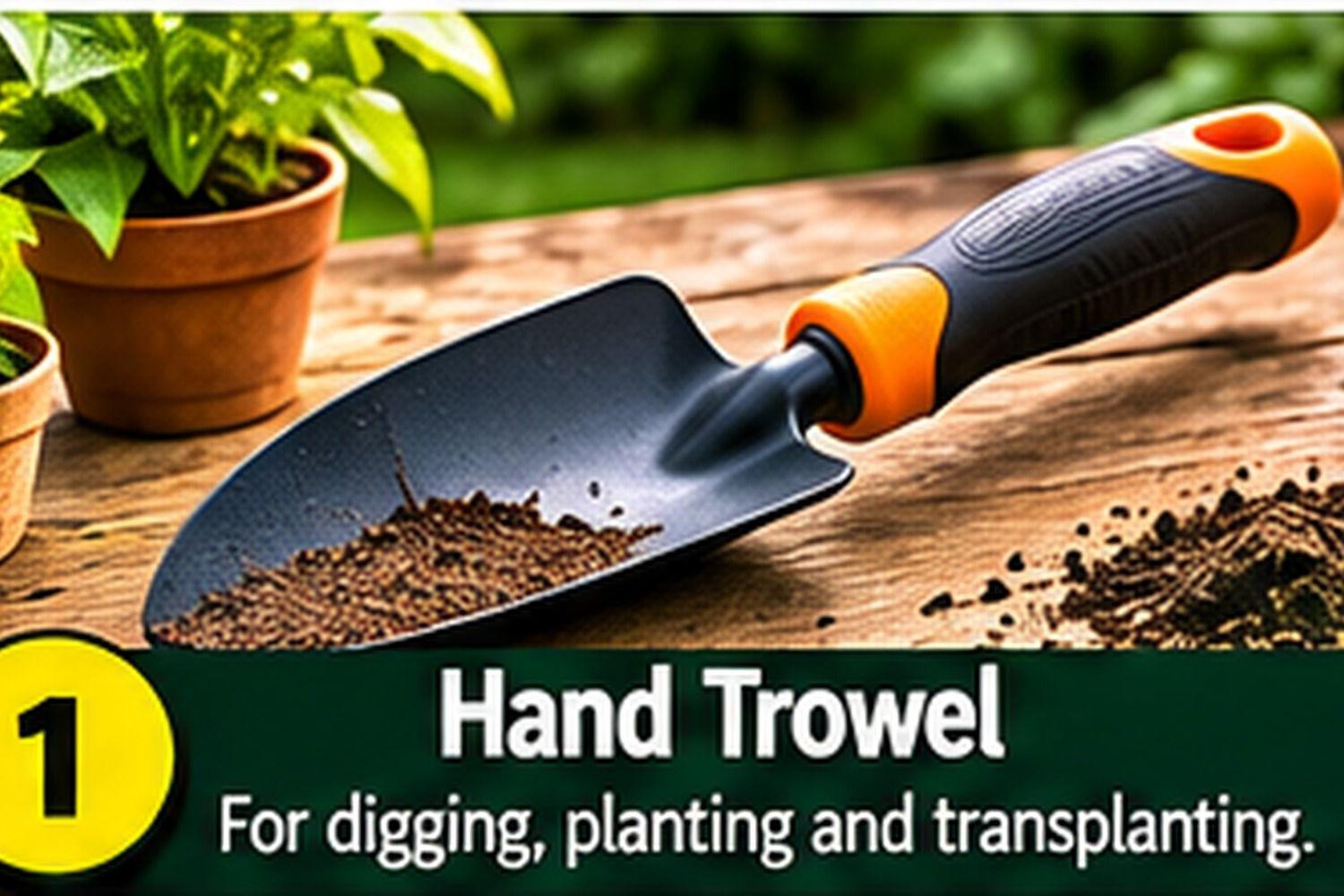
A hand trowel is one of the most useful tools for a new gardener. Its narrow scoop makes it easier to dig small planting holes, move potting mix, transplant seedlings, and work in containers. Choose a sturdy metal blade with a comfortable, secure handle. A slightly pointed blade is versatile for breaking into ordinary garden soil, while a broader scoop can be handy for potting mix. Clean soil from the blade after use and dry it before storing to reduce rust.
2. Hand cultivator
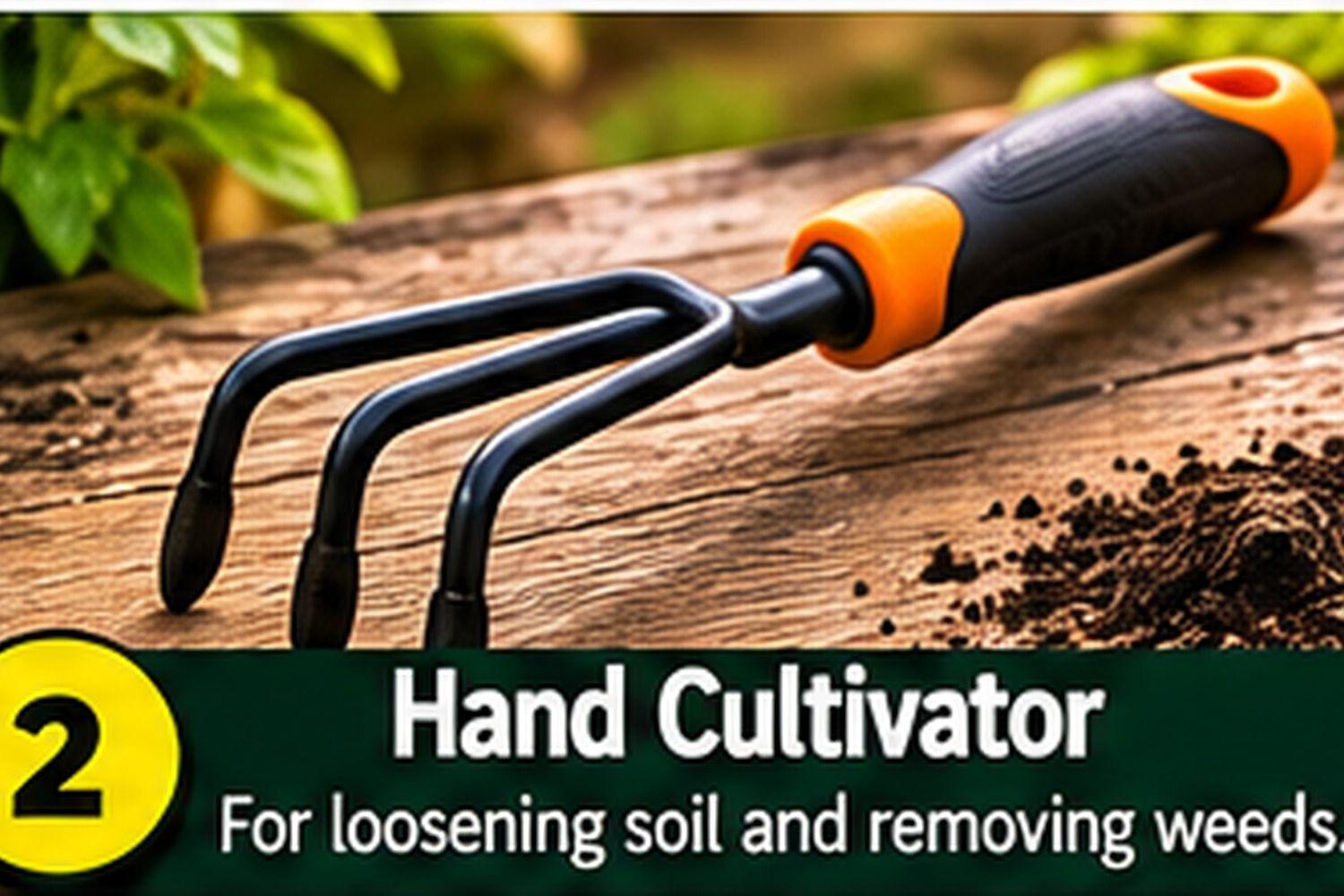
A hand cultivator, often called a hand rake, has several short prongs for loosening the top layer of soil, breaking up small clumps, and working compost into a bed. It is especially useful in established planting areas where a full-size garden fork would be awkward. Use it gently around shallow-rooted plants; aggressive digging can damage roots. Look for strong prongs that are firmly attached to the handle.
3. Pruning shears
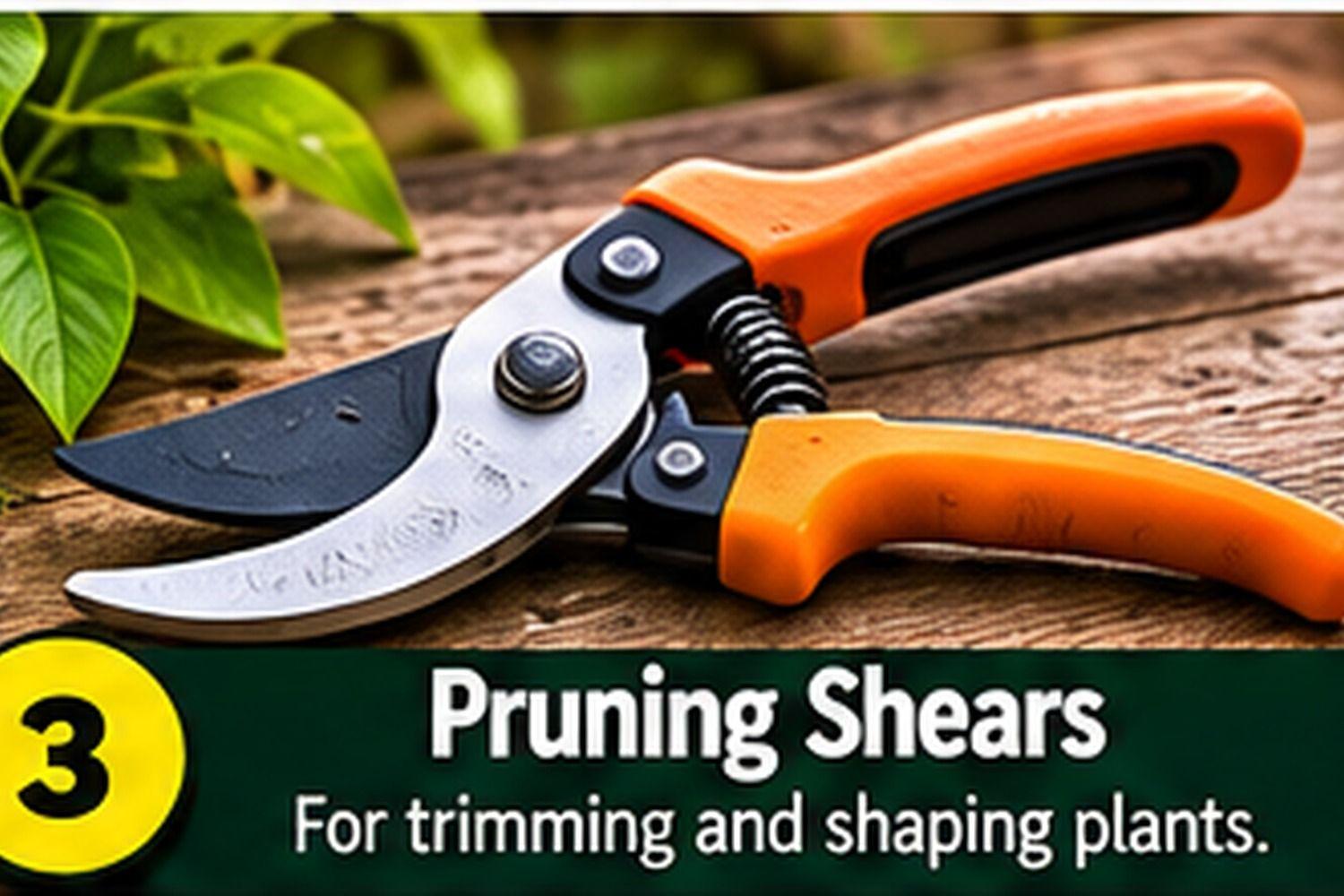
Bypass pruning shears make clean cuts on many small, living stems and are useful for harvesting herbs, removing damaged growth, and shaping shrubs. Choose a size that fits your hand and check the maximum branch diameter in the product instructions. Do not force the blades through branches that are too thick. Wipe the blades clean after use, disinfect them when moving between plants that may be diseased, and keep the safety lock engaged during storage.
4. Watering can
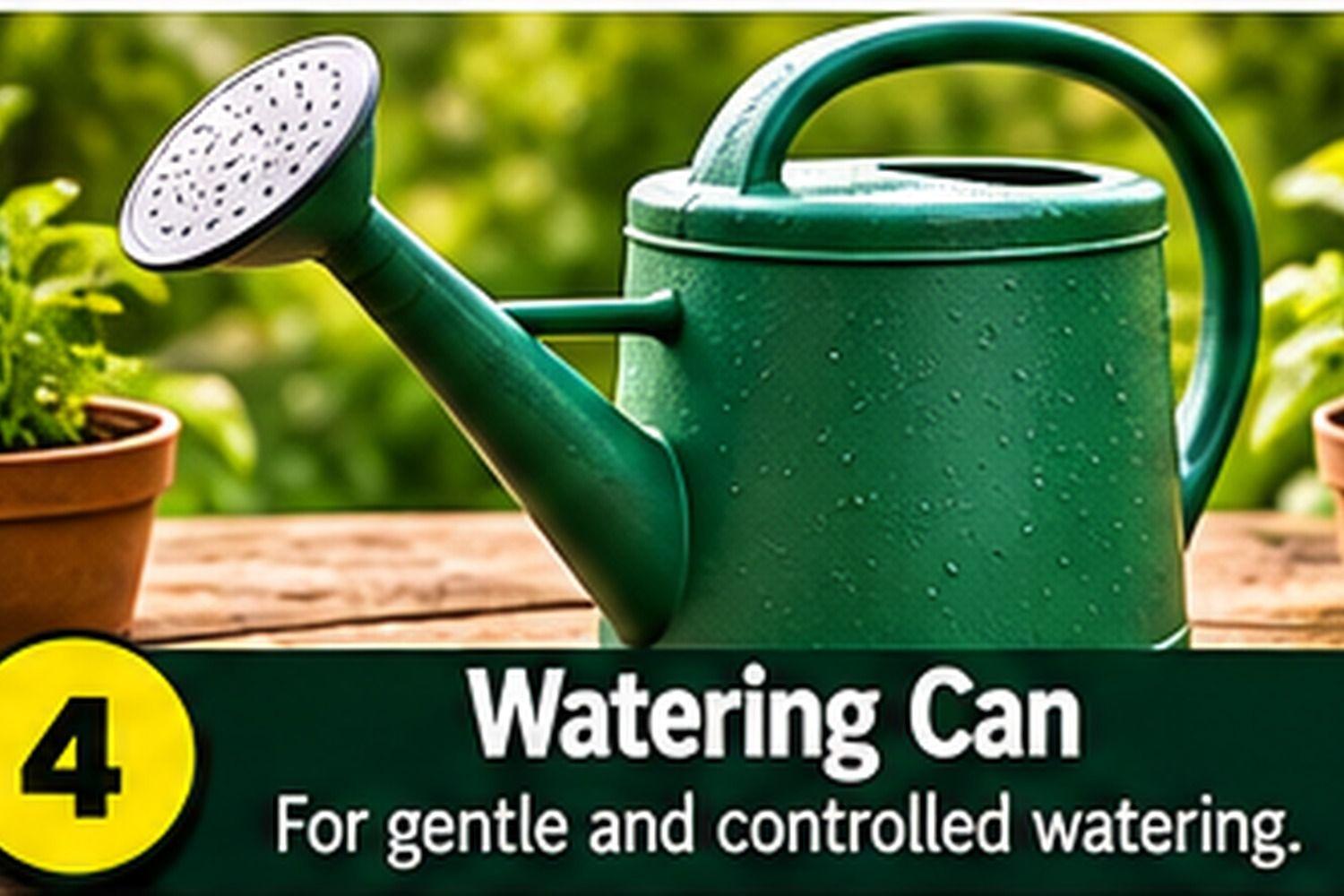
A watering can gives you control over where water goes, particularly in containers, seed trays, and small beds. A removable rose attachment creates a gentler shower for seedlings, while the open spout can deliver water more directly to established plants. Choose a capacity you can comfortably lift when full. Water the soil around the plant rather than routinely wetting foliage, and adjust frequency to the plant, soil, weather, and container drainage.
5. Gardening gloves
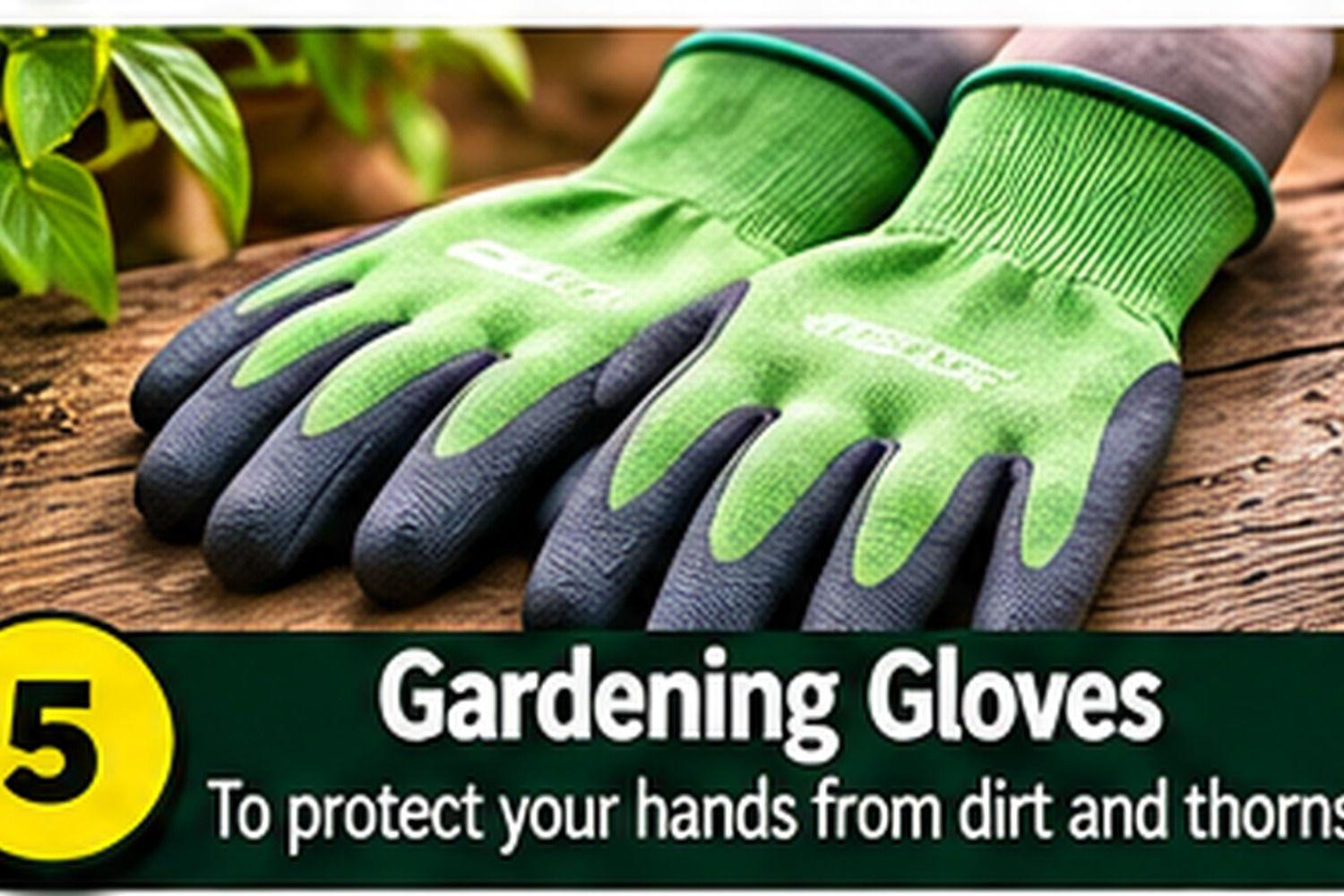
A well-fitting pair of gardening gloves helps protect hands from rough soil, splinters, thorns, and blisters. Lightweight gloves work for potting and seed sowing, while tougher reinforced gloves are useful for pruning thorny plants or handling rough materials. Gloves are not puncture-proof or chemical-proof unless specifically rated for that purpose. Wash or brush them clean as directed and let them dry fully before storing.
6. Hand fork
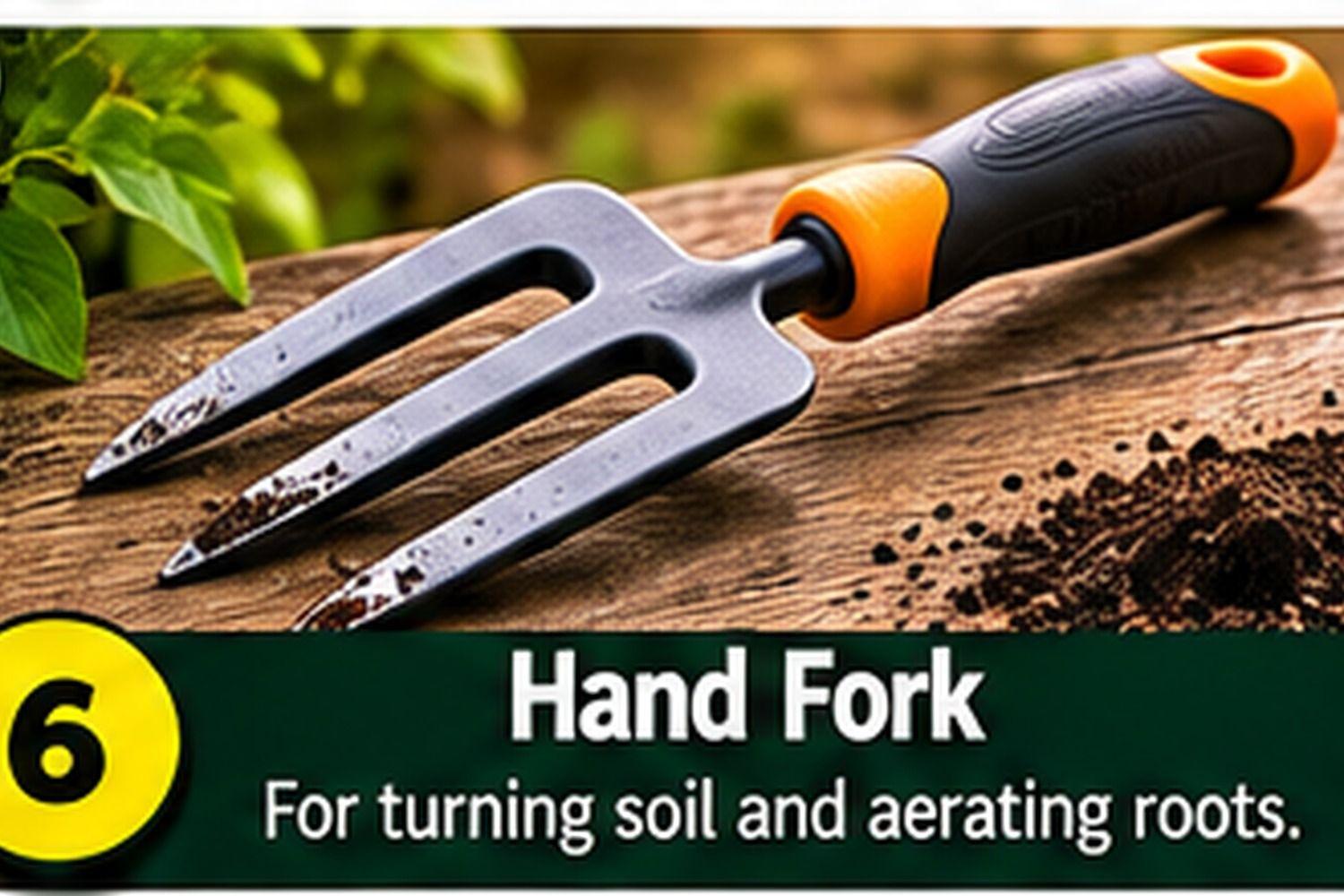
A hand fork is useful for loosening compacted surface soil, lifting small weeds, and aerating the top layer around plants. Its tines can work in tighter spaces than a full-size fork. Choose a model with sturdy tines and a handle that feels secure. Work carefully near established roots and avoid using the tool as a lever against stones or hard objects, which can bend the tines.
7. Weeder
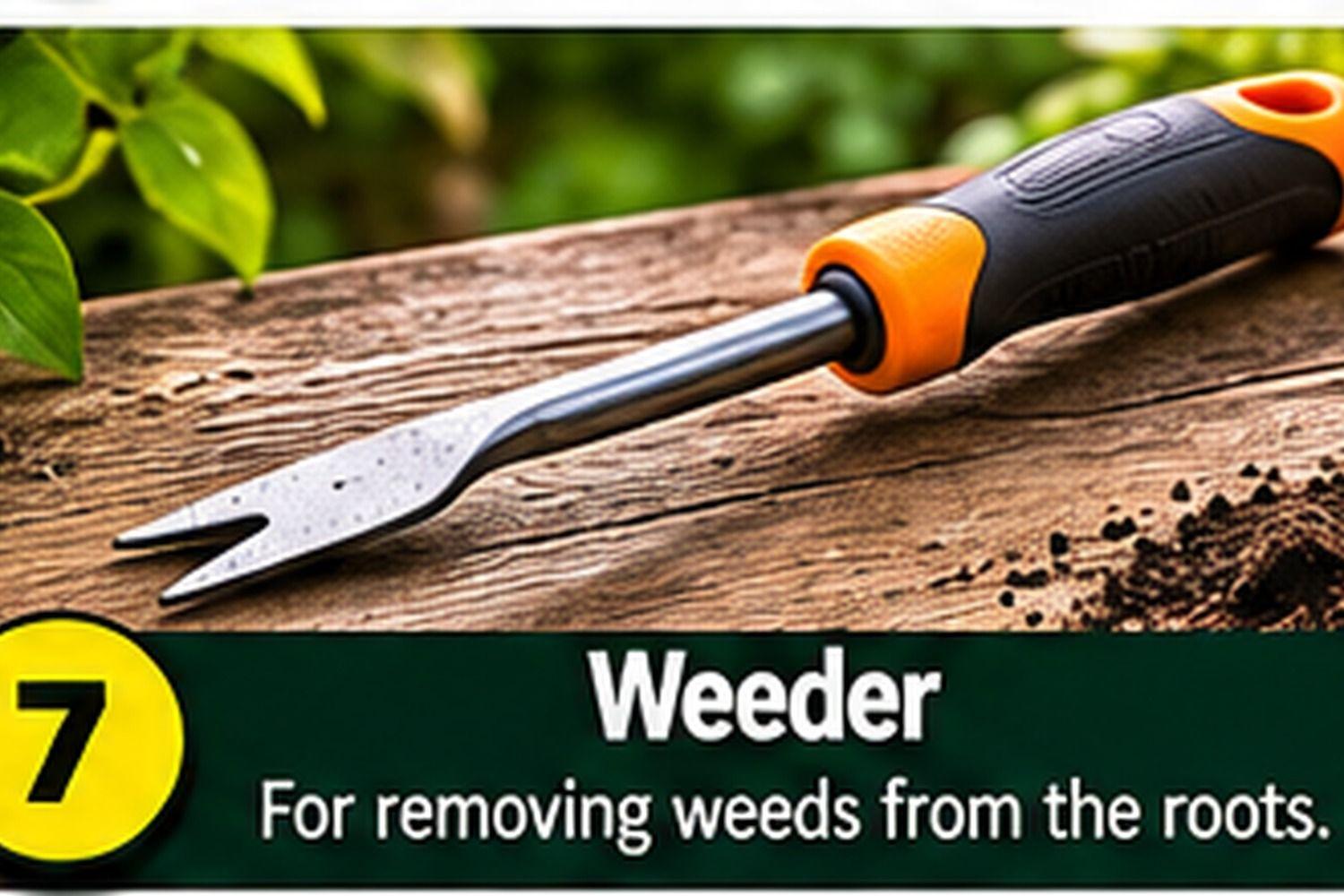
A narrow weeding tool helps remove weeds close to the root, especially in beds and between closely spaced plants. Some designs have a forked tip for levering out taproots; others use a slim blade to cut below the surface. Match the shape to the weeds you commonly encounter. Removing weeds when the soil is slightly moist can make the job easier, but avoid walking on wet soil that is easily compacted.
8. Kneeling pad
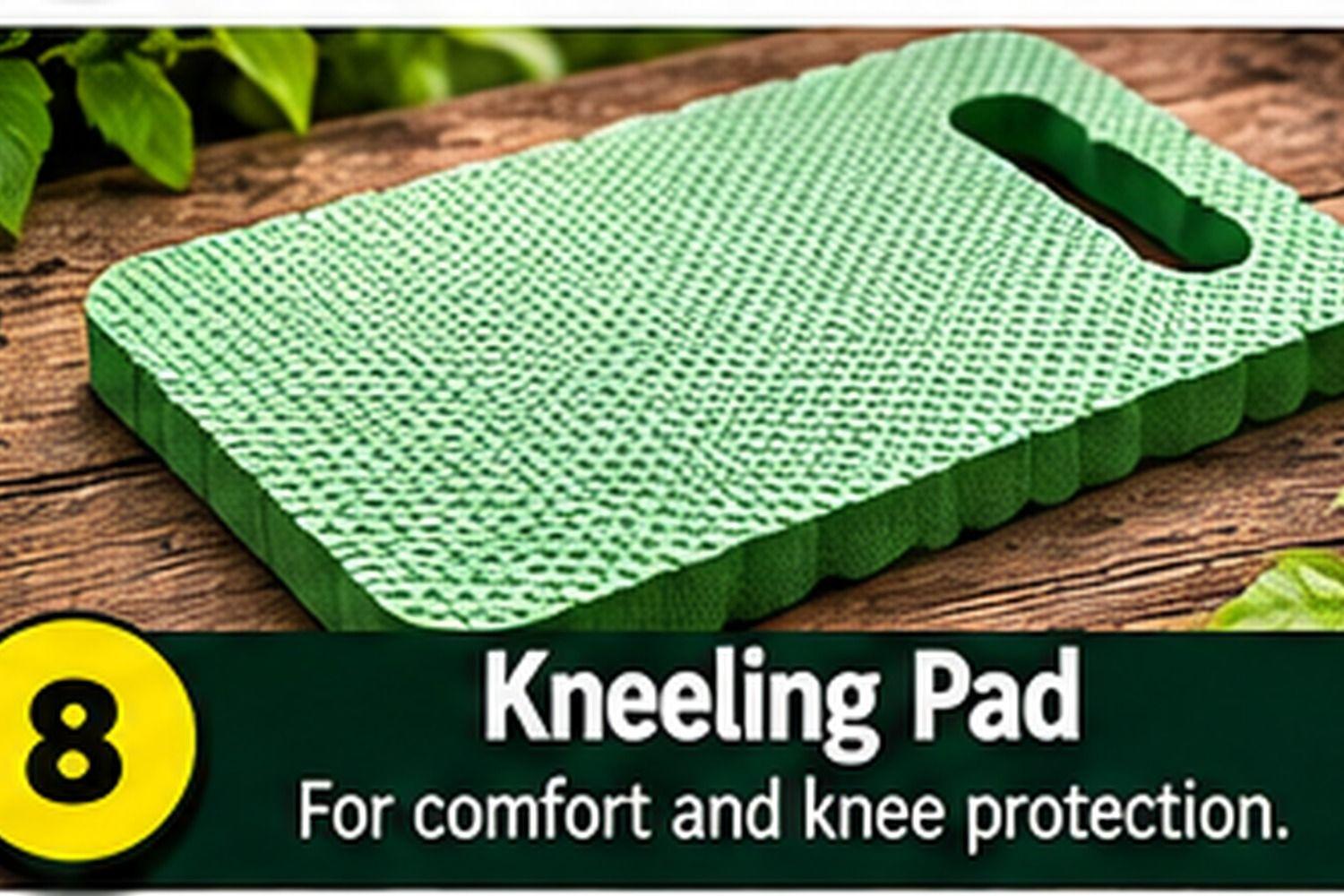
A foam or cushioned kneeling pad makes planting, hand weeding, and edging more comfortable on hard or damp ground. Choose a pad that is thick enough for your needs and easy to rinse or wipe clean. If kneeling is uncomfortable or unsuitable, use a low garden stool or work at a raised bed instead. Comfort matters because a manageable working position makes it easier to take breaks and avoid overreaching.
9. Garden trug or bucket
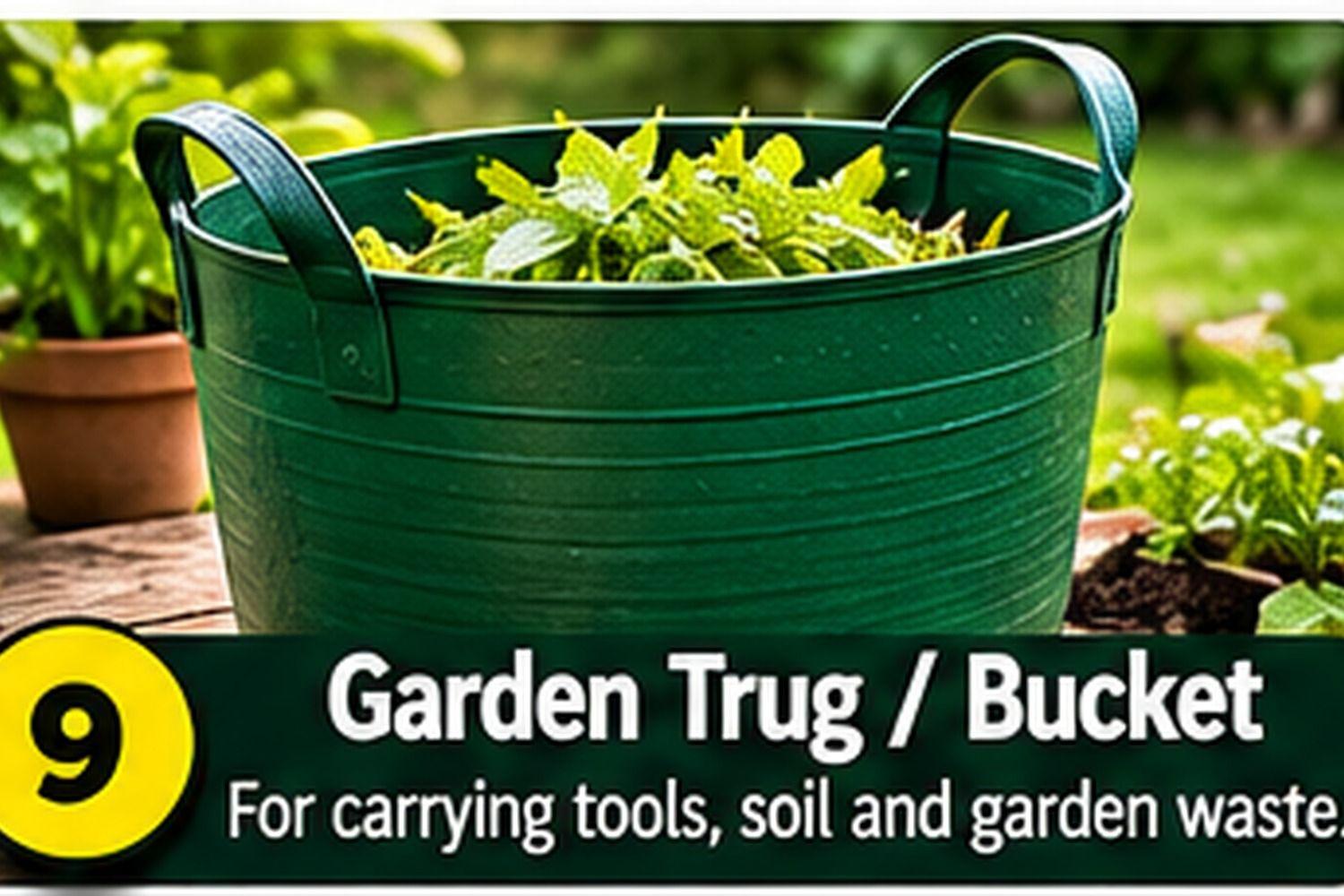
A flexible garden trug or sturdy bucket carries hand tools, weeds, harvested produce, plant labels, and small amounts of compost around the garden. A wide opening makes it easier to drop in debris, while comfortable handles help when moving supplies. Keep heavy loads manageable and avoid carrying sharp tools loose where their blades can catch hands. Empty and rinse the container when needed so wet plant matter does not remain inside.
10. Soil scoop
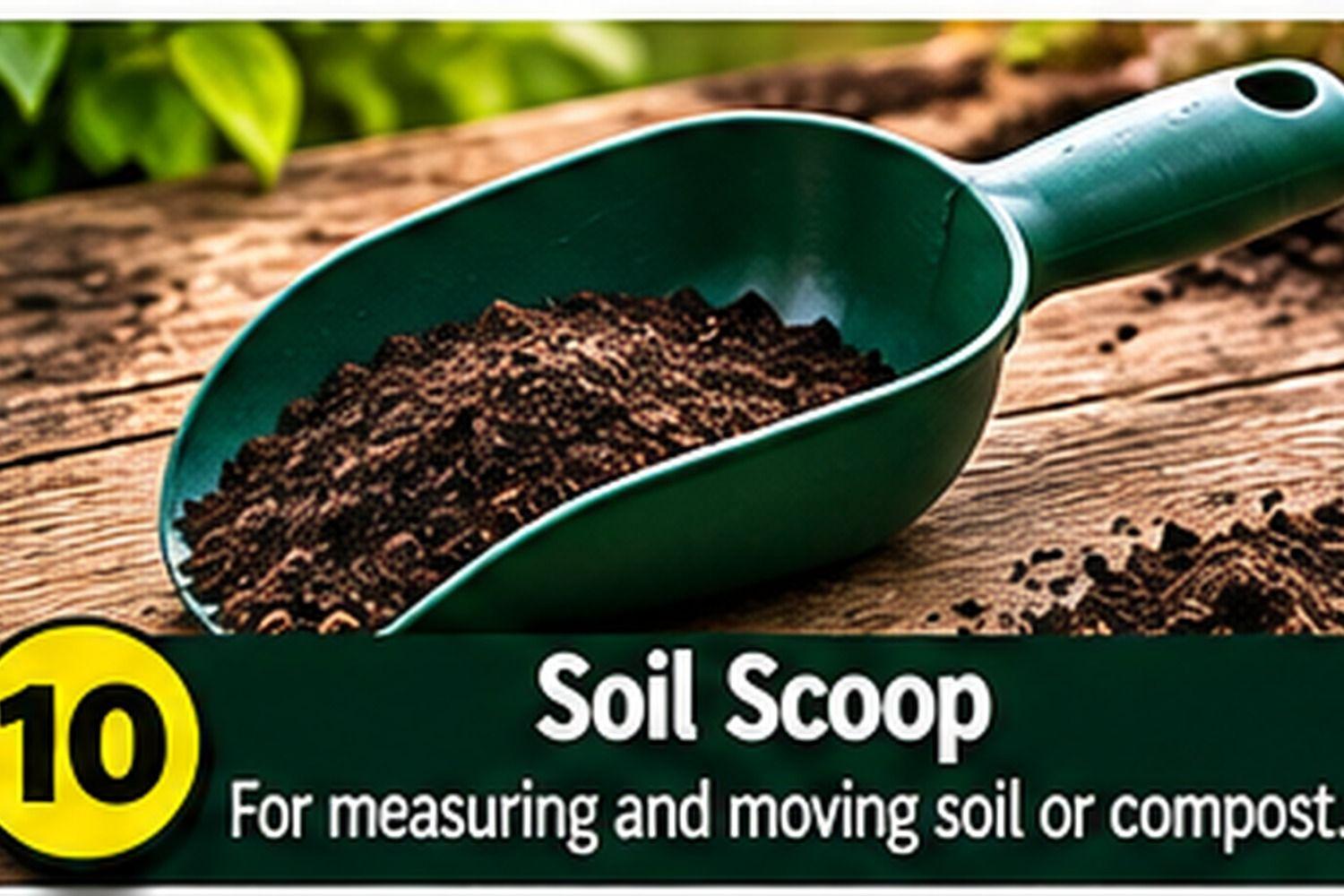
A soil scoop makes it easier to transfer potting mix, compost, and other growing media into pots and planters. It can also reduce spills when filling containers indoors or on a potting bench. A broad scoop is useful for larger pots, while a smaller one gives more control for seedling trays. Keep scoops intended for potting materials separate from products that should not be mixed, and clean them between uses.
11. Plant labels and marker
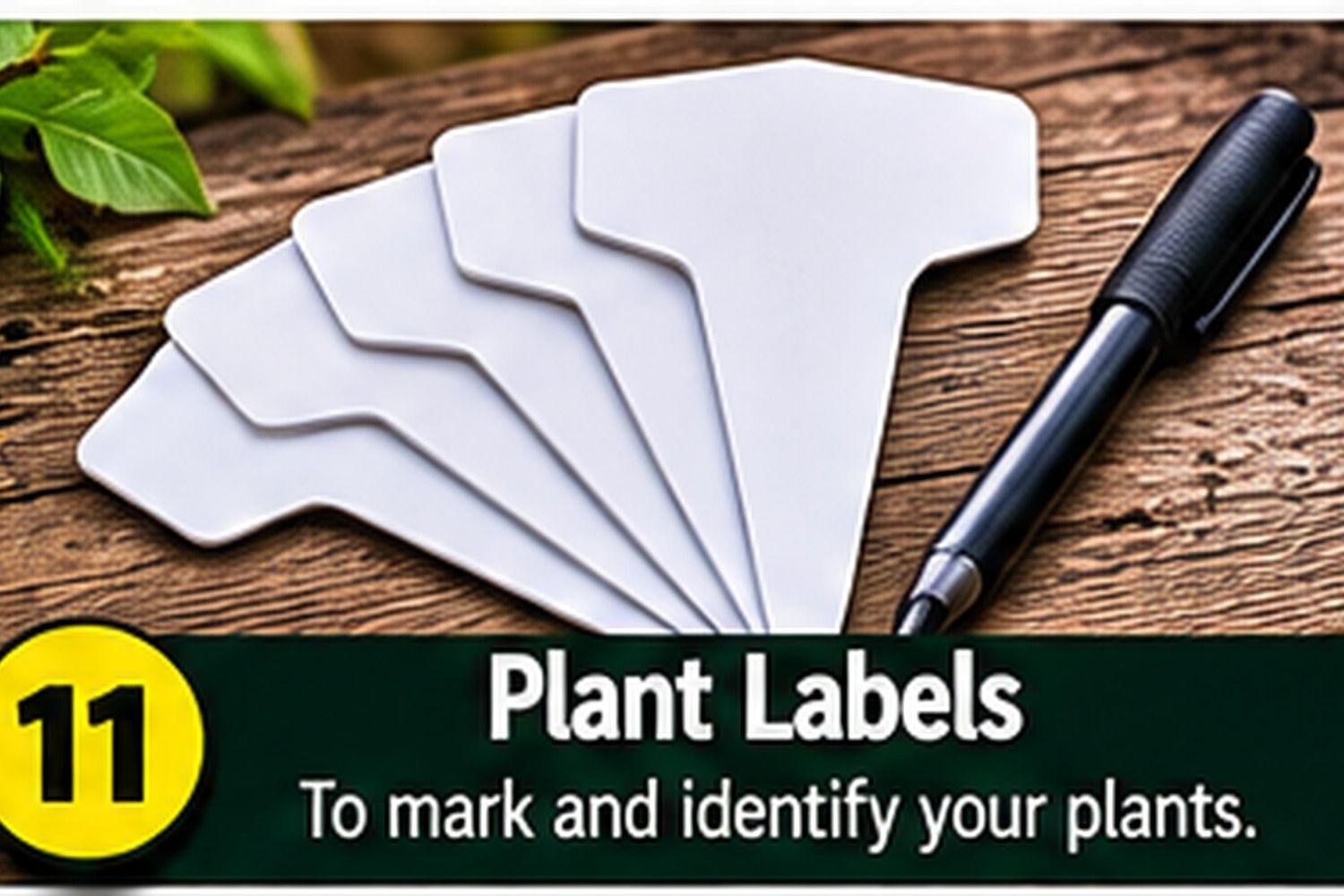
Plant labels help you remember what you sowed, which variety is growing, and when it was planted. Reusable plastic, metal, or wooden labels can all work; choose a material suitable for the weather and the way you garden. Use a waterproof marker or pencil recommended for the label surface. Include the plant name and, if useful, the sowing or planting date. Place labels where they will not shade seedlings or interfere with watering.
12. Spray bottle
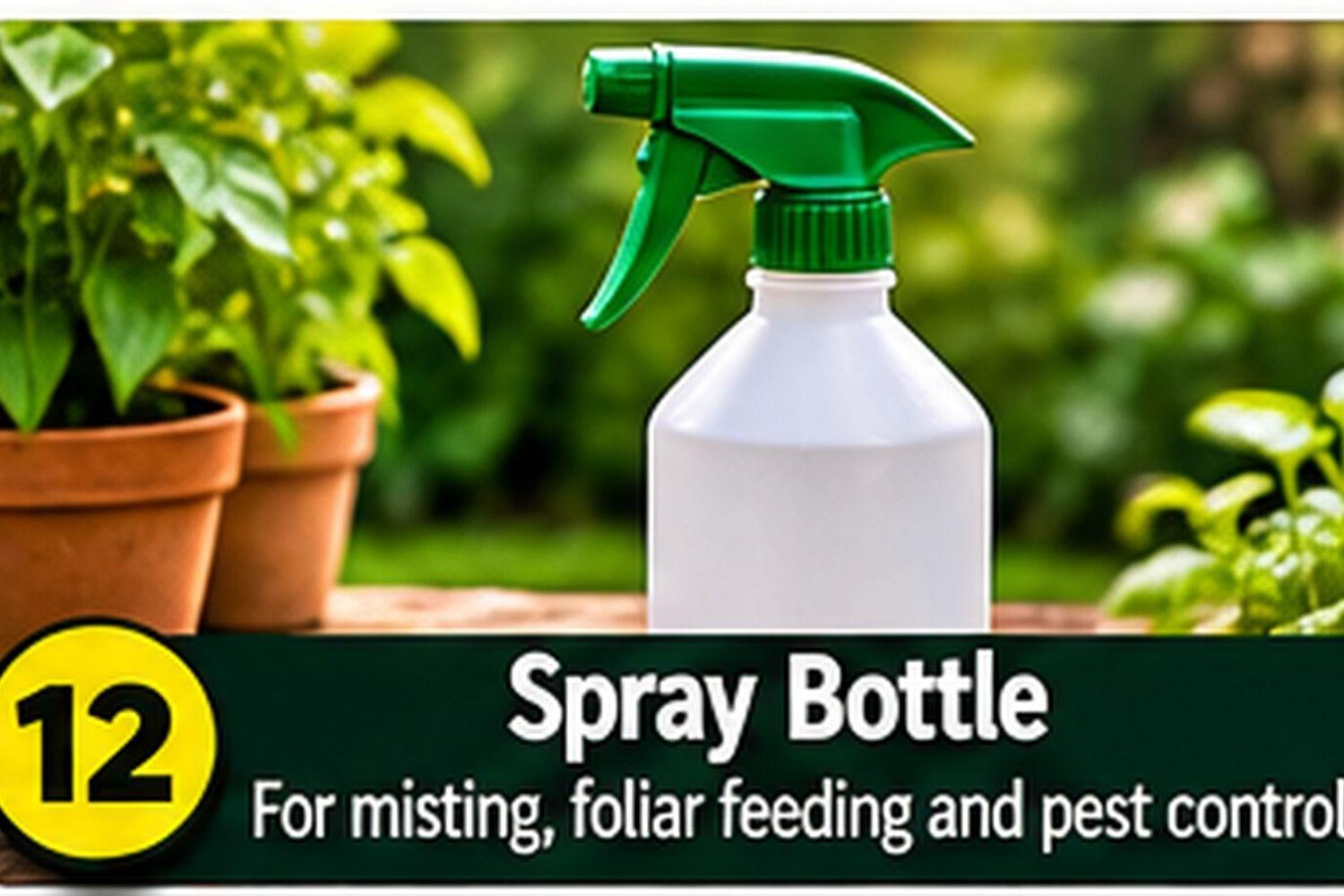
A clean spray bottle can be useful for misting certain propagation setups, applying water gently to small areas, or holding a plant-care solution when the product label allows it. It is not a substitute for thorough root watering, and many plants do not need routine leaf misting. Keep a dedicated bottle for plain water and never reuse a container that held household chemicals or other substances. Label any bottle containing a permitted garden product and follow its directions.
Choose tools that fit your garden
A beginner does not need a large, expensive collection. Start with the jobs you expect to do: container gardening, a few raised beds, indoor plants, or a small in-ground plot. A balcony gardener may need a compact trowel, watering can, gloves, and labels, while someone maintaining shrubs may use pruning shears more often.
Before purchasing, hold the tool if possible. Handles should feel comfortable, moving parts should operate smoothly, and metal parts should be securely attached. Stainless steel or coated metal can be easier to maintain, but construction quality and fit matter more than a material label alone.
Basic care that helps tools last
- Brush soil and plant residue from tools after each session.
- Dry metal parts before putting tools away.
- Clean and sharpen pruning blades according to the manufacturer's instructions.
- Store sharp tools with blades covered and safety locks engaged.
- Keep tools in a dry, secure location away from children and pets.
- Clean tools that have contacted diseased plants before using them elsewhere.
- Follow product labels for any garden chemicals, fertilizers, or cleaning products.
Frequently asked questions
What are the most important gardening tools for a beginner?
A hand trowel, gloves, watering can, pruning shears, hand cultivator, and a bucket or garden trug cover many basic jobs. Add a weeder, labels, and other tools according to the plants and space you maintain.
Do beginners need expensive gardening tools?
No. A small set of durable, comfortable tools is usually more useful than a large kit filled with accessories you rarely use. Check construction, fit, warranties, and replacement-part availability rather than choosing by price alone.
Is a hand fork the same as a hand cultivator?
They are similar, and product names sometimes overlap. A hand fork generally has fewer, more substantial tines for loosening soil and lifting weeds. A cultivator often has several curved prongs designed to rake and break up the surface layer.
How often should I water my garden?
There is no single schedule that suits every garden. Check soil moisture, plant needs, container size, drainage, rainfall, and weather. Water deeply when appropriate for the plant rather than relying only on a fixed daily routine.
How should I store gardening tools?
Clean and dry them before storage. Keep blades covered, lock pruning shears, and place tools in a dry shed, cabinet, or secure storage box. Keep small tools and chemicals out of children's reach.
Can I use a spray bottle to water all plants?
No. Misting is useful for some specific propagation or plant-care situations, but most plants need water delivered to the growing medium so their roots receive it. Follow the care requirements for each plant.
Final thoughts
The best beginner gardening kit is a small collection of dependable tools that makes routine jobs easier. Start with a trowel, gloves, watering can, pruning shears, and a way to carry supplies. Add the remaining items as your garden grows and you discover which tasks take the most time.
Choose tools that fit your hands, clean and dry them after use, and store sharp edges safely. With a thoughtful starter kit and a little regular care, you can spend less time searching for equipment and more time learning what helps your plants thrive.
Sources
- University of Minnesota Extension: Gardening. Checked November 7, 2026
- Clemson Cooperative Extension: Home and Garden Information Center. Checked November 7, 2026
- Penn State Extension: Home Gardening. Checked November 7, 2026
- U.S. Environmental Protection Agency: Pesticide safety. Checked November 7, 2026
Share this article
Get new guides by email
Practical home articles and free resources. No spam, and you can unsubscribe at any time.
Keep reading
15 DIY Craft Room Pegboard Tool Organization Ideas
Organize your creative workspace with 15 DIY craft room pegboard ideas for thread, ribbon, brushes, tools, yarn, paper rolls, and project supplies.
November 2026, 10 min read
14 Easy Garage Wall Tool Storage Ideas That Are Budget Friendly
Organize your garage on a budget with 14 wall storage ideas for hand tools, cords, shelves, pegboards, hooks, bins, and long-handled equipment.
November 2026, 9 min read
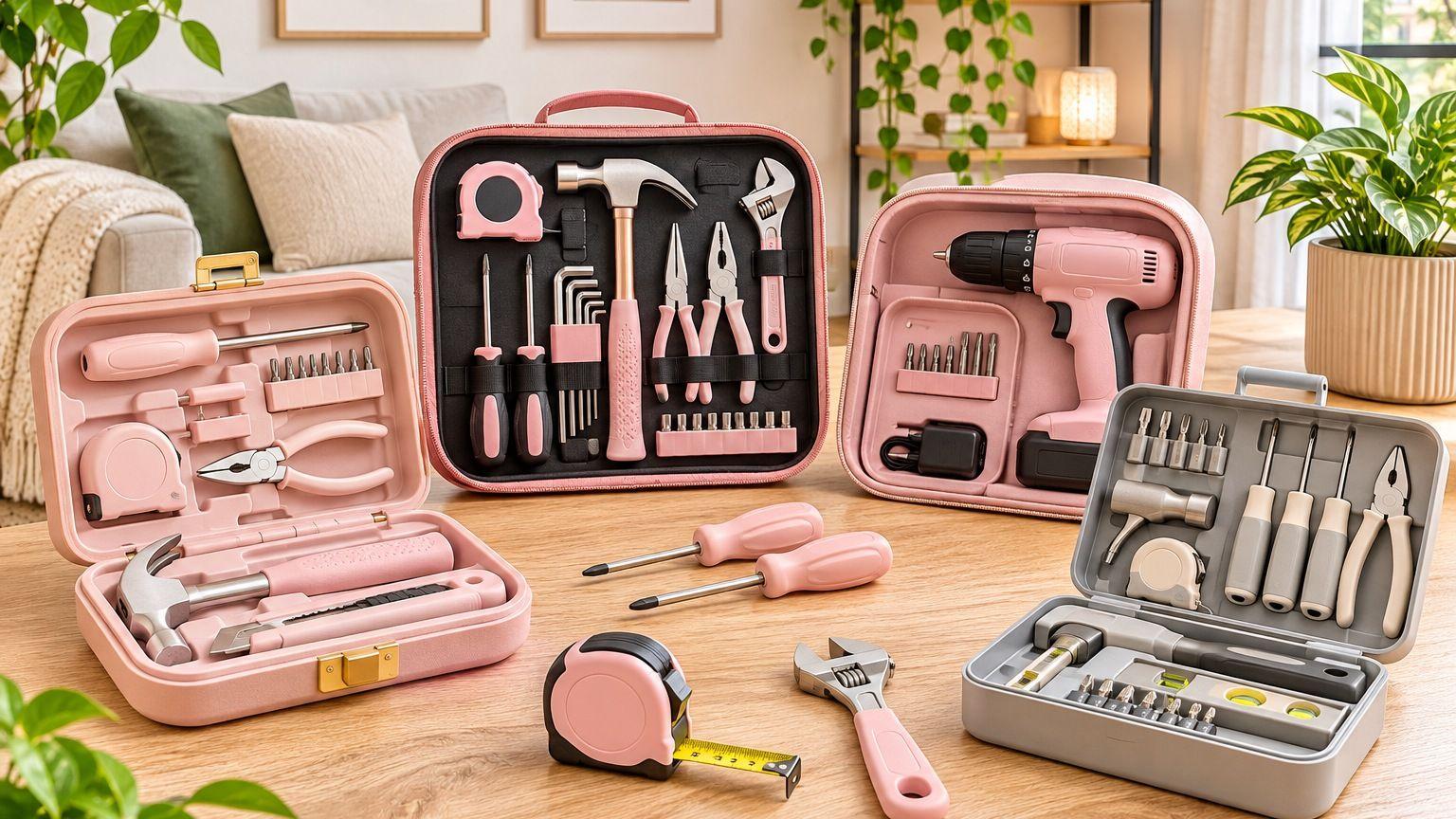
7 Best Cute Tool Sets for Apartments: Aesthetic Options That Are Actually Useful
Shop compact, cute tool sets for apartments, from blush-pink starter kits to minimalist cordless toolboxes. Compare contents, prices and storage needs.
November 2026, 10 min read