14 Easy Garage Wall Tool Storage Ideas That Are Budget Friendly
Organize your garage on a budget with 14 wall storage ideas for hand tools, cords, shelves, pegboards, hooks, bins, and long-handled equipment.
By Home Crane Editors. . 9 min read.
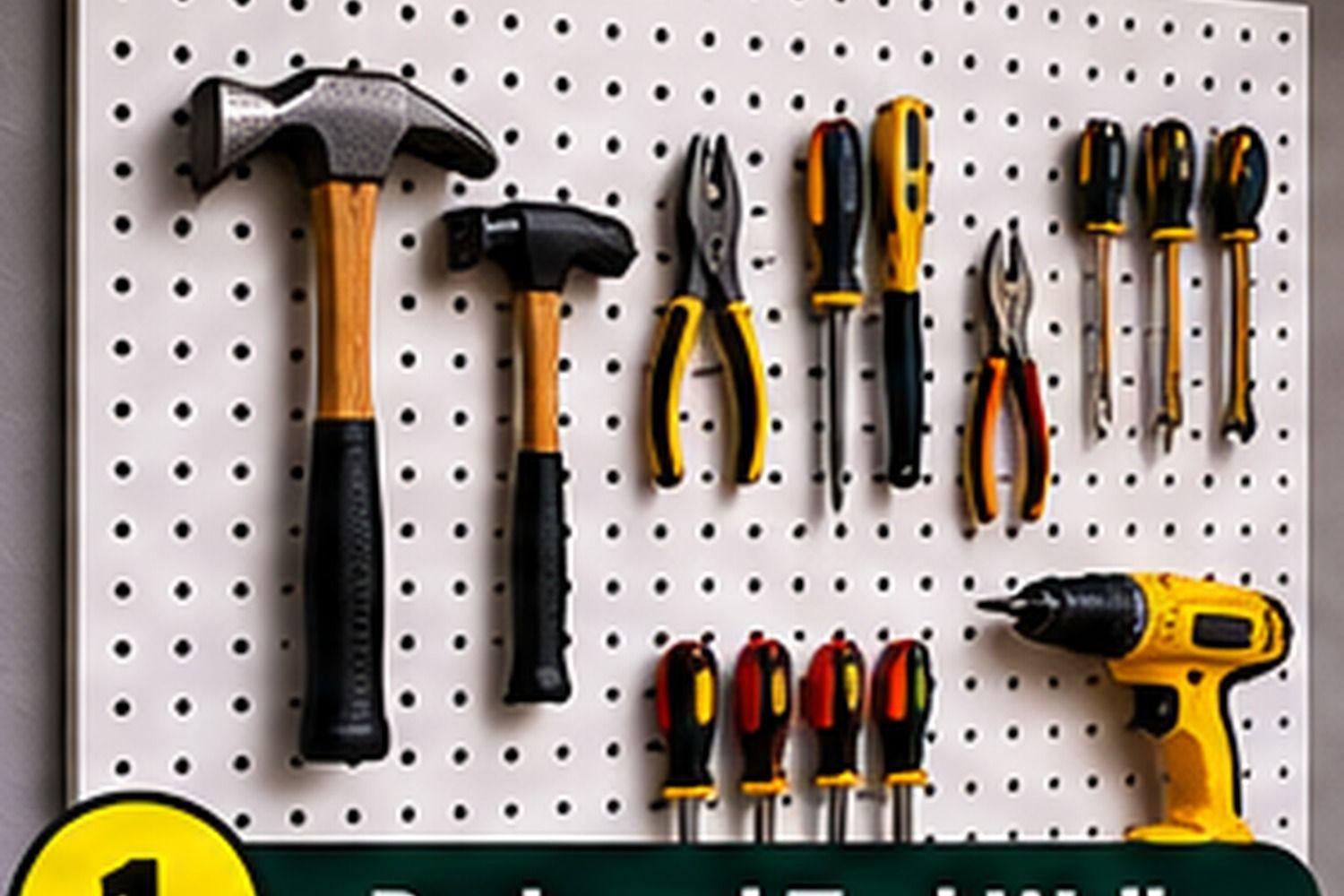
A cluttered garage can make even simple repairs frustrating. Tools disappear under boxes, extension cords collect on the floor, and frequently used equipment ends up leaning against the wall. A practical wall storage system can reclaim floor space, make tools easier to find, and help keep the garage safer and more organized.
You do not have to spend a lot to improve garage storage. A few well-placed hooks, a pegboard panel, reused shelving, or a simple rail can make a noticeable difference. The best solution depends on the tools you own, the type of wall in your garage, and how often you need to move or rearrange your equipment.
These 14 budget-friendly garage wall tool storage ideas offer ways to organize hand tools, long-handled equipment, cords, hardware, and project supplies. Before installing anything, check the weight rating of the storage product and choose fasteners suitable for your wall construction.
Plan your garage wall before installing storage
Start by taking inventory of the tools and supplies you want to store. Group them by activity, such as automotive work, woodworking, home repairs, and yard maintenance. Measure the available wall area and note the location of outlets, switches, electrical panels, windows, doors, and garage-door tracks.
A wall organizer is only as reliable as its mounting. Locate wall studs where appropriate, use fasteners designed for the wall material, and follow the organizer manufacturer's installation and load instructions. Drywall anchors have different ratings and are not interchangeable. If you are unsure about the wall structure or the weight involved, ask a qualified professional.
Keep heavy items low, sharp tools secure, and walkways clear. The aim is to make frequently used tools easy to reach without creating a hazard.
1. Install a pegboard tool wall
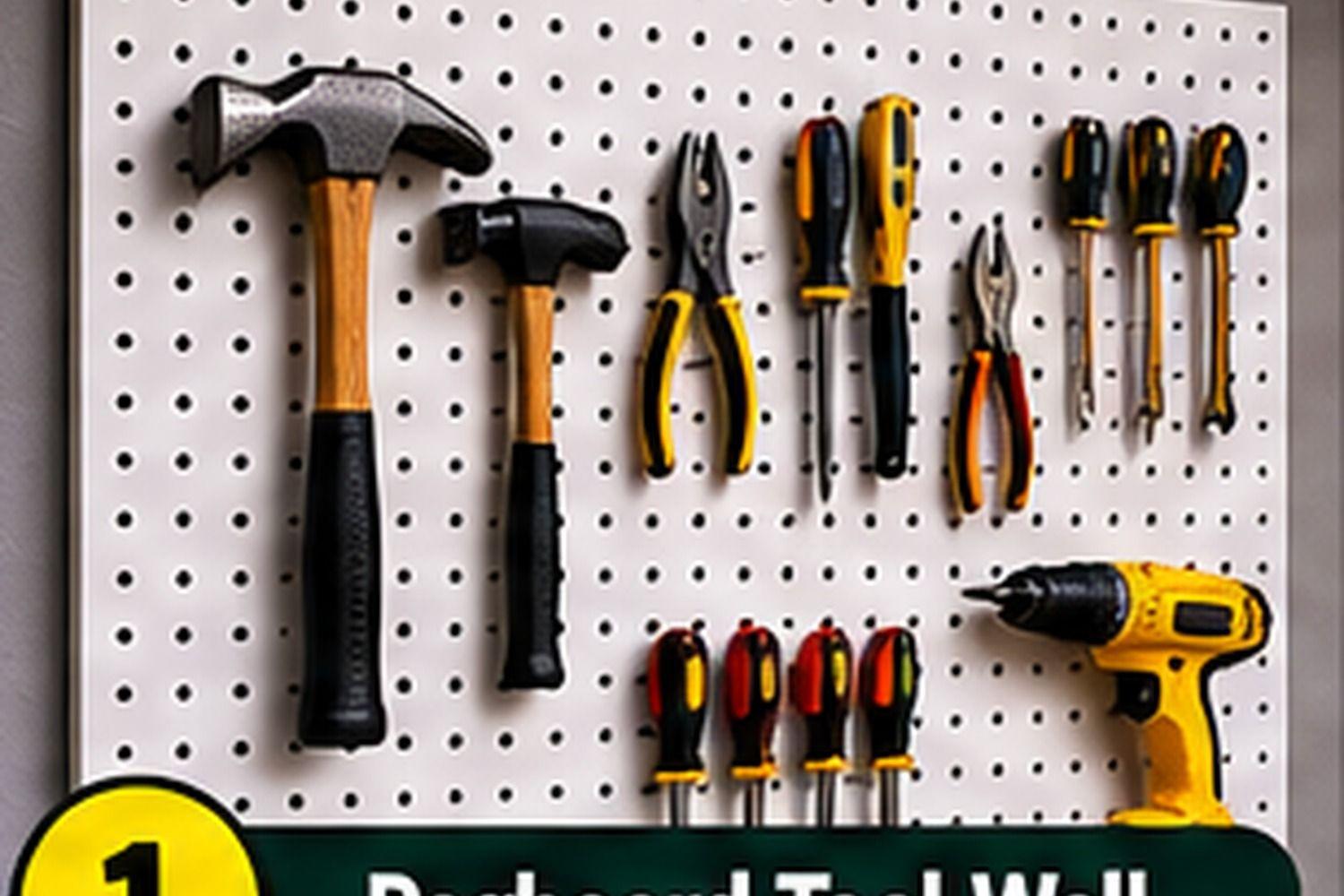
Pegboard is a flexible way to organize hand tools without building a complicated storage system. Mount a panel above a workbench and arrange compatible hooks for hammers, pliers, screwdrivers, tape measures, and other frequently used tools. Outline each tool on the board if you want an easy visual reminder of where it belongs. Choose a panel and mounting method rated for the expected load, and leave enough clearance behind the board for the hooks to engage.
Keep heavier tools on suitable, securely fastened fittings rather than assuming every pegboard hook can carry the same weight.
2. Build a simple DIY slat wall
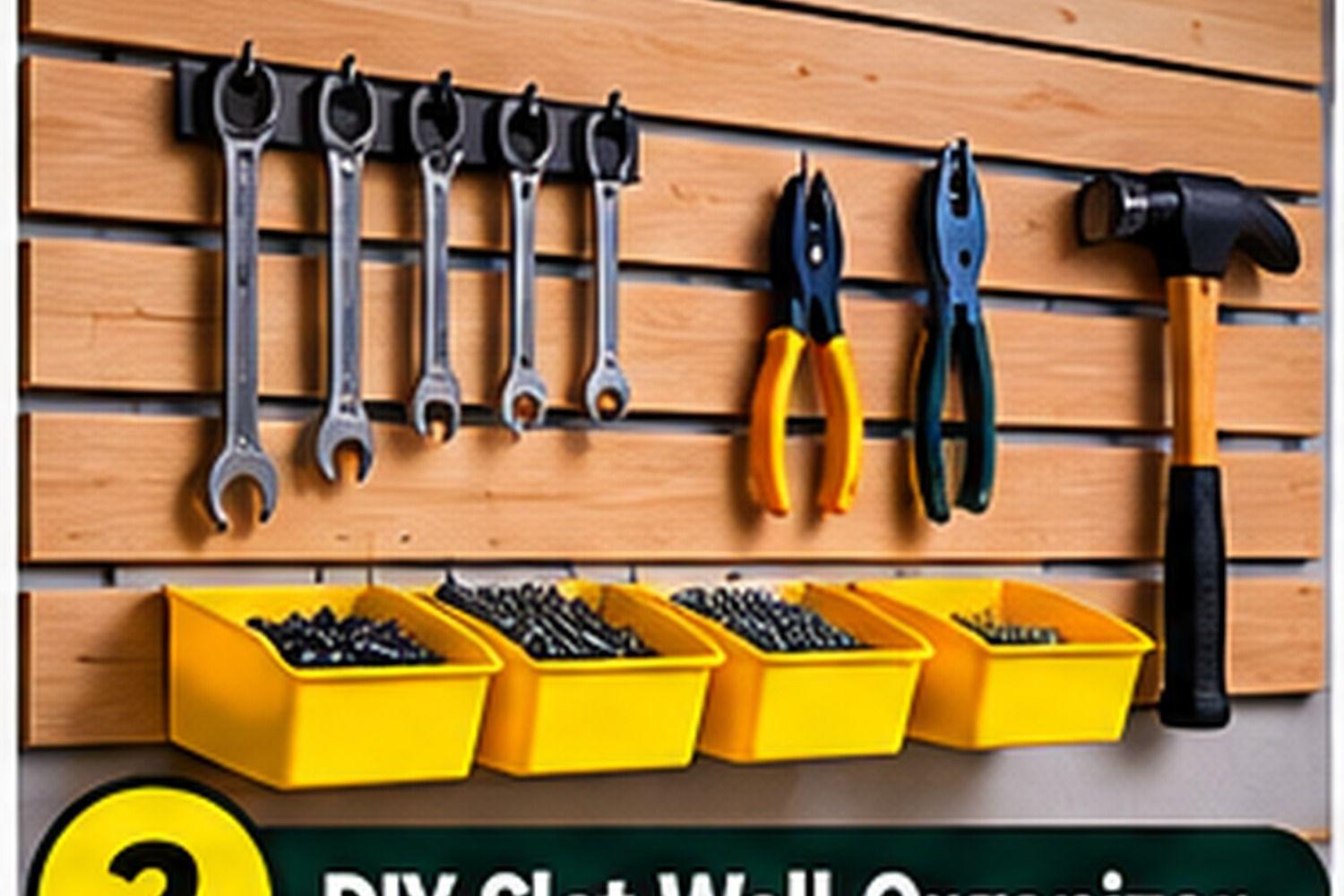
A slat wall made from evenly spaced wood strips can provide flexible hanging points for hooks, small baskets, and tool holders. It can be a budget project if you already have suitable lumber and basic woodworking skills.
Use straight, sound boards and fasten them securely into wall studs or an appropriately designed support structure. Keep spacing consistent and select hooks designed for the system. Sand rough edges and seal or paint the wood if desired. Do not rely on decorative trim or drywall screws alone to support heavy equipment.
3. Make a small-parts jar rack

Clear jars make screws, washers, nuts, nails, and other small hardware easier to identify. A simple shelf or purpose-made under-shelf jar holder can keep the containers visible while freeing up bench space.
Use containers with secure lids and avoid glass jars overhead or where they could fall onto a work area. Keep heavier hardware on lower shelves, label each container, and store sharp or hazardous items securely away from children.
4. Use PVC pipe holders for hand tools
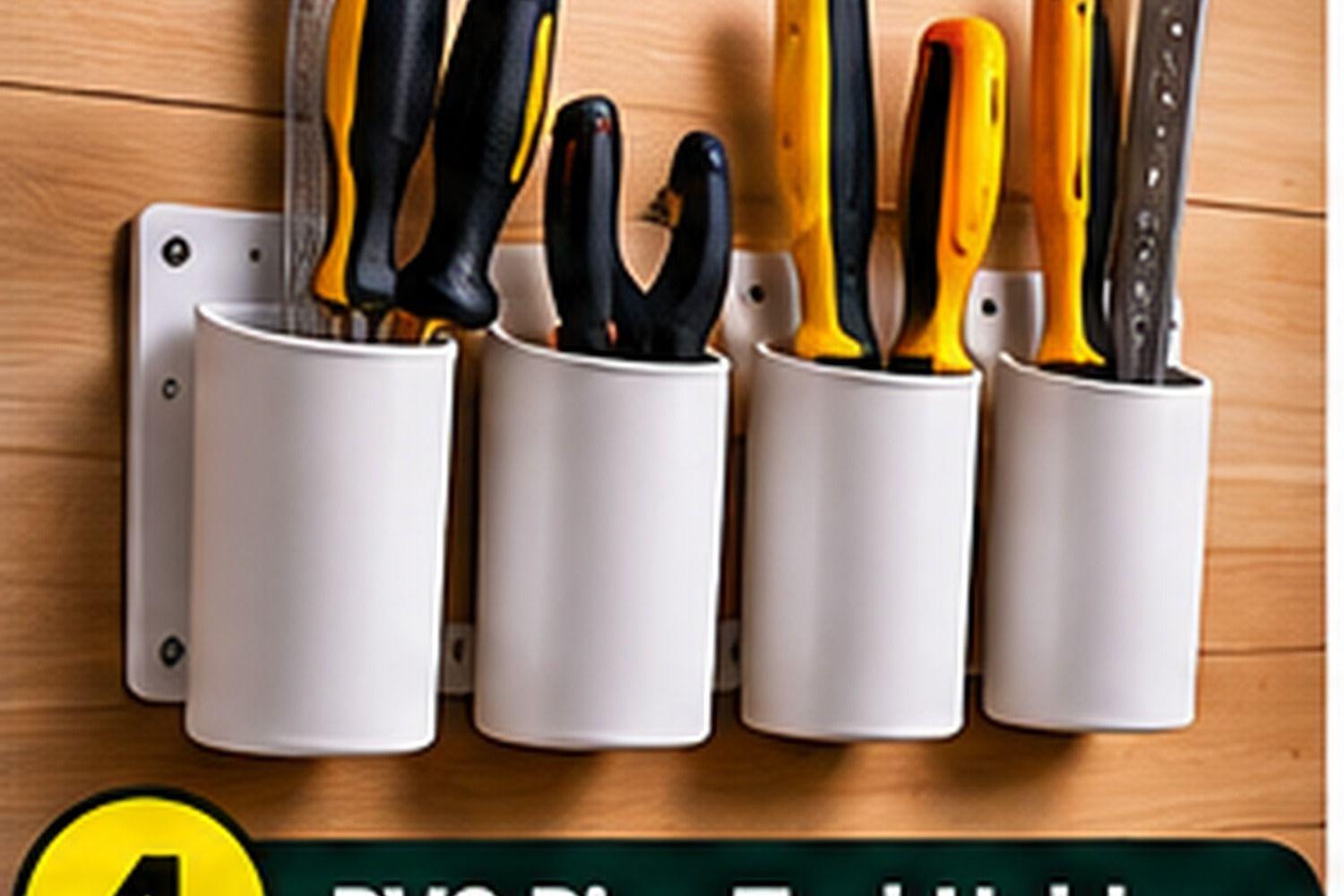
Short sections of appropriately sized PVC pipe can become individual sleeves for screwdrivers, chisels, files, and similar long-handled tools. Fasten the pipe sections to a sturdy backer board using suitable brackets or straps, and smooth any cut edges.
Choose a diameter that holds each tool without forcing it in or allowing it to fall through. This idea works best for lightweight tools; do not use improvised pipe sleeves for heavy equipment or tools that need a specialized protective holder.
5. Repurpose a pallet as a wall organizer
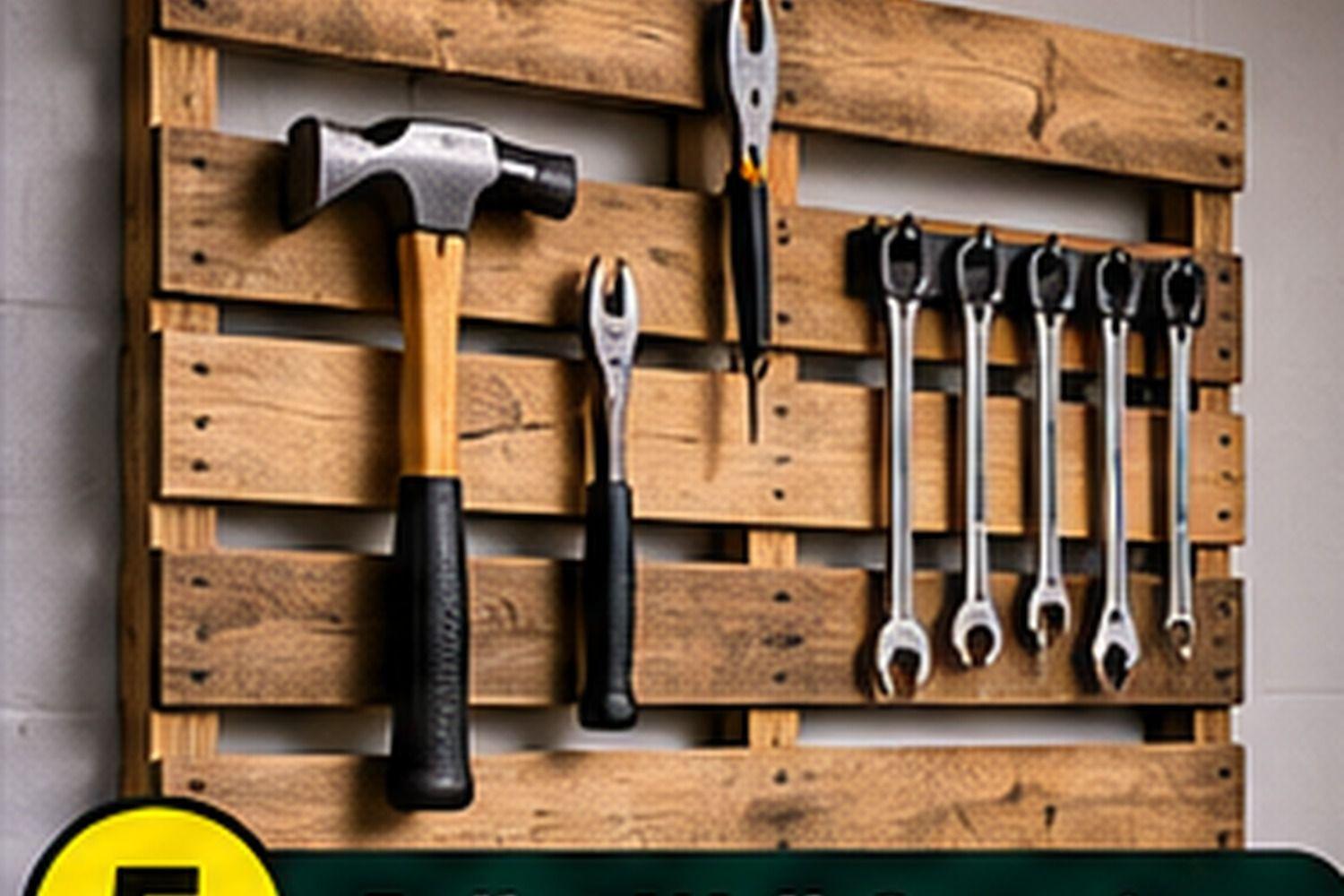
A sound, clean pallet can be adapted into a rustic organizer for selected hand tools. Inspect it carefully for broken boards, protruding nails, rot, chemical staining, or other damage before considering reuse. Sand rough areas and secure the pallet to suitable wall framing with fasteners appropriate for the load. Add hooks or holders only where the wood is strong enough. Pallets vary greatly in condition and construction, so reject any that are damaged or of uncertain safety, especially if they may have been exposed to chemicals.
6. Add a magnetic strip for metal tools
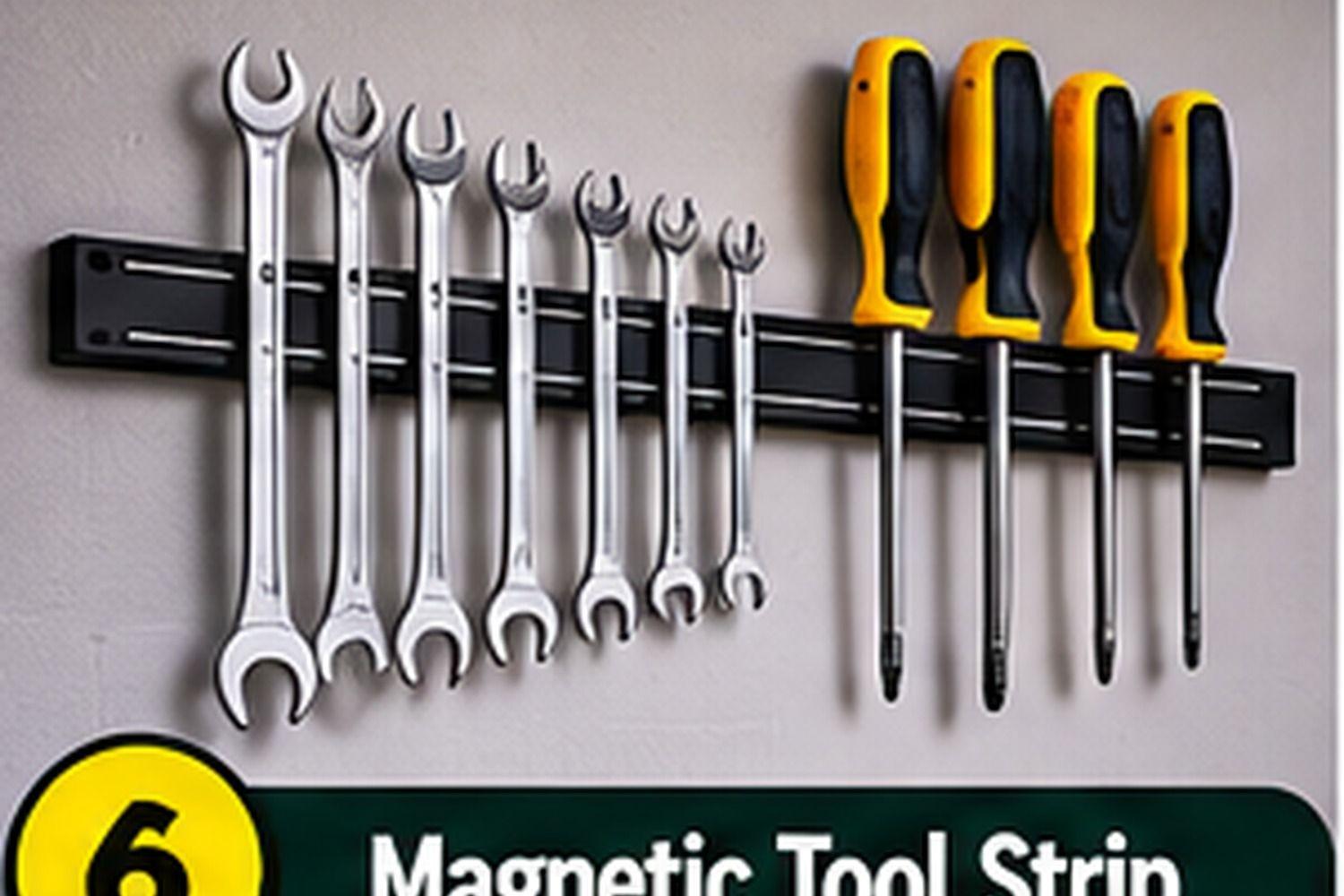
A magnetic tool strip can keep compatible metal tools visible and easy to reach. It is particularly useful for selected wrenches, small pliers, and other steel tools, but not every tool or alloy will attach securely. Choose a strip with a stated load capacity, install it according to the manufacturer's instructions, and test each tool carefully before relying on it. Keep sharp tools positioned safely and do not mount the strip where tools could fall onto people, vehicles, or delicate equipment.
7. Mount shelves for labeled storage bins
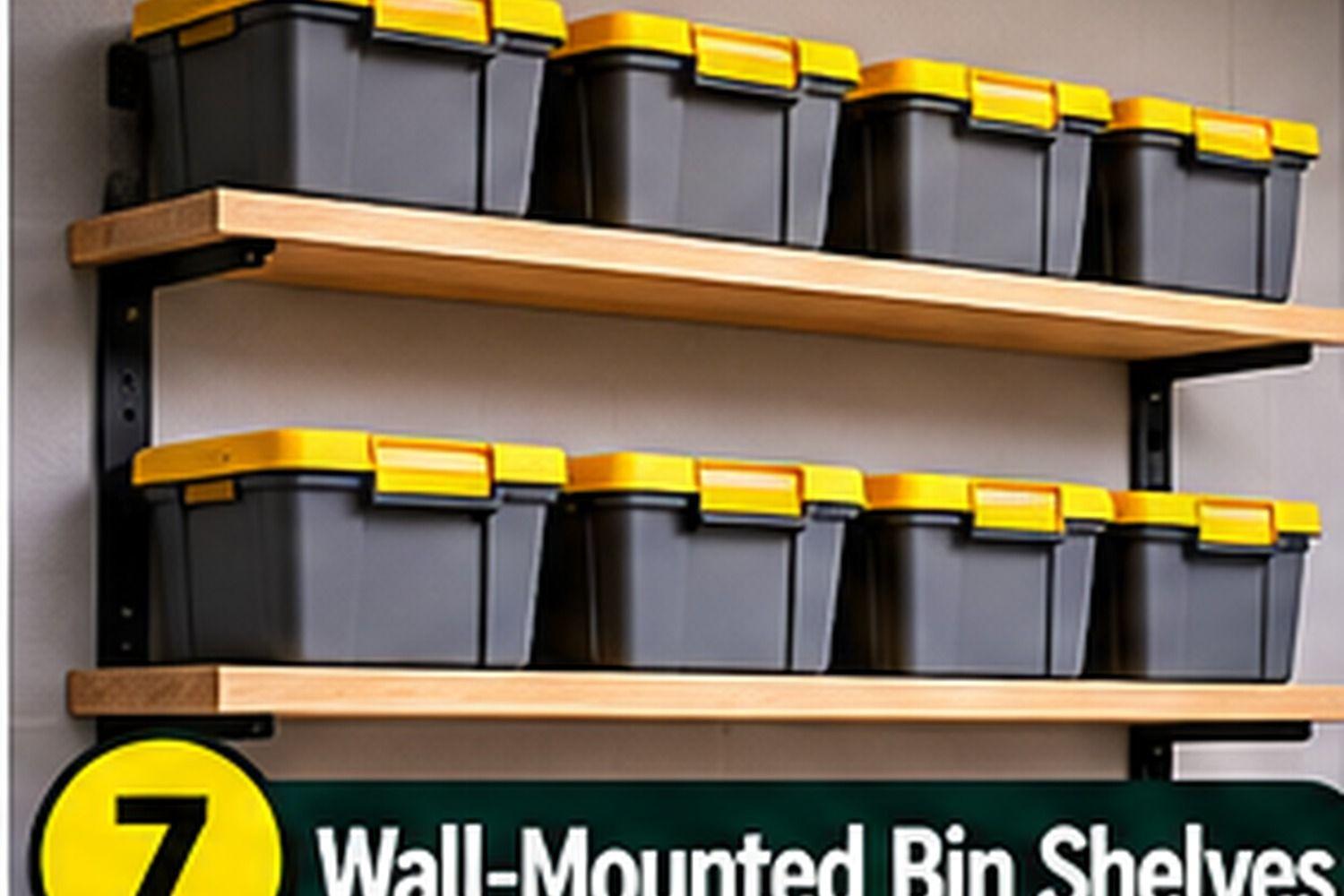
A pair of sturdy wall shelves can hold small parts organizers, labeled bins, and project supplies. Choose shelf brackets and fasteners rated for the combined weight of the shelf and its contents. Put heavier bins on lower shelves and reserve upper shelves for lightweight items used less often. Clear labels make it easier to find screws, electrical accessories, sanding supplies, and seasonal hardware. Avoid storing liquids or chemicals above a workbench where a spill could reach tools or electrical equipment.
8. Install heavy-duty hooks for long-handled tools
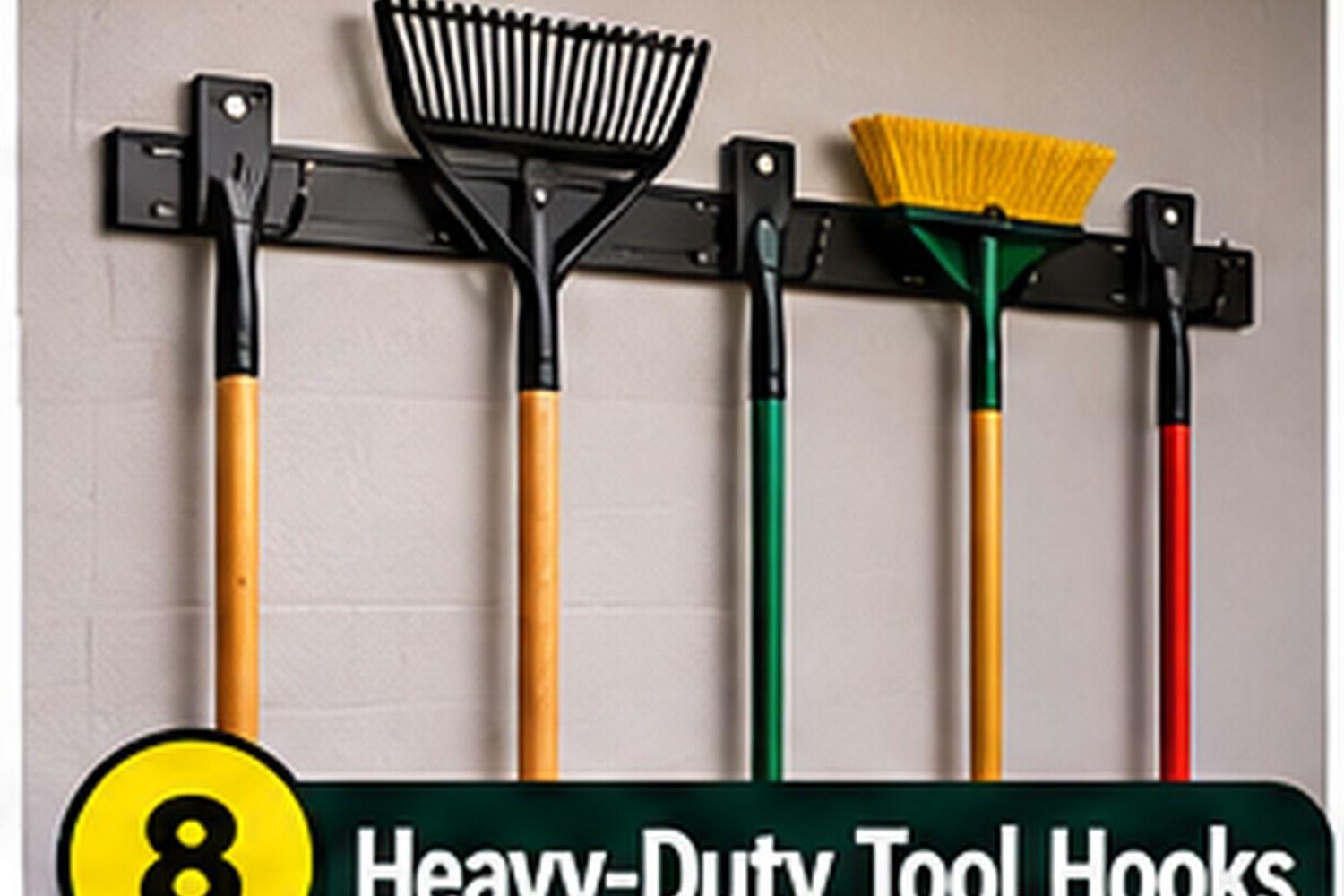
Long-handled tools such as rakes, shovels, brooms, and garden forks can take up valuable floor space. Heavy-duty hooks or a purpose-made rail keep them upright or horizontal against the wall. Match the hook shape and load rating to the handle and tool head, and space hooks so tools do not collide when removed. Secure the rail into wall framing or a mounting system designed for the weight. Keep sharp edges and pointed tool heads away from walkways.
9. Create a wire-grid storage wall
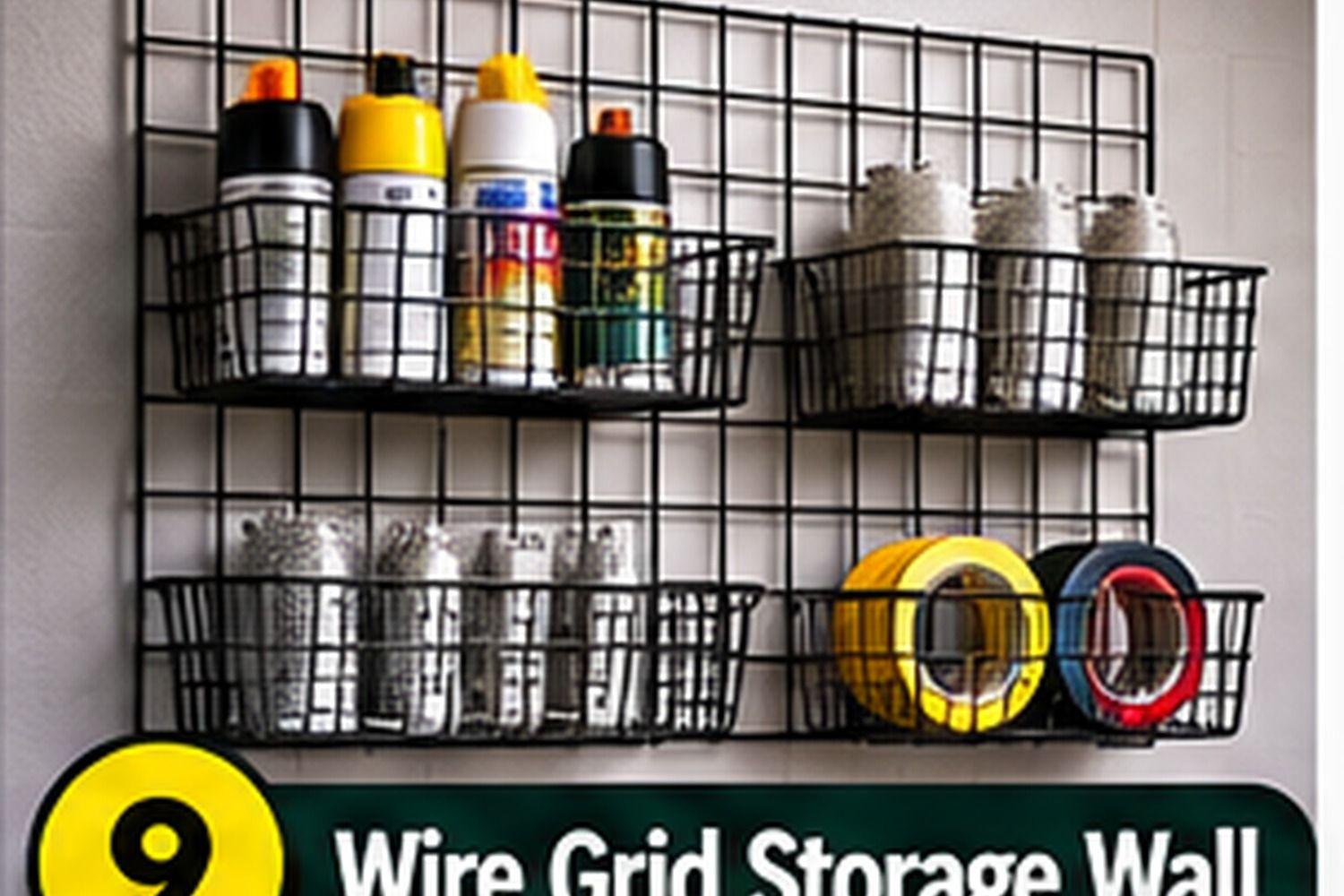
A wire grid can support lightweight baskets, small hooks, and frequently used accessories. It is a useful option for organizing spray bottles, safety glasses, tape, and small supplies, provided the grid and fittings are rated for the load. Use compatible clips and secure the grid firmly to the wall. Keep chemical products in their original labeled containers and follow their storage instructions; do not place flammable or hazardous products near heat sources.
10. Hang extension cords and hoses neatly
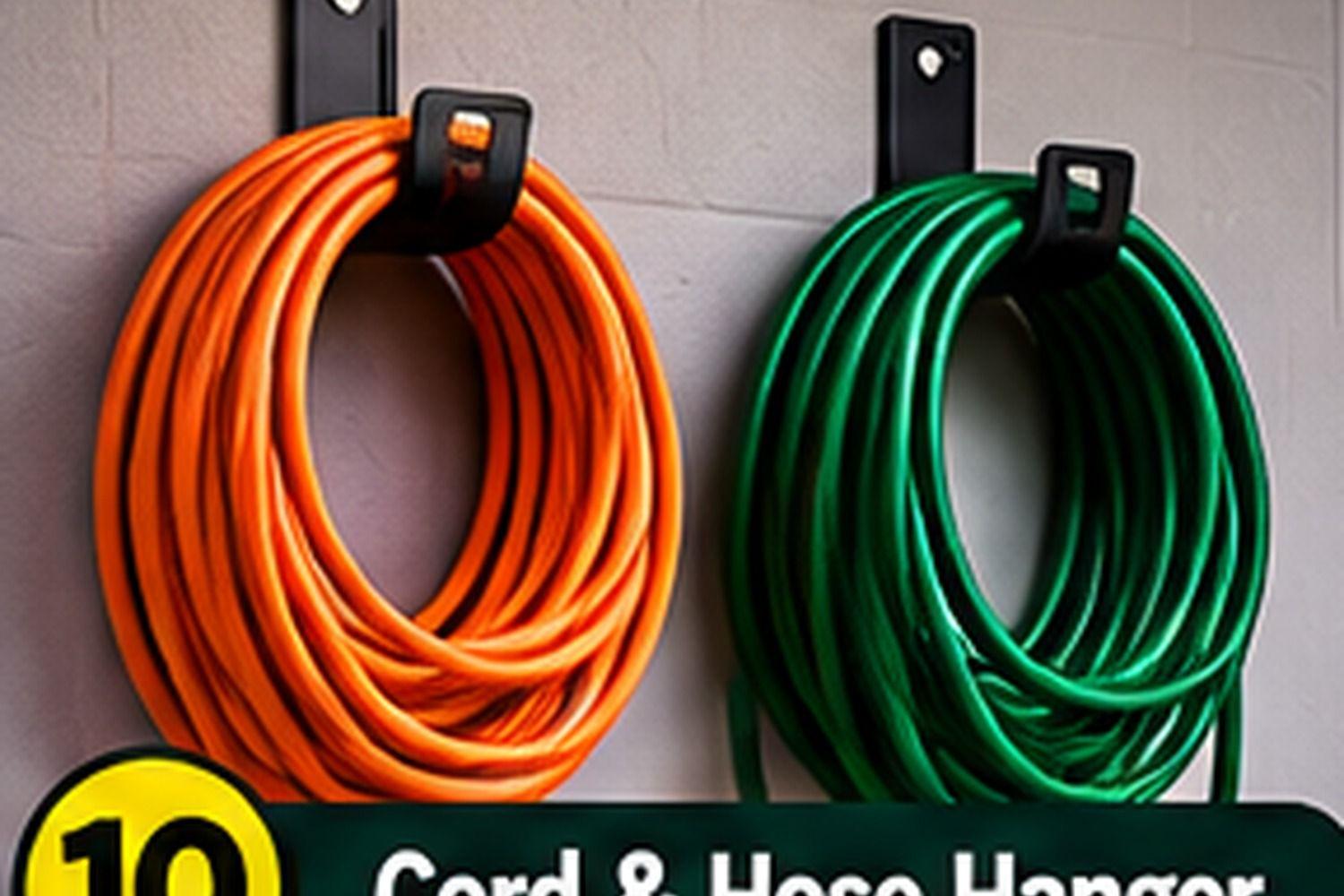
Large hooks or purpose-built hangers can stop extension cords, air hoses, and garden hoses from becoming tangled on the floor. Choose a hanger with a broad enough support radius to avoid sharp bends, and follow the cord or hose manufacturer's guidance for coiling and storage. Inspect cords for damage before use and never use a wall hook as a substitute for safe electrical handling. Store hoses drained when appropriate and keep coils away from hot equipment and sharp edges.
11. Repurpose a sturdy shelving rack
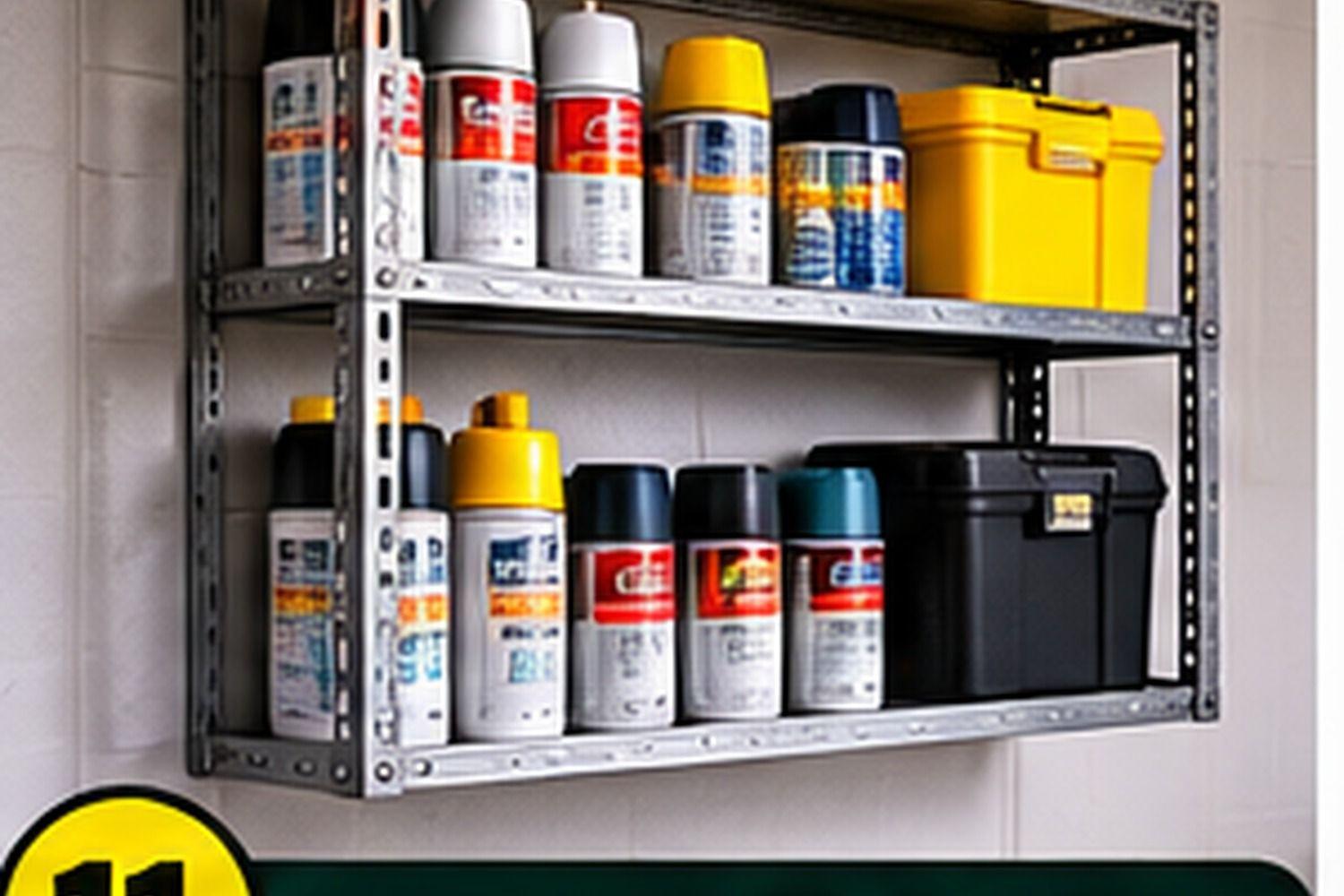
A surplus metal shelving unit or old utility rack can provide affordable storage for tool cases, paint supplies, and garage accessories. Check for rust, bent supports, loose joints, and the manufacturer's load limits before use. If the rack is designed to be anchored, secure it as directed to reduce tipping risk. Store heavy items on the lowest shelves and keep paint, automotive products, and chemicals in their original containers with labels visible. Separate incompatible products and follow label storage requirements.
12. Build a fold-down workbench with wall storage
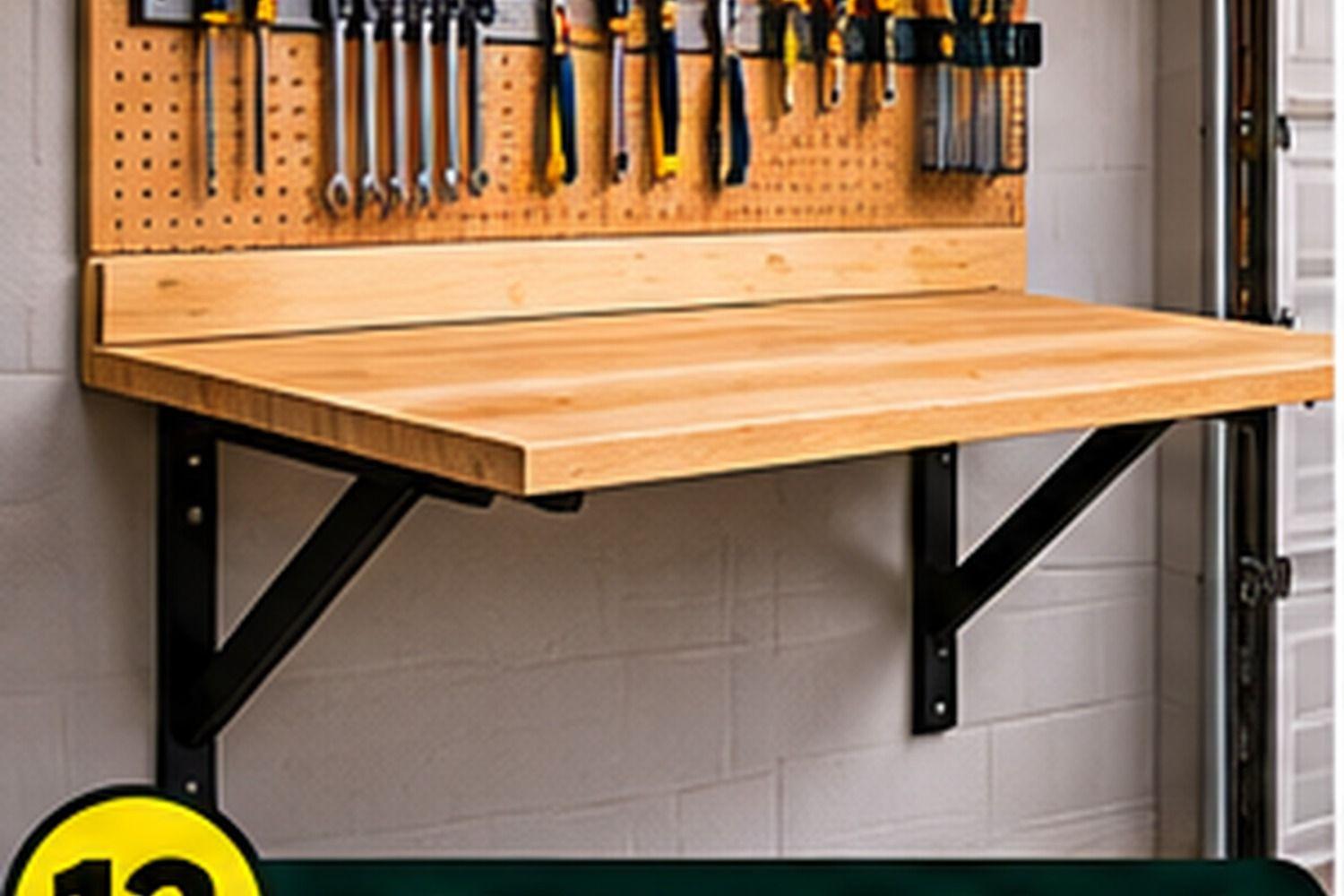
A fold-down workbench can create a useful repair surface in a narrow garage while keeping the floor clear when the bench is not in use. Use a design with a suitable load rating, strong hinges, reliable locking supports, and a secure wall attachment into framing or an engineered support. Add a small pegboard or tool rail above the bench for frequently used hand tools. Do not improvise the hinge or support system for heavy loads; follow a tested plan and the hardware manufacturer's specifications.
13. Add a ladder and long-item wall rack
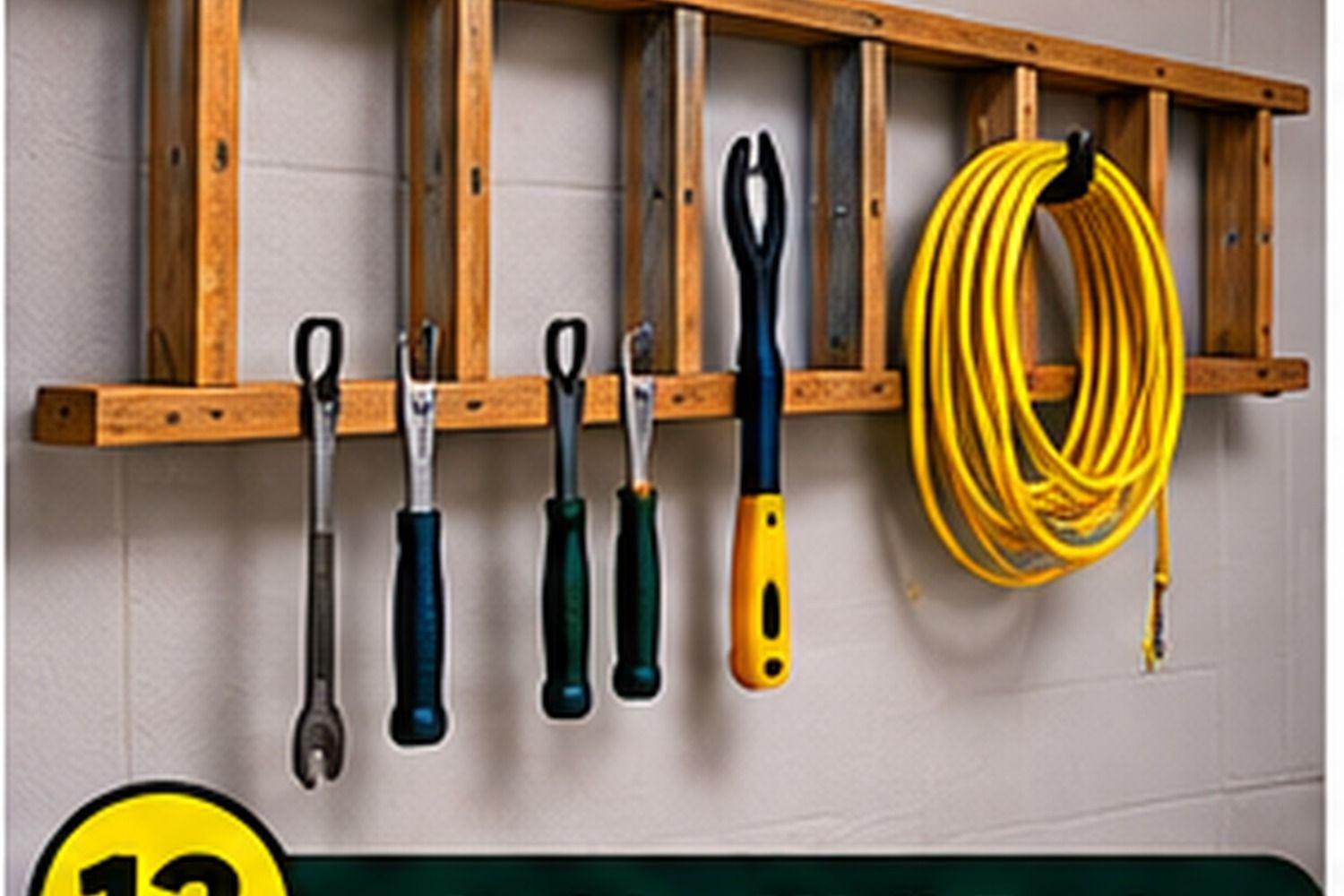
A dedicated wall rack can hold ladders, levels, trim pieces, and other long items horizontally. Use brackets designed for the item type and weight, and support the rack at the spacing recommended by its manufacturer. Keep ladders secured so they cannot roll or slide, and store them away from doors, vehicles, and access routes. Check ceiling and wall clearance before installation, especially around garage doors and tracks.
14. Use an adjustable rail storage system
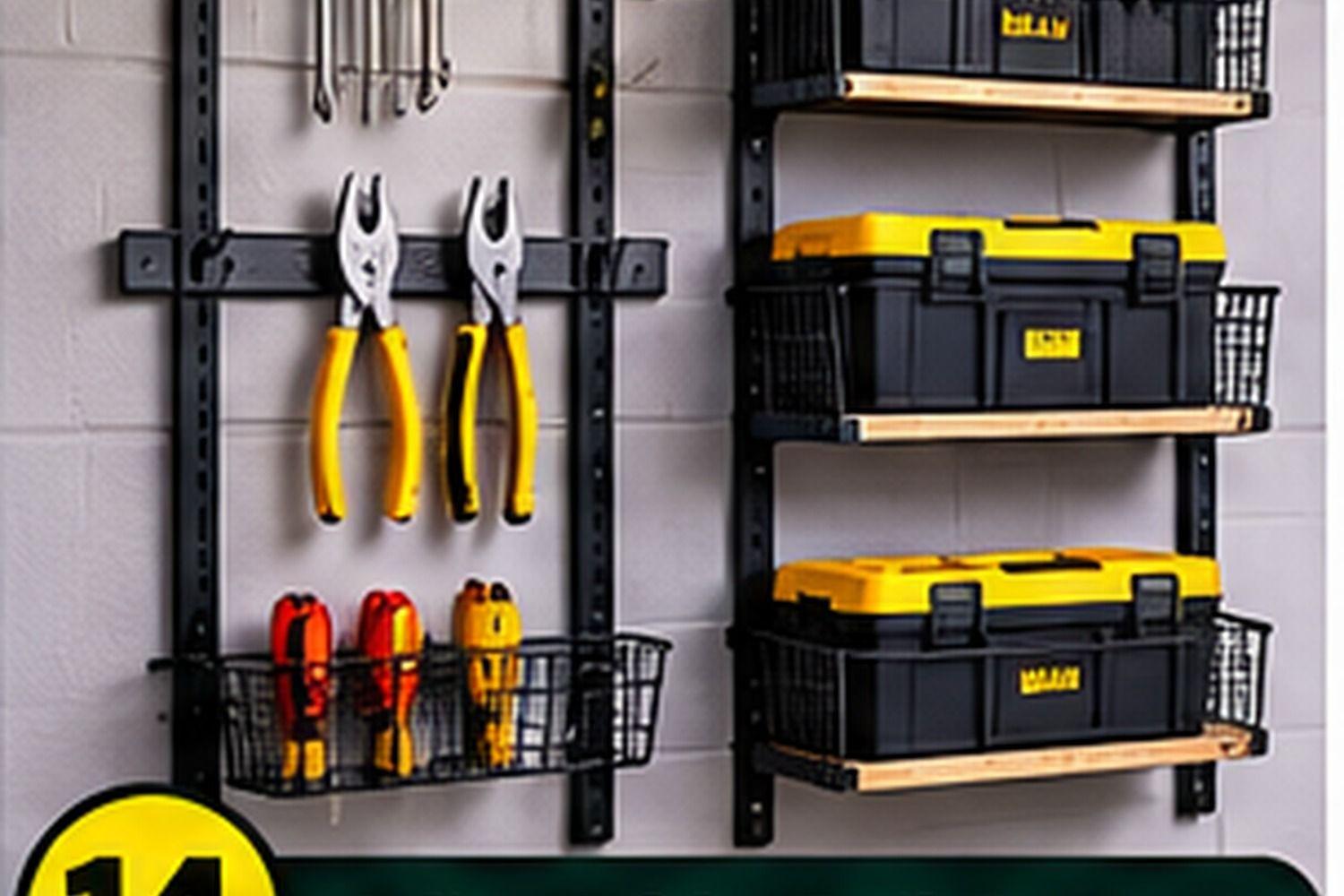
A rail system with compatible hooks, baskets, and shelves makes it easier to change the layout as your tool collection grows. It can be more expensive than a few individual hooks, but buying only the fittings you need can keep the initial cost manageable. Confirm that the rail, brackets, and accessories are designed to work together, and mount the rail using the specified fasteners and wall support. Place heavy items low and check the system periodically for loose fittings or signs of damage.
Budget tips for a better organized garage
- Start with what you own: Reuse sound shelves, containers, and offcuts where they are suitable for the job.
- Buy storage in stages: Organize the tools you use most often first, then add more hooks or bins as needed.
- Measure before shopping: Checking tool lengths, handle diameters, and wall dimensions can prevent wasted purchases.
- Use labels: Simple labels help everyone return items to the right place.
- Prioritize secure mounting: Saving money on the wrong fasteners can create a costly safety problem.
- Keep a little spare capacity: Leave room for new tools rather than filling every inch immediately.
Garage wall storage safety checklist
- Check the condition and load rating of every shelf, hook, rail, and organizer.
- Fasten storage into suitable framing or use anchors specifically rated for the wall and expected load.
- Do not hang heavy equipment from decorative panels or unverified pallet boards.
- Keep sharp blades, pointed tools, and power-tool accessories secured.
- Store chemicals in original containers, with labels intact, and follow product instructions.
- Keep electrical panels, outlets, fire equipment, doors, and garage-door mechanisms accessible.
- Inspect wall-mounted storage periodically and remove items if fittings loosen or the wall shows damage.
Frequently asked questions
What is the cheapest way to organize tools on a garage wall?
For a small collection of lightweight hand tools, individual hooks or a basic pegboard can be inexpensive. Reusing a sound shelf or organizer may also help. The total cost depends on the wall, mounting hardware, and the weight of the tools, so do not cut corners on secure installation.
Is pegboard strong enough for garage tools?
It can be suitable for many hand tools when the panel, hooks, spacers, and mounting method are designed for the load. Heavy tools require compatible heavy-duty fittings and secure attachment to suitable wall support. Always follow the product's load rating.
Can I mount garage shelves directly to drywall?
Do not assume ordinary drywall alone can support loaded shelves. Use the mounting system and fasteners specified for the shelf and wall construction. For heavier storage, attachment to wall studs or another properly engineered support is often necessary.
How should I store extension cords?
Coil cords according to the manufacturer's guidance and hang them on a broad, smooth, purpose-made hanger. Inspect cords for damage before use, and keep them away from heat, moisture, sharp edges, and chemicals.
What tools should be stored at eye level?
Keep frequently used, lightweight hand tools where they are easy to identify and reach. Store heavy equipment lower, and place dangerous or sharp tools in secure holders away from children.
How often should garage wall storage be checked?
Inspect it periodically and whenever you notice movement, sagging, loose fasteners, damaged hooks, or changes in the wall. Recheck after rearranging heavy items or adding new equipment.
Final thoughts
A well-organized garage wall does not require a complete renovation. A pegboard, a few sturdy hooks, labeled bins, and a carefully planned shelf can make everyday tools easier to find and return. Choose storage based on the tools you own, install it with suitable hardware, and expand the system gradually.
The most budget-friendly organizer is one that safely solves a real storage problem and lasts. Keep heavy items low, protect sharp tools, follow product load limits, and leave enough open space to work comfortably.
Sources
- U.S. Consumer Product Safety Commission. Checked November 7, 2026
- Occupational Safety and Health Administration. Checked November 7, 2026
- International Code Council. Checked November 7, 2026
- Electrical Safety Foundation International. Checked November 7, 2026
Share this article
Get new guides by email
Practical home articles and free resources. No spam, and you can unsubscribe at any time.
Keep reading

15 DIY Craft Room Pegboard Tool Organization Ideas
Organize your creative workspace with 15 DIY craft room pegboard ideas for thread, ribbon, brushes, tools, yarn, paper rolls, and project supplies.
November 2026, 10 min read
12 Beginner Gardening Tool Kit Essentials List Items
Build a practical starter garden kit with 12 beginner gardening tools, from a hand trowel and pruners to gloves, watering gear, and plant labels.
November 2026, 7 min read
7 Best Cute Tool Sets for Apartments: Aesthetic Options That Are Actually Useful
Shop compact, cute tool sets for apartments, from blush-pink starter kits to minimalist cordless toolboxes. Compare contents, prices and storage needs.
November 2026, 10 min read