Budget Kitchen Remodel Ideas: High-ROI Upgrades That Make a Noticeable Difference
Explore budget kitchen remodel ideas that improve appearance, function and resale appeal. Learn where to spend, where to save and which upgrades to skip.
By Home Crane Editors. . 12 min read.
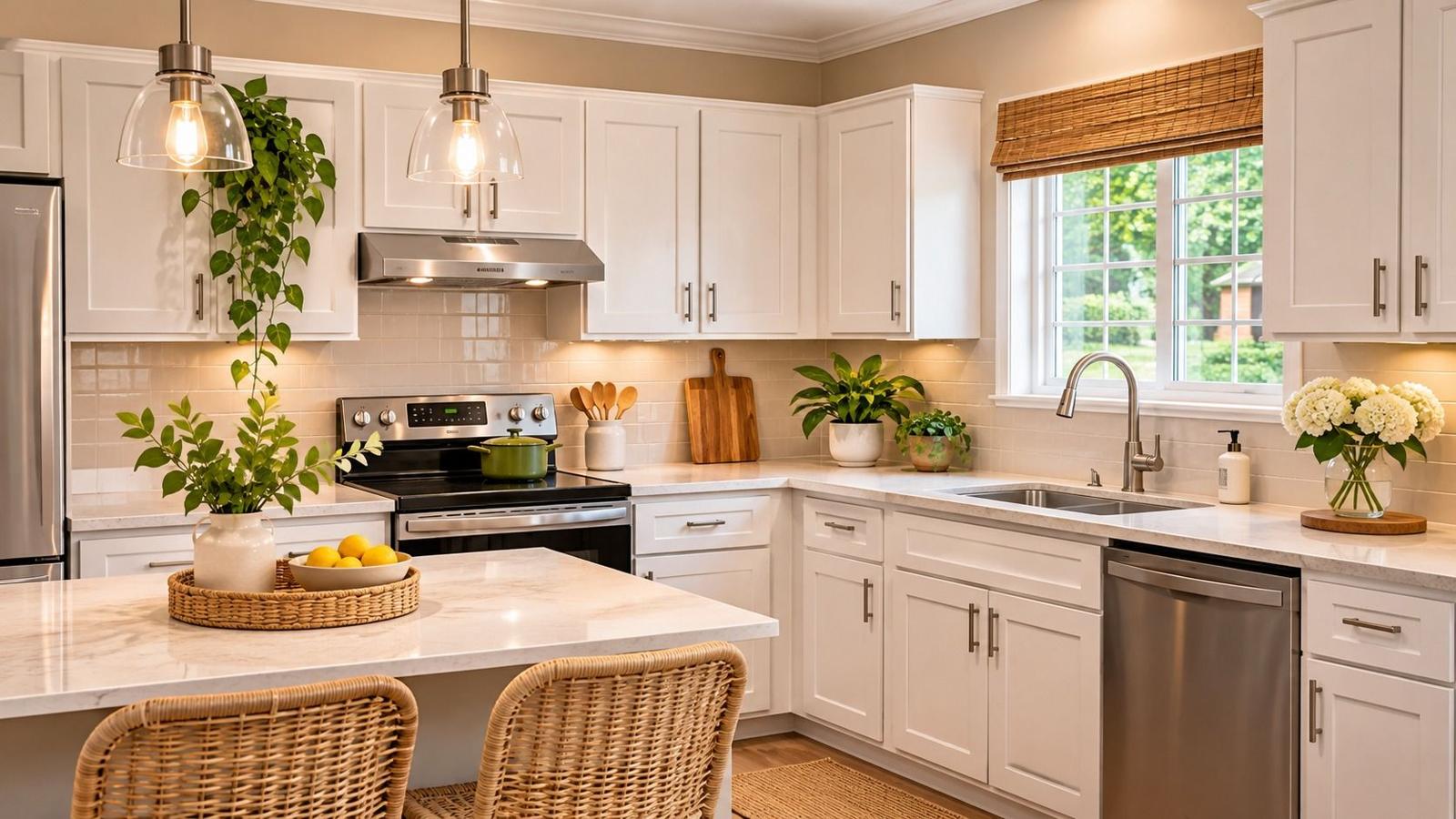
The strongest budget kitchen remodel ideas usually start with what is already in good condition. Keep a workable layout, repair sound cabinet boxes, refresh the most visible surfaces and spend on improvements that make everyday use easier. A well-planned minor remodel can make a meaningful difference without the cost and disruption of moving plumbing, changing walls or replacing every fixture.
There is a resale argument for keeping the scope controlled. Zonda's 2025 Cost vs. Value report estimated that a midrange minor kitchen remodel cost an average of $28,458 nationally and recouped an estimated $32,141 at resale, or 112.9% of its cost. By comparison, the report estimated cost recoupment of 50.9% for a midrange major kitchen remodel and 35.7% for an upscale major remodel. These are national project estimates, not a promise that a particular homeowner will recover every dollar. Local market conditions, existing kitchen condition, workmanship and buyer preferences all matter. See Zonda's 2025 report for methodology and regional differences.
This guide focuses on five practical upgrade groups that can improve a dated kitchen while keeping the existing footprint where possible. The goal is not to make every kitchen look expensive. It is to direct the budget toward visible, durable and useful improvements.
1. Refresh Cabinet Doors, Finish and Hardware Before Replacing the Boxes
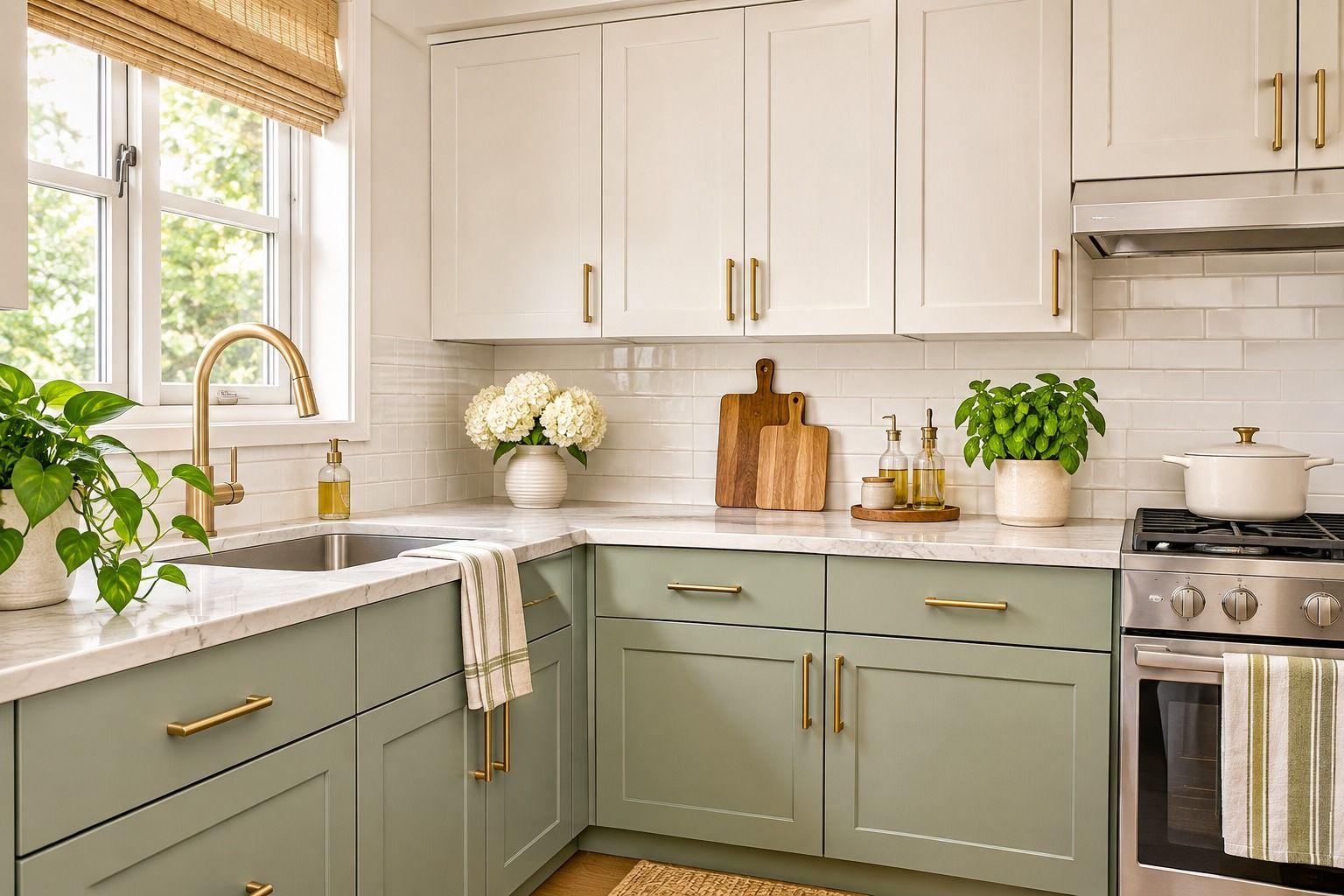
Cabinets occupy a large share of the visual space in most kitchens, so worn or dated doors can make the entire room feel old. If the cabinet boxes are sturdy, dry, square and securely attached, replacing the whole system may be unnecessary. Refinishing, repainting or refacing can deliver a substantial visual change while preserving much of the existing installation.
Begin with a condition check. Open doors and drawers and inspect the cabinet sides, shelves, hinges and areas beneath the sink. Look for swelling, delamination, water damage, persistent musty odors, loose mounting points and soft particleboard. Paint will not repair structural deterioration. If the boxes are damaged or the layout is fundamentally inefficient, replacement may be the more sensible long-term decision.
Choose the right refresh method. Cleaning and repainting can work when the existing finish is sound and the doors are suitable for refinishing. Proper preparation is essential: remove grease, label and remove doors, repair minor surface defects, sand or degloss as appropriate, use a compatible bonding primer and apply a cabinet-grade coating according to its instructions. Allow the finish to cure before reinstalling hardware or loading shelves.
Refacing goes further by replacing visible door and drawer fronts and applying a matching veneer or laminate to exposed cabinet faces. It can create a more consistent finish than painting badly worn doors, but the price depends on the number of doors, material, installation and cabinet condition.
Update the hardware. New pulls and knobs are a relatively small purchase that can make old cabinets feel more intentional. Measure existing hole spacing before buying replacement pulls. If the new hardware has a different spacing, filling and finishing old holes may be required. Choose a finish that works with the faucet, lighting and appliance accents rather than mixing several competing metals.
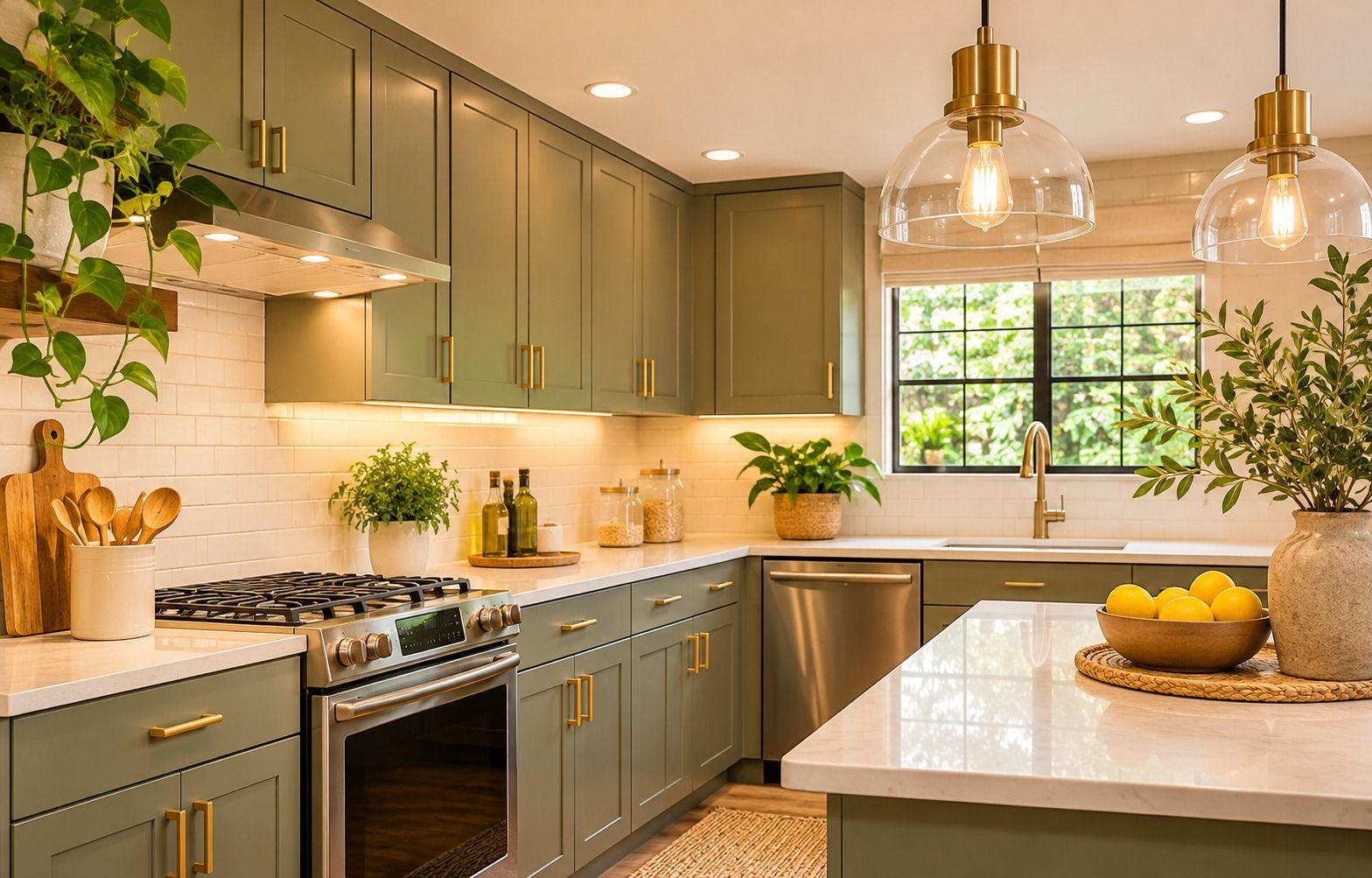
A simple palette often ages better than a highly personalized one. Warm white, muted green, natural wood and soft gray can all work, but consider flooring and fixed finishes before choosing a cabinet color.
Where the value comes from: A clean, consistent cabinet finish improves the room's first impression and makes the kitchen feel maintained. It is especially sensible when the layout and cabinet storage already work.
Where to save: Keep sound cabinet boxes, avoid moving plumbing or electrical lines just to change the look, and replace only doors or drawer fronts that cannot be refinished successfully.
2. Upgrade the Countertop and Backsplash Selectively
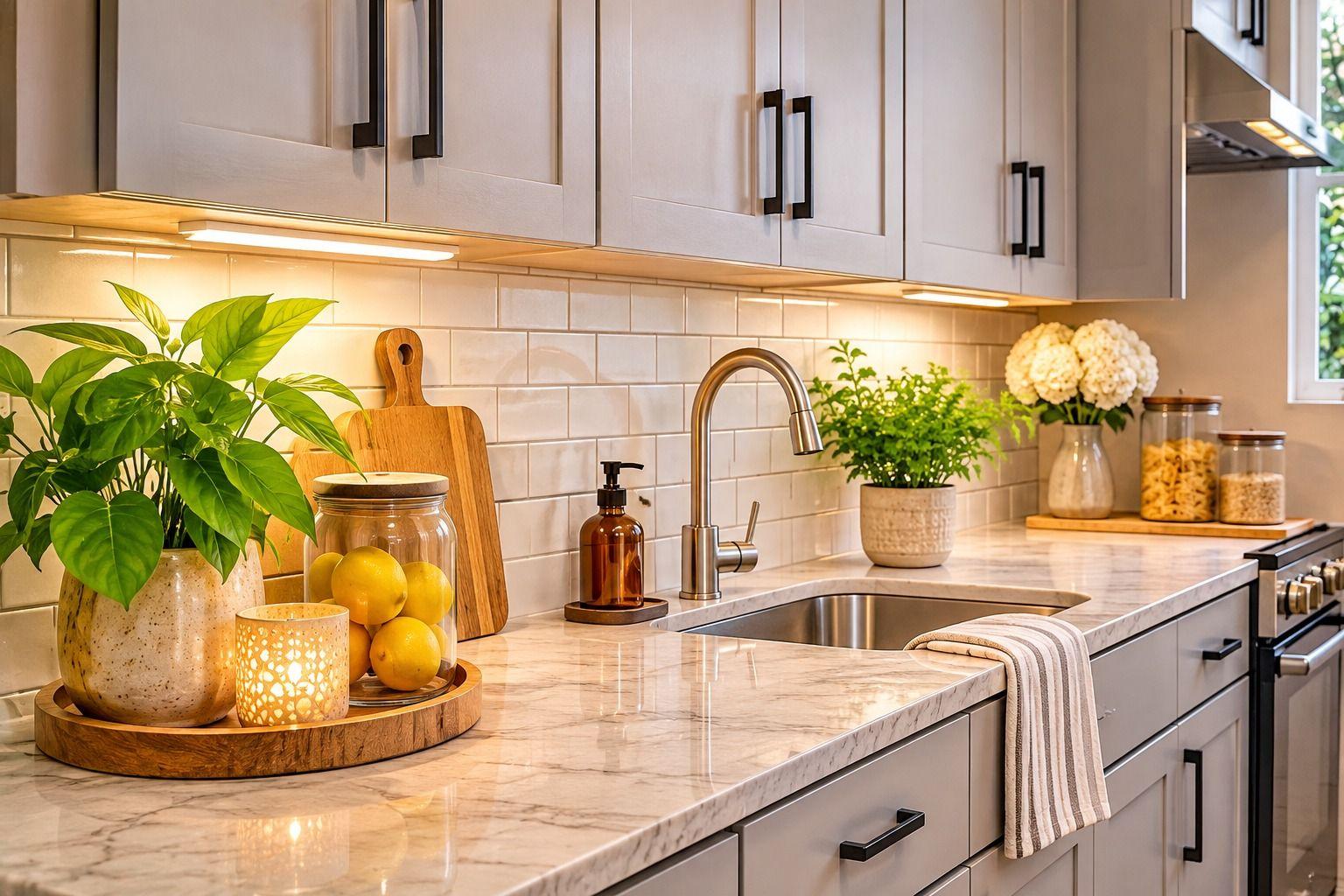
Counters and backsplashes form a continuous visual band across the kitchen. If they are stained, chipped, cracked or visually busy, refreshing these surfaces can make the room feel cleaner and more current. The most cost-effective solution depends on the condition of the existing material and how long you plan to stay in the home.
If the current countertop is structurally sound, first consider a professional repair or restoration where appropriate. Small chips, loose seams and damaged caulk may be repairable. Do not cover a failing surface with a cosmetic product that is not designed for that material or food-preparation environment.
When replacement is necessary, compare the installed cost rather than the material price alone. Laminate can offer a budget-friendly range of colors and patterns. Butcher block can add warmth, although it needs appropriate sealing and maintenance. Quartz is popular for its consistent appearance and low routine maintenance, but material, edge profile, cutouts and installation can make it a larger investment. Natural stone varies in porosity and maintenance requirements, so understand the care instructions before choosing.
The backsplash does not need to be elaborate. A simple ceramic tile, a clean slab-style upstand or a well-executed continuation of the counter material can create a calmer appearance. If replacing both surfaces, select them together. A busy counter pattern paired with a strongly patterned backsplash can make a small kitchen feel crowded.
Pay attention to practical details. The installer must account for the sink, faucet, cooktop, outlets, wall irregularities and transitions to adjacent surfaces. Use the correct sealant at joints and follow product guidance around sinks and cooking areas. If the existing wall has moisture damage, correct the underlying problem before installing a new finish.
Where the value comes from: Buyers notice clean, cohesive work surfaces. A durable, neutral selection can make a kitchen feel cared for without requiring a complete redesign.
Where to save: Keep the existing footprint, avoid unnecessary premium edge details and compare complete installed quotes. Do not choose a material based only on a small sample or showroom lighting.
3. Choose Appliances for Fit, Reliability and Energy Use
New appliances can improve convenience, appearance and energy performance, but replacing a functioning appliance simply to create a matching set is not always the best use of a limited budget. Start by identifying what is unreliable, inefficient, difficult to clean or poorly suited to the household.
If the refrigerator, range or dishwasher is nearing the end of its useful life, compare models by total operating cost, capacity, dimensions, noise, warranty and repair support. Look for the ENERGY STAR label where a qualifying category exists, then check the specific model's certification and estimated energy use. ENERGY STAR's product finder can help compare certified appliances.
Measure carefully before ordering. Check the opening width, height and depth, door swing, ventilation clearances, water connections, electrical requirements and delivery path. A new refrigerator that projects too far into a narrow walkway can make the kitchen less functional even if it looks attractive.
Consider the full installation cost. A slide-in range, built-in microwave or panel-ready appliance may require cabinetry, electrical or ventilation work. If a replacement changes the fuel type or electrical load, have the required work assessed by a qualified professional. Do not improvise gas or electrical connections.
For resale, a clean, working and appropriately sized appliance set is often more useful than expensive professional-grade equipment that does not suit the home. Matching finishes can help the room feel coordinated, but function and condition should come first.
Where the value comes from: Reliable appliances improve daily use and reduce the chance that buyers see immediate replacement costs. Efficient models may also reduce energy consumption over time, depending on use and local utility rates.
Where to save: Replace appliances based on condition and performance, not trends. If one appliance is failing, it may be reasonable to replace that item first and keep the others if they are clean, safe and functional.
4. Improve Lighting in Layers Instead of Relying on One Ceiling Fixture
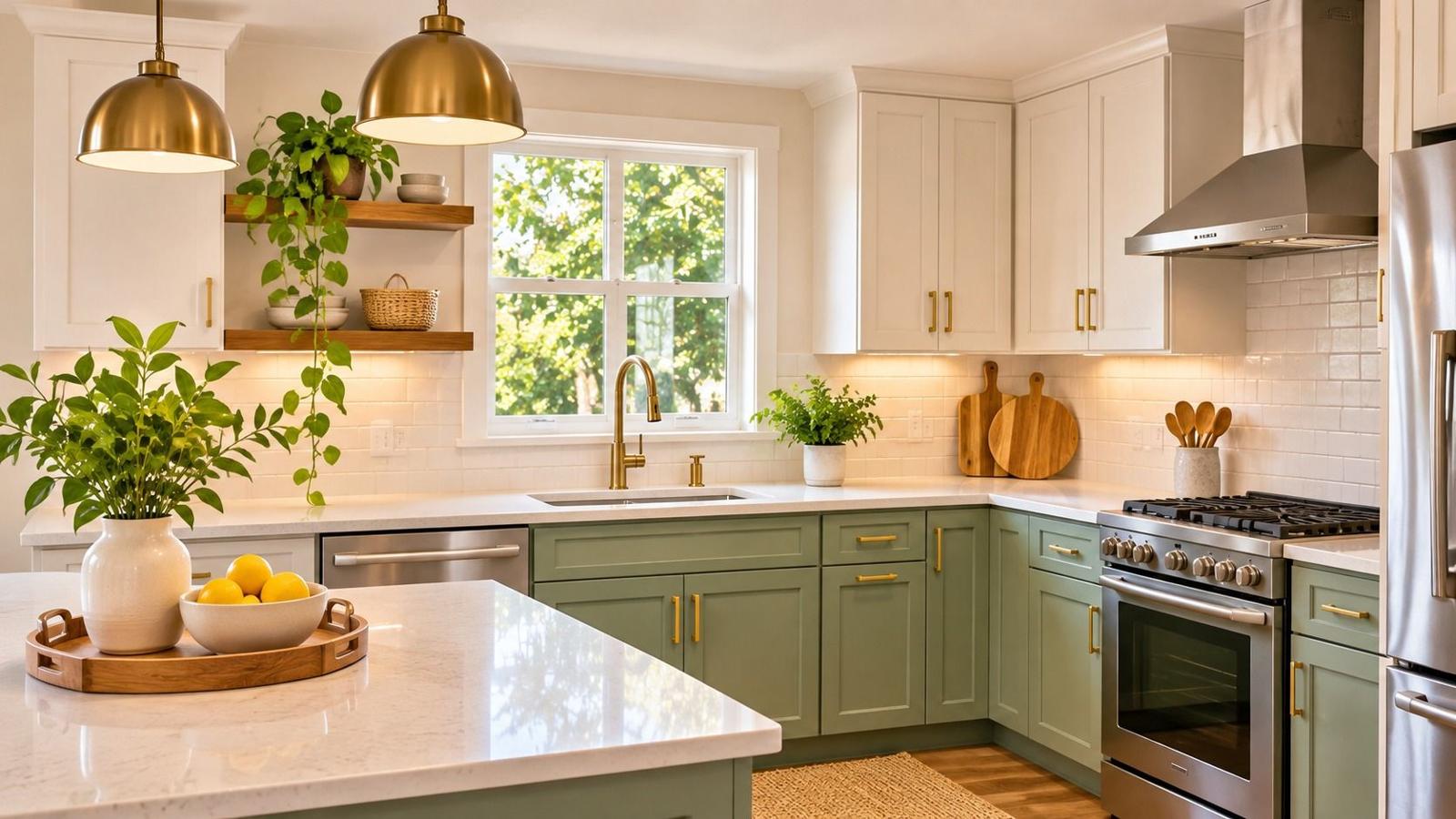
Lighting can change how a kitchen looks and how safely people use it. A single ceiling fixture often leaves shadows on counters, especially beneath upper cabinets. A more effective plan combines general lighting with focused task lighting and selected accent lighting.
General lighting illuminates the overall room. Existing ceiling fixtures may be sufficient if they are well positioned and provide even coverage. If replacing them, choose fixtures scaled to the room and make sure the light output is suitable for the space.
Task lighting helps with food preparation, reading recipes and cleaning. Under-cabinet LED fixtures or strips can illuminate the counter directly and reduce shadows from overhead cabinets. Select products intended for kitchen use, follow the installation instructions and keep wiring and connections away from moisture and heat.
Accent lighting can highlight a glass-front cabinet, open shelf or architectural detail. It is optional. If the budget is tight, prioritize useful task lighting before decorative effects.
Color temperature affects the atmosphere. Many homeowners prefer warm-to-neutral white light in a kitchen, but consistency matters more than chasing a particular number. Check the fixture's color temperature, brightness, dimming compatibility and color-rendering information. If changing hardwired fixtures, adding circuits or modifying switches, use a qualified electrician and follow local code requirements.
A lighting plan should also account for daylight. Avoid placing a bright fixture where it creates glare on a glossy counter or reflective backsplash. Dimmers can help adjust the room for different activities, provided the bulbs and controls are compatible.
Where the value comes from: Good lighting makes work surfaces more usable and helps finishes look their best. It is a functional improvement that can make even a modest kitchen feel more considered.
Where to save: Improve the darkest work areas first. You may not need a new ceiling layout if a few well-placed task lights solve the problem.
5. Replace a Worn Faucet, Sink Accessories and Small Functional Details
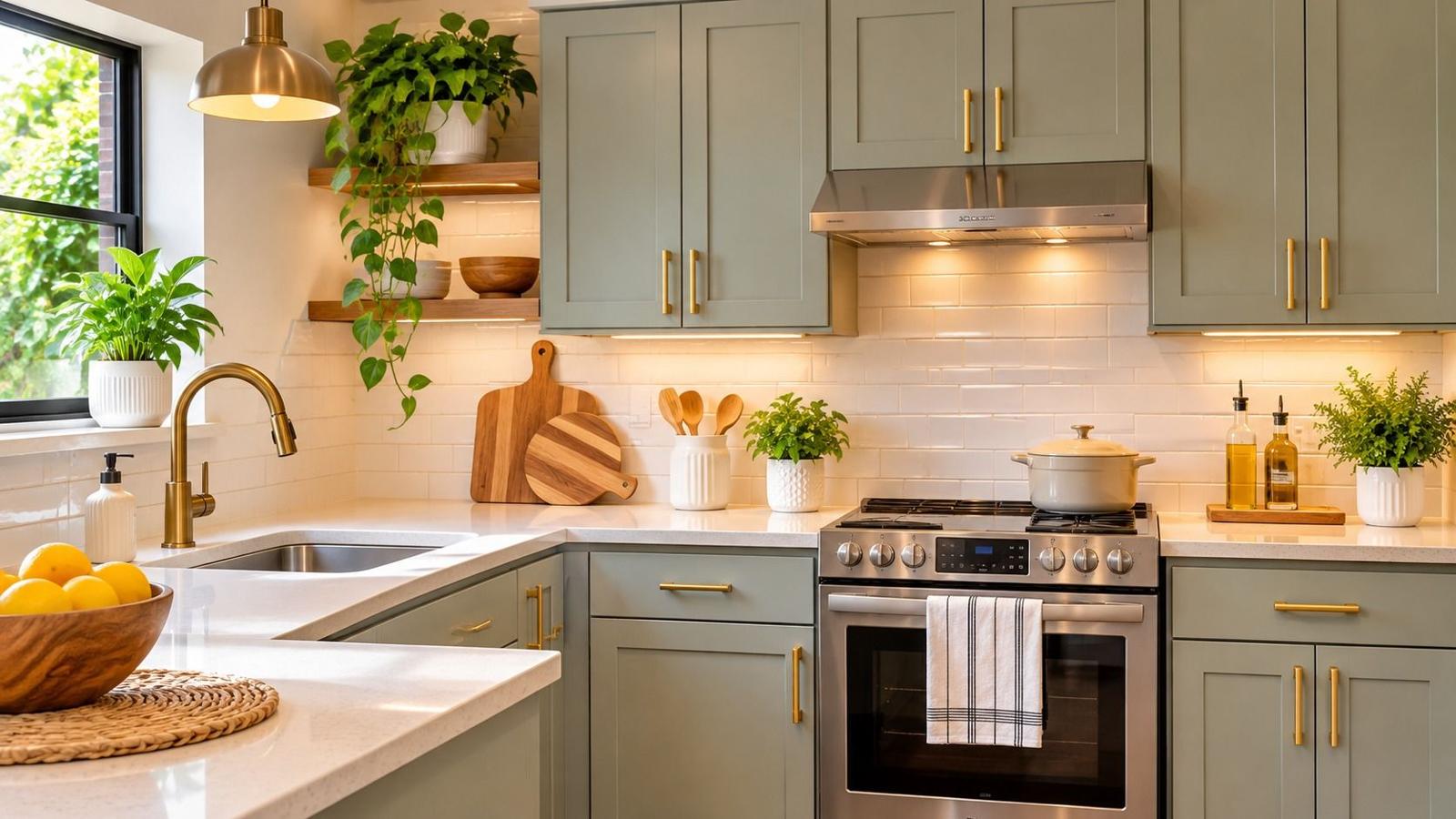
Small functional details can make a kitchen feel neglected when they are worn, leaking or difficult to use. A new faucet, a properly fitted sink accessory, fresh caulk and repaired drawer slides can provide a noticeable improvement without changing the room's layout.
A faucet should be selected for sink configuration, reach, mounting-hole count, handle clearance and water-line compatibility. Pull-down sprayers are convenient for many households, but check hose length and the weight mechanism beneath the sink. A high-arc faucet may look elegant but can cause splashing in a shallow sink. Finish is a style choice; reliability, parts availability and installation requirements are more important.
Inspect the sink and plumbing before ordering. Corrosion, leaks, damaged shutoff valves or deteriorated drain components may need attention. If the sink itself is cracked, badly stained or incompatible with the new counter, replacement may be more involved than a simple faucet swap. Plumbing work should be handled by a qualified professional when it exceeds your skills or local rules require it.
Do not overlook inexpensive details. Replace damaged drawer slides, adjust misaligned doors, add organizers that make deep cabinets easier to use, renew failing caulk with the correct product and repair loose towel bars or handles. These jobs may not create dramatic before-and-after photographs, but they can make the kitchen feel properly maintained.
Where the value comes from: A faucet that works smoothly, drawers that open properly and clean sealed joints communicate care. Functional improvements are useful to current occupants and easier for a future buyer to appreciate.
Where to save: Repair before replacing. Avoid buying specialty accessories that solve a problem you do not actually have.
Budget Priorities: Where to Spend and Where to Pull Back
A high-return kitchen refresh is not a shopping list that every home should copy. It is a sequence of decisions based on condition, cost and buyer expectations in the local market.
| Feature | Upgrade | Why it may be worth the money | Main cost risk |
|---|---|---|---|
| High | Repair or refinish sound cabinets | Large visual impact while retaining existing boxes | Poor preparation or damaged cabinet substrate |
| High | Fix damaged counters, seams and backsplash | Improves cleanliness and the room's overall impression | Premium materials and complex installation |
| High when needed | Replace failing appliances | Addresses reliability, fit and energy use | Moving connections or buying oversized models |
| Medium to high | Add task lighting | Improves everyday usability and reduces shadows | Electrical changes and extensive fixture replacement |
| Medium | Faucet and small functional repairs | Makes daily use easier and signals maintenance | Hidden plumbing or sink damage |
Before starting, write down the problems you want to solve. Separate essential repairs from cosmetic preferences. Get more than one written quote for substantial work and ask contractors to specify preparation, materials, demolition, disposal, installation, permits and exclusions. A low initial quote may not include the details that make the finished job durable.
Set aside a contingency for surprises, particularly in older homes where water damage, outdated wiring or uneven walls may be hidden behind finished surfaces. Do not spend the contingency on decorative upgrades before essential work is complete.
What Kitchen Upgrades Usually Do Not Deserve a Tight Budget?
A budget remodel can lose its financial advantage when money is spent on features that are expensive, highly personal or unnecessary for the home's price range.
- Moving the entire kitchen layout: Relocating plumbing, gas, electrical and ventilation can quickly expand the scope. Do it when the current layout is genuinely poor, not simply because a different arrangement is fashionable.
- Replacing sound cabinets for a trend color: If the boxes and doors are in good condition, consider a finish update before buying a complete new system.
- Luxury appliances in a modest home: High-end features may be enjoyable, but they do not guarantee a matching increase in resale value.
- Highly distinctive finishes: Unusual colors, ornate tile and bold patterns can be appealing, but they narrow the range of buyers who share the same taste.
- Cosmetic cover-ups for underlying damage: Never hide leaks, mold, unsafe wiring or structural problems behind new finishes. Correct the cause first.
The 2025 Cost vs. Value data is a useful reminder that a larger project does not automatically produce a better resale return. JLC's analysis of the 2025 report notes that the minor kitchen remodel was the only interior project in the national top five. The report compares defined project scopes and estimated resale value; it does not measure every benefit a homeowner receives from living in a more functional kitchen.
How to Plan a Kitchen Remodel That Fits Your Budget
Start with a room audit. Photograph each wall and list what is damaged, inconvenient or simply dated. Note which items can stay. Measure the room, cabinet openings, appliances, counters and walkways before requesting estimates.
Next, set a maximum project budget and divide it into three categories: essential repairs, high-impact updates and optional finishing touches. Fund the first category before the others. Ask contractors to price alternatives, such as refinishing versus refacing cabinets or repairing versus replacing a countertop.
Check local permit requirements before work begins. Electrical, plumbing, ventilation and structural changes may require permits or licensed trades, depending on the jurisdiction. Confirm who is responsible for permits and inspections in the written contract.
Finally, choose durable finishes that make sense for the home and neighborhood. The most successful budget kitchen remodel is not necessarily the one with the most expensive materials. It is the one that resolves real problems, looks cohesive, is installed correctly and avoids spending money where buyers are unlikely to recognize the benefit.
Frequently Asked Questions
What kitchen remodel has the highest return on investment?
In Zonda's 2025 Cost vs. Value report, a defined midrange minor kitchen remodel had an estimated national cost recoupment of 112.9%. That is a specific standardized project, not a guarantee for every kitchen. Local market conditions and project scope can change the result.
Is it better to reface or replace kitchen cabinets?
Refacing can make sense when cabinet boxes are structurally sound and the layout works. Replace cabinets when they have significant water damage, failing construction, poor storage or a layout that needs to change. Compare installed quotes for both approaches.
What is the cheapest way to make an old kitchen look better?
Deep cleaning, repairing damaged caulk, adjusting doors, replacing worn hardware and improving task lighting can make a noticeable difference. If cabinet surfaces are suitable, a properly prepared paint or refinishing project may provide a larger visual change.
Do new kitchen appliances increase home value?
Newer, reliable appliances can improve buyer confidence and the room's presentation, but their cost is not necessarily recovered dollar for dollar. Choose appliances that fit the kitchen and household rather than assuming premium models will produce a premium resale price.
Should I remodel my kitchen before selling?
It depends on the kitchen's condition, local competition, expected sale timing and cost. A focused refresh may help a dated but functional kitchen. A large renovation shortly before listing may not return its full cost. Ask a local real estate professional which issues buyers in your area notice most.
Conclusively, the best budget kitchen remodel ideas focus on the parts of the room that are visibly tired or function poorly. Refreshing sound cabinets, improving counters and backsplash, choosing appliances carefully, adding useful lighting and repairing small functional details can make a kitchen feel more current without committing to a full gut renovation.
Keep the layout when it works, fix underlying problems before covering them, and compare complete installed costs. The 2025 national remodeling data supports a measured approach: the defined minor kitchen remodel performed better at resale than larger kitchen projects, but no national average can promise an individual result. A durable, cohesive kitchen that suits the home is usually a better investment than an expensive collection of trends.
Sources
- Zonda: 2025 Cost vs. Value Report. Checked November 7, 2026
- Journal of Light Construction: 2025 Cost vs. Value Report Key Trends. Checked November 7, 2026
- Zillow: Kitchen Remodel Return on Investment. Checked November 7, 2026
- ENERGY STAR: Product Finder. Checked November 7, 2026
- U.S. Department of Energy: Energy Saver. Checked November 7, 2026
- U.S. Environmental Protection Agency: Renovation, Repair and Painting Program. Checked November 7, 2026
Share this article
Get new guides by email
Practical home articles and free resources. No spam, and you can unsubscribe at any time.
Keep reading
Best Living Room Paint Colors for Resale Value
Discover the best living room paint colors for resale value, including pale blue, sage green, warm white, greige and charcoal. Learn how to choose buyer-friendly shades.
November 2026, 13 min read
Easy DIY Home Projects With the Highest Return
Explore practical DIY home projects with strong everyday value, from fresh paint and curb appeal to lighting, weatherstripping, storage, and outdoor improvements.
November 2026, 8 min read
Easy Bathroom Upgrades to Increase Home Value
Explore 12 easy bathroom upgrades that can improve home value and buyer appeal, from modern faucets and lighting to better storage and ventilation.
November 2026, 13 min read