Easy DIY Home Projects With the Highest Return
Explore practical DIY home projects with strong everyday value, from fresh paint and curb appeal to lighting, weatherstripping, storage, and outdoor improvements.
By Home Crane Editors. . 8 min read.
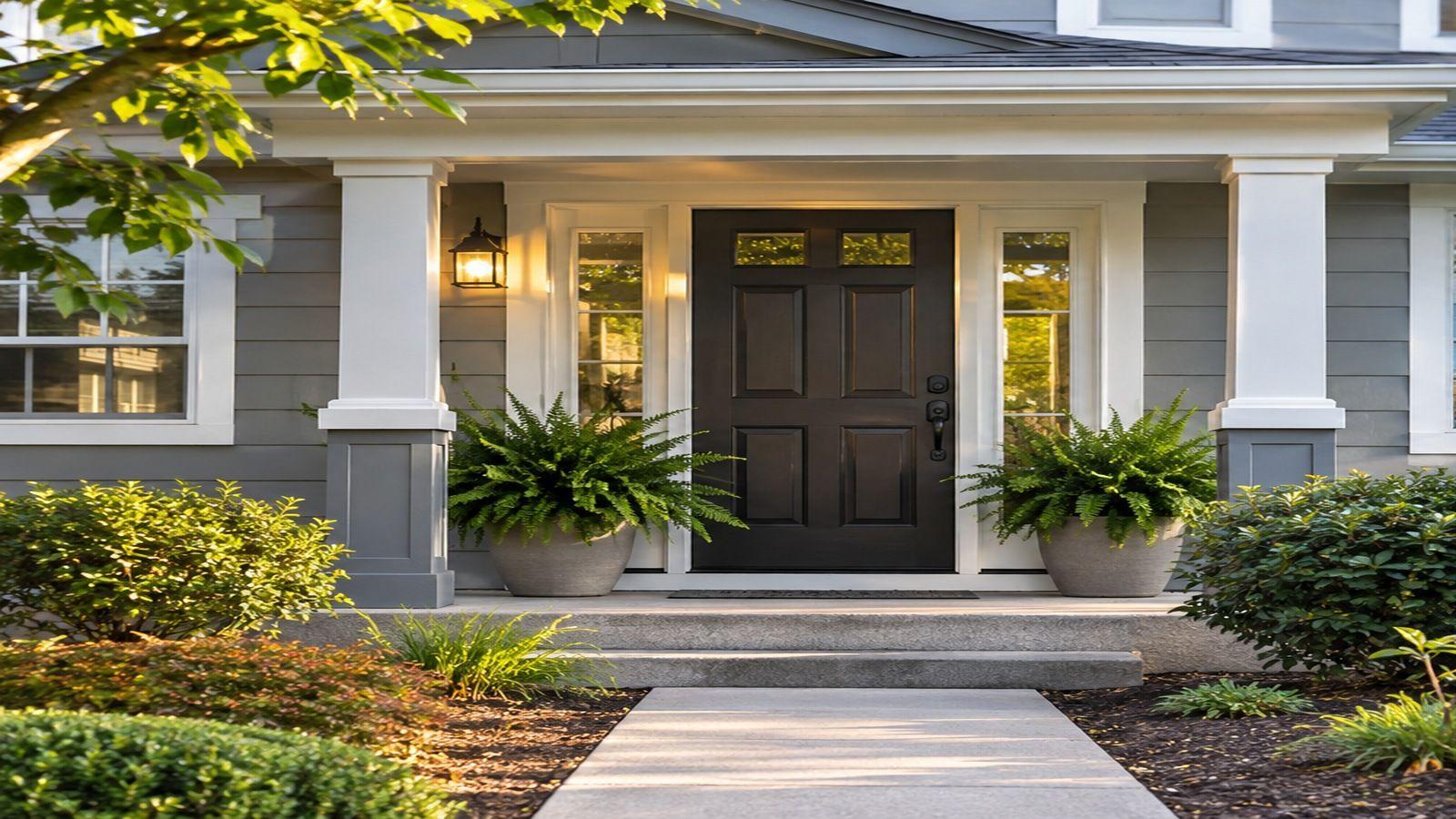
You do not always need a major renovation to make your home more attractive, comfortable, and appealing to future buyers. A number of practical home improvements can be completed with basic tools, careful planning, and a manageable budget. The key is choosing projects that solve a real problem or improve a feature buyers notice, rather than spending heavily on decorative changes that may not suit the neighborhood.
There is an important distinction between improving a home and guaranteeing a financial return. No DIY project guarantees a specific increase in resale value. Actual results depend on local buyer preferences, the property's condition, workmanship, material costs, and comparable sales. National remodeling reports offer useful benchmarks, but they are not promises of what an individual homeowner will recover.
This guide focuses on five groups of DIY projects that can improve curb appeal, interior presentation, kitchen and bathroom condition, energy comfort, and outdoor usability. It also explains where homeowners should stop and call a qualified professional.
What Does “Highest Return” Mean?
Return on investment, or ROI, compares the value recovered at resale with the cost of a project. In practice, it is difficult to isolate the exact value added by one improvement. A buyer may respond to the overall condition of a home, while an appraiser considers relevant market evidence, property characteristics, and the scope of the assignment.
The annual Cost vs. Value report from Zonda compares estimated project costs with estimated resale values across selected markets. It is a useful way to compare remodeling categories, but local results can differ. A project that performs well in one market may be less valuable in another.
For modest DIY budgets, a sensible strategy is to prioritize visible maintenance, broad buyer appeal, and improvements that make the home easier to use. Avoid expensive upgrades that are out of step with nearby properties.
1. Improve Curb Appeal With a Front-Entry Refresh
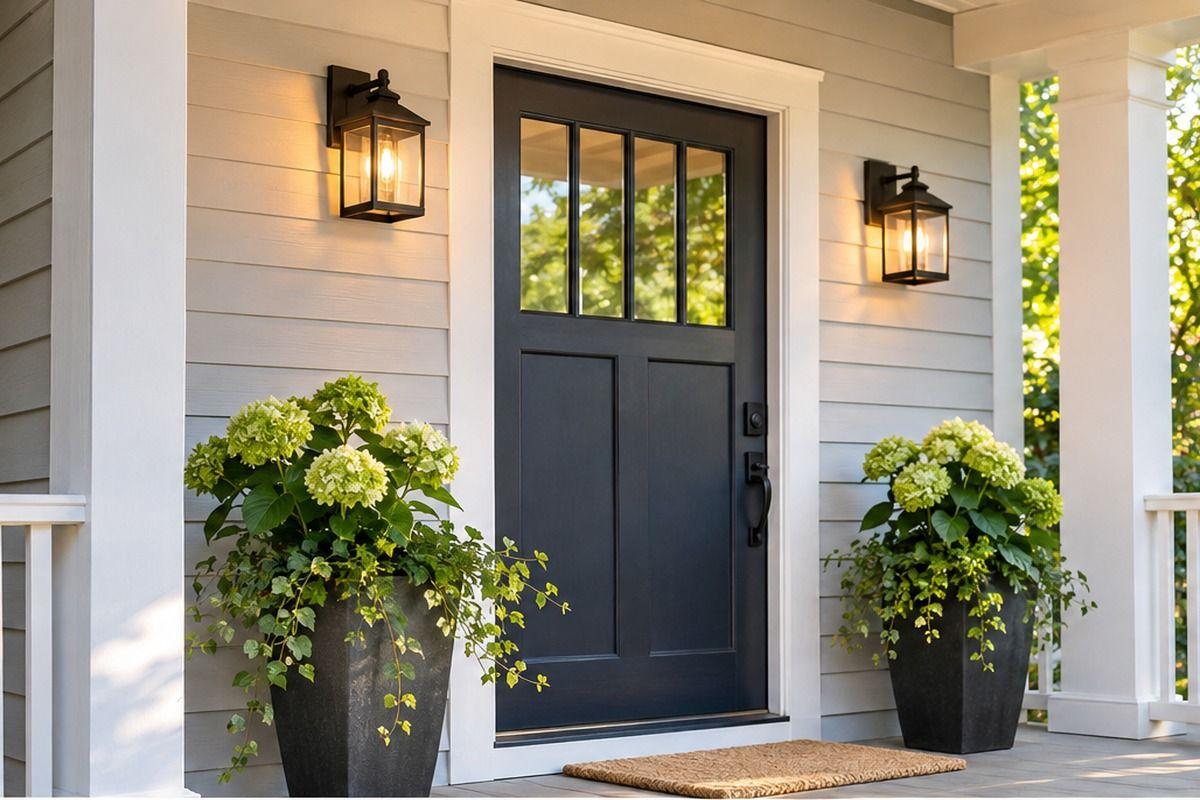
The front entry creates the first impression of the property. A clean door, working hardware, attractive lighting, and tidy planting can make the exterior feel cared for without a full landscaping project.
Start by washing the door and surrounding trim. If the finish is worn, repaint or refinish it using products appropriate for the door material and local weather. Tighten loose handles, replace damaged weatherstripping, clean the porch light, and make sure house numbers are visible.
Next, sweep the porch and walkway, remove weeds, prune dead growth, and define garden edges. A few climate-appropriate plants in well-maintained containers can add color without creating a high-maintenance landscape. Keep plants away from siding, vents, walkways, and utility equipment.
Why it can be worthwhile: Curb appeal influences how buyers perceive a home before they enter. A maintained entry supports the impression that the property has been looked after.
DIY level: Beginner to intermediate.
Avoid: Covering rot, water intrusion, damaged framing, or security problems with paint. Correct the underlying issue first. Call the appropriate utility-locating service before digging.
2. Refresh Interior Paint and Lighting
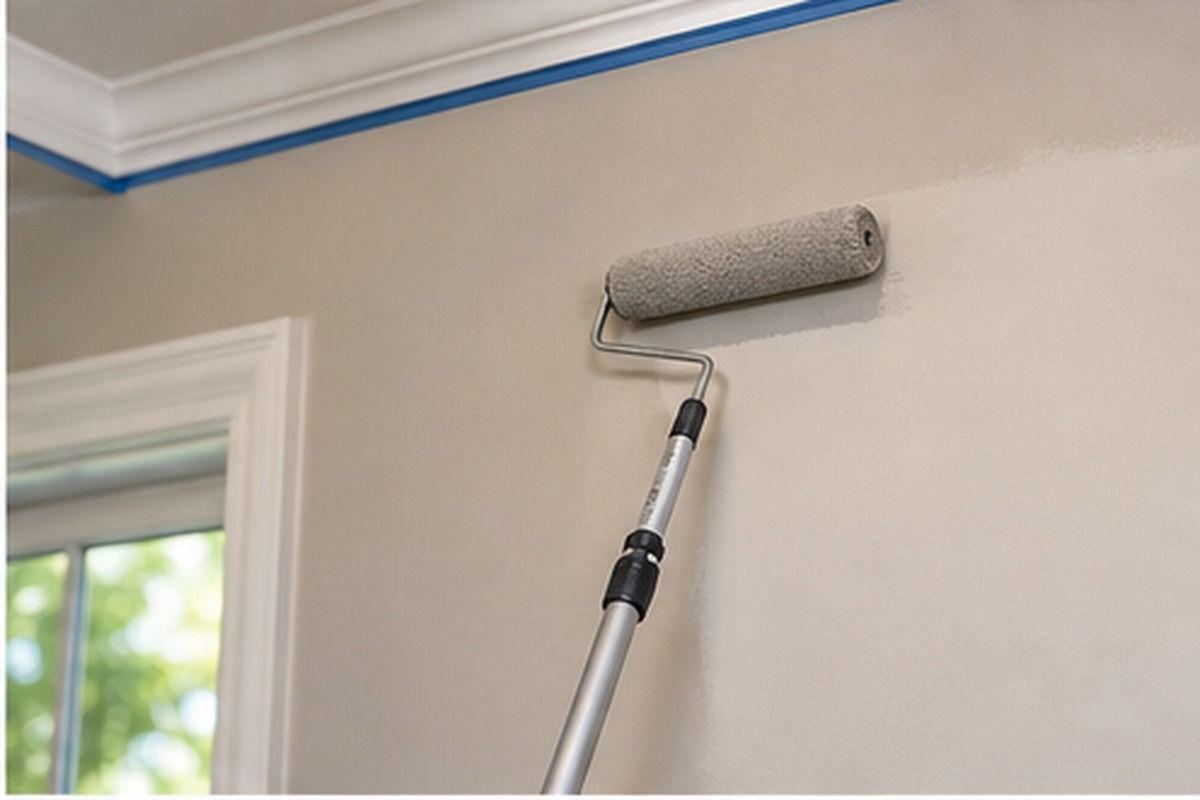
Fresh paint is one of the most accessible ways to change how a home feels. Scuffed walls, marked hallways, and faded rooms can make a property look tired even when the underlying structure is sound.
Prioritize the entry, living room, kitchen, hallways, and primary bedroom. Warm white, soft beige, light greige, and muted gray are relatively easy to coordinate with different furniture styles. Prepare surfaces carefully: clean walls, fill small holes, sand repairs, protect floors and trim, and use primer where needed.
Lighting is another relatively simple improvement. Replace burned-out bulbs with compatible options, clean dusty fixtures, and add a lamp to a dark corner. Use a consistent color temperature in connected spaces. Under-cabinet lighting can make kitchen counters more practical, but new wiring and relocated fixtures should be handled by a qualified electrician.
Why it can be worthwhile: Clean paint and balanced lighting help rooms look maintained and make the home's features easier to see.
DIY level: Beginner for painting and bulb replacement; professional for new wiring.
Avoid: Painting over active leaks, dampness, or suspected mold. Older homes may contain lead-based paint. Follow EPA lead-safe guidance and use qualified professionals where required.
3. Make Small Kitchen and Bathroom Updates
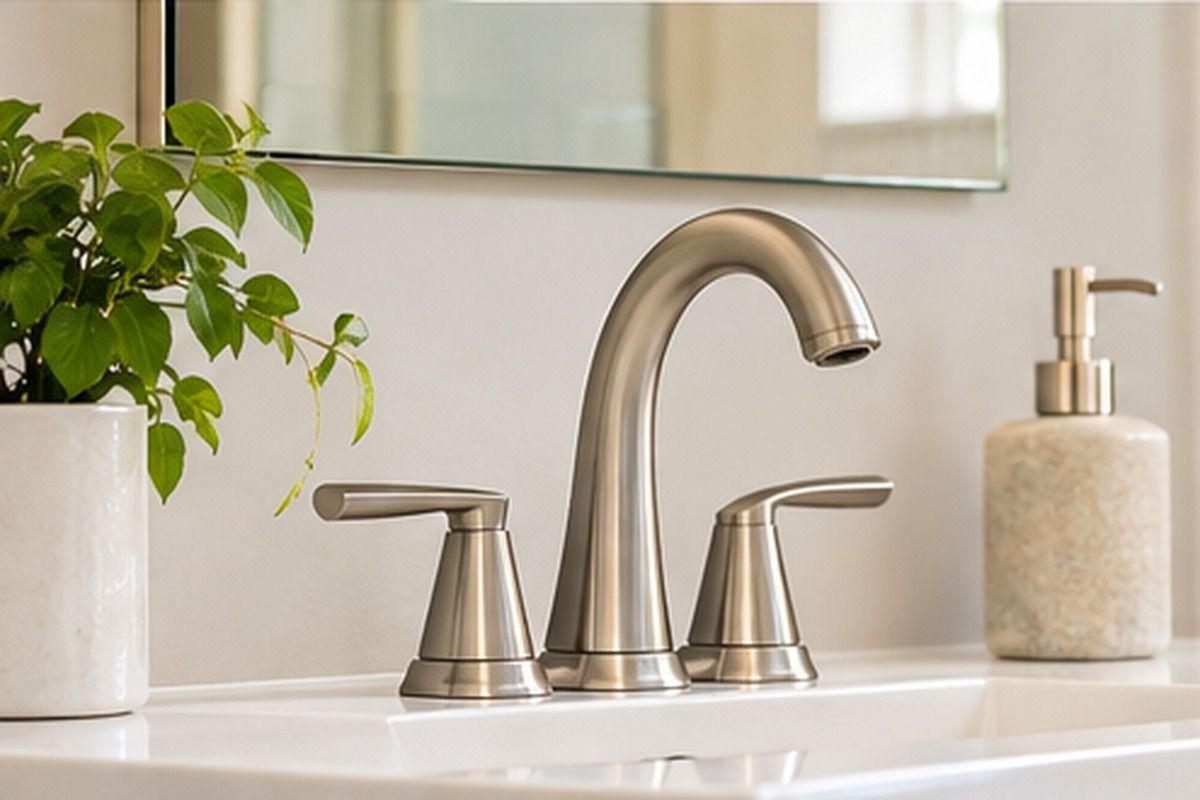
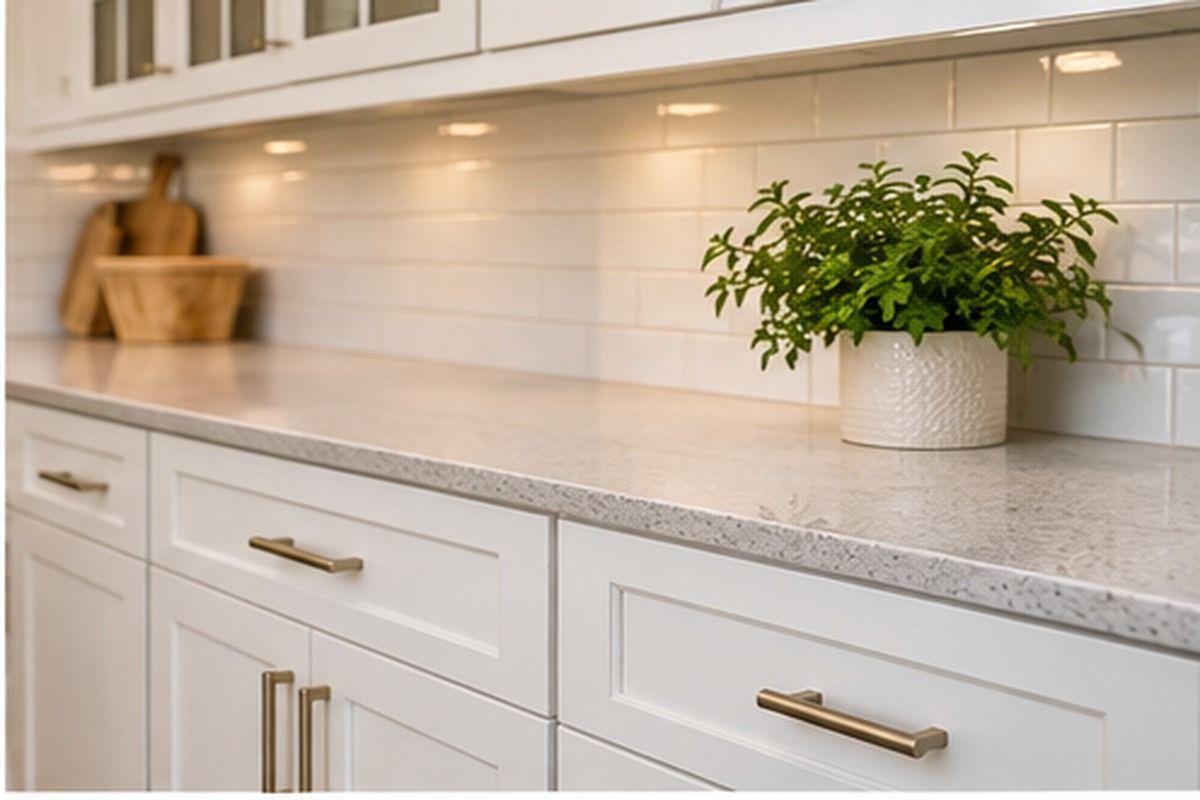
Kitchens and bathrooms are important to buyers, but a full renovation is not always necessary. If the layout and major fixtures work, smaller updates may improve the room's appearance for less money.
In the kitchen, replace worn cabinet knobs and pulls with coordinated hardware. Measure existing hole spacing before ordering. Clean cabinet fronts, tighten hinges, adjust misaligned doors, and clear excess items from counters. If cabinet boxes are swollen or water-damaged, hardware alone will not solve the problem.
In the bathroom, consider a new showerhead, towel bar, toilet seat, mirror, or cabinet pulls. Choose finishes that coordinate with existing fixtures. Check faucet connections, mounting-hole configuration, and product instructions before buying replacements.
Why it can be worthwhile: Buyers notice whether these high-use rooms feel clean, functional, and maintained. Small repairs can address visible wear without paying for a complete remodel.
DIY level: Beginner to intermediate, depending on the fixture.
Avoid: Hiding leaks, failed waterproofing, soft flooring, or water damage behind new accessories. Plumbing changes may require a licensed professional and permits.
4. Improve Comfort With Weatherstripping and Storage
Worn weatherstripping around exterior doors can allow drafts and make rooms uncomfortable. Inspect the door perimeter for cracked seals, gaps, or damaged sweeps. Select compatible replacement material, measure carefully, and follow the manufacturer's installation instructions.
For windows, inspect operable seals and exterior caulking. Do not block drainage paths or required ventilation openings. Persistent drafts may indicate a larger insulation or installation problem.
Simple storage improvements can also make a home more functional. A sturdy garage shelf, closet organizer, laundry shelf, or entryway hook rail can reduce clutter. Measure the space first, use materials rated for the expected load, and secure wall-mounted systems to suitable framing or anchors. Keep electrical panels, vents, shutoffs, and mechanical equipment accessible.
Why it can be worthwhile: Better air sealing may improve comfort and reduce avoidable energy loss. Organized storage helps rooms function and appear more usable.
DIY level: Beginner for weatherstripping and basic organizers; intermediate for attic work.
Avoid: Sealing combustion-air openings or covering equipment clearances. Attic insulation and air sealing can involve hazards; seek professional advice if you encounter suspect insulation, complex wiring, or combustion appliances.
5. Refresh a Deck or Small Outdoor Living Area
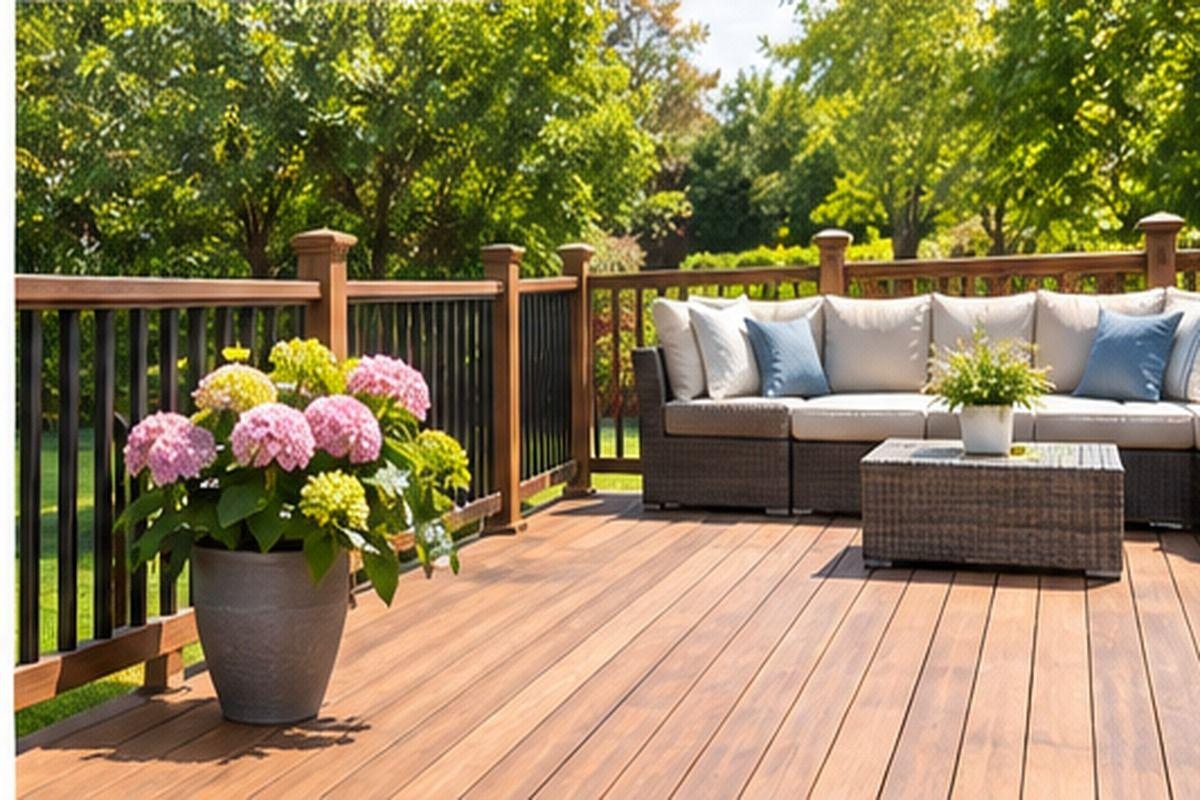
A deck or patio can extend the usable living space, especially when it is clean, safe, and easy to maintain.
Begin with an inspection. Look for loose boards, protruding fasteners, unstable railings, soft wood, and signs of water damage. Clean the surface with a product suitable for the material. If the wood needs a new finish, follow the stain or sealant manufacturer's preparation and application instructions.
Once repairs are complete, define the area with a small table, a few chairs, and healthy potted plants. Keep the layout open enough for people to move around comfortably. A modest, tidy outdoor area is usually more useful than an overcrowded deck filled with accessories.
Why it can be worthwhile: A maintained outdoor area can improve buyer appeal and make the property feel more versatile.
DIY level: Beginner for cleaning and styling; intermediate for refinishing; professional for structural repairs.
Avoid: Covering structural damage with stain. Deck framing, stairs, guardrails, and attachment points should be repaired properly and inspected when their condition is uncertain.
Which Projects Should You Prioritize?
If your budget is limited, use this order as a practical starting point:
- Fix active leaks, safety issues, and visible damage.
- Clean, declutter, and improve the front entry.
- Refresh worn paint, lighting, and hardware.
- Address drafts and simple storage problems.
- Improve outdoor areas after confirming they are structurally sound.
This is not a universal ROI ranking. It is a way to avoid spending money on decorative work while more important defects remain unresolved.
How to Decide Whether a DIY Project Is Worth Doing
Before buying materials, write down the problem the project will solve and estimate the full cost. Include tools, delivery, disposal, permits, and any professional help. Consider how long the work will take and whether you have the skills to complete it safely.
Compare your home with similar properties in the neighborhood. If nearby homes have modest kitchens, installing premium custom cabinetry may not be a sensible resale investment. If the entry is visibly neglected, a modest refresh may be a better use of the budget.
Keep receipts, warranties, permits, and before-and-after photographs for meaningful improvements. Documentation does not guarantee a higher valuation, but it can help you explain what work was completed.
DIY Work That Should Usually Be Left to Professionals
Painting, basic landscaping, cabinet hardware, simple shelving, and compatible weatherstripping are common homeowner projects. Other tasks carry greater risks.
Electrical modifications, gas lines, structural deck repairs, roof work, major plumbing changes, waterproofing, and work involving hazardous materials may require licensed tradespeople, permits, or specialist equipment. Check local codes and manufacturer instructions before starting. A project being described online as DIY does not mean it is safe or permit-free in your area.
Projects That May Not Deliver a Good Return
Highly customized rooms, luxury finishes in a modest home, major layout changes, and decorative upgrades that do not address a real need can be poor choices when resale is the main goal. Cosmetic work should never be used to hide water damage, unsafe wiring, structural defects, or other material problems.
A useful rule is to choose improvements that are appropriate for the property's price range, solve a genuine issue, and can be completed properly without overspending.
Frequently Asked Questions
What DIY home improvement project has the highest return?
There is no single project with the highest return for every home. National remodeling reports often show strong cost recovery for selected exterior replacement projects, but those projects are not necessarily DIY tasks. For smaller budgets, prioritize visible maintenance, fresh paint, curb appeal, and repairs that solve genuine problems.
Does painting increase home value?
Fresh paint can improve presentation and help a home feel maintained. Its effect on resale value depends on the home's condition before painting, workmanship, buyer preferences, and comparable properties. It is not a guaranteed dollar-for-dollar increase.
Are DIY projects worth doing before selling?
They can be, particularly when they address obvious maintenance issues or improve the first impression. Prioritize low-cost work that fits the property and avoid major upgrades without local market evidence.
Which DIY projects are suitable for beginners?
Cleaning, decluttering, painting small rooms, replacing cabinet hardware, basic landscaping, and some weatherstripping tasks are common beginner projects. Always check safety requirements. Electrical, gas, structural, and complex plumbing work should be referred to qualified professionals.
Do energy-efficient upgrades increase home value?
Energy improvements can improve comfort and reduce operating costs, but the value recognized by buyers varies. The result depends on the home's starting condition, local energy costs, climate, documentation, and buyer priorities.
Should I renovate my kitchen or bathroom before selling?
Not automatically. A full renovation can be expensive, and the amount recovered varies. If the rooms are functional, smaller improvements such as repairs, cleaning, updated hardware, and better lighting may be more sensible.
Final Thoughts
The DIY projects with the strongest practical value are often the ones that make a home feel clean, safe, comfortable, and well maintained. A welcoming entry, fresh paint, updated hardware, balanced lighting, better weatherstripping, organized storage, and a tidy deck can improve the way a property functions and presents.
A high financial return is never guaranteed. Choose projects based on your home's actual needs, your skill level, and the expectations of buyers in your area. Repair defects before decorating, keep records of meaningful improvements, and avoid expensive upgrades that do not fit the neighborhood.
The smartest project is the one that solves a genuine problem, is completed properly, and costs less than the benefit it reasonably provides.
Sources
- Zonda: 2025 Cost vs. Value Report. Checked November 7, 2026
- Journal of Light Construction: 2025 Cost vs. Value Report Key Trends. Checked November 7, 2026
- U.S. Department of Energy: Energy Saver. Checked November 7, 2026
- ENERGY STAR: Home Improvement. Checked November 7, 2026
- U.S. Environmental Protection Agency: Renovation, Repair and Painting Program. Checked November 7, 2026
- Call 811 Before You Dig. Checked November 7, 2026
Share this article
Get new guides by email
Practical home articles and free resources. No spam, and you can unsubscribe at any time.
Keep reading
Budget Kitchen Remodel Ideas: High-ROI Upgrades That Make a Noticeable Difference
Explore budget kitchen remodel ideas that improve appearance, function and resale appeal. Learn where to spend, where to save and which upgrades to skip.
November 2026, 12 min read
Best Living Room Paint Colors for Resale Value
Discover the best living room paint colors for resale value, including pale blue, sage green, warm white, greige and charcoal. Learn how to choose buyer-friendly shades.
November 2026, 13 min read
Easy Bathroom Upgrades to Increase Home Value
Explore 12 easy bathroom upgrades that can improve home value and buyer appeal, from modern faucets and lighting to better storage and ventilation.
November 2026, 13 min read