Cheapest States to Buy a House With Low Property Taxes
Compare affordable U.S. states with low property taxes, approximate home prices, annual tax examples, insurance considerations, and tips for choosing where to buy.
By Home Crane Editors. . 9 min read.
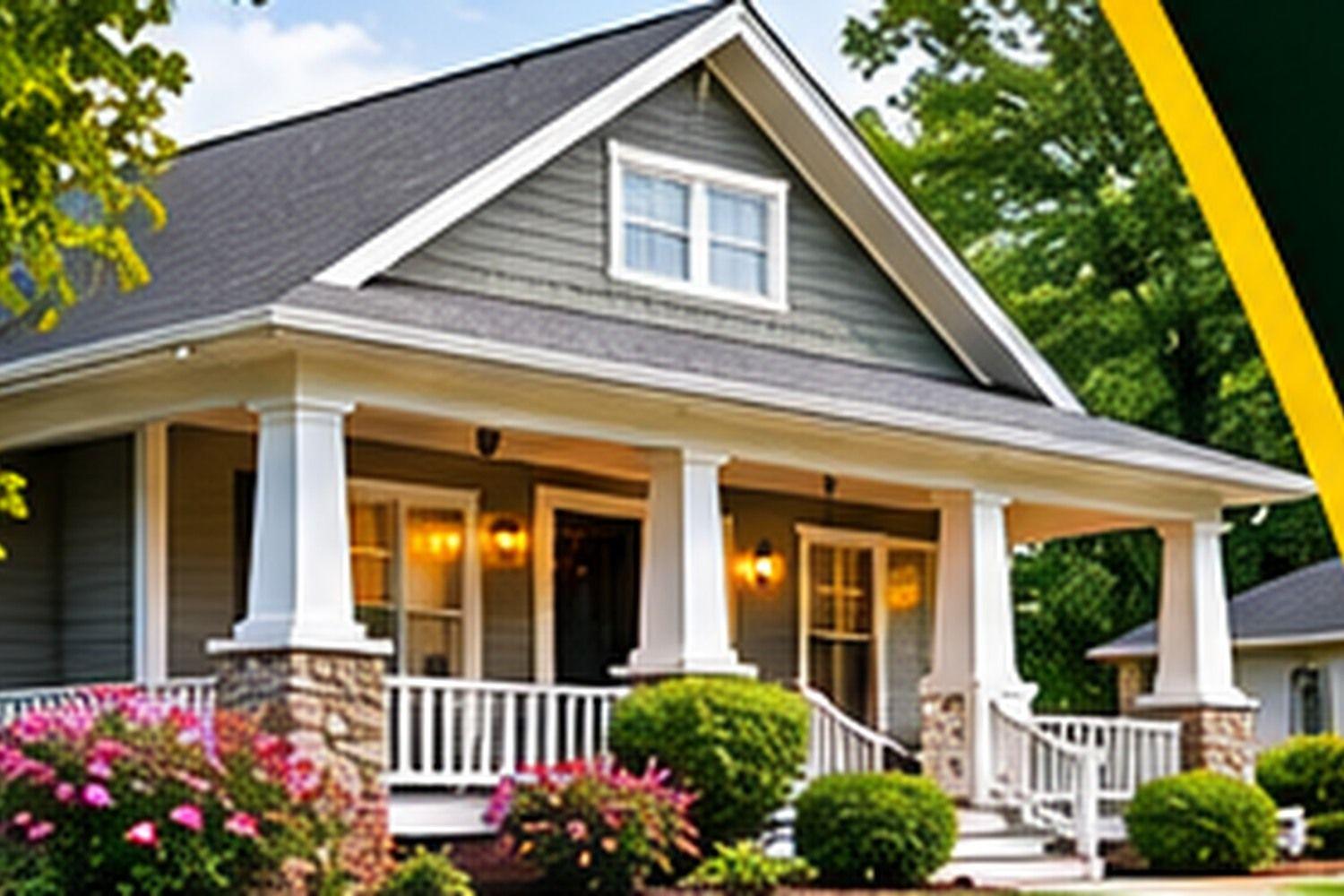
Buying a home is about more than finding the lowest asking price. Property taxes, homeowners insurance, maintenance, utilities, and local costs all affect what a house really costs to own. A state with inexpensive homes can still become costly if its tax rate or insurance premiums are high.
For buyers trying to balance purchase price with recurring property taxes, several Southern and Appalachian states deserve a closer look. West Virginia, Mississippi, Arkansas, and Alabama stand out for relatively affordable housing, while Louisiana, South Carolina, and Tennessee offer comparatively low effective property tax rates. Kentucky and Oklahoma can also appeal to buyers who put more weight on the initial purchase price.
This guide compares nine states using approximate 2026 home-price figures where available and effective property tax rates from published state comparisons. State averages are starting points, not a substitute for checking the county, city, school district, and specific property you may buy.
How to compare home prices and property taxes
An effective property tax rate estimates annual property taxes as a share of a home's value. For a simple illustration, a 0.50% effective rate on a $200,000 home would equal about $1,000 per year. Your actual bill may be higher or lower because local tax districts, assessed values, exemptions, and assessment rules differ.
The home-price estimates below are approximate state-level figures reported in Opendoor's 2026 affordability comparison for the states where it provides them. Effective tax rates are rounded figures from the Tax Foundation's 2026 state and county property-tax comparison. The sources use different datasets and methods, so the figures should be treated as a screening guide, not a precise apples-to-apples quote.
At-a-glance comparison
| Feature | Approx. median home price | Effective property tax rate | Illustrative annual tax on $200,000 |
|---|---|---|---|
| West Virginia | $148,000 | 0.51% | $1,020 |
| Mississippi | $177,000 | 0.60% | $1,200 |
| Arkansas | $189,000 | 0.57% | $1,140 |
| Alabama | $220,000 | 0.37% | $740 |
| Louisiana | Varies by market | 0.54% | $1,080 |
| South Carolina | Varies by market | 0.51% | $1,020 |
| Tennessee | Varies by market | 0.56% | $1,120 |
| Kentucky | $210,000 | 0.76% | $1,520 |
| Oklahoma | $195,000 | 0.80% | $1,600 |
1. West Virginia

West Virginia is one of the strongest choices when low purchase prices and low property taxes are both priorities. Opendoor's 2026 affordability comparison places its approximate median home price near $148,000, the lowest in its top-ten list. The Tax Foundation's effective rate is about 0.51%. Charleston, Huntington, and Morgantown are useful starting points for comparing neighborhoods, employment access, healthcare, and property condition. Smaller markets can be especially inexpensive, but investigate local job options, population trends, broadband availability, and resale demand.
Approximate home-price indicator: about $148,000. Effective property tax rate: 0.51%. Illustrative annual tax on a $200,000 home: $1,020.
What to investigate: Compare county-level tax bills, insurance quotes, property condition, and local services before choosing a neighborhood.
2. Mississippi
Mississippi combines relatively low home prices with a property tax rate below the national average. Opendoor estimates a median home price near $177,000 in its 2026 comparison, while the Tax Foundation's effective rate is about 0.60%. Hattiesburg, selected Jackson suburbs, and parts of the Gulf Coast may be worth comparing. Gulf Coast homes need careful insurance and flood-risk review; also compare employment, schools, infrastructure, and maintenance costs.
Approximate home-price indicator: about $177,000. Effective property tax rate: 0.60%. Illustrative annual tax on a $200,000 home: $1,200.
What to investigate: Compare county-level tax bills, insurance quotes, property condition, and local services before choosing a neighborhood.
3. Arkansas
Arkansas offers a low-cost housing market and an effective property tax rate around 0.57% in the Tax Foundation comparison. Opendoor's 2026 state table puts its approximate median home price near $189,000. Little Rock, Fort Smith, and the Northwest Arkansas corridor around Bentonville and Rogers offer different combinations of affordability, jobs, and amenities. Growing communities may cost more than rural areas. Check storm exposure, roof condition, drainage, and homeowners insurance.
Approximate home-price indicator: about $189,000. Effective property tax rate: 0.57%. Illustrative annual tax on a $200,000 home: $1,140.
What to investigate: Compare county-level tax bills, insurance quotes, property condition, and local services before choosing a neighborhood.
4. Alabama
Alabama stands out for particularly low property taxes. The Tax Foundation lists an effective rate around 0.37%, among the lowest in the country. Opendoor's 2026 affordability table estimates a median home price near $220,000. Birmingham, Montgomery, and selected areas around Huntsville and Mobile offer different price points and job markets. Local taxes and insurance can vary, and coastal or storm-exposed properties deserve extra due diligence. Check homestead exemption eligibility and county assessment rules.
Approximate home-price indicator: about $220,000. Effective property tax rate: 0.37%. Illustrative annual tax on a $200,000 home: $740.
What to investigate: Compare county-level tax bills, insurance quotes, property condition, and local services before choosing a neighborhood.
5. Louisiana

Louisiana can offer relatively affordable homes and an effective property tax rate around 0.54%. New Orleans, Baton Rouge, Shreveport, and smaller communities have very different housing markets and risk profiles. The biggest issue for many buyers is not the tax rate but insurance, flood exposure, wind coverage, and the age or condition of the home. Request insurance quotes early, review flood maps, and ask about past water intrusion.
Approximate home-price indicator: varies by market. Effective property tax rate: 0.54%. Illustrative annual tax on a $200,000 home: $1,080.
What to investigate: Compare county-level tax bills, insurance quotes, property condition, and local services before choosing a neighborhood.
6. South Carolina
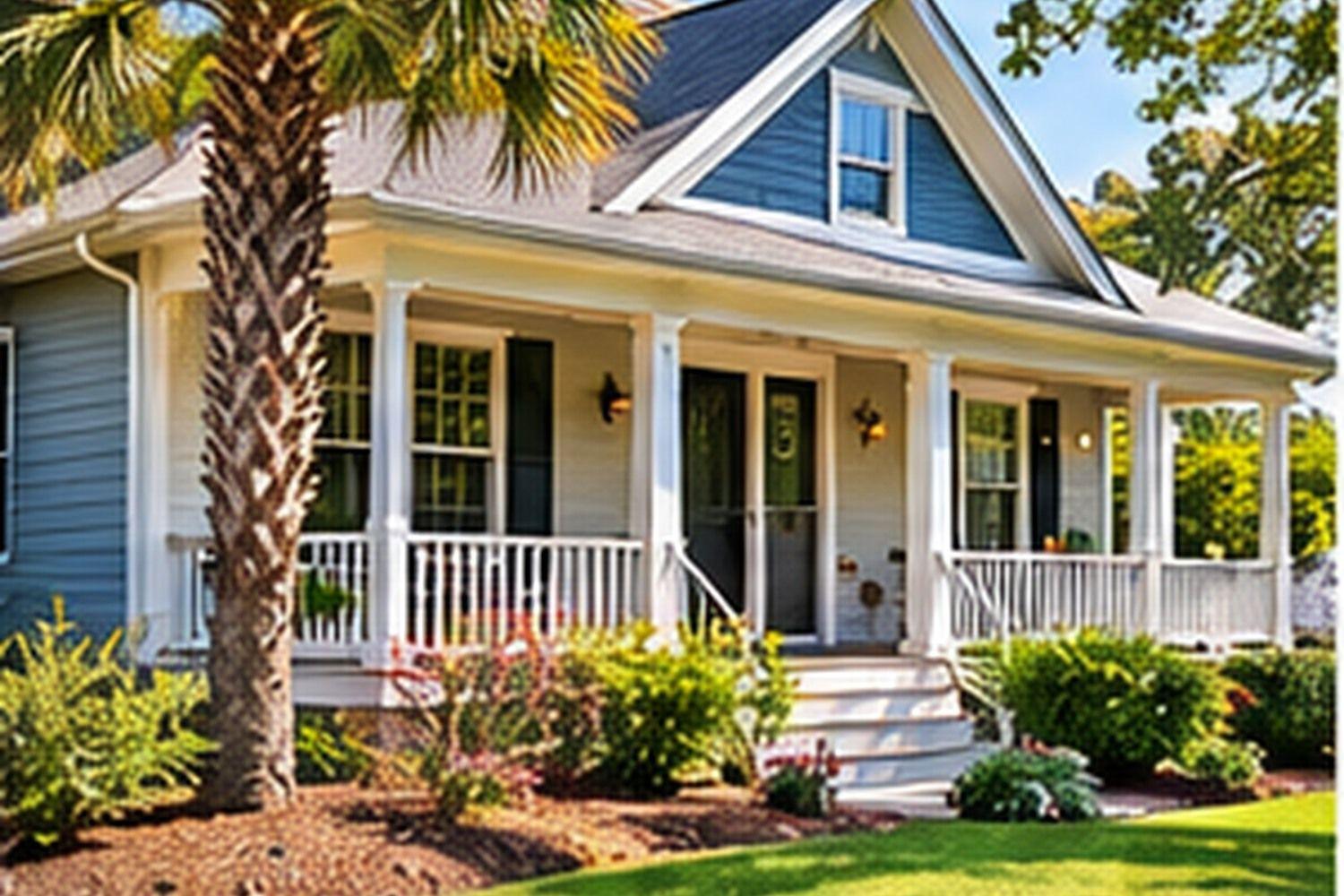
South Carolina is attractive to buyers who want a relatively low property tax rate. The Tax Foundation's effective rate is around 0.51%. Greenville, Spartanburg, Columbia, and smaller inland communities are worth comparing. Owner-occupied homes may receive different assessment treatment from second homes or investment properties, so confirm the applicable rules with the county assessor. Coastal homes can have different insurance and storm-risk costs from inland properties.
Approximate home-price indicator: varies by market. Effective property tax rate: 0.51%. Illustrative annual tax on a $200,000 home: $1,020.
What to investigate: Compare county-level tax bills, insurance quotes, property condition, and local services before choosing a neighborhood.
7. Tennessee
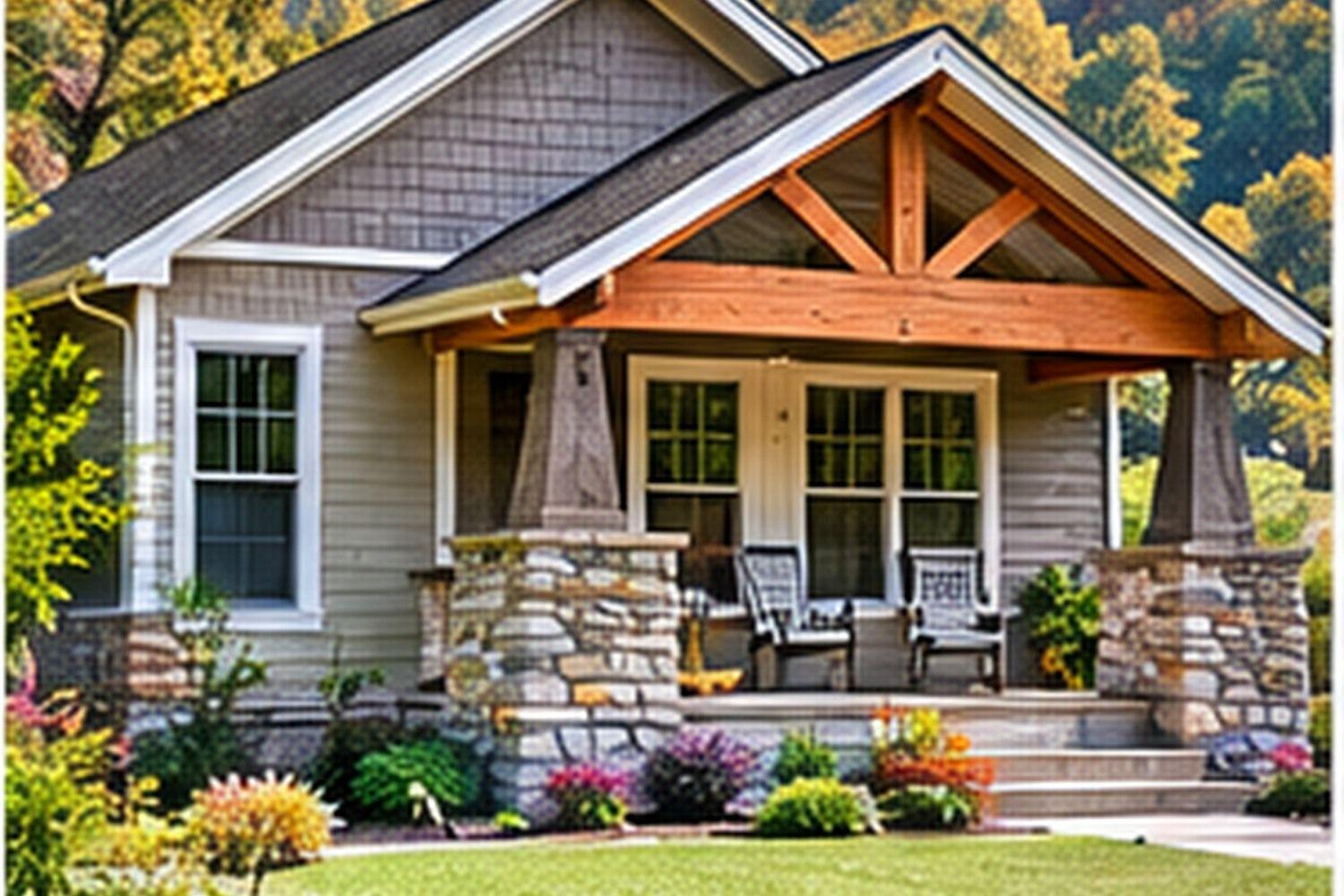
Tennessee's effective property tax rate is around 0.56% in the Tax Foundation comparison, making it worth considering for buyers looking beyond the lowest-price states. Memphis, Knoxville, Chattanooga, and smaller towns differ considerably in home prices and employment options. The lack of a broad state tax on wage income may matter to some households, but it does not make every location inexpensive. Compare local property taxes, sales taxes, insurance, and home prices together.
Approximate home-price indicator: varies by market. Effective property tax rate: 0.56%. Illustrative annual tax on a $200,000 home: $1,120.
What to investigate: Compare county-level tax bills, insurance quotes, property condition, and local services before choosing a neighborhood.
8. Kentucky
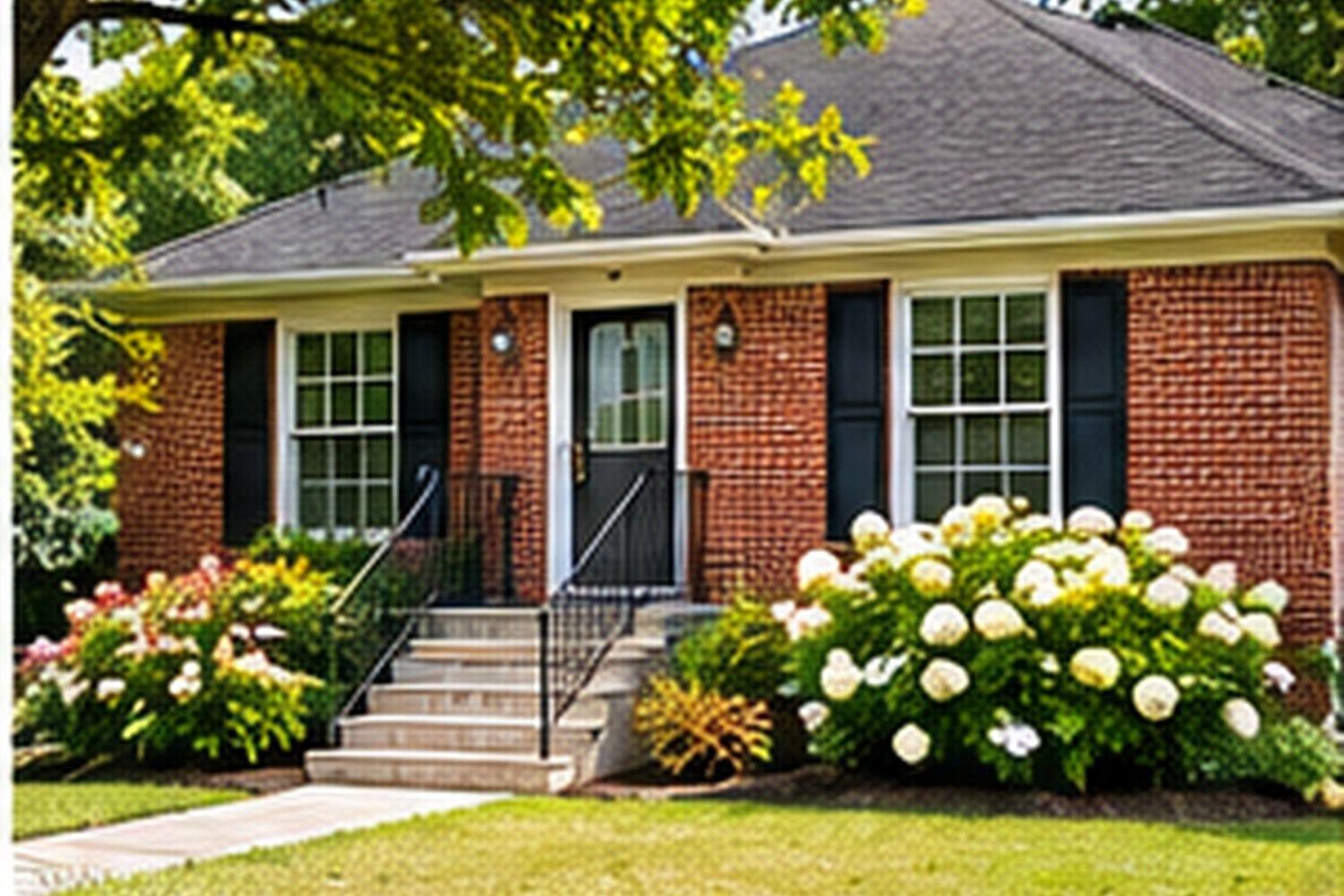
Kentucky is included because its housing prices can be relatively accessible, although its effective property tax rate is higher than several states in this list. Opendoor's 2026 comparison estimates a median home price near $210,000, while the Tax Foundation rate is about 0.76%. Louisville, Lexington, and Bowling Green offer different job markets and housing stock. It can be a good price-led option, but buyers focused strictly on the lowest tax bill may prefer Alabama, West Virginia, or South Carolina.
Approximate home-price indicator: about $210,000. Effective property tax rate: 0.76%. Illustrative annual tax on a $200,000 home: $1,520.
What to investigate: Compare county-level tax bills, insurance quotes, property condition, and local services before choosing a neighborhood.
9. Oklahoma
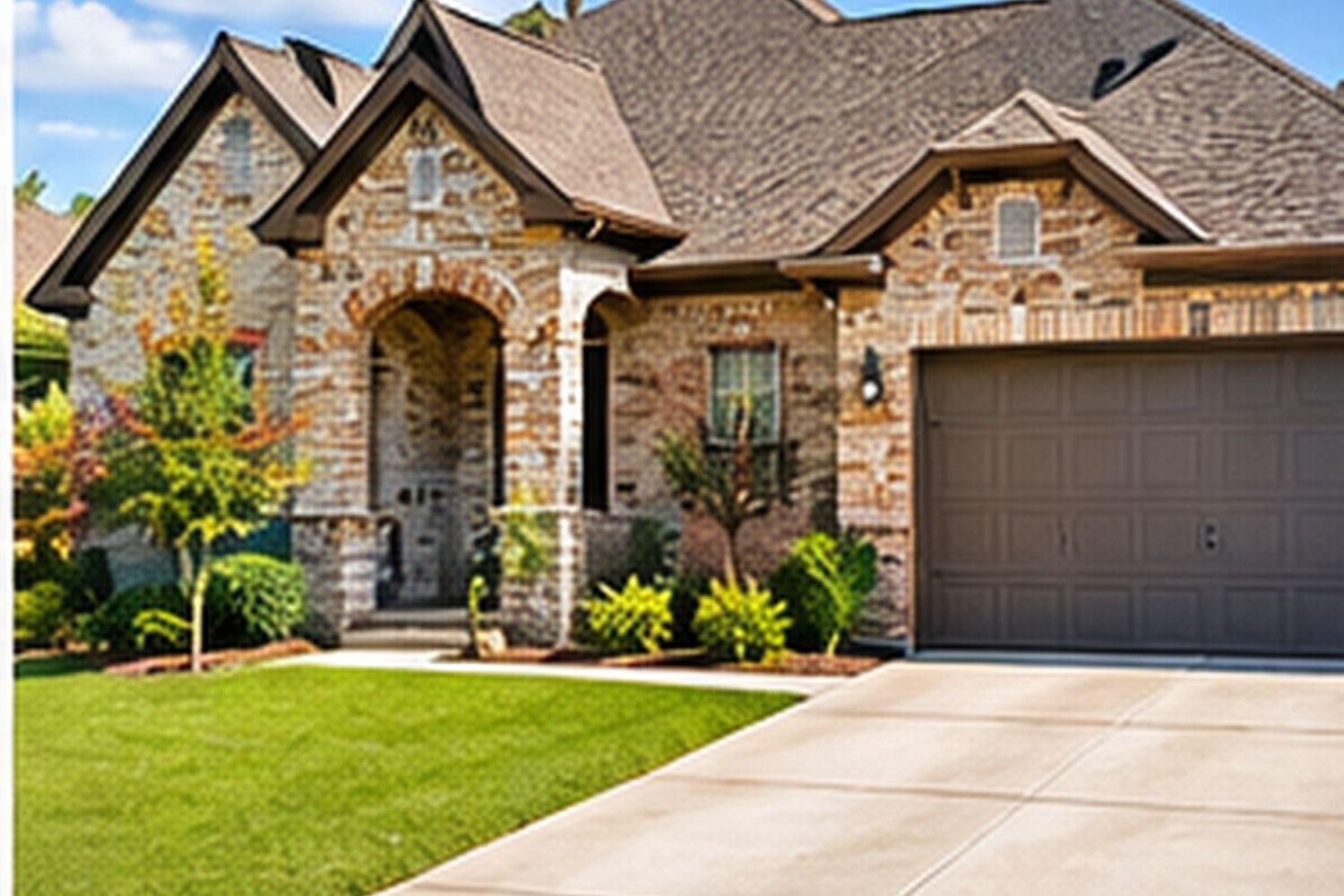
Oklahoma has relatively affordable housing, with Opendoor estimating a median price near $195,000 in its 2026 comparison. Its effective property tax rate, about 0.80% in the Tax Foundation data, is higher than the lowest-tax states here. Oklahoma City, Tulsa, and Norman offer varied housing and employment options. Severe weather and tornado exposure can influence insurance costs and property resilience. Check roof age, storm damage history, and insurance availability before buying.
Approximate home-price indicator: about $195,000. Effective property tax rate: 0.80%. Illustrative annual tax on a $200,000 home: $1,600.
What to investigate: Compare county-level tax bills, insurance quotes, property condition, and local services before choosing a neighborhood.## Which state has the best combination of low prices and low property taxes?
For a buyer prioritizing both factors, West Virginia, Mississippi, Arkansas, and Alabama are strong places to begin. West Virginia has the lowest approximate home-price figure in the Opendoor comparison, while Alabama has the lowest effective tax rate among the states discussed here. Arkansas and Mississippi sit between those two on price and tax measures.
The best choice depends on the home and county. A moderately priced home in a growing employment market may be a better long-term purchase than a cheaper property in an area with limited services, declining demand, or expensive insurance.
Hidden costs to check before buying
Homeowners insurance
Insurance can change the affordability calculation quickly. Coastal exposure, hail, tornadoes, wind, wildfire, and older roofs can affect premiums or coverage availability. Get a property-specific quote before the inspection period ends, and compare deductibles and exclusions rather than looking only at the premium.
Flood and storm risk
Review official flood maps, drainage, local storm history, and the property's elevation. Ask about prior water intrusion and claims. A low purchase price is not a bargain if the property has recurring flood damage or requires expensive mitigation.
Local property tax rules
Property taxes are generally levied by local governments, not set as one uniform statewide bill. Check the county assessor and tax collector for the exact parcel, current assessed value, millage or levy, and any special assessments. Confirm whether a homestead exemption applies and whether the tax amount could change after a sale or reassessment.
Employment and resale demand
Look beyond the listing price. Check commuting distances, healthcare, schools, broadband, local employers, population trends, and the number of comparable homes selling nearby. These factors can influence both day-to-day convenience and future resale prospects.
Repairs and maintenance
Older homes can have aging roofs, plumbing, electrical systems, foundations, HVAC equipment, or drainage issues. Budget for a professional inspection and obtain specialist evaluations when the inspection identifies concerns. Include likely repairs in your total purchase budget.
How to estimate the property tax on a home
A quick estimate can help compare locations:
Estimated annual property tax = home value × effective property tax rate
For example, if a home is valued at $200,000 and the effective rate is 0.60%, the simple estimate is $1,200 per year. Divide that by 12 for a rough monthly budgeting figure of $100.
This calculation is only a screening tool. The county may assess the home differently from its purchase price, and exemptions or local levies can change the final bill. Ask the county assessor or tax collector for the parcel's current and estimated post-purchase tax amount.
Frequently asked questions
What is the cheapest state to buy a house in the United States?
West Virginia is frequently ranked among the cheapest states by median home value. Opendoor's 2026 comparison estimates its median home price at about $148,000, followed by Mississippi and Arkansas. Prices vary substantially by city, neighborhood, and property condition.
Which state has the lowest property taxes?
Alabama is among the states with the lowest effective property tax rates. The Tax Foundation's 2026 comparison places its effective rate around 0.37%. Hawaii's statewide rate is lower, but home prices there are much higher, so a low rate does not automatically mean a low total cost of ownership.
Is West Virginia a good state for affordable homeownership?
It can be, especially for buyers who prioritize a low purchase price and low recurring property taxes. However, employment access, population trends, broadband, healthcare, weather exposure, and resale demand should be checked for the specific town or county.
Are property taxes lower in Alabama or Mississippi?
Alabama generally has a lower effective property tax rate. In the cited comparison, Alabama is around 0.37%, while Mississippi is around 0.60%. The actual amount owed depends on the property value, local levies, and any exemptions.
Can property taxes increase after buying a house?
Yes. Assessments, local tax rates, special assessments, and changes in eligibility for exemptions can affect future bills. Ask the county assessor how a transfer of ownership may affect the property's assessed value and tax calculation.
Should I choose a state based only on property taxes?
No. Compare the purchase price, property taxes, insurance, maintenance, utilities, employment access, and local services. A low tax rate cannot compensate for every other cost or risk.
Final thoughts
The cheapest state to buy a house is not always the one with the lowest property tax rate. West Virginia, Mississippi, and Arkansas offer low home-price indicators, while Alabama stands out for its particularly low effective property tax rate. Louisiana, South Carolina, and Tennessee are also worth investigating, depending on local home prices and insurance costs.
Before making an offer, compare the exact property tax bill, obtain an insurance quote, review local hazards, and arrange a thorough inspection. A careful county-level comparison will give you a much more realistic picture of affordability than a state ranking alone.
Sources
- Tax Foundation: Property Taxes by State and County. Checked November 7, 2026
- Opendoor: Cheapest States to Buy a House in 2026. Checked November 7, 2026
- U.S. Census Bureau: American Community Survey. Checked November 7, 2026
- FEMA Flood Map Service Center. Checked November 7, 2026
- Consumer Financial Protection Bureau. Checked November 7, 2026
Share this article
Get new guides by email
Practical home articles and free resources. No spam, and you can unsubscribe at any time.
Keep reading

How to Organize Property Tax Documents at Home: 10 Filing Ideas That Keep Everything Easy to Find
Organize property tax bills, receipts, assessment notices and escrow records with 10 practical home filing ideas, digital folders and a simple tracker.
November 2026, 8 min read
How to Factor Property Taxes Into Your First Home Wishlist
When you start searching for your first home, it is easy to focus on the listing price, the number of bedrooms, the kitchen, and the neighborhood. But...
November 2026, 9 min read
How to Appeal Your Property Tax Assessment
You can generally appeal the assessed value behind your property tax bill, not the tax rate itself. Here is the typical process, the evidence that carries weight, and the deadlines that make or break an appeal.
September 2026, 3 min read