DIY Porch Railing Makeover Ideas on a Budget
Refresh a tired porch railing on a budget with practical DIY paint, stain, hardware and style ideas—plus essential safety and code checks.
By Home Crane Editors. . 10 min read.
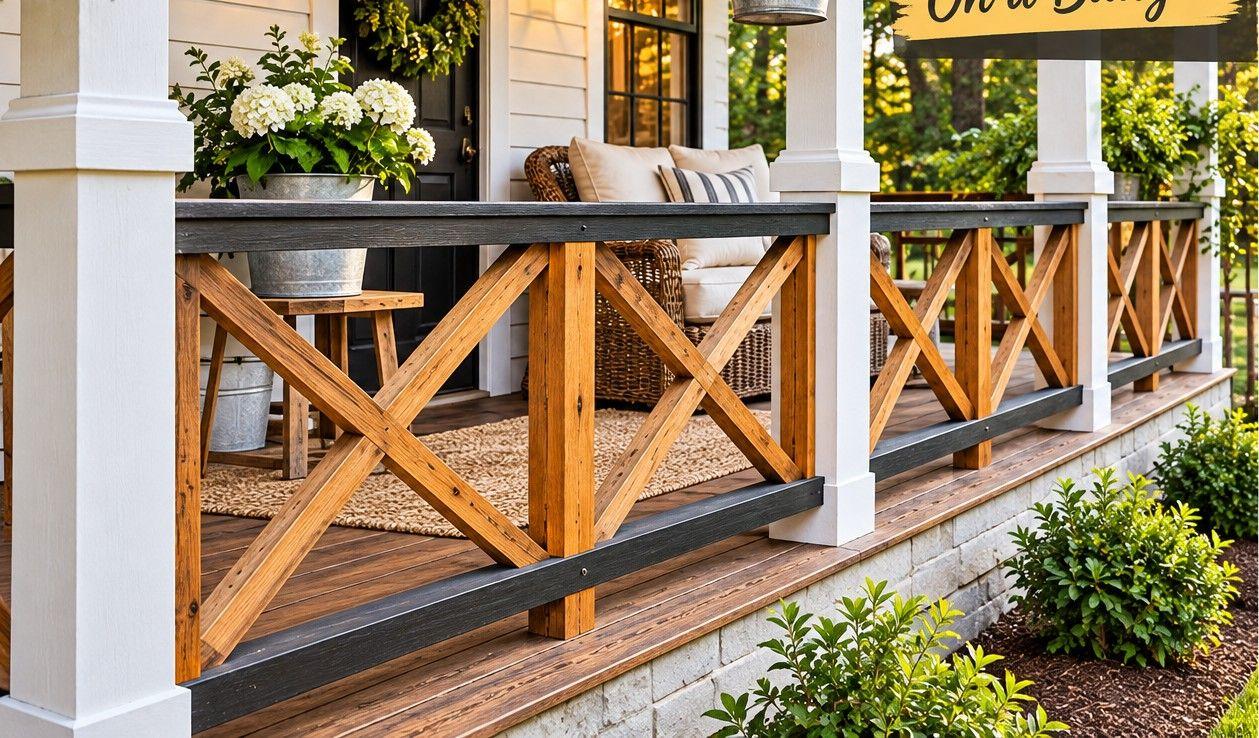
A porch railing can change the entire look of a home's entrance. Even when the porch is small, an old, faded or visually dated railing can make the exterior feel tired. The good news is that a fresh look does not always require a full replacement. Cleaning, repairing, painting, updating the top rail or adding a carefully chosen detail can make a noticeable difference while keeping costs under control.
The most important rule is to treat the railing as a safety feature first and a decorating feature second. Porch guards help prevent falls, so never remove balusters, loosen posts, reduce required height or change the infill just to achieve a certain look. Before starting, check local building requirements and the condition of the structure. If the railing is loose, rotten, corroded or damaged, repair the underlying problem before applying a cosmetic finish.
1. Give the existing railing a thorough clean
The least expensive makeover may be a deep clean. Dirt, mildew, pollen and weather staining can make a railing look older than it is. Identify the material-painted wood, stained wood, vinyl, aluminum, steel or composite-and use a cleaning method recommended for that surface. For many painted or sealed surfaces, a soft brush, mild detergent and water are a sensible starting point. Rinse carefully and allow everything to dry. Avoid aggressive pressure washing that can damage wood fibers, force water into joints or strip paint.
Once clean, inspect every post, connection, fastener and baluster. Cleaning often reveals cracks, rust, peeling paint or soft wood that needs attention before decorating.
2. Refresh the railing with a new paint color
Paint can transform a sound railing at a relatively low cost. Classic white looks crisp against a darker exterior, black creates a modern outline, and deep charcoal offers a softer alternative. Muted green, warm gray or earthy brown can complement farmhouse and cottage homes.
Choose primer and topcoat designed for the railing's material and outdoor exposure. Wood, galvanized metal, aluminum and previously painted surfaces may require different preparation and coatings. Follow the product label for cleaning, sanding, priming, temperature, drying time and recoating. Do not paint over active rust, peeling layers or deteriorating wood. Address corrosion, rot and moisture first.
Mask nearby siding and decking, protect plants, and allow the coating to cure fully before putting furniture or décor back against the railing.
3. Stain a weathered wood railing
If the railing is made from sound wood, a fresh stain can bring back its natural grain. Warm cedar, honey brown, walnut and semi-transparent natural tones work well with farmhouse, craftsman and traditional homes. A darker stain can make pale siding and white trim stand out.
Check whether the old finish is stain, paint or clear sealer. The new product must be compatible with the existing surface. Remove failing finish and prepare the wood as directed by the manufacturer. Test the color in an inconspicuous area because wood species, age and previous coatings affect the result. Use an exterior-rated stain intended for the specific wood and exposure.
4. Paint the balusters a contrasting color
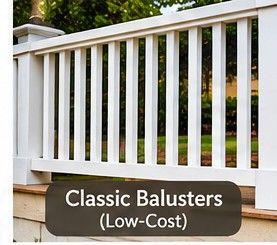
A two-tone railing can look custom without replacing the whole assembly. Keep the top and bottom rails in a warm wood stain and paint vertical balusters black, or use white rails with a darker baluster color for a crisp traditional look.
The contrast works best when it repeats another exterior detail, such as window frames, shutters, light fixtures or the front door. Confirm that the baluster material accepts the coating and prepare every surface properly. Paint cannot disguise damaged or undersized components; spacing, attachment and strength still need to meet applicable requirements.
5. Replace only the worn top rail when appropriate
The top rail is one of the most visible parts of a porch railing. If it is weathered but the posts, balusters and supporting structure are sound, replacing only the cap or top rail may cost less than rebuilding the entire assembly.
This is not simply a trim swap. The top rail may contribute to structural performance, and its connections need to be secure. Use a compatible product and fastening method designed for the system. If the existing rail is part of a manufactured metal or composite system, check the manufacturer's replacement parts and instructions. A new decorative cap cannot correct a weak guard.
6. Add a farmhouse X-brace look with a compliant system
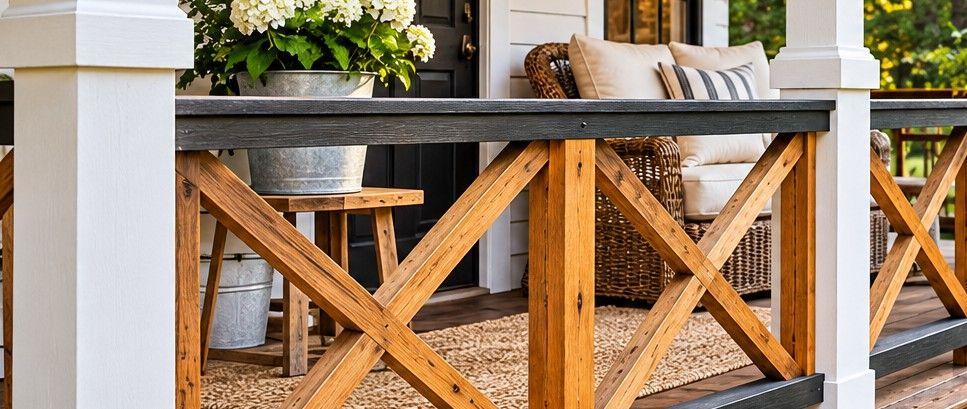
Cross-brace details can give a porch a farmhouse or craftsman feel. The look may be achievable through a purpose-designed infill panel or a complete railing system engineered for the intended use.
Do not simply screw decorative boards across an existing guard and assume the result is safe. Added members can create climbable footholds, change opening sizes or interfere with required guard performance. The completed assembly must meet local rules for height, openings, loads and attachment. Consider a manufacturer-approved panel kit or ask a qualified carpenter to adapt the design while preserving safety.
7. Consider a horizontal-slat style carefully
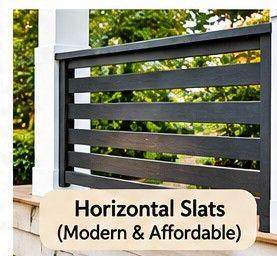
Horizontal lines create a clean, contemporary appearance, especially with dark metal or natural wood. However, horizontal members can be easier to climb, and may be restricted or unsuitable in some locations, particularly where young children may be present.
Before choosing this style, check local code requirements and the specific conditions for your porch. Do not convert a compliant vertical-baluster guard into a horizontal design without confirming that the new assembly is permitted and safe. A code-compliant manufactured panel may offer a similar visual effect.
8. Install compatible metal balusters
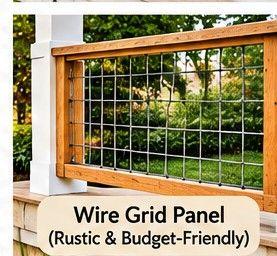
If the current railing has old or damaged balusters but the posts and rails are suitable, a compatible baluster replacement kit may offer a fresh look. Black metal balusters can modernize a wood railing, while simple square or round profiles suit traditional homes.
Use components designed for the exact railing system. Confirm spacing, attachment depth, corrosion resistance and compatibility with the existing rails. Avoid improvised fittings or loose decorative inserts. If rails are split, posts move or connection points are deteriorated, replacing balusters alone is not enough.
9. Refresh posts with simple trim details
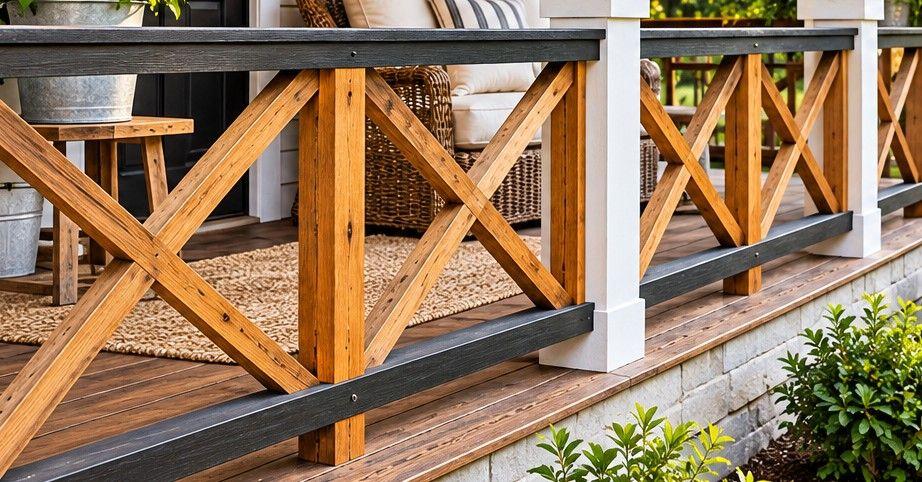
Sound porch posts can look more substantial with carefully designed trim at the base or cap. A square post wrap, clean base molding or understated cap can make a basic railing appear more finished.
Use exterior-rated materials and make sure trim does not trap water against the post. Do not cover rot, cracks or failed connections. Decorative wraps should not conceal fasteners that need inspection. Keep the profile in proportion to the porch; oversized trim can overwhelm a narrow entrance.
10. Add planter boxes without overloading the railing
Planter boxes bring color and greenery, but they should never be attached casually to a guard. Wet soil and mature plants can be heavy, and wind places additional force on the box and fasteners.
Use freestanding planters where possible. If you want a railing-mounted planter, select a product designed for the railing type and confirm that the guard and mounting system can safely support the filled weight. Keep drainage away from wood joints and metal connections. A coordinated pair of lightweight containers can add color without crowding the walkway.
11. Use lighting to highlight the railing
Lighting can make a porch feel welcoming after dark and draw attention to a fresh finish. Consider a suitable wall lantern near the entry, low-voltage step lighting or a properly rated outdoor lighting system.
Do not attach wiring or fixtures in a way that damages the guard or creates a hazard. Use products rated for the location and follow installation instructions. Hardwired changes should be completed by a qualified electrician where required. Battery-powered lanterns offer decorative ambience without wiring, but keep them stable and away from the walking route.
12. Update visible hardware and fasteners
Rusty or mismatched hardware can make an otherwise attractive railing look neglected. Where the system allows it, replacing exposed fasteners with compatible corrosion-resistant hardware can improve appearance and durability.
Use the fastener type, size and material specified for the railing and substrate. Stainless steel, hot-dip galvanized and coated fasteners are not interchangeable in every environment. Do not swap structural bolts or connectors for ordinary deck screws. If a connection is loose or corroded, identify why it failed and use the correct repair detail.
13. Coordinate the railing with the exterior color scheme
Sometimes the railing needs only a modest update. Coordinate its color with the front door, trim, shutters, porch ceiling or outdoor furniture. A black railing can connect with dark door hardware; a warm wood rail can echo a porch ceiling or front door stain.
Limit the palette to two or three main exterior colors. Test paint or stain samples outdoors at different times of day because sunlight changes how colors appear. A coordinated scheme can make the entire entrance feel more deliberate without a major purchase.
14. Use a freestanding privacy screen where allowed
A decorative privacy panel can change the look of a porch, but it should not be treated as a replacement for a required guard. Consider a freestanding screen placed safely inside the porch instead of attaching a heavy panel to the railing. Check wind exposure and stability, keep the screen away from steps and door swings, and obtain permission in a rental or shared building.
15. Finish with inexpensive styling details
Once the railing is sound and its finish is complete, a few accessories can make the porch feel refreshed. Try a simple outdoor mat, one or two stable planters, a weather-resistant cushion or a lantern near the door. Repeat the railing's main color in a small accessory for a connected look.
Keep décor off the top rail if it reduces the usable handhold or can fall onto people below. Do not hang heavy baskets from balusters or place objects where they can be used as steps. Leave the walkway and stairs clear.
How to plan a low-budget porch railing makeover
Start by deciding whether the railing needs maintenance, repair or a cosmetic refresh. A sound railing may need only cleaning and paint. Weathered wood may need sanding and stain. A damaged guard may require professional repair or replacement rather than a DIY surface treatment.
Make a materials list after measuring the railing. Include cleaning supplies, preparation materials, primer, finish coat, masking supplies and replacement components if needed. Compare the cost of repairing the existing system with a compatible replacement kit. Buying the cheapest coating or hardware can become expensive if it fails early.
Work in suitable weather and follow product instructions. Protect nearby plants and surfaces, use appropriate personal protective equipment, and keep children and pets away until coatings and repairs are complete.
Safety and building-code checks before you start
Porch railings and guards are fall-protection features. Requirements vary by location, building type, porch height, adopted code edition and project scope. In the United States, the locally adopted residential or building code determines requirements such as when a guard is needed, its height, opening limitations, structural loading and attachment.
Before changing the design, check with your local building department or a qualified contractor. This is especially important if you plan to change baluster spacing, add horizontal members, install cable or wire infill, attach planters, alter posts or replace the top rail. A decorative makeover should never make a guard easier to climb or less capable of resisting loads.
If the railing moves when pushed, has rotted posts, corroded connectors, cracked rails or loose balusters, stop and address the structural issue first. Do not rely on paint, trim or decorative boards to strengthen a failing assembly.
Common budget makeover mistakes to avoid
- Painting before inspecting: Find rot, corrosion and loose connections before covering the surface.
- Using interior paint or stain: Select products made for the material and outdoor exposure.
- Ignoring preparation: Dirt, loose coating and moisture can cause premature finish failure.
- Changing baluster spacing casually: Opening limits and guard requirements depend on local code.
- Adding heavy planters to the guard: Confirm the railing and attachment can safely carry the load.
- Using decorative screws for structural connections: Follow the railing system's specified hardware.
- Treating a style trend as a safety design: Horizontal, rope or cable details need careful code and product checks.
Frequently asked questions
What is the cheapest way to update a porch railing?
If the railing is structurally sound, cleaning it and applying a suitable exterior paint or stain is often among the least expensive options. Repair damaged components before finishing.
Can I paint my porch railing black?
Yes, if the existing material and coating are suitable for repainting. Clean and prepare the surface, use a compatible primer and exterior-rated finish, and follow the manufacturer's instructions.
Are horizontal porch railings safe?
They may be permitted in some situations, but horizontal members can create climbable footholds. Check local code and the railing system's tested design before installing them, especially where children may use the porch.
Can I attach planter boxes to my porch railing?
Only if the planter and mounting system are designed for that railing and the guard can support the filled weight and wind forces. Freestanding planters are often a simpler option.
Should I replace or repair an old porch railing?
A sound railing with cosmetic wear may only need cleaning, paint or stain. Loose posts, rot, corrosion, cracked rails or failed connections require proper repair or replacement. If unsure, have it inspected by a qualified professional.
Do I need a permit to replace a porch railing?
Permit requirements vary by jurisdiction and scope. Contact your local building department before changing the guard design, height, structural components or attachment details.
Sources
- International Code Council: Codes and Standards. Checked November 7, 2026
- U.S. Consumer Product Safety Commission. Checked November 7, 2026
- U.S. Environmental Protection Agency: Lead Renovation, Repair and Painting Program. Checked November 7, 2026
- U.S. Department of Housing and Urban Development: Healthy Homes. Checked November 7, 2026
- U.S. Occupational Safety and Health Administration. Checked November 7, 2026
Share this article
Get new guides by email
Practical home articles and free resources. No spam, and you can unsubscribe at any time.
Keep reading
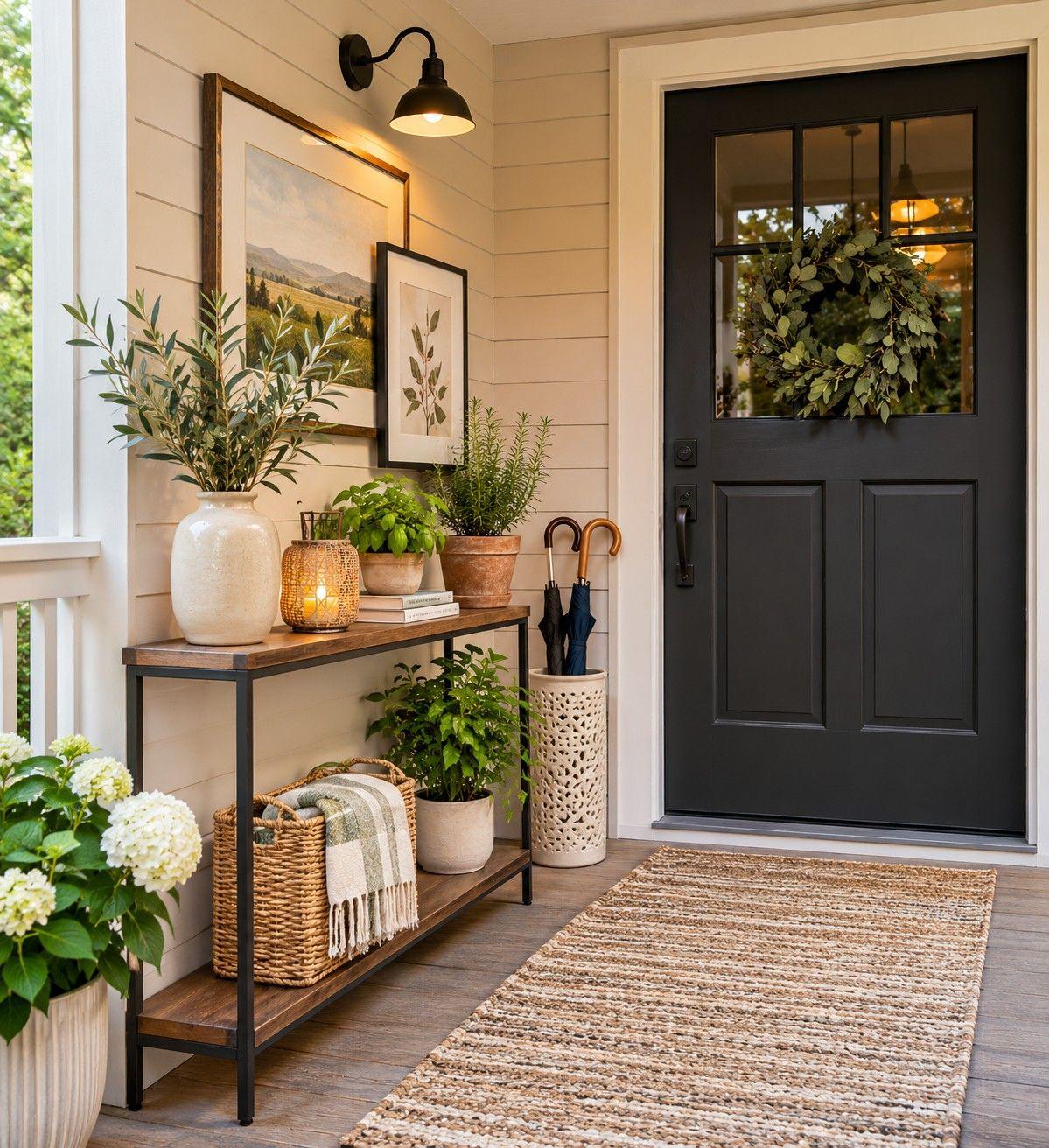
Small Front Porch Decorating Ideas for a Cozy Setup
Make a tiny entry feel welcoming with 15 small front porch decorating ideas, from slim seating and layered rugs to planters, warm lighting and renter-friendly touches.
November 2026, 12 min read
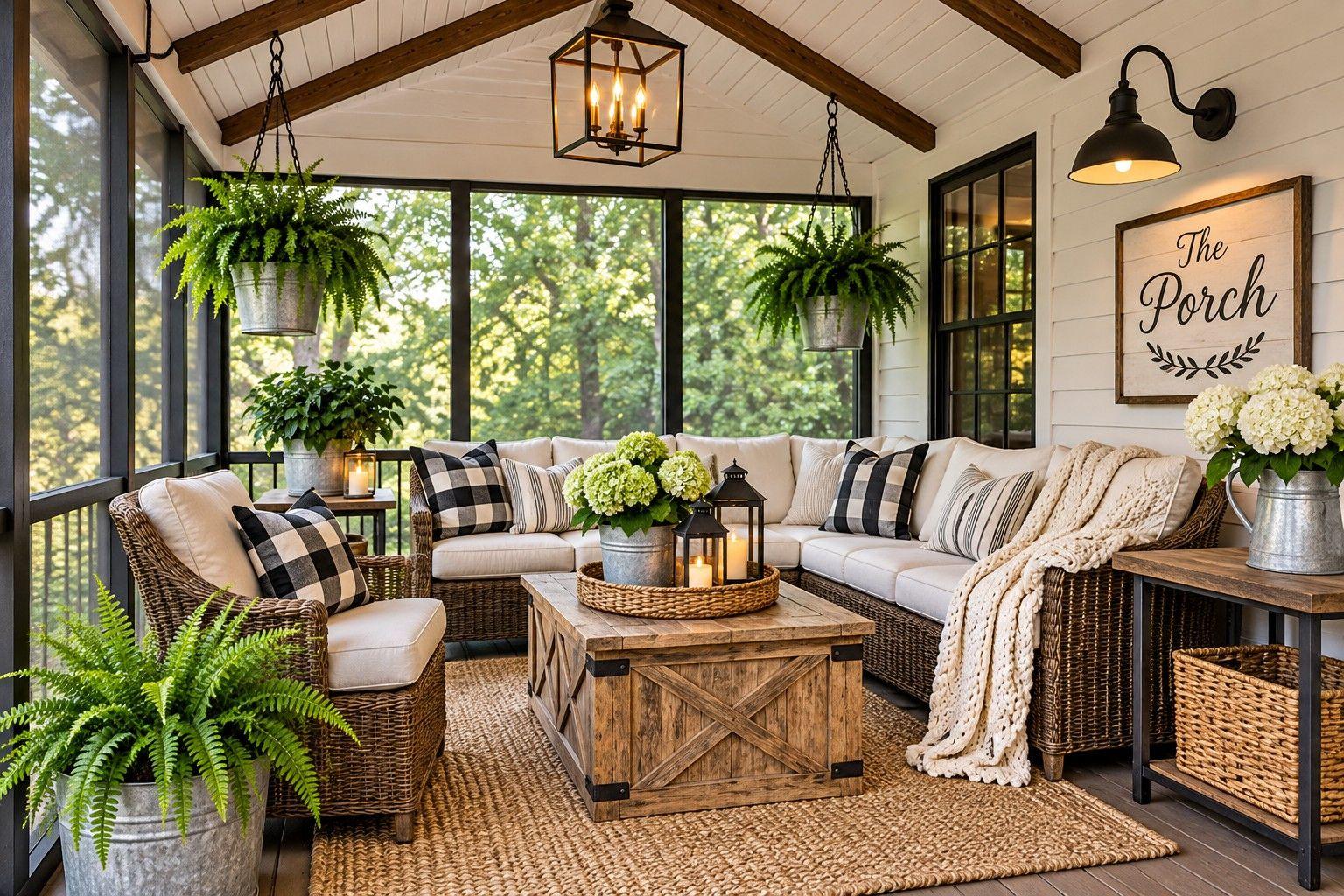
Screened In Porch Ideas: Farmhouse Style for a Cozy, Welcoming Retreat
Create a cozy farmhouse screened-in porch with wicker seating, rustic wood, warm lighting, layered rugs, greenery and practical decorating ideas.
November 2026, 8 min read
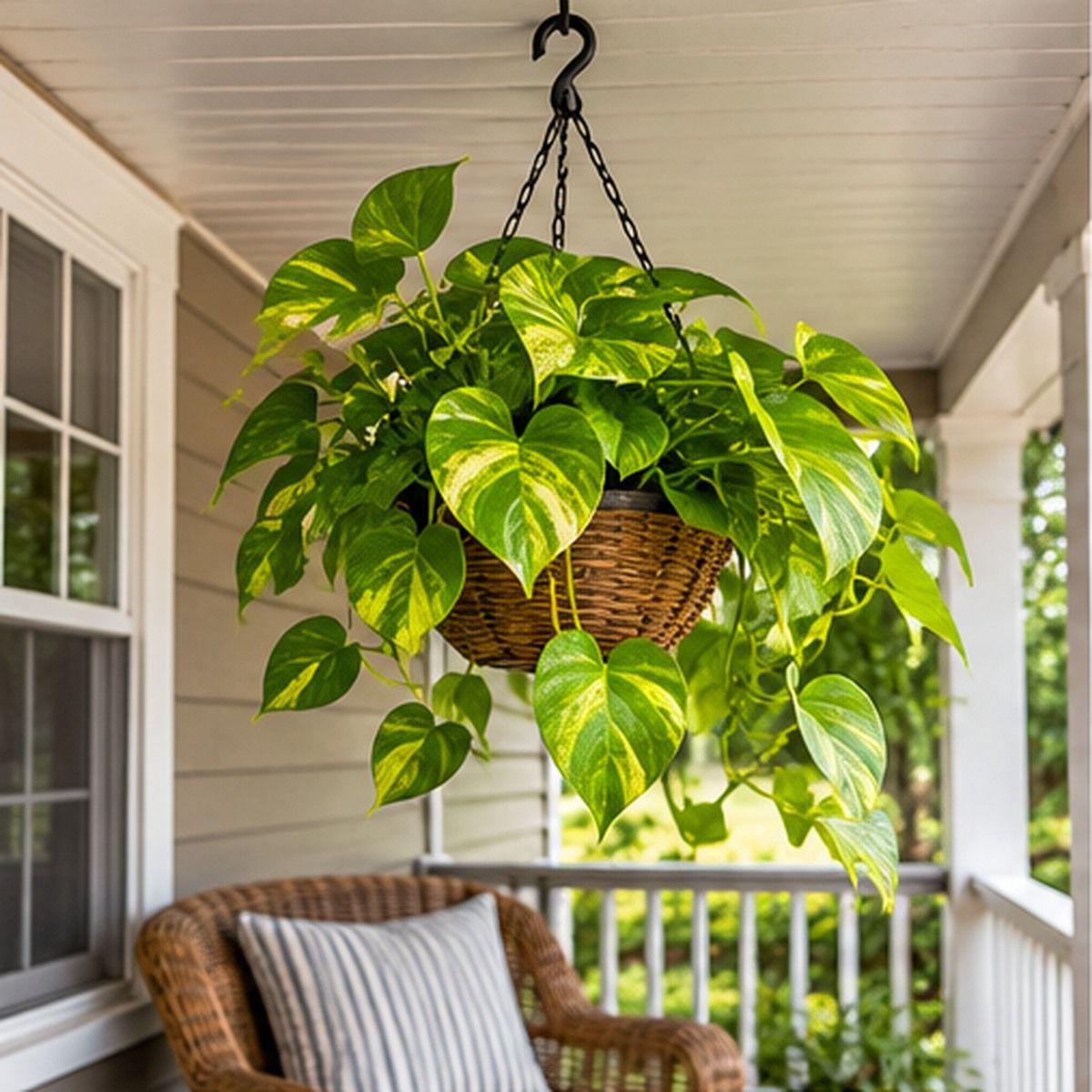
Best Hanging Plants for a Low-Ceiling Porch
Discover the best hanging plants for a low-ceiling porch, plus compact basket ideas, shade-friendly choices, safe hanging tips, and easy care advice.
November 2026, 11 min read