11 Modern Moody Dining Room Lighting Ideas To Try
Discover 11 modern moody dining room lighting ideas, from statement pendants and ring chandeliers to wall sconces, cove lighting, and warm layered accents.
By Home Crane Editors. . 8 min read.
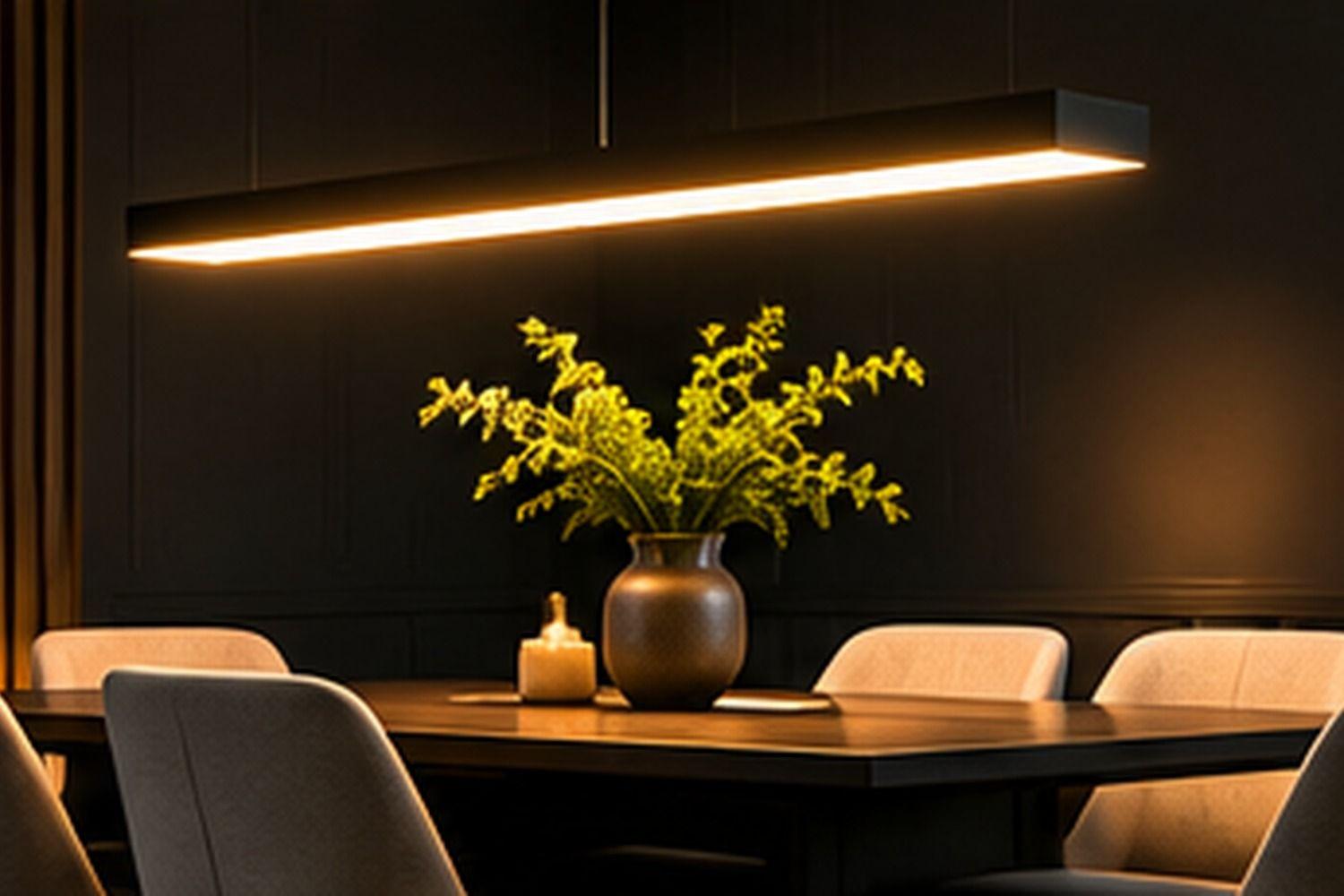
The right lighting can make a dining room feel intimate, dramatic, and inviting. In a modern moody space, the goal is not simply to make the room darker. It is to balance shadow and warmth with enough useful light for meals, conversation, and everyday tasks. The best results usually come from combining a statement fixture with softer layers around the room.
Modern moody dining rooms often use deep wall colors, natural wood, dark metal, textured finishes, and warm accents. Lighting helps those materials look rich rather than flat. A sculptural pendant can anchor the table, wall sconces can bring depth to the walls, and indirect LED lighting can add a gentle background glow.
These 11 ideas offer inspiration for different room sizes and styles. Before choosing a fixture, consider the dining table's shape, ceiling height, existing electrical points, and the kind of atmosphere you want. For hardwired fixtures or new electrical connections, use a qualified electrician and follow local requirements.
How to plan lighting for a moody dining room
Start with the dining table. The main fixture should relate to the table's shape and size, and it should provide useful light without blocking views across the room. A linear pendant often suits a rectangular table, while a centered chandelier or cluster can work well over a round table.
Next, add at least one secondary light source. Wall sconces, a sideboard lamp, or concealed indirect lighting can soften the contrast between a bright table and dark surrounding walls. Dimmers are especially useful because the room may need brighter light for cleaning or family activities and a gentler setting for dinner.
Finally, think about bulb quality and color temperature. Warm white light often complements dark paint, wood, and brass finishes. Check the fixture's lumen output, beam spread, and dimmer compatibility rather than choosing a bulb based on wattage alone.
1. Statement pendant lighting

A group of dark metal pendants can create a strong focal point above a dining table. Choose shades with a finish that complements the room, such as matte black, aged bronze, or brushed brass. For a balanced look, center the fixture over the table rather than the room itself, and check the fixture maker's recommended hanging height. Use bulbs with a warm color temperature for a softer evening atmosphere. If the fixture is hardwired, have the electrical work completed by a qualified electrician.
Design tip: Hang the fixture in proportion to the table and keep the finish consistent with other metal details.
2. Modern ring chandelier

A ring chandelier adds a sculptural shape while keeping the visual profile relatively open. A single ring can suit a smaller dining area, while two staggered rings can bring more presence to a long table. Look for a dimmable fixture and a compatible dimmer, and confirm that the ceiling support is suitable for the fixture's weight. The clean circular outline works especially well against deep charcoal, olive, or warm brown walls.
Design tip: Use a dimmer to shift the rings from functional light to a subtle evening feature.
3. Sleek linear pendant

A slim linear pendant is a natural fit for a rectangular dining table. It distributes light along the length of the surface and can look especially striking in a room with dark walls and restrained decor. Check the fixture's light distribution and output so the table is illuminated without creating harsh glare. A dimmer lets the room shift from brighter meals and homework to softer evening dining.
Design tip: Align the fixture with the table length and check for even light distribution.
4. Wall sconces for ambience

Wall sconces add a second layer of light and help prevent a dining room from feeling like it depends on one overhead fixture. Place them to frame artwork, a sideboard, or an architectural feature, while respecting the fixture's mounting instructions and local electrical requirements. Up-and-down sconces can create dramatic pools of light on textured or dark walls. Choose shades that diffuse the light comfortably rather than shining directly into diners' eyes.
Design tip: Use sconces to highlight a feature wall while avoiding direct glare.
5. Recessed cove lighting
Indirect cove lighting can make a moody dining room feel warm and architectural. LED tape installed in a purpose-designed cove or profile can wash light across the ceiling without exposing the light source. Use a compatible driver, dimmer, and LED product, and keep the equipment accessible for service. Avoid improvising concealed wiring or placing LED components in an enclosure that does not meet the manufacturer's ventilation requirements.
Design tip: Keep the LED channel and driver accessible for future maintenance.
6. Cluster pendant lights
A cluster of small pendants creates visual movement and can bring a softer, more decorative effect than one large fixture. Varying the drop heights can add dimension, but keep the arrangement coordinated and make sure the pendants do not obstruct sightlines across the table. Consider clear or softly tinted glass with warm LED lamps. Confirm the combined weight and ceiling mounting requirements before installation.
Design tip: Vary the pendant heights carefully and preserve clear sightlines.
7. Backlit wall feature
A softly illuminated wall panel or slatted feature can give a dining room depth without adding another prominent ceiling fixture. Concealed LED strips can be fitted into a purpose-made channel behind a panel or architectural trim, following the product's instructions for heat management, driver access, and mounting. Keep the light source hidden from direct view to avoid glare. A warm backlight works well with timber, textured plaster, or deep painted walls.
Design tip: Choose a diffused glow and conceal the LED source from direct view.
8. Modern statement chandelier
A contemporary chandelier can act as the room's centerpiece. Choose a silhouette that relates to the table: a compact branching design over a round table or a wider horizontal form over a long one. In a moody space, warm metal finishes and diffused bulbs add contrast without making the room feel cold. Check the chandelier's weight, ceiling box rating, installation instructions, and dimmer compatibility before purchase.
Design tip: Check ceiling support and installation requirements before buying a heavy fixture.
9. Table and sideboard accent lighting

A portable table lamp on a sideboard adds a lower point of light that makes the room feel layered and welcoming. Select a lamp with a stable base and a shade that directs light softly across the surface. Rechargeable lamps are useful where a nearby outlet is unavailable, but check runtime, charging access, and product suitability for indoor use. Keep cords tidy and away from walkways, and do not place lamps where they can be knocked over.
Design tip: Use portable accent lamps to add warmth at a lower level.
10. Layered lighting look

The most flexible dining rooms combine several light sources: a central pendant for the table, wall sconces for atmosphere, and a lamp or indirect strip for background glow. Put compatible fixtures on separate controls where practical, so you can adjust the balance for different activities. Layering also helps avoid the flat look that can result from relying on one bright ceiling light. Keep the overall color temperature consistent for a cohesive mood.
Design tip: Control the layers separately where practical for more flexibility.
11. Color-changing mood lighting

Color-changing LED lighting can create a more playful atmosphere for gatherings, but it works best as an adjustable accent rather than the only source of illumination. Consider a subtle amber, muted violet, or deep warm tone behind a sideboard or architectural feature. Choose products with reliable controls and a suitable power supply, and make sure strips are installed in approved channels or mounting locations. For everyday meals, warm white is usually more practical and comfortable.
Design tip: Keep colorful accents subtle and retain a comfortable warm-white setting for daily use.
Choosing the right light color and brightness
For a warm, intimate mood, many homeowners start with warm-white lighting in the approximate 2700K to 3000K range. The exact choice depends on the room's finishes and personal preference. Very warm light can make wood and brass feel richer, while a slightly less warm setting may keep dark paint and artwork looking more neutral.
Brightness matters too. A dining table needs enough light for food and faces to be seen comfortably, but the surrounding room can be softer. Rather than making every fixture equally bright, use layers and dimming to create contrast. Always check whether the LED bulb, fixture, and dimmer are listed as compatible.
Common dining room lighting mistakes to avoid
- Using one fixture for the whole room: A single ceiling light can leave corners dark and make the room feel flat. Add a secondary source where possible.
- Choosing a fixture that is too large: Oversized lights can dominate a small dining area. Measure the table and room before ordering.
- Ignoring glare: Exposed bulbs or poorly aimed wall lights can be uncomfortable from seated positions. Look for diffusers and suitable beam angles.
- Mixing incompatible dimmers and LEDs: Flicker, buzzing, or limited dimming can result. Check compatibility information from the manufacturers.
- Blocking circulation: Pendants and floor lamps should not interfere with movement around chairs, doors, or walkways.
- Installing electrical features without the right expertise: New wiring, hardwired fixtures, and concealed electrical work should be handled by a qualified professional.
Frequently asked questions
What is the best lighting for a moody dining room?
A layered arrangement is often the most versatile: a pendant or chandelier over the table, plus wall sconces, a sideboard lamp, or indirect accent lighting. Dimmers help adjust the mood and brightness.
What color temperature makes a dining room feel cozy?
Warm-white lighting around 2700K to 3000K is a common starting point for a cozy atmosphere. Test samples in the room because wall colors, finishes, and daylight can change how a bulb appears.
Are black fixtures good for a moody dining room?
Yes. Matte black fixtures can blend into dark walls for a subtle look or create contrast against lighter ceilings. Brass, bronze, and warm wood details can soften the overall palette.
Should dining room lights be dimmable?
Dimming is useful because the room serves different purposes. Choose compatible dimmable lamps, fixtures, and controls, and verify the manufacturer's compatibility guidance.
How many light sources should a dining room have?
There is no fixed number. A useful starting point is one main light over the table and at least one secondary source, such as sconces or a lamp. Larger rooms may benefit from additional ambient or accent lighting.
Final thoughts
Modern moody dining room lighting is about creating depth, not sacrificing visibility. Start with a fixture that suits the table, then add softer layers to illuminate walls and corners. Warm-white bulbs, thoughtful placement, and compatible dimmers can help the room move easily from everyday use to a relaxed evening setting.
Choose fixtures for their scale and light quality as much as their appearance, and have hardwired work installed safely. With a considered mix of pendants, sconces, indirect lighting, and accent lamps, a dark dining room can feel both dramatic and welcoming.
Sources
- U.S. Department of Energy: LED Lighting. Checked November 7, 2026
- U.S. Department of Energy: Lighting Choices to Save You Money. Checked November 7, 2026
- Electrical Safety Foundation International. Checked November 7, 2026
- National Fire Protection Association. Checked November 7, 2026
- International Code Council. Checked November 7, 2026
Share this article
Get new guides by email
Practical home articles and free resources. No spam, and you can unsubscribe at any time.
Keep reading
9 Wireless Light Bulb Trick Sconces DIY Projects
Explore 9 DIY wireless light bulb sconce ideas, from modern wood and industrial pipe to rattan, geometric, and minimalist designs.
November 2026, 8 min read
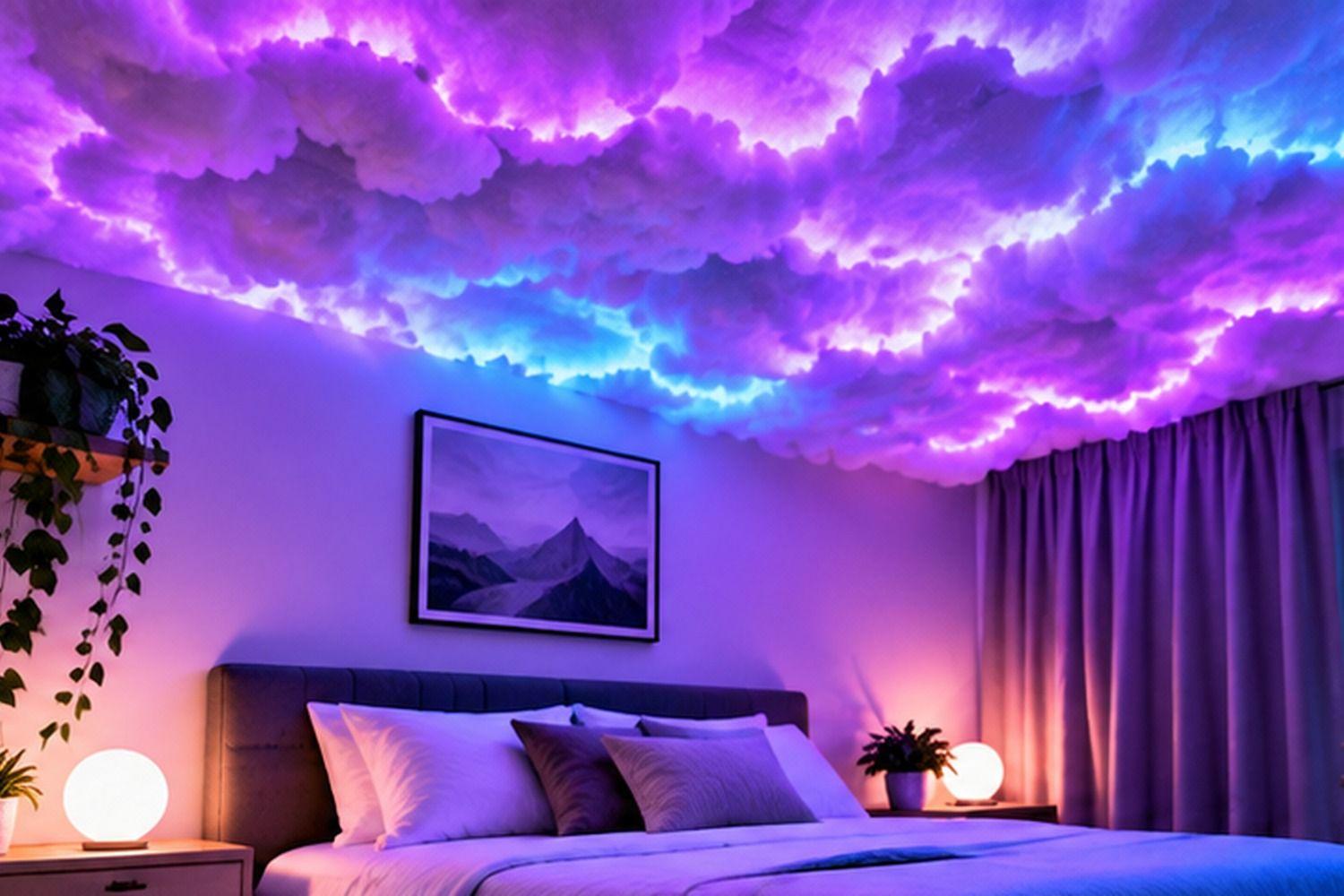
5 Steps: How to Make a DIY Cloud Ceiling LED Light
Learn the five stages of planning and building a glowing DIY cloud ceiling LED feature, with important guidance on mounting, lighting, materials, and fire safety.
November 2026, 8 min read
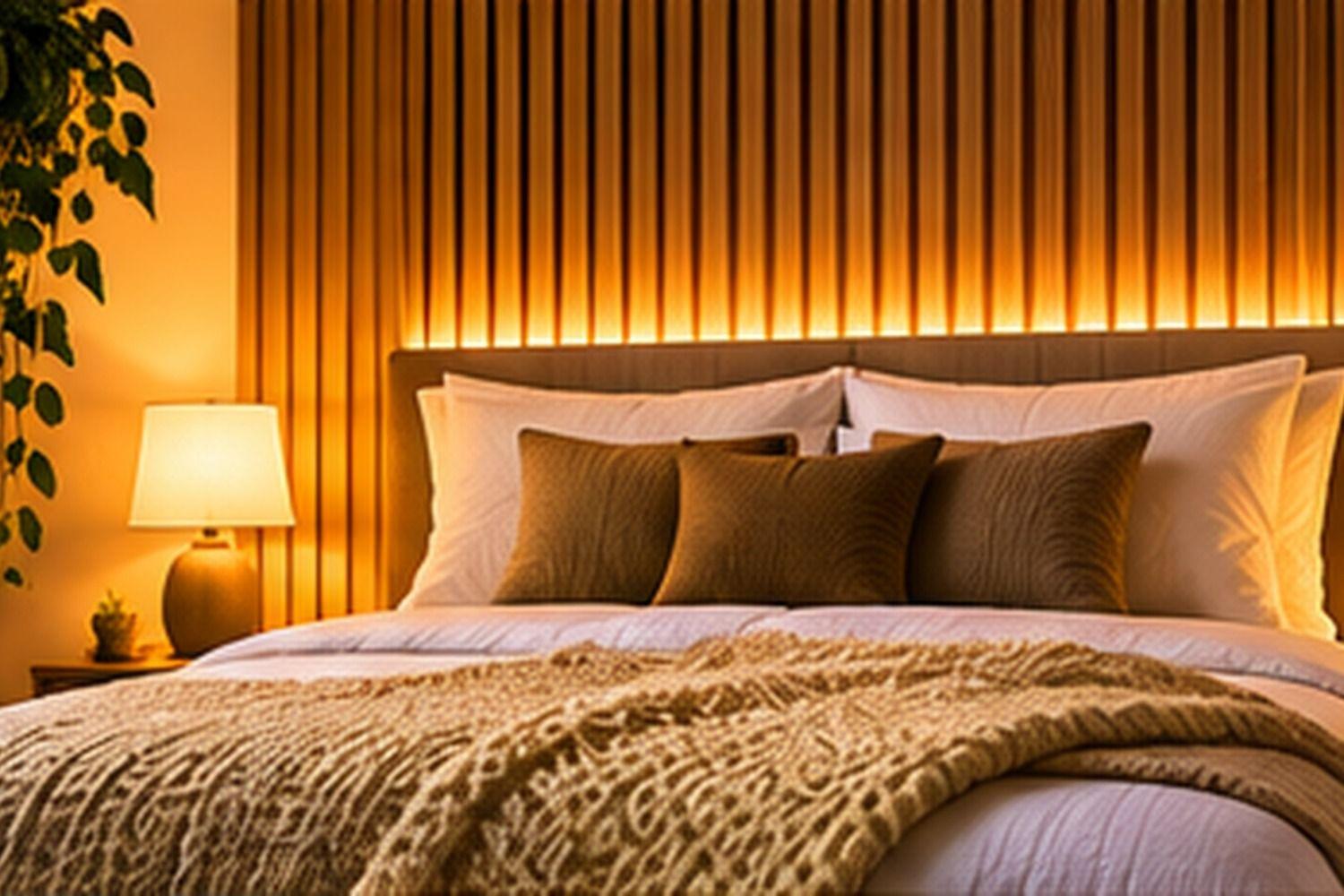
15 Cozy Warm Bedroom Lighting Ideas: Aesthetic Moods
Explore 15 cozy warm bedroom lighting ideas, from bedside lamps and pendants to LED strips, sconces, cove lighting, smart bulbs, and soft accent lights.
November 2026, 9 min read