10 Essential DIY Home Tool Kit Items for Beginners
Explore essential DIY home tool kit items for beginners with practical US-focused advice, planning checks, and clear steps for a more comfortable, well-maintained home.
By Home Crane Editors. . 8 min read.
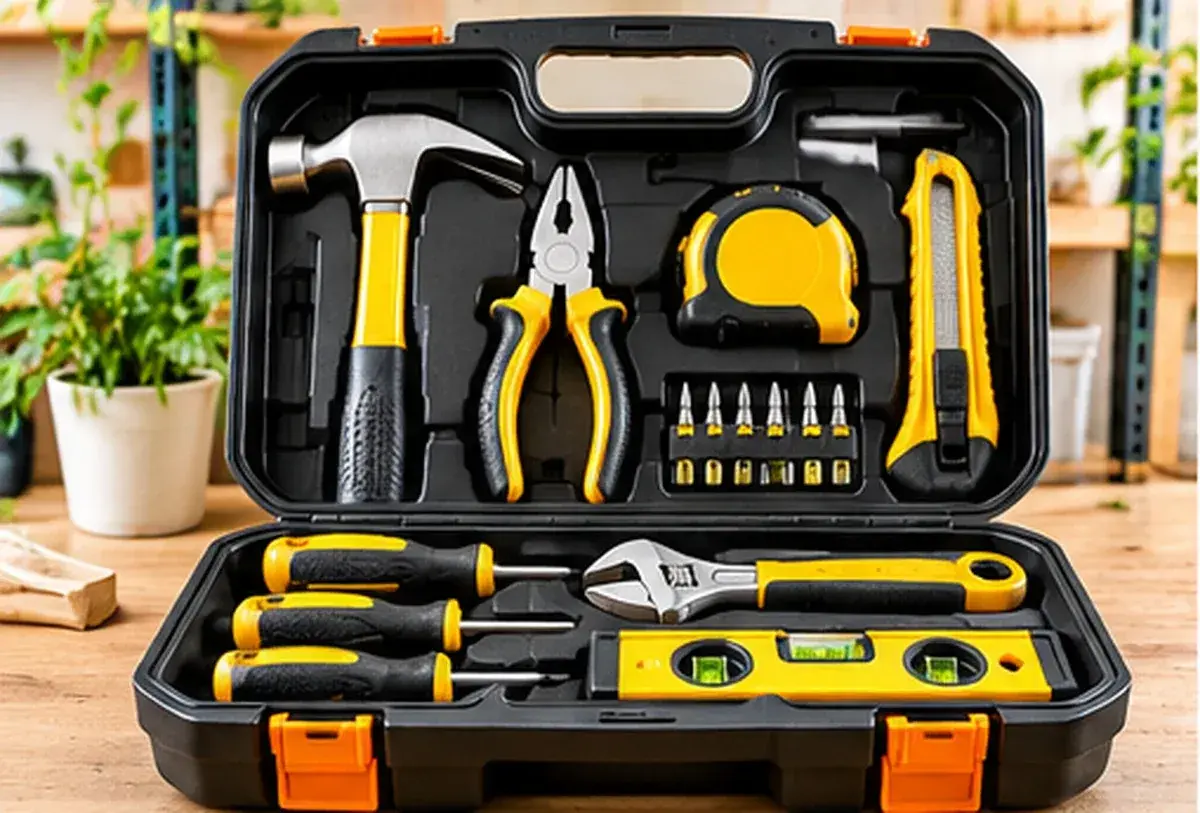
A first home tool kit does not need to be large or expensive. A compact collection of basic measuring, fastening, gripping, checking, and protective equipment can help with simple household tasks such as measuring a room, tightening a loose cabinet pull, assembling flat-pack furniture, or checking whether a picture frame is level. Beginners should start with manual tools, learn each item’s limits, and ask an experienced adult or qualified professional to handle tasks involving electrical wiring, gas, structural work, power tools, or unfamiliar systems.
AI-generated editorial concept image. Individual details are illustrative; confirm product, lease, and safety requirements before making changes.
Choose basic, well-made tools before adding specialist equipment
Buy tools for tasks you actually expect to do. A balanced beginner kit usually includes measuring tools, a few manual drivers, basic gripping tools, a level, lighting, and protective equipment. An organized box is more useful than a large collection of low-quality items that are hard to find or uncomfortable to hold.
Check fit and condition before use. Handles should be secure, tips should fit the fastener, moving parts should operate smoothly, and measuring markings should be clear. Store tools dry, keep small hardware in labeled compartments, and replace damaged items rather than improvising with a tool that does not fit.
A tool kit does not make every repair a safe DIY job. Do not work on live electrical parts, gas lines, roof areas, structural framing, or pressurized plumbing. Read instructions, use protective equipment, and get qualified help for anything beyond simple, low-risk household tasks.
Explore the ideas
- A retractable tape measure for room and furniture dimensions
- A comfortable claw hammer for simple household fastening
- A compact manual screwdriver set
- Slip-joint and needle-nose pliers for controlled gripping
- An adjustable wrench for common household nuts
- A small spirit level for shelves and picture frames
- A bright flashlight for inspections and dark corners
- Safety glasses and well-fitting work gloves
- A non-invasive stud finder for locating framing behind drywall
- A small organizer for screws, anchors, and hex keys
1. A retractable tape measure for room and furniture dimensions
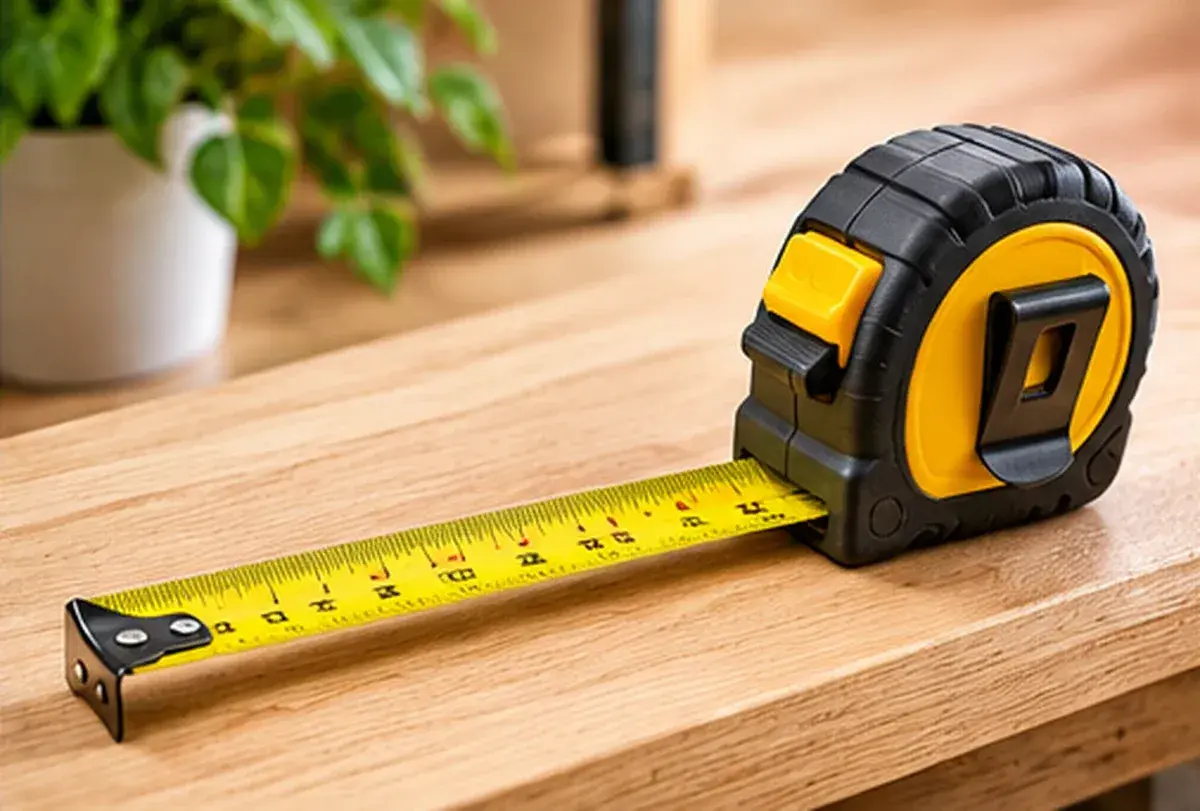
A retractable tape measure for room and furniture dimensions. A tape measure is useful before buying furniture, planning a storage layout, checking a doorway, or confirming that a rug will fit. A 16- to 25-foot model is convenient for many indoor measuring tasks.
Look for clear markings, a secure lock, and a blade that retracts smoothly. Measure twice, keep the tape straight, and record dimensions with the unit clearly identified. A small notebook can prevent repeated trips to the store.
Check before you do it: Do not let the blade snap back toward your hand. Keep fingers clear and store the tape with the blade fully retracted.
2. A comfortable claw hammer for simple household fastening
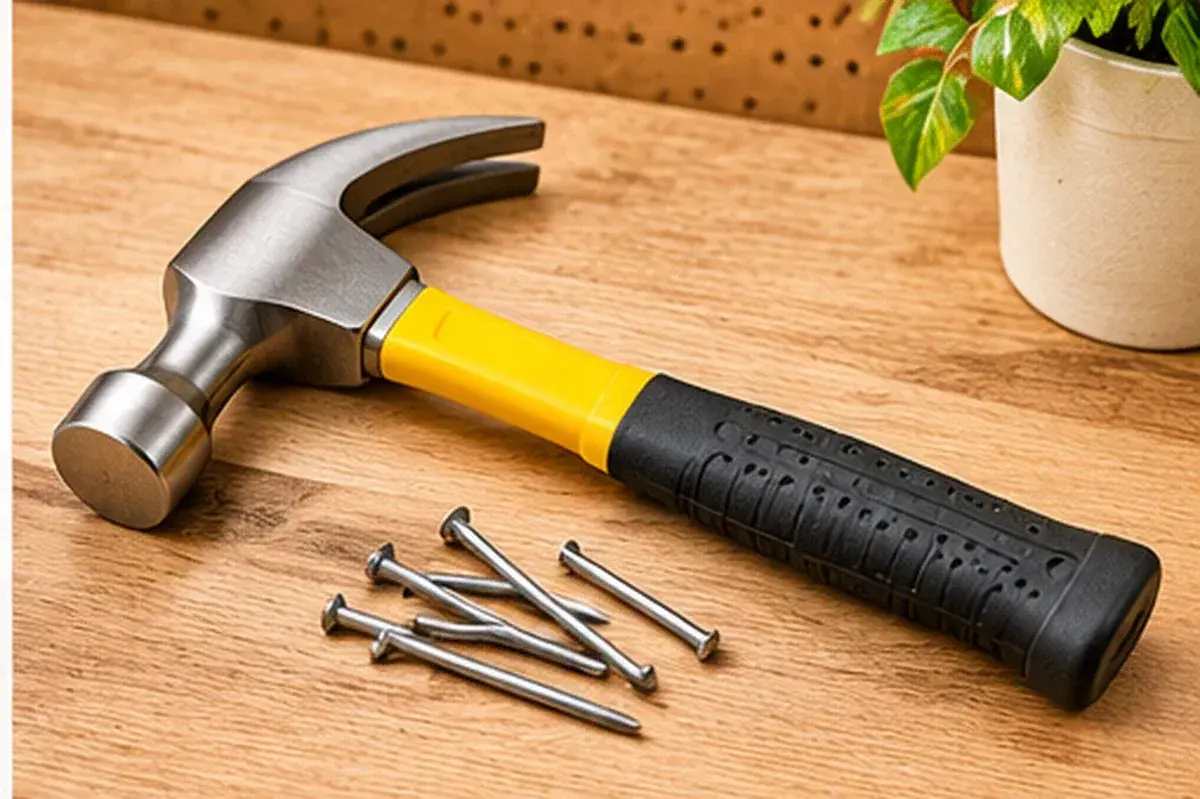
A comfortable claw hammer for simple household fastening.
A small claw hammer can help with basic picture-frame hardware and simple furniture tasks when the material and fastener are appropriate. A comfortable handle and balanced head are more useful than a very heavy tool.
Choose a hammer that is manageable to hold and learn its intended use from the manufacturer. Work on a stable surface, keep bystanders away, and use the correct fastener for the material.
Check before you do it: Never strike hardened objects or use a hammer as a substitute for a specialist tool. Wear eye protection and ask for adult supervision when learning.
3. A compact manual screwdriver set
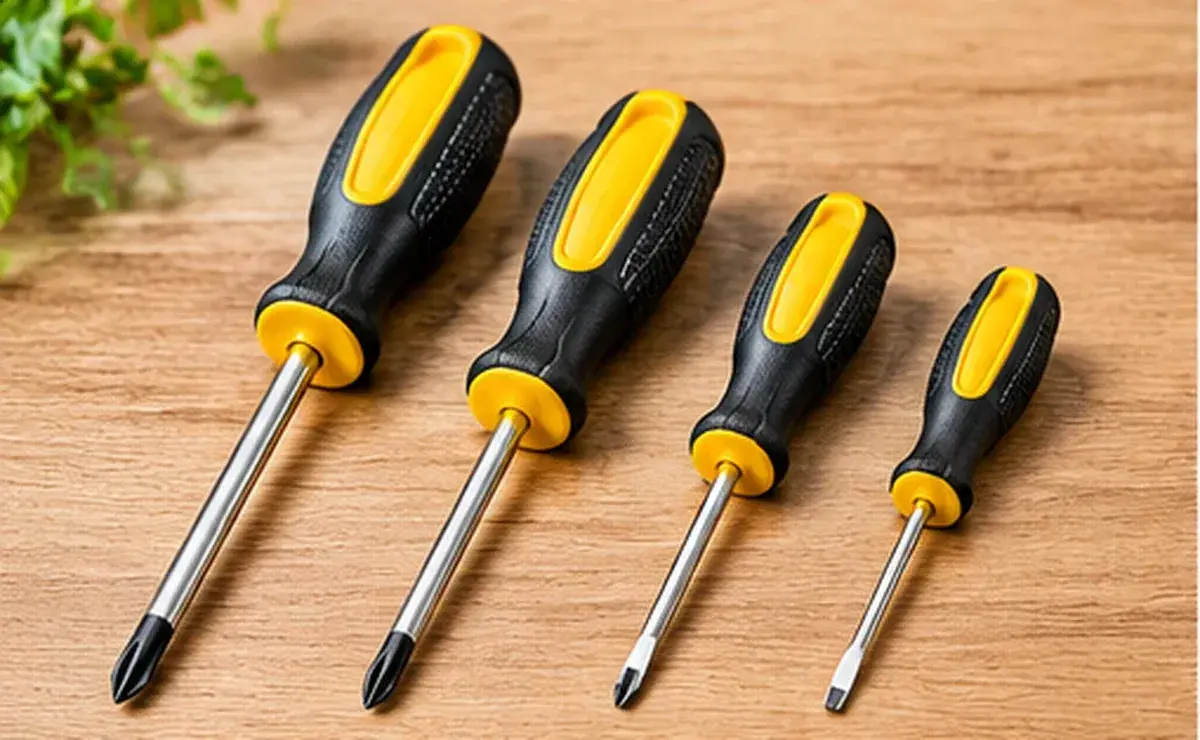
A compact manual screwdriver set. A set with common flat and Phillips tips is useful for tightening cabinet pulls, furniture hardware, battery covers, and simple household fasteners. Some kits include interchangeable bits in a small handle.
Match the tip to the screw head so it sits fully in the recess. Apply steady pressure and turn slowly. Keep screws in a small tray or labeled bag so the correct fastener returns to its original location.
Check before you do it: Do not use a screwdriver as a pry bar or on electrical equipment. Never work on live circuits.
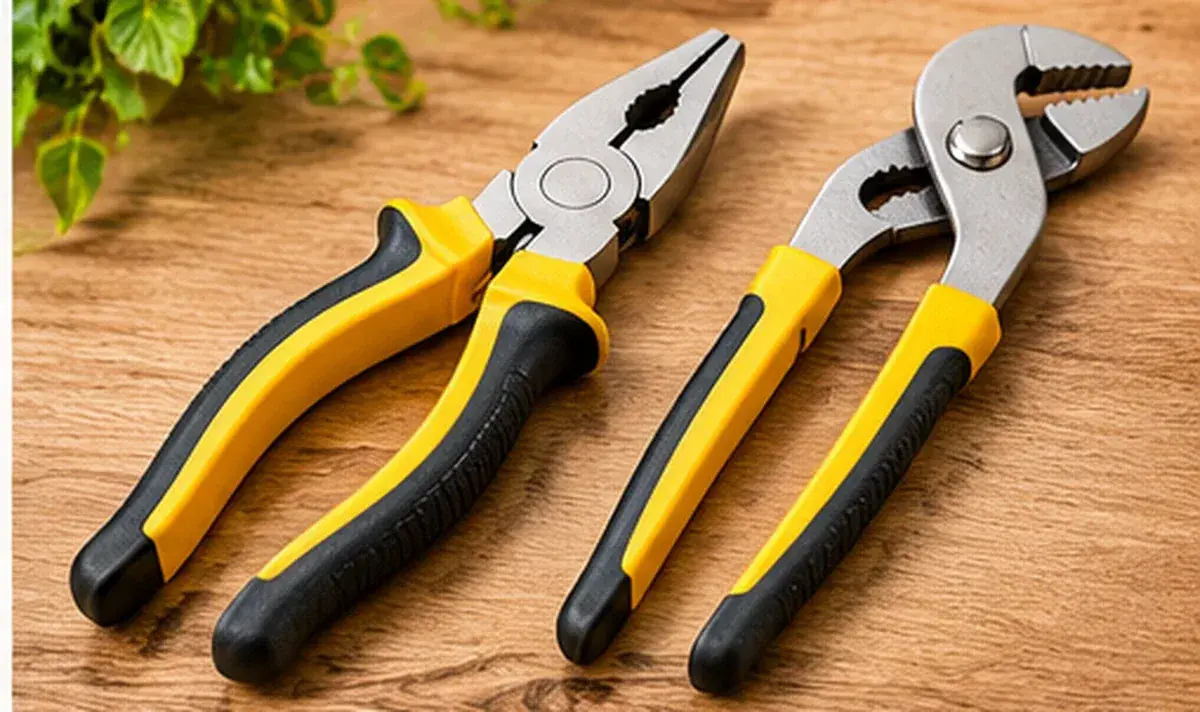
4. Slip-joint and needle-nose pliers for controlled gripping
Slip-joint and needle-nose pliers for controlled gripping. Pliers help grip small hardware and hold objects during simple manual tasks. A small pair of slip-joint pliers and a needle-nose pair cover different grip sizes without requiring a large set.
Choose tools with comfortable insulated-looking grips, smooth pivot action, and jaws that align correctly. Use the right size for the object and keep hands away from pinch points.
Check before you do it: Grip handles are not proof that a tool is insulated for electrical work. Do not use pliers on live wiring or pressurized fittings.
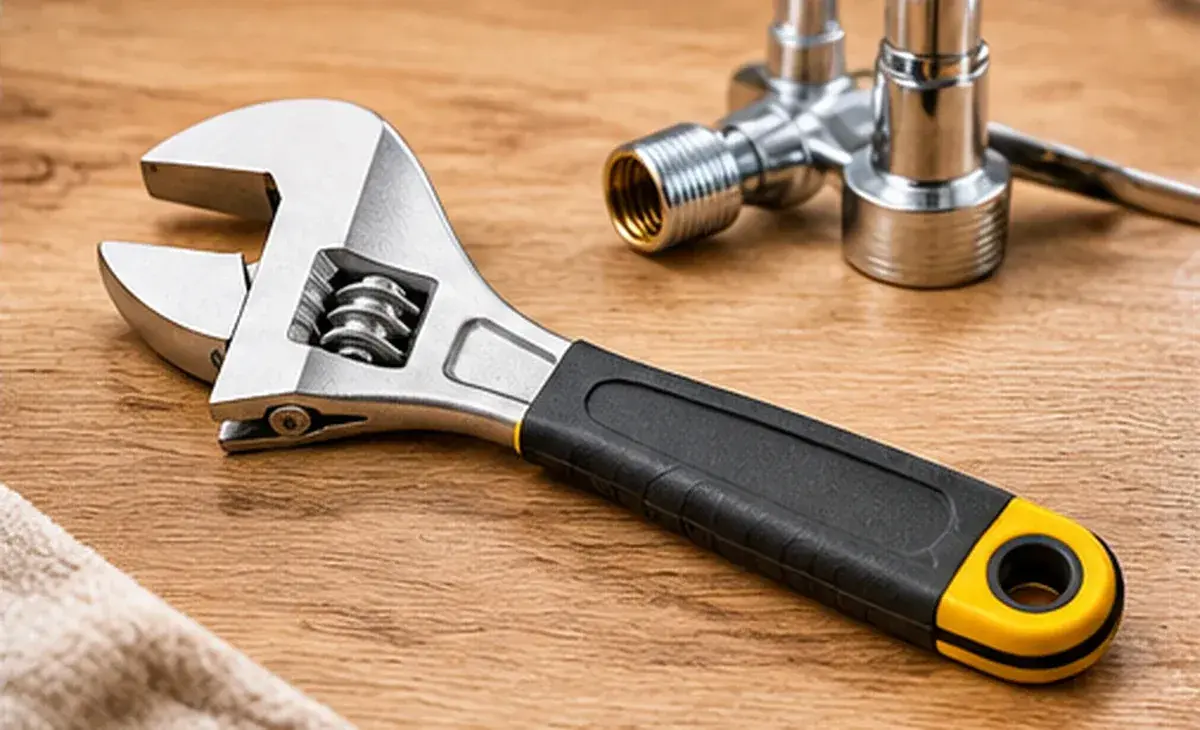
5. An adjustable wrench for common household nuts
An adjustable wrench for common household nuts. An adjustable wrench can fit several nut sizes and is useful for simple assembly and certain non-pressurized household adjustments. It is a practical alternative to buying many fixed sizes immediately.
Adjust the jaw until it fits snugly, then keep the movable jaw on the side that receives the load where the tool design recommends. Use the correct wrench size and avoid forcing a stuck fitting.
Check before you do it: Do not use an adjustable wrench on gas fittings, live plumbing, or corroded connections. Call a qualified technician for leaks or unfamiliar systems.
6. A small spirit level for shelves and picture frames
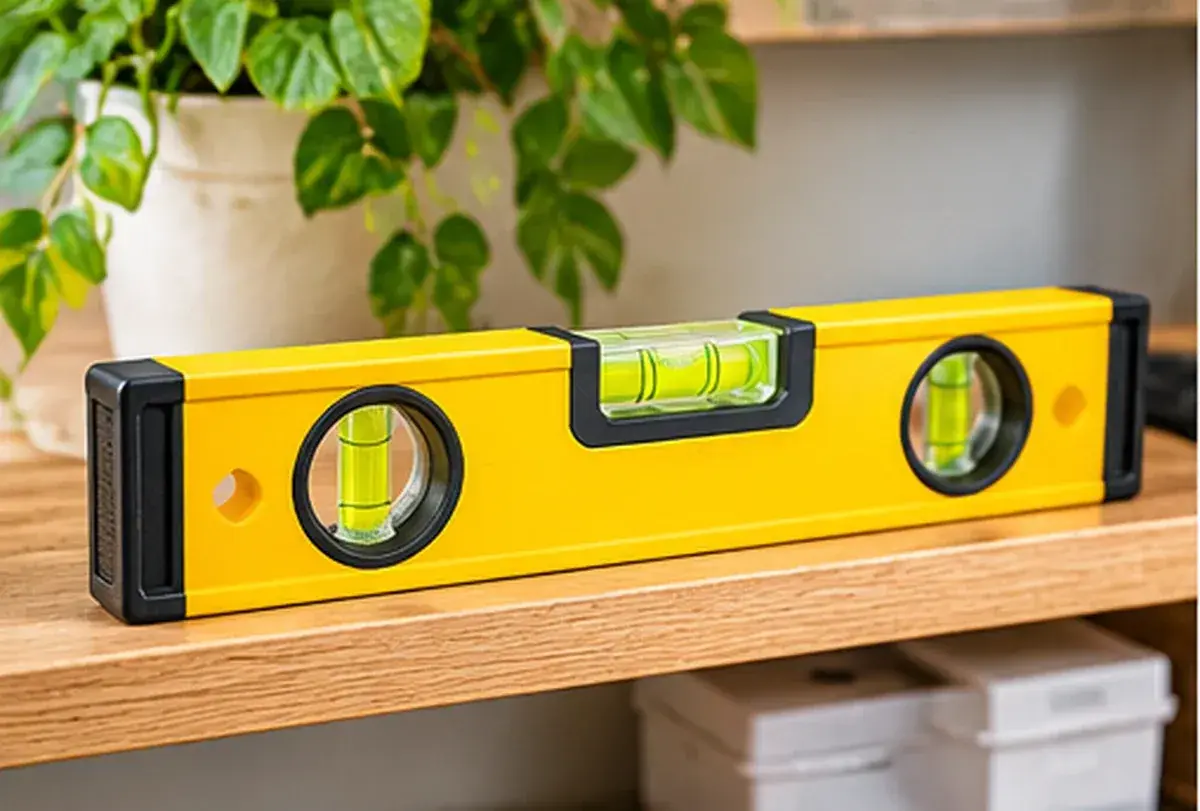
A small spirit level for shelves and picture frames. A level helps check whether a frame, shelf, or assembled furniture piece is straight. A compact model fits easily in a drawer and is useful even when the task is only visual alignment.
Place the level on a stable surface and read the bubble from directly above. Check both directions when aligning a rectangular object, and recheck after the fasteners are tightened.
Check before you do it: A level does not prove a wall or shelf can safely carry weight. Follow the mounting hardware rating and product instructions.
7. A bright flashlight for inspections and dark corners
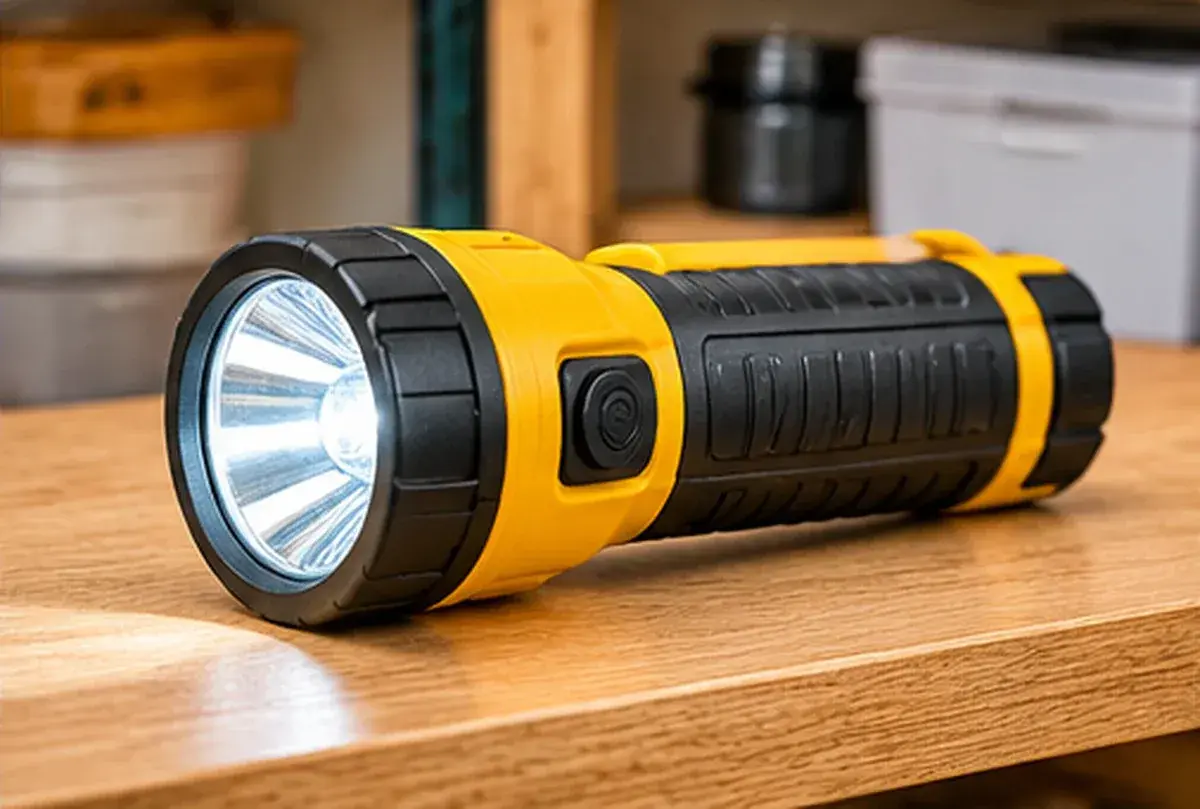
A bright flashlight for inspections and dark corners. A flashlight makes it easier to look under a sink, behind a cabinet, or inside a closet. Good lighting helps you see a small leak or dropped screw without reaching blindly into a space.
Choose a model with an easy switch, replaceable or rechargeable power, and a stable beam. Keep it in the same place and check the battery periodically.
Check before you do it: Do not reach into electrical panels, machinery, or wet spaces simply because you have a flashlight. Use it to observe, not to attempt hazardous repairs.
8. Safety glasses and well-fitting work gloves
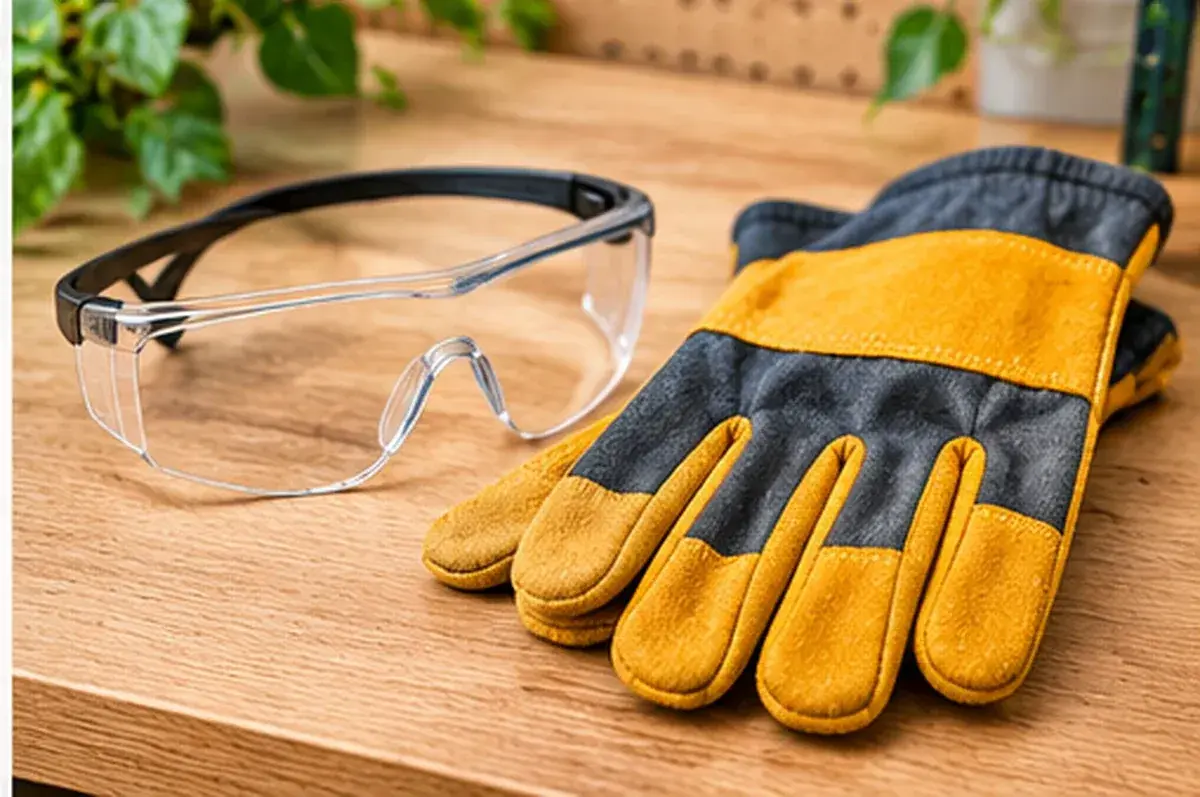
Safety glasses and well-fitting work gloves. Protective equipment is part of a beginner kit, not an optional extra. Safety glasses can help protect eyes during ordinary assembly and light household tasks, while suitable gloves can reduce some scrapes and improve grip.
Choose equipment that fits and is appropriate for the specific task. Keep glasses clean and free of scratches, and replace gloves when the material is torn or no longer fits securely.
Check before you do it: Gloves are not suitable for every task and can create entanglement risks around moving machinery. Follow task-specific safety guidance.
9. A non-invasive stud finder for locating framing behind drywall
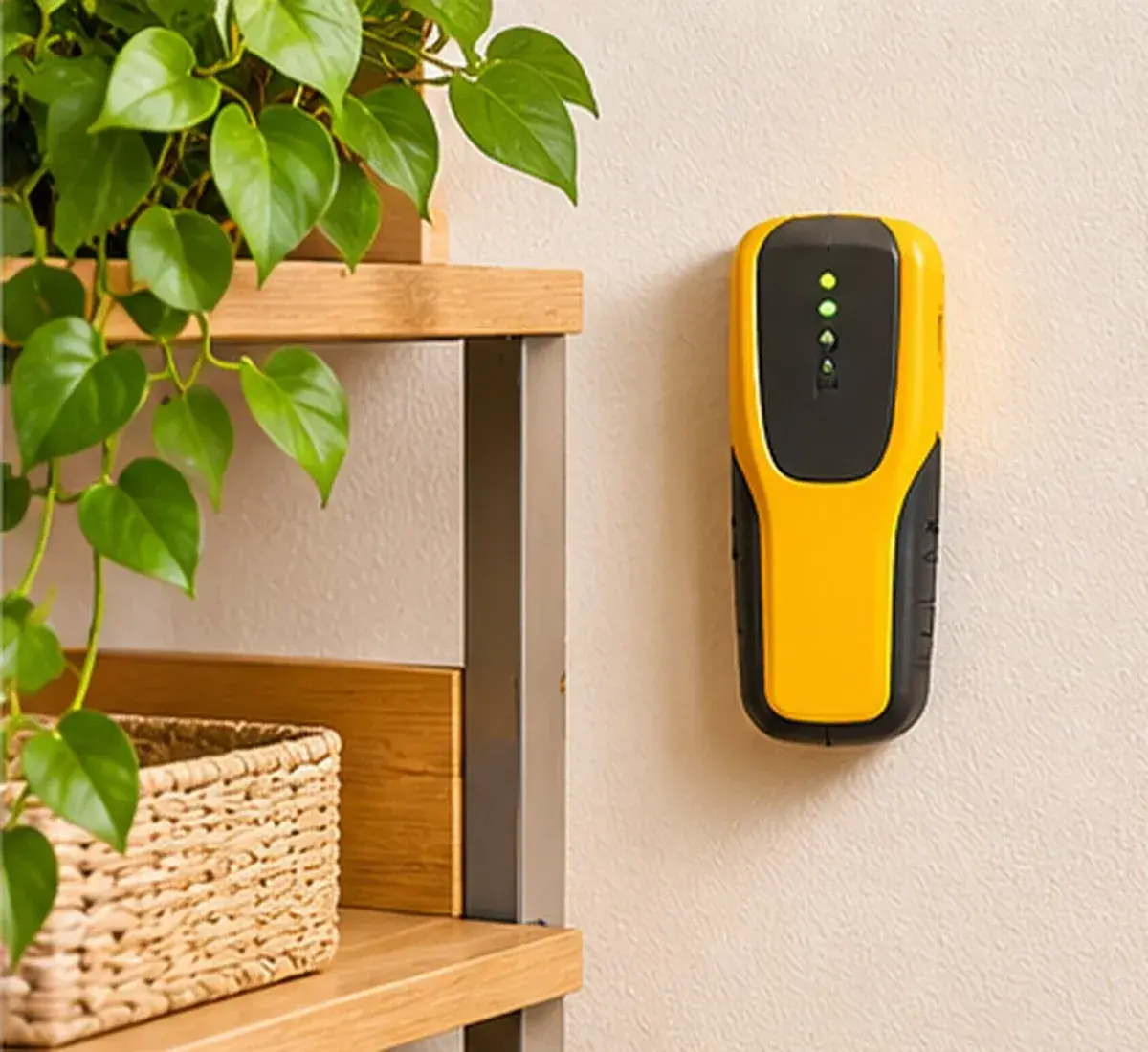
A non-invasive stud finder for locating framing behind drywall. A stud finder can help locate likely framing when planning a permitted wall-mounted item. It is a guide, not a guarantee that a wall contains no wiring or plumbing.
Read the device instructions, calibrate it on the stated surface, and scan slowly in both directions. Mark the likely stud center lightly and verify the wall assembly before any approved mounting task.
Check before you do it: Do not drill based only on a stud finder reading. Hidden wiring and plumbing can still be present; get qualified help when uncertain.
10. A small organizer for screws, anchors, and hex keys
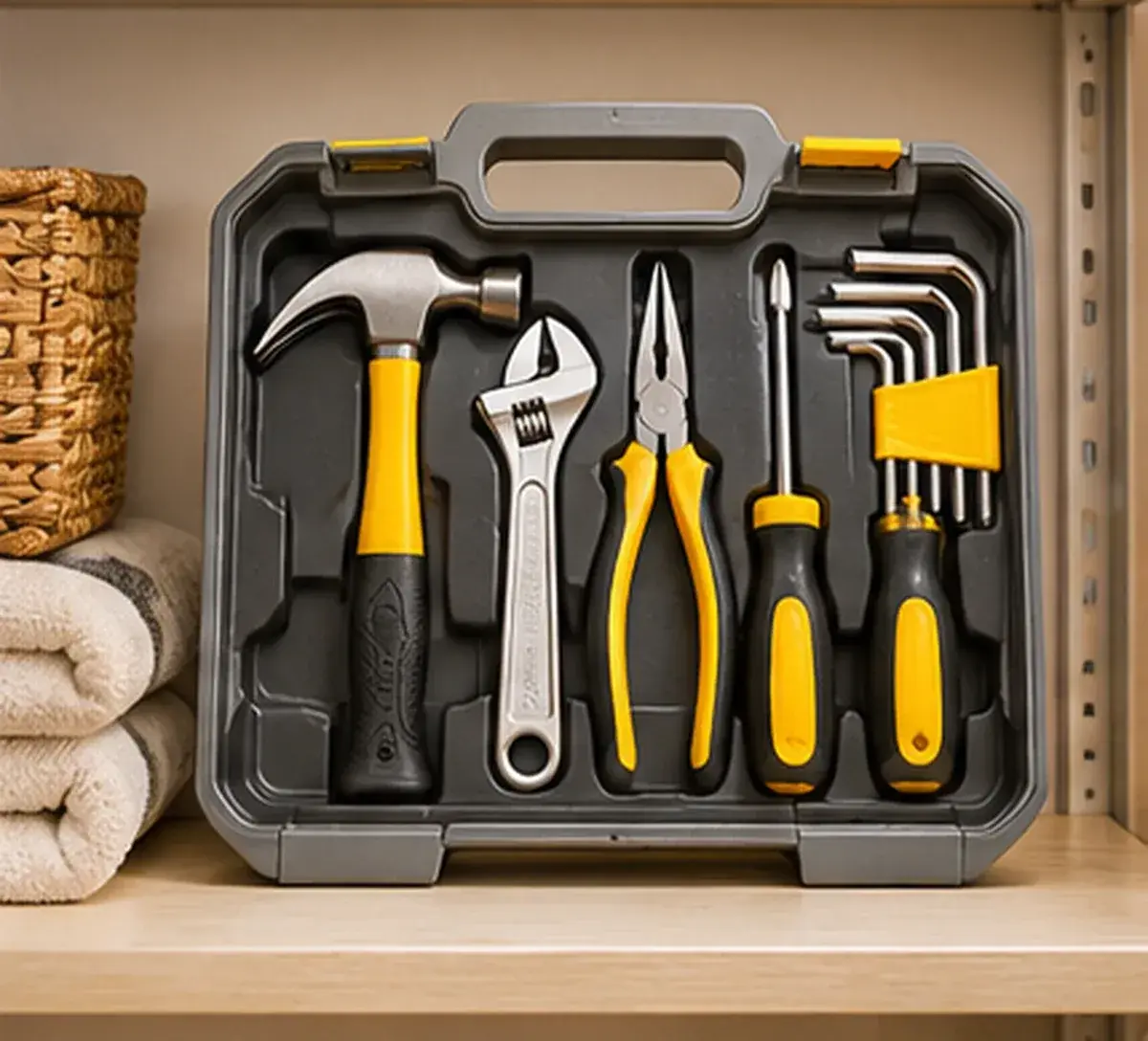
A small organizer for screws, anchors, and hex keys. A compact organizer prevents small hardware from disappearing and helps keep furniture parts together during assembly. A few labeled compartments are more useful than a box where everything is mixed.
Keep original screws with the furniture or appliance they belong to, label spare anchors by type, and store hex keys with the product they came from. Close the organizer before moving it.
Check before you do it: Do not reuse an anchor or fastener for a different material unless its manufacturer confirms it is appropriate.
What a beginner tool kit should not try to cover
Do not buy tools just because a large kit advertises hundreds of pieces. Many specialized tasks need the right training, measurement, code knowledge, or professional equipment. Electrical wiring, gas connections, roof repairs, structural changes, and work on pressurized systems are not good beginner projects. Start with simple measuring and assembly, then ask a qualified professional about anything that affects the home’s safety or core systems.
How to store and maintain the kit
Keep manual tools clean and dry, return each item to the same compartment, and inspect handles and moving parts periodically. Store batteries according to the manufacturer’s guidance. Keep protective glasses away from scratches and chemicals. A small inventory note can show which tools are in the kit and which household fasteners belong to a particular piece of furniture.
How to learn a tool before using it
Read the tool instructions and watch for the intended use, grip, and limits. Practice only with adult supervision on a low-risk task and a stable work surface. Never use a tool that feels damaged, does not fit the fastener, or requires more force than expected. Stop when a task reveals hidden wiring, water, gas, rot, or structural damage. The right next step is to ask a qualified person, not to force the tool.
Frequently asked questions
What is the first tool every homeowner should buy?
A tape measure is a useful first purchase because it helps with furniture, storage, room planning, and many simple household checks.
Do beginners need power tools?
Not for a basic starter kit. Manual tools cover many measuring and assembly tasks. Power tools require additional training, protective equipment, and task-specific safety knowledge.
What protective equipment belongs in a basic kit?
Well-fitting safety glasses and appropriate gloves are useful starting points. Protective equipment must match the task and does not make hazardous work safe.
Can a beginner tool kit be used for electrical repairs?
No. Do not work on live electrical systems or open electrical panels. Use a licensed electrician for wiring and electrical repairs.
Sources and further reading
[1] The Home Depot: Must-Have Tools for Homeowners. https://www.homedepot.com/c/ab/must-have-tools-for-homeowners/9ba683603be9fa5395fab90de15afdd
[2] OSHA: Hand and Power Tools. https://www.osha.gov/hand-power-tools
[3] U.S. Consumer Product Safety Commission: Anchor It! Furniture Tip-Over Prevention. https://www.anchorit.gov/
Sources
- The Home Depot: Must-Have Tools for Homeowners. Checked November 5, 2026
- OSHA: Hand and Power Tools. Checked November 5, 2026
- U.S. Consumer Product Safety Commission: Anchor It! Furniture Tip-Over Prevention. Checked November 5, 2026
Share this article
Get new guides by email
Practical home articles and free resources. No spam, and you can unsubscribe at any time.
Keep reading
7 Point Deep Cleaning Appliance Checklist for Homeowners
Explore deep cleaning appliance checklist for homeowners with practical US-focused advice, planning checks, and clear steps for a more comfortable, well-maintained home.
November 2026, 8 min read

12 Steps How To Winterize An Old House Cheap DIY
Explore winterize an old house cheap DIY with practical US-focused advice, planning checks, and clear steps for a more comfortable, well-maintained home.
November 2026, 9 min read

First Time Homeowner Maintenance Checklist
Explore first time homeowner maintenance checklist with practical US-focused advice, planning checks, and clear steps for a more comfortable, well-maintained home.
November 2026, 9 min read