12 Steps How To Winterize An Old House Cheap DIY
Explore winterize an old house cheap DIY with practical US-focused advice, planning checks, and clear steps for a more comfortable, well-maintained home.
By Home Crane Editors. . 9 min read.
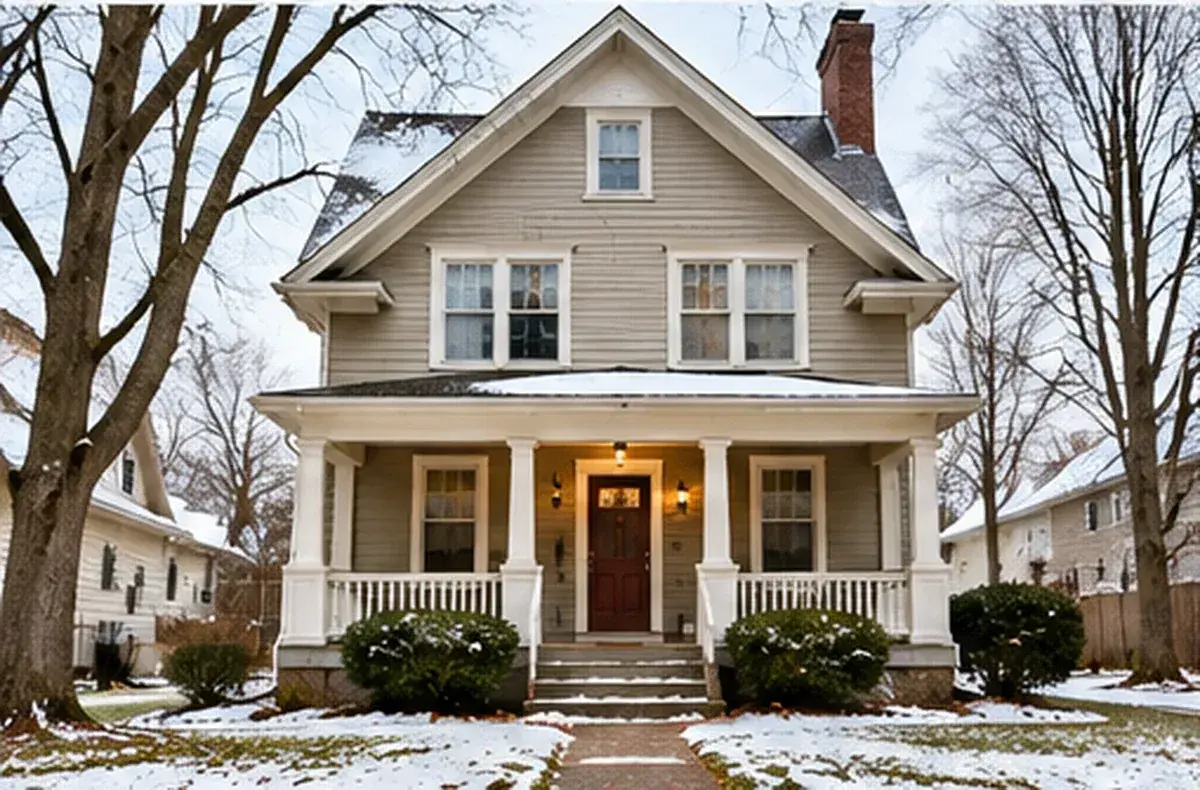
An older house can feel drafty and expensive to heat, but winter preparation does not always begin with a major renovation. Low-cost maintenance such as weatherstripping, window film, pipe insulation in accessible locations, and heating-system filter changes can improve comfort when they are appropriate for the building. The key is to work in a sensible order: identify drafts and moisture first, protect vulnerable water lines, and keep combustion and ventilation systems safe. This guide focuses on owner-level tasks and clearly separates them from work that needs a qualified professional.
AI-generated editorial concept image. Individual details are illustrative; confirm product, lease, and safety requirements before making changes.
Before you start: find the real drafts and keep ventilation safe
Walk through the house on a cool day and note drafts around doors, windows, attic hatches, plumbing penetrations, and baseboards. Look for condensation, water stains, peeling paint, and musty smells. Do not seal a damp wall or cover a ventilation opening just because cold air is noticeable. Moisture and combustion safety need to be understood before tightening the building envelope.
The U.S. Department of Energy describes weatherization as a whole-house process involving the building shell, heating and cooling, electrical systems, and appliances. Low-cost weatherstripping is useful, but a building is a system. A draft that comes from a ventilation opening, combustion-air supply, or required exhaust route should not be blocked.
Older homes may contain lead-based paint, asbestos-containing materials, knob-and-tube wiring, or other legacy conditions. Do not sand, scrape, drill into, or disturb unknown old materials as a winterizing shortcut. If paint may be lead-based, review EPA guidance and use a qualified lead-safe professional for projects that disturb it.
Explore the ideas
- Inspect drainage and visible exterior gaps from the ground
- Replace worn door weatherstripping
- Use interior window film where the window system allows it
- Hang thermal curtains and close them at night
- Insulate accessible exposed water pipes
- Disconnect garden hoses and protect outdoor faucets
- Replace or clean the HVAC filter as directed
- Seal suitable small air leaks around trim and utility openings
- Check the attic hatch and insulation from a safe access point
- Arrange a ground-level roof and gutter review
- Check the basement, sump pump, and visible drains
- Make a cold-weather response plan before temperatures drop
1. Inspect drainage and visible exterior gaps from the ground
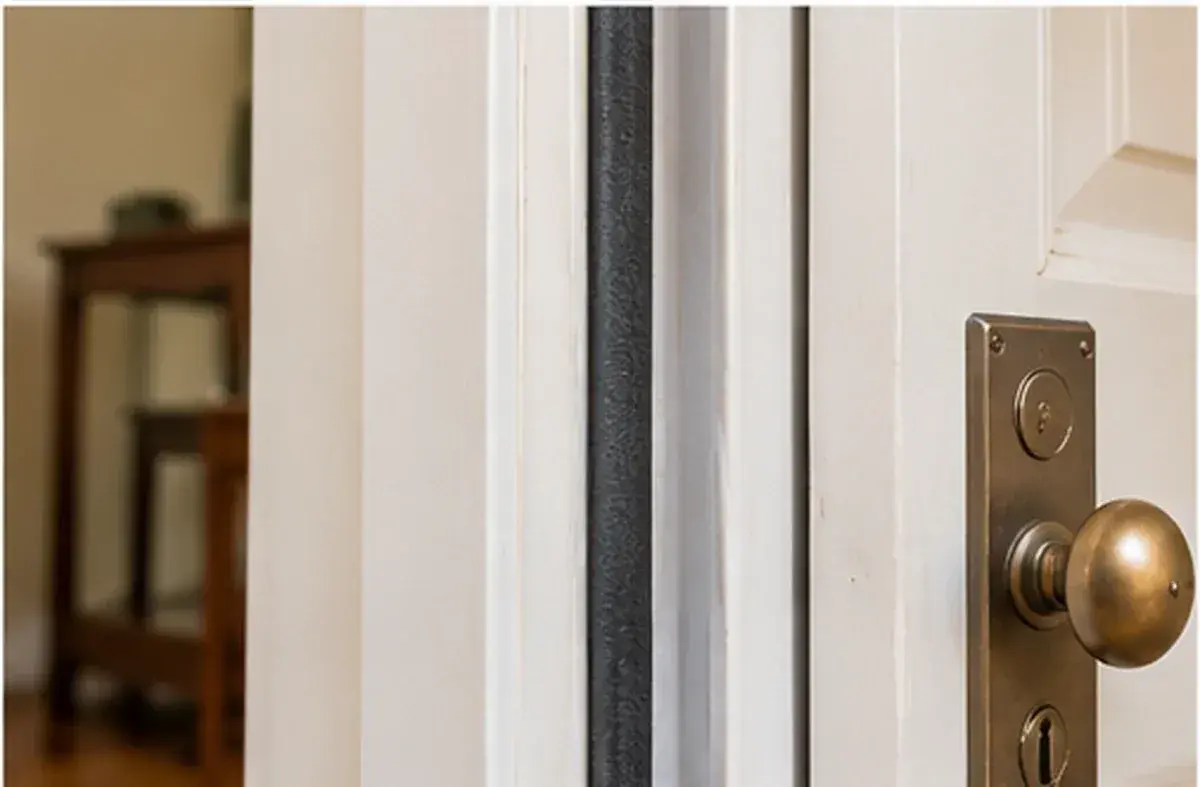
Inspect drainage and visible exterior gaps from the ground. Start with a walk around the house. Look for downspouts discharging near the foundation, loose trim, visible gaps around utility entries, and places where leaves collect against the siding. Water intrusion can make a home colder and more expensive to maintain.
Photograph the areas that need attention and clear ground-level debris where it is safe. Make sure water drains away from the foundation. Ask a qualified contractor to assess roof, flashing, siding, or foundation defects that are not accessible from the ground.
Check before you do it: Do not climb onto a roof or use a ladder in icy or windy conditions. Do not fill drainage openings or cover vents.
2. Replace worn door weatherstripping
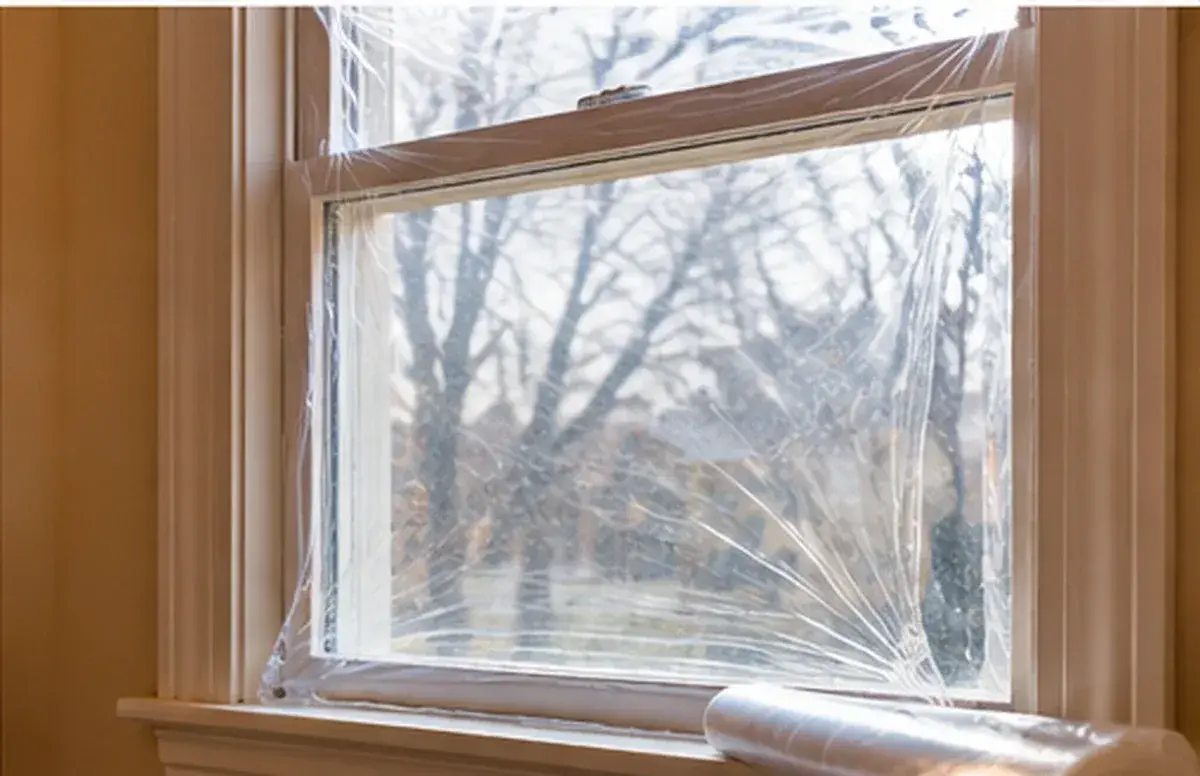
Replace worn door weatherstripping. A worn door seal can allow noticeable drafts around the perimeter. Replacement weatherstripping is often a relatively inexpensive project when the door and frame are in sound condition.
Identify the existing seal type, measure the groove or contact area, and buy a compatible product. Clean the contact surface and fit the new seal without preventing the door from closing or latching.
Check before you do it: Do not obstruct a required exit or alter a fire-rated door. If the frame is damaged or the door will not close correctly, get it repaired.
3. Use interior window film where the window system allows it
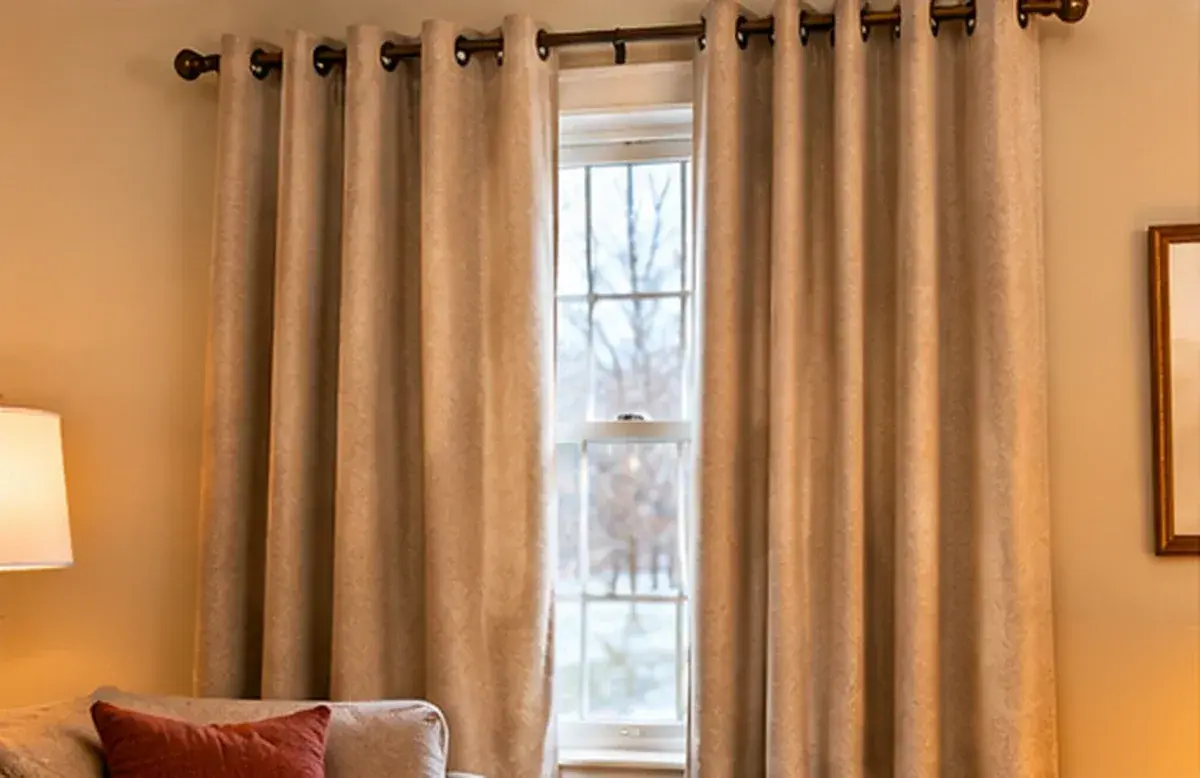
Use interior window film where the window system allows it. A temporary interior film can reduce the feeling of a cold draft at some older windows. It is a seasonal option for windows that remain closed during winter.
Read the kit instructions, clean and dry the frame, and apply the film without covering window locks or emergency egress hardware. Check the seal for loose edges and remove it according to the product directions in spring.
Check before you do it: Do not cover a window that must remain operable as an emergency exit. Avoid film on glass or frames excluded by the manufacturer.
4. Hang thermal curtains and close them at night
Hang thermal curtains and close them at night. Thicker curtains can reduce the cold feeling near windows and make bedrooms more comfortable. They are especially useful when older windows cannot be replaced immediately.
Choose panels that cover the full window and extend beyond the sides where practical. Open them on sunny winter days when useful and close them at night. Keep fabric clear of heaters and radiators.
Check before you do it: Do not block a radiator, baseboard heater, combustion appliance, or emergency window operation.
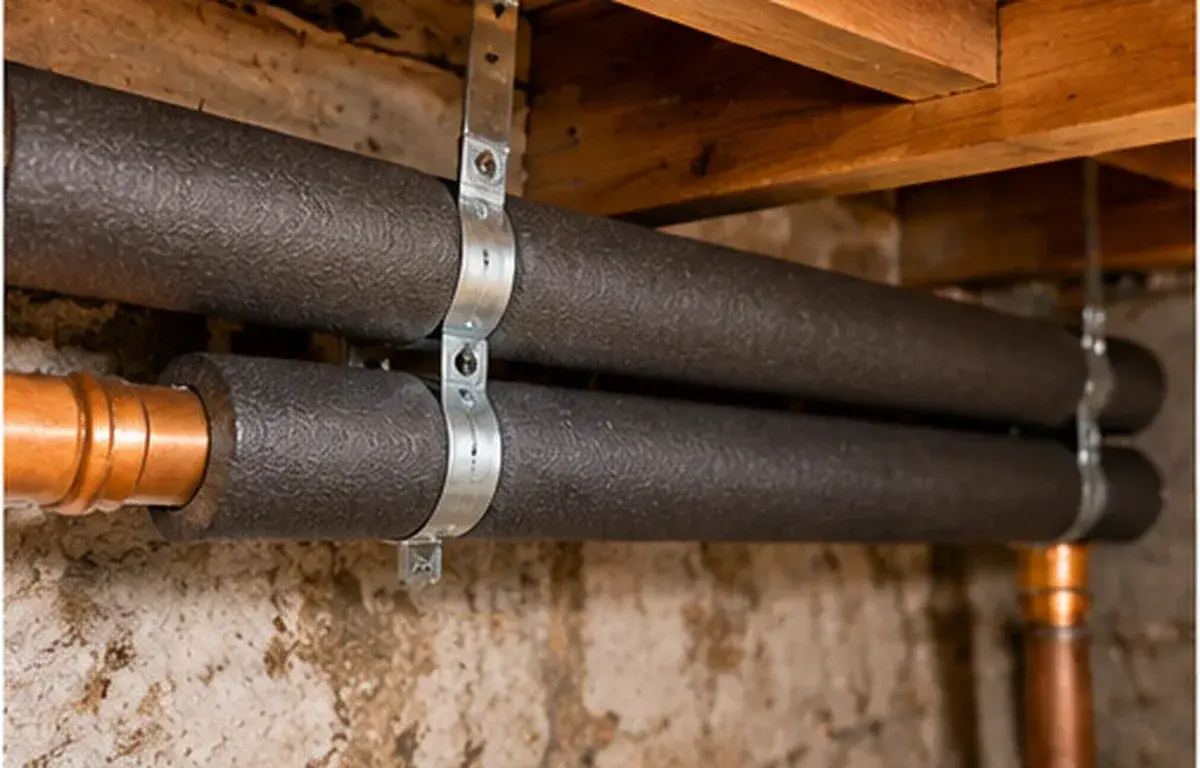
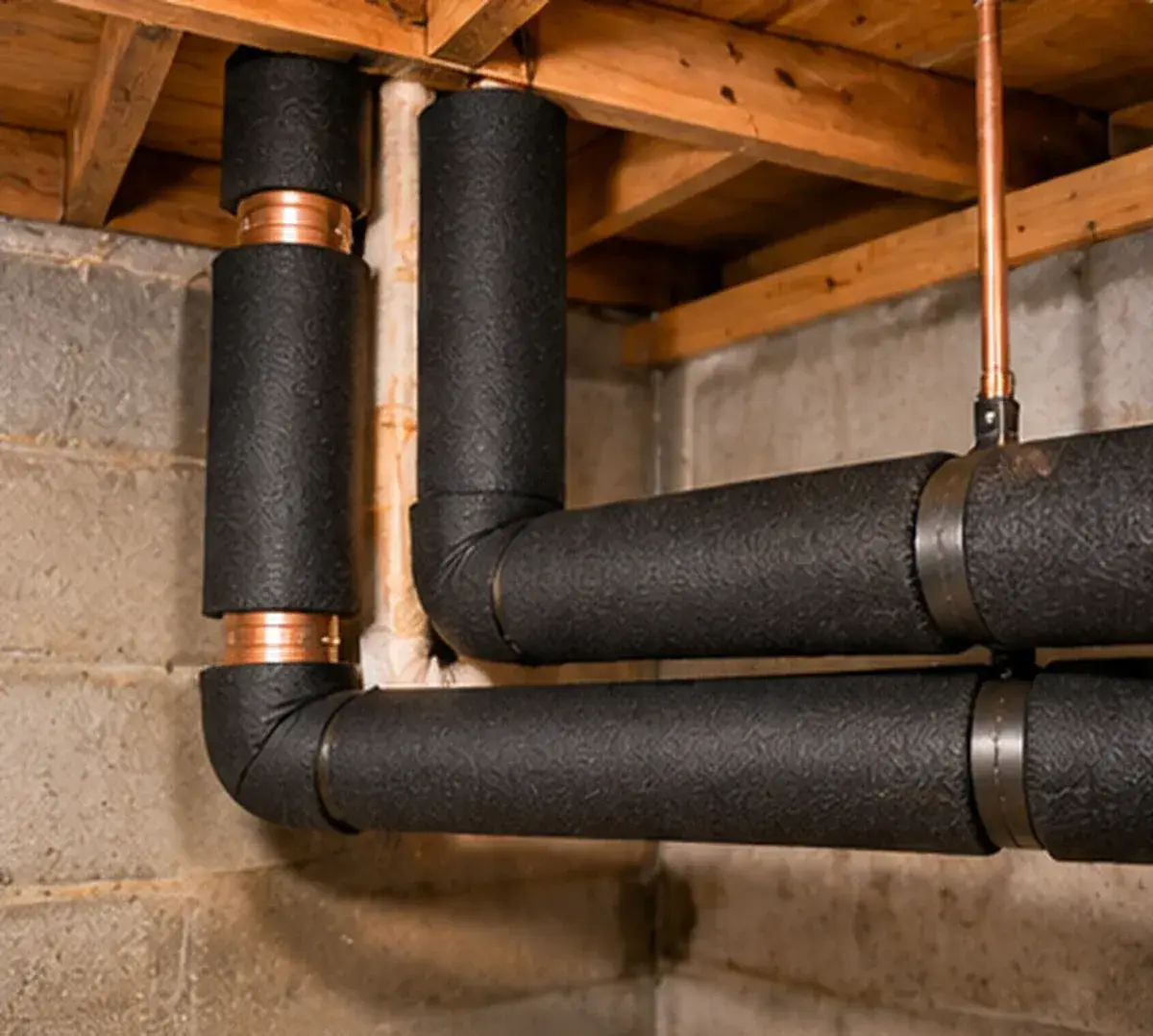
5. Insulate accessible exposed water pipes
Insulate accessible exposed water pipes. Pipes in an unheated basement, crawlspace, or garage may be vulnerable during cold weather. Appropriate pipe insulation can reduce heat loss and provide added protection in accessible areas.
Identify the pipe material and diameter, choose a compatible insulation product, and cover accessible straight runs and fittings as the product allows. Keep shutoff valves visible and accessible.
Check before you do it: Do not cover leaks or corroded pipes. Have a plumber address damaged lines, inaccessible plumbing, or pipes near electrical or fuel equipment.
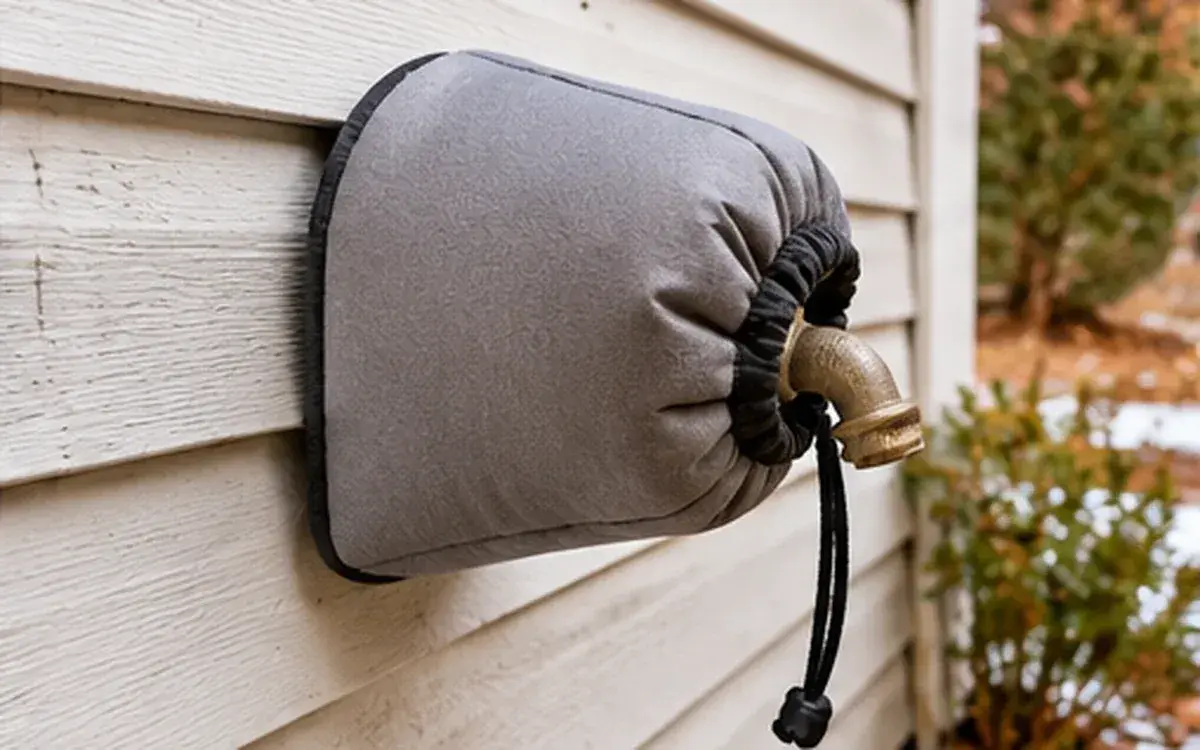
6. Disconnect garden hoses and protect outdoor faucets
Disconnect garden hoses and protect outdoor faucets. A hose left connected can trap water and increase the chance of freezing damage at an exterior faucet. Simple seasonal preparation can reduce that risk.
Disconnect hoses, drain them, and store them away from freezing conditions. Follow the home’s plumbing arrangement for shutting off and draining exterior faucet lines, and use an approved faucet cover if appropriate.
Check before you do it: If you do not know whether the faucet has an interior shutoff or a frost-free design, ask a plumber before operating unfamiliar valves.
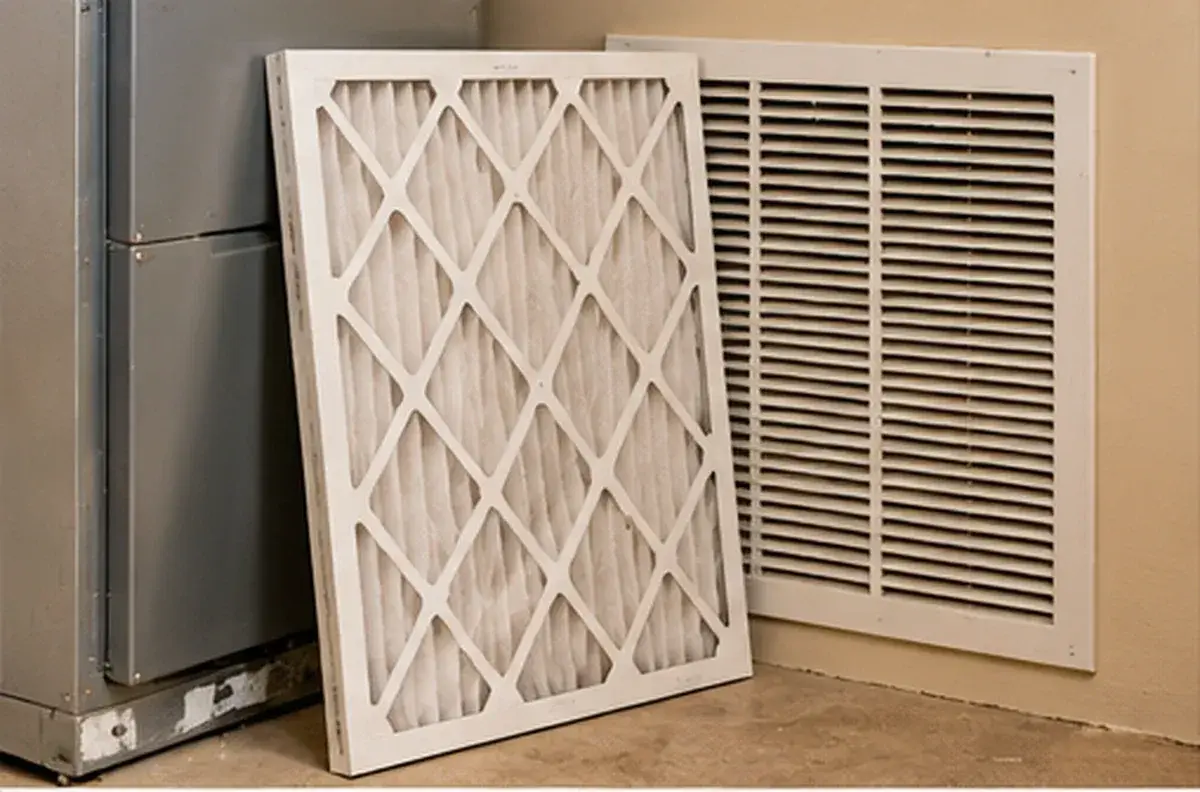
7. Replace or clean the HVAC filter as directed
Replace or clean the HVAC filter as directed. A clean, correctly sized filter helps the heating system maintain airflow. It is one of the easiest seasonal checks, but the filter type and change interval must match the system.
Turn the system off if the manual instructs you to do so, note the airflow arrow, and install the correct size and rating. Keep a spare filter and record the replacement date.
Check before you do it: Do not force an oversized or overly restrictive filter into the system. Ask an HVAC technician if the unit has unusual noises, odors, or poor airflow.
8. Seal suitable small air leaks around trim and utility openings
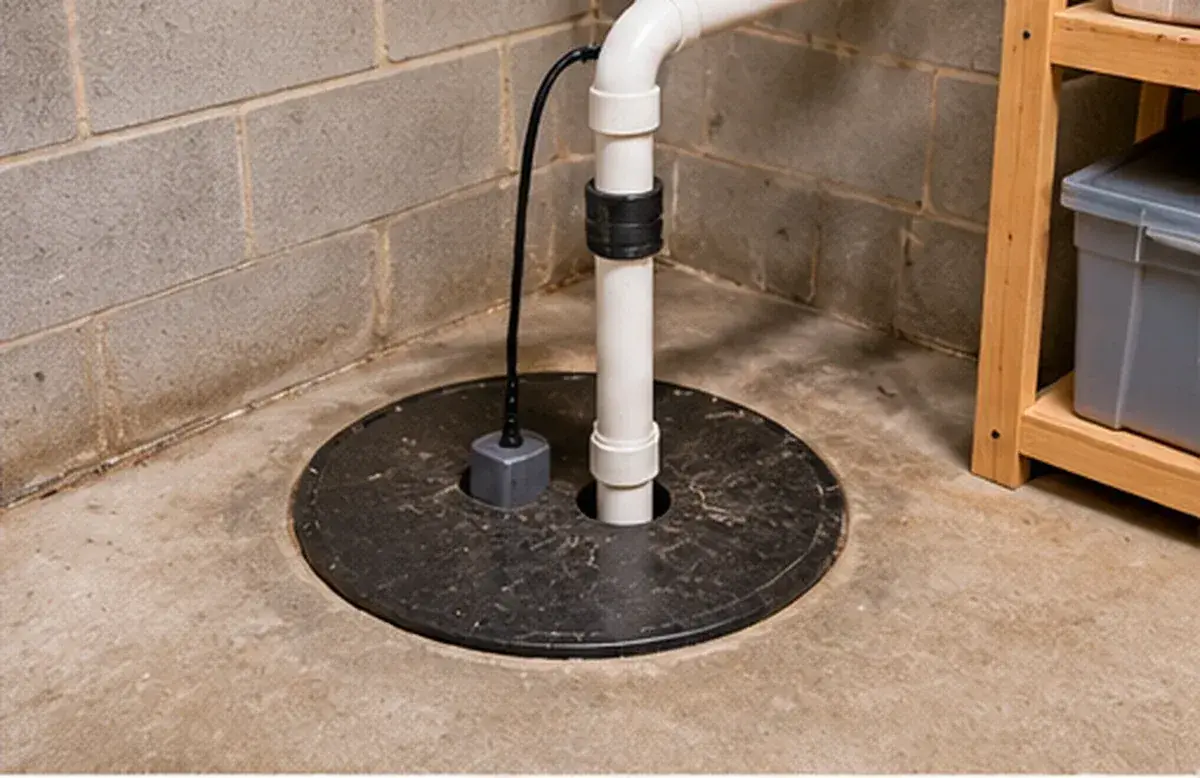
Seal suitable small air leaks around trim and utility openings. A small gap around trim or a pipe penetration can create a noticeable draft. Weather-appropriate caulk or sealant may help when the opening is not part of a required ventilation or drainage path.
Identify the material on both sides of the gap and use a compatible sealant. Follow temperature and curing restrictions. Work only on accessible, non-hazardous areas and keep the seal neat and limited to the intended gap.
Check before you do it: Never seal combustion-air openings, flues, appliance vents, weep holes, or other designed ventilation routes. For uncertain openings, get professional advice.
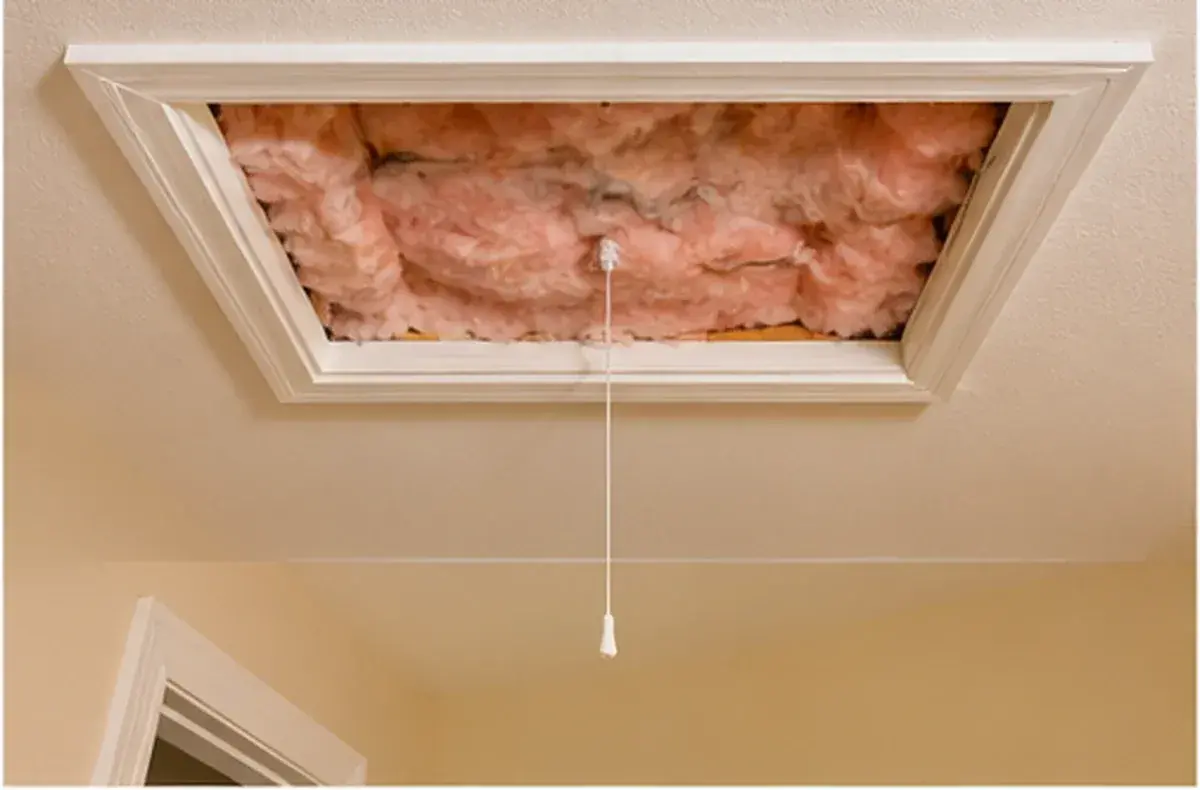
9. Check the attic hatch and insulation from a safe access point
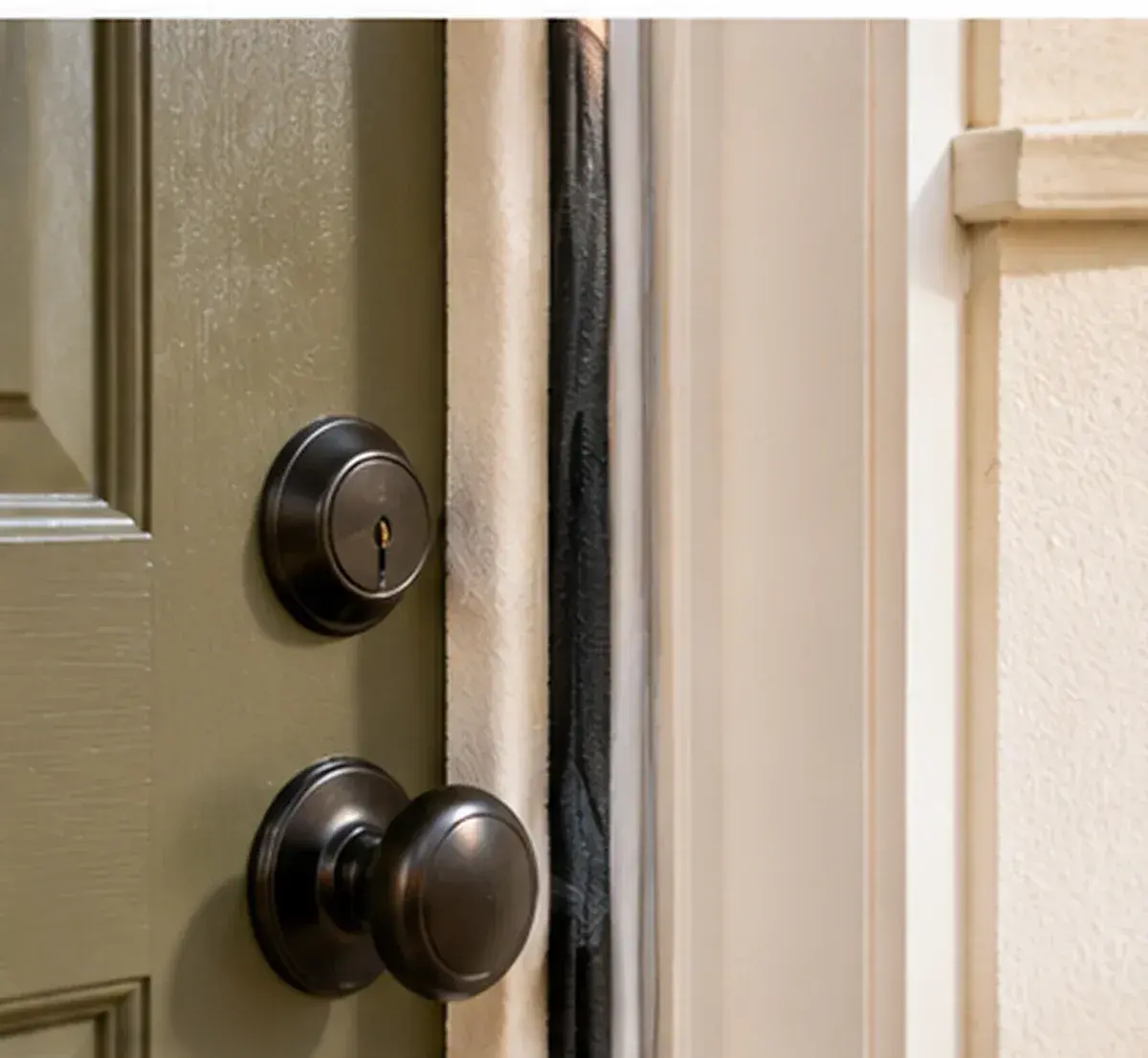
Check the attic hatch and insulation from a safe access point. An attic hatch can be a weak spot in the thermal boundary. A properly fitted cover or weatherstrip may reduce air movement when installed without disturbing existing materials.
Inspect from the floor of the finished space and note visible gaps around the hatch. Use a manufacturer-approved insulated cover or seal only the hatch perimeter if appropriate. Ask an insulation professional to assess low, damaged, or uneven attic insulation.
Check before you do it: Do not step onto ceiling drywall or disturb unknown insulation. Older homes may contain hazardous materials; use a professional assessment where condition or material is uncertain.
10. Arrange a ground-level roof and gutter review
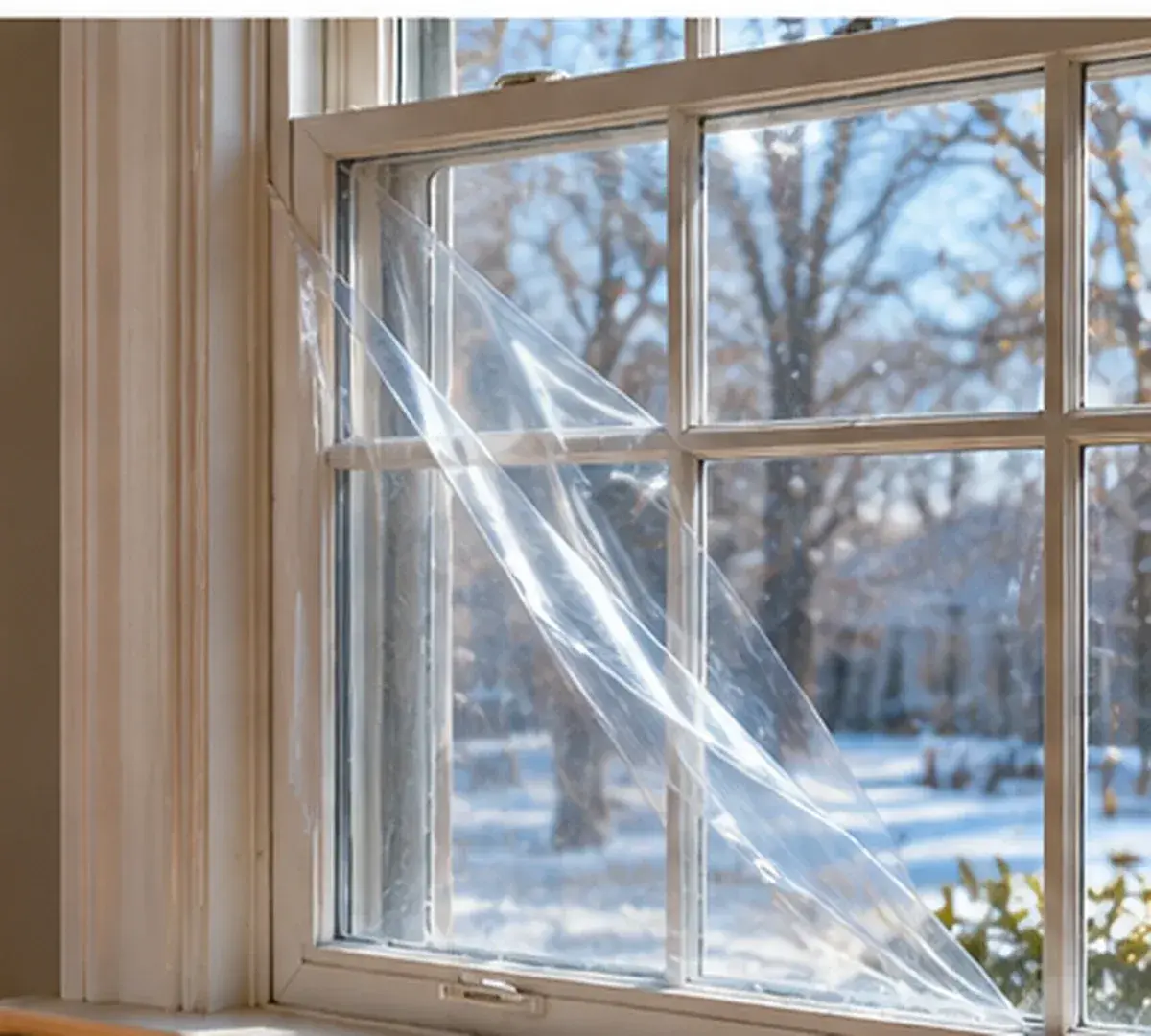
Arrange a ground-level roof and gutter review. Roof leaks and blocked gutters can create water damage that becomes harder to fix in winter. A visual check from the ground can identify obvious concerns without climbing.
Use binoculars from a stable ground position to look for missing shingles, sagging gutters, damaged downspouts, and tree branches touching the roof. Book a qualified roofer or gutter service before severe weather.
Check before you do it: Do not climb on an icy roof or attempt repairs at height. Do not use a ladder in snow, frost, or strong wind.
11. Check the basement, sump pump, and visible drains
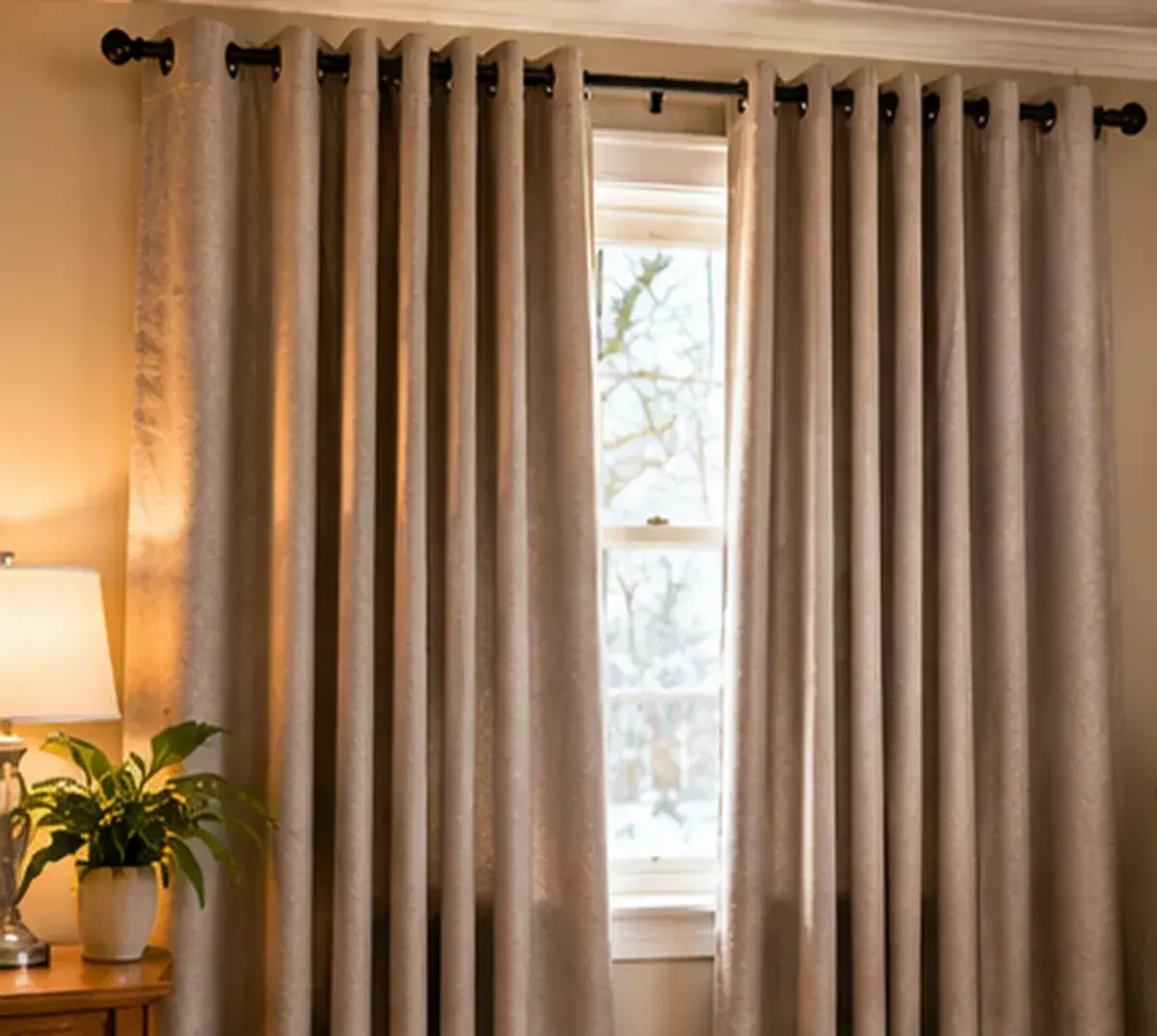
Check the basement, sump pump, and visible drains.
Older homes may have basements or crawlspaces that collect moisture during storms and snowmelt. A sump pump or drain system should be kept accessible and maintained according to its instructions.
Look for dampness, standing water, unusual odors, and visible discharge problems. Test a pump only as its manufacturer directs. Arrange professional service if the pump cycles continuously, makes new noises, or fails to discharge.
Check before you do it: Do not reach into a sump pit or handle electrical equipment in standing water. Leave electrical and pump repairs to qualified professionals.
12. Make a cold-weather response plan before temperatures drop
Make a cold-weather response plan before temperatures drop.
Even a well-prepared home can face a severe cold snap. Knowing whom to contact and what to do during a power outage or suspected frozen pipe can reduce confusion.
Write down utility contacts, the location of the main water shutoff, emergency numbers, and the HVAC service contact. Keep basic supplies, a flashlight, and a charged phone available. Follow local emergency guidance during extreme weather.
Check before you do it: Do not use outdoor grills, generators, or fuel-burning devices indoors or in enclosed spaces. Follow fire and carbon monoxide safety instructions.
Where a small winterizing budget should go first
Prioritize measures that solve a visible problem: a worn door seal, a cold window that can accept a temporary film, exposed accessible pipes, or a heating filter that is overdue for replacement. Do not spend money covering a leak or hiding damaged insulation before the cause is understood. A basic energy assessment can help identify which improvements are most worthwhile for a particular house.
What not to seal in an older house
Older homes may depend on designed ventilation, combustion air, attic ventilation, and drainage details that are not obvious. A draft near a gas appliance, fireplace, furnace, or water heater should not be blocked without professional advice. The same applies to weep holes, foundation drainage openings, and attic ventilation. A home should be comfortable while still allowing moisture and combustion products to move safely.
When to call a professional
Use an HVAC technician for combustion and heating concerns, a plumber for vulnerable or damaged water lines, a roofer for roof and flashing defects, and an insulation or weatherization professional for uncertain attic and wall conditions. If the home predates 1978, consider lead-safe guidance before disturbing painted surfaces. Cheap DIY work is only a saving when it does not create a larger repair or safety problem.
Frequently asked questions
What is the cheapest way to winterize an old house?
Start with visible drafts, suitable weatherstripping, window treatments, accessible pipe insulation, hose disconnection, and correctly maintained HVAC filters. The best order depends on the house.
Should I cover every draft in an old house?
No. Do not block combustion air, appliance vents, required ventilation, drainage openings, or moisture pathways. Identify the source before sealing anything.
Can I winterize old pipes myself?
You can observe and protect accessible, undamaged pipes with compatible insulation where appropriate. A plumber should address leaks, corrosion, inaccessible lines, or unfamiliar valves.
Should I climb onto the roof to check for damage?
No. Inspect from the ground and hire a qualified roofer for roof or gutter work at height, especially in wet, icy, or windy conditions.
Sources and further reading
[1] U.S. Department of Energy: Whole-House Weatherization. https://www.energy.gov/cmei/scep/wap/whole-house-weatherization
[2] U.S. Department of Energy: Energy-Saving Hacks to Weather the Winter. https://www.energy.gov/indianenergy/articles/energy-saving-hacks-weather-winter
[3] Ready.gov: Winter Weather Preparedness. https://www.ready.gov/winter-weather
[4] Freddie Mac: Printable Home Maintenance Checklist. https://myhome.freddiemac.com/docs/home_maintenance.pdf
[5] U.S. EPA: Lead-Safe Renovations for DIYers. https://www.epa.gov/lead/lead-safe-renovations-diyers
Sources
- U.S. Department of Energy: Whole-House Weatherization. Checked November 5, 2026
- U.S. Department of Energy: Energy-Saving Hacks to Weather the Winter. Checked November 5, 2026
- Ready.gov: Winter Weather Preparedness. Checked November 5, 2026
- Freddie Mac: Printable Home Maintenance Checklist. Checked November 5, 2026
- U.S. EPA: Lead-Safe Renovations for DIYers. Checked November 5, 2026
Share this article
Get new guides by email
Practical home articles and free resources. No spam, and you can unsubscribe at any time.
Keep reading

10 Essential DIY Home Tool Kit Items for Beginners
Explore essential DIY home tool kit items for beginners with practical US-focused advice, planning checks, and clear steps for a more comfortable, well-maintained home.
November 2026, 8 min read

7 Point Deep Cleaning Appliance Checklist for Homeowners
Explore deep cleaning appliance checklist for homeowners with practical US-focused advice, planning checks, and clear steps for a more comfortable, well-maintained home.
November 2026, 8 min read

First Time Homeowner Maintenance Checklist
Explore first time homeowner maintenance checklist with practical US-focused advice, planning checks, and clear steps for a more comfortable, well-maintained home.
November 2026, 9 min read