First Time Homeowner Maintenance Checklist
Explore first time homeowner maintenance checklist with practical US-focused advice, planning checks, and clear steps for a more comfortable, well-maintained home.
By Home Crane Editors. . 9 min read.

The first year in a home is easier when maintenance is handled as a routine rather than a series of emergencies. A simple checklist helps new owners learn where important systems are, notice small changes before they become expensive problems, and plan seasonal tasks around the local climate. Not every task belongs on a do-it-yourself list. Checking a filter, looking for visible leaks, and testing alarms are ordinary owner tasks; electrical repairs, gas work, roof access, and complex plumbing should be handled by qualified professionals.
AI-generated editorial concept image. The scenes are illustrative; follow your home and equipment manuals.
Set up your home maintenance system before the first repair
Start with the documents. Collect the inspection report, appliance manuals, HVAC information, roof and water-heater records, warranty details, and any contractor invoices provided at closing. Create a digital folder with model numbers and service contacts. If a system has no maintenance instructions, identify the manufacturer or ask a qualified technician rather than guessing at a service interval.
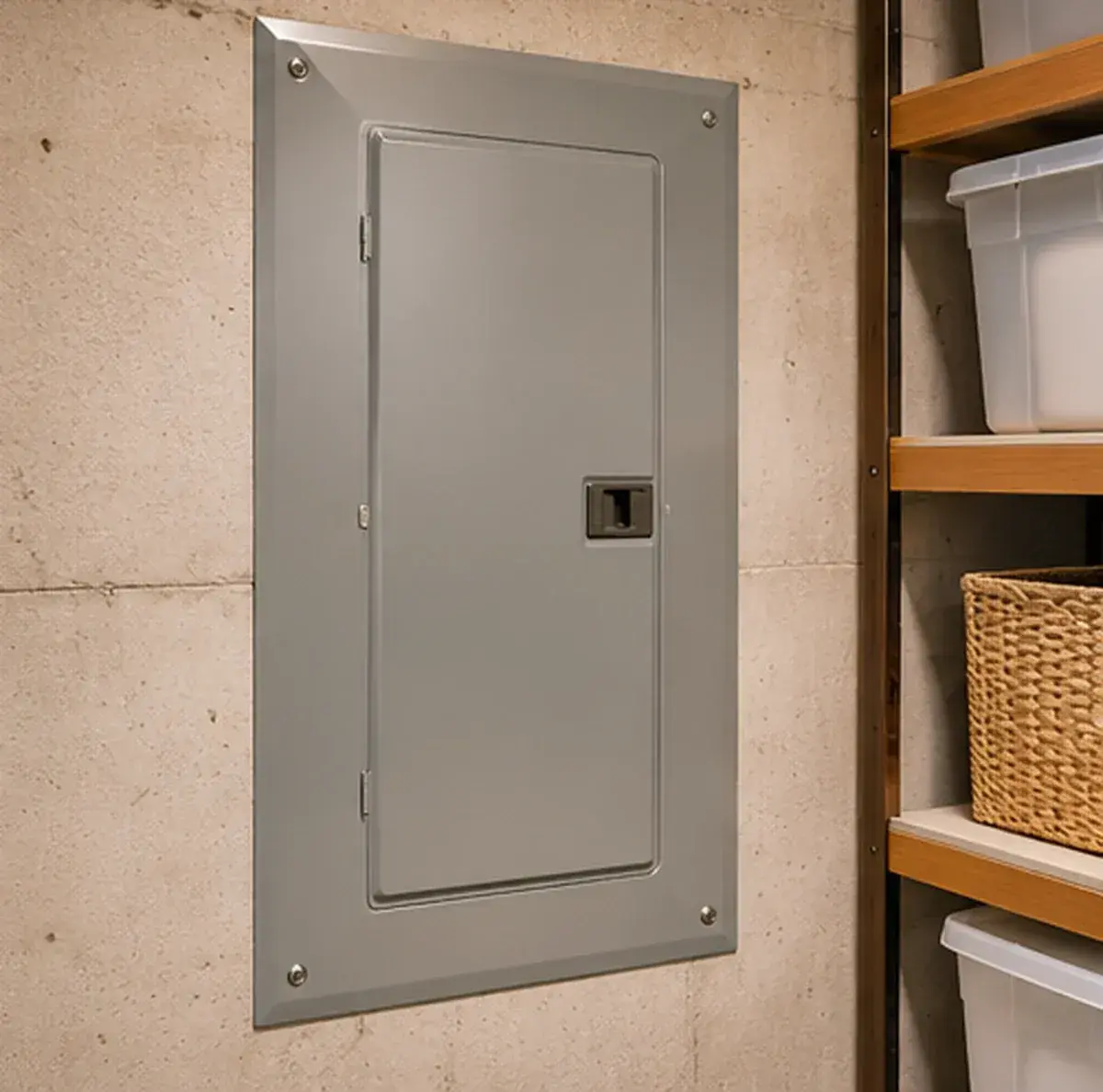
Locate the main water shutoff, electrical service panel, HVAC filter, water heater, and exterior hose connections. Learn what each is for, but do not remove electrical panel covers, adjust gas equipment, or operate unfamiliar valves under pressure. Ask the inspector, utility, or licensed professional to show you the safe owner-level controls.
Create a calendar and a modest reserve for repairs. Fannie Mae and Freddie Mac both recommend organized, recurring home maintenance because neglect can lead to more expensive repairs. The exact schedule should reflect the house type, age, equipment manuals, climate, and any shared responsibilities in a condo or HOA.
Monthly checks: catch small changes early
A ground-level view of exterior siding and landscaping for seasonal inspection.
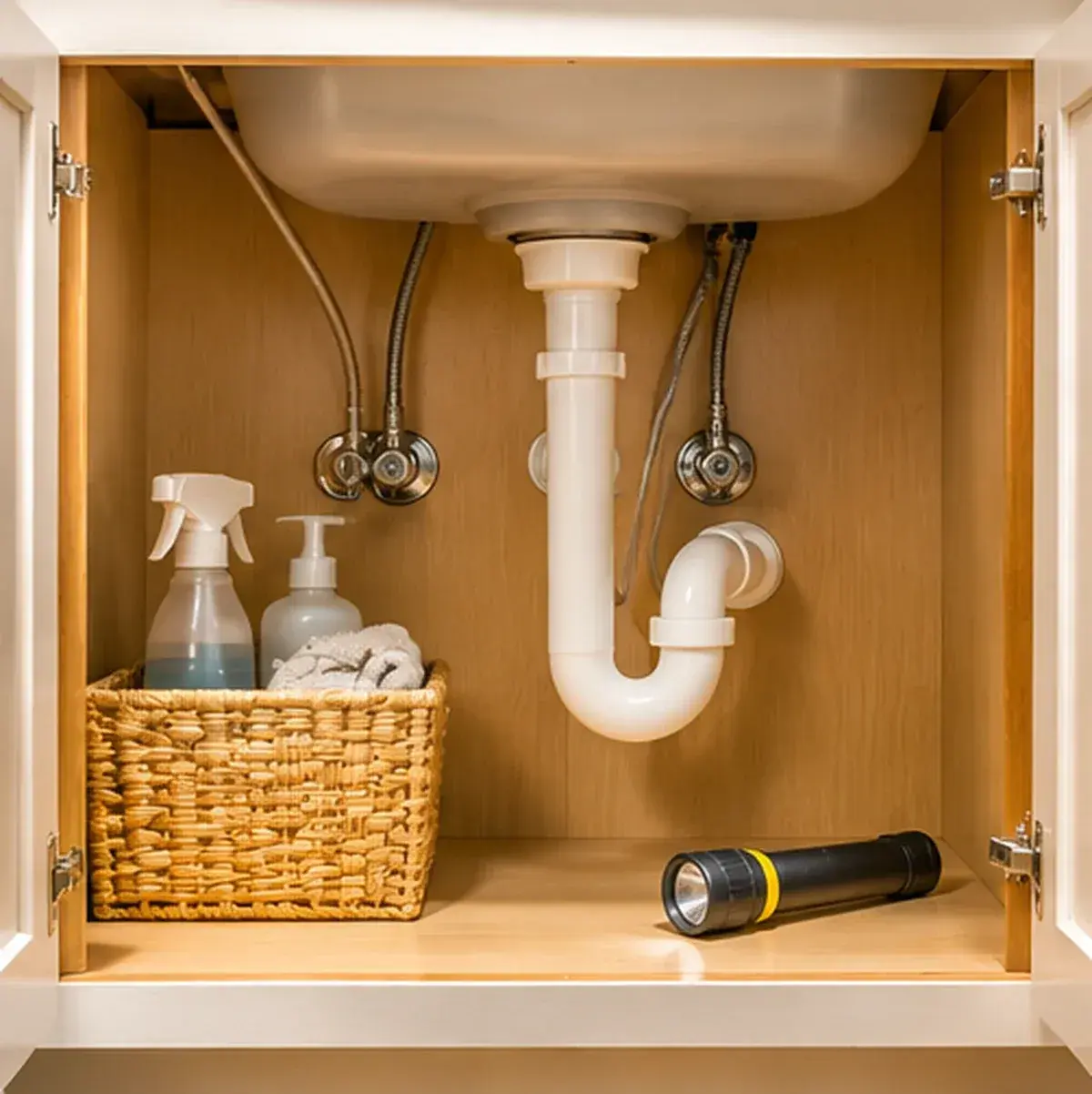
Walk through the home once a month and look for visible water where it should not be: under sinks, around toilets, beside the water heater, below windows, and near the washing machine. Notice new stains, musty odors, loose caulk, slow drains, or changes in water pressure. Record the date and take a photograph if something is changing. A small leak is easier to investigate before it damages cabinets, flooring, or drywall.
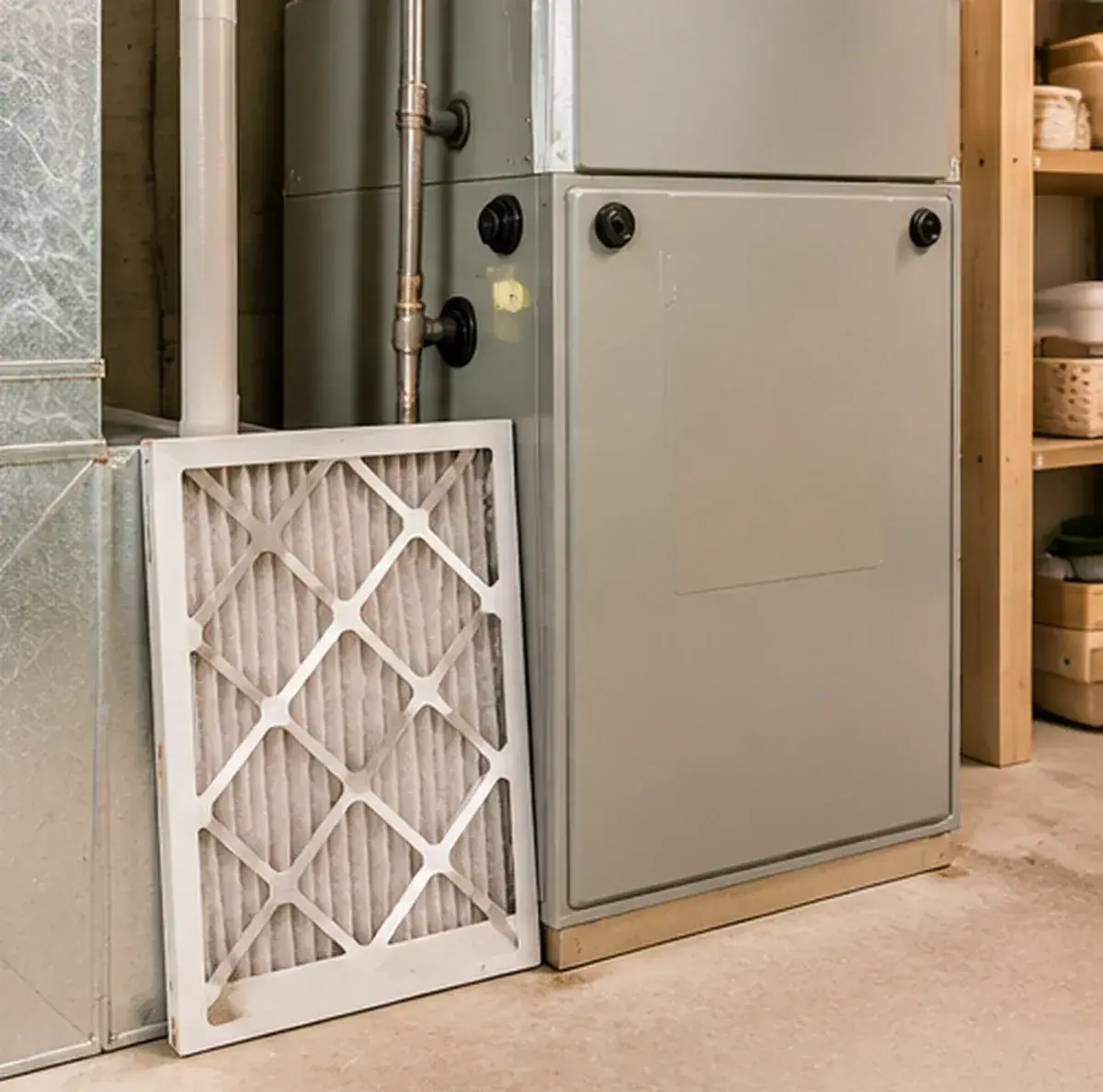
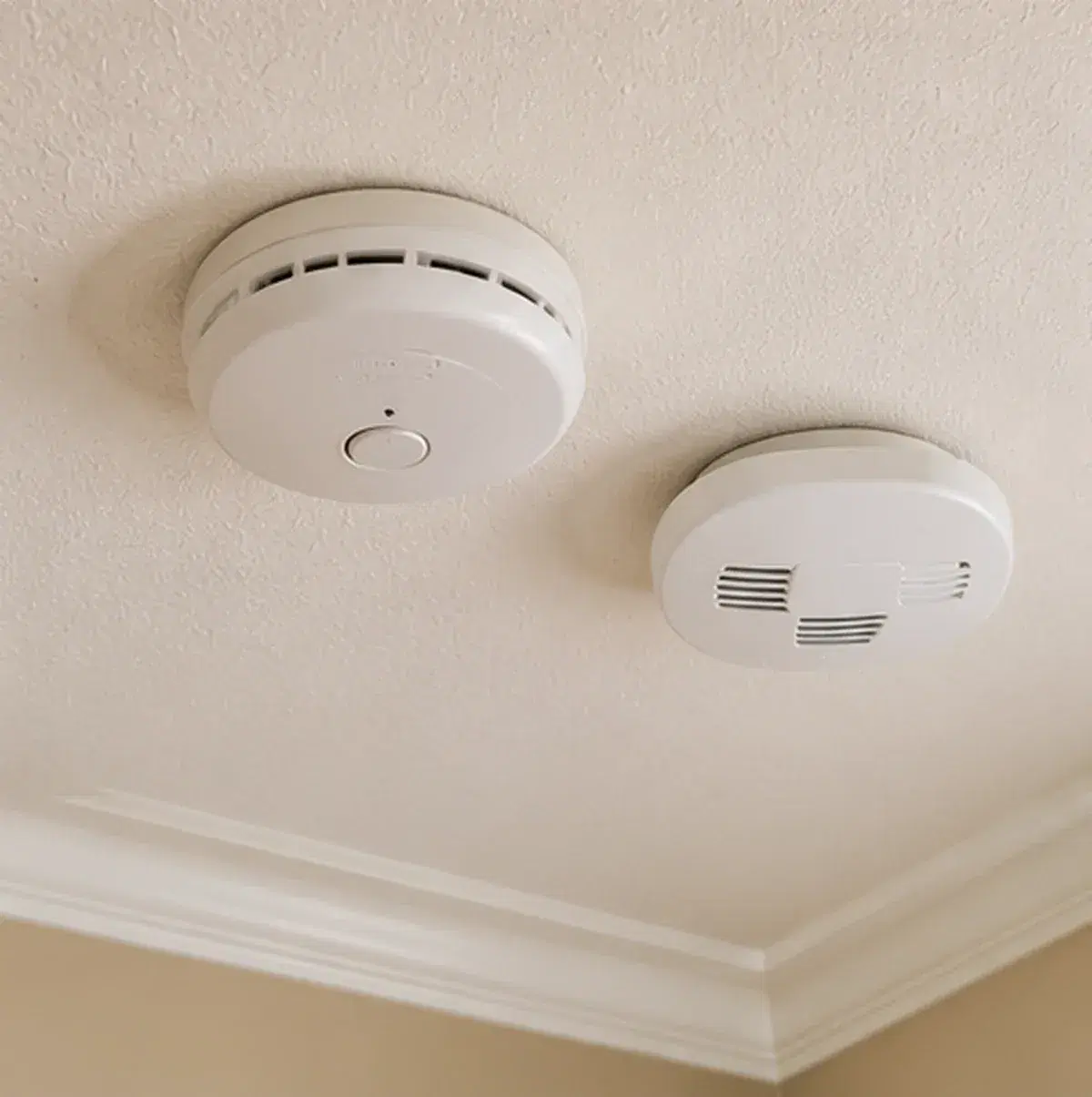
Check HVAC filters and replace or clean them on the schedule and with the size specified by the system manufacturer. A filter that is too restrictive or incorrectly fitted can affect airflow. Keep return grilles and supply registers clear of furniture and dust. Test smoke and carbon monoxide alarms according to their instructions and local requirements, and check that fire extinguishers are accessible and within their service date.
Clean the range hood’s removable filters using the manufacturer’s recommended method. Remove lint from the dryer’s lint screen after each load, and check for visible lint around the laundry area. If airflow is weak or the dryer duct needs attention, arrange professional cleaning rather than disassembling an unfamiliar appliance. Inspect sink and tub drains for slow flow, but avoid mixing drain chemicals or using a product that is not approved for the plumbing.
Quarterly checks: look at the parts that move air and water
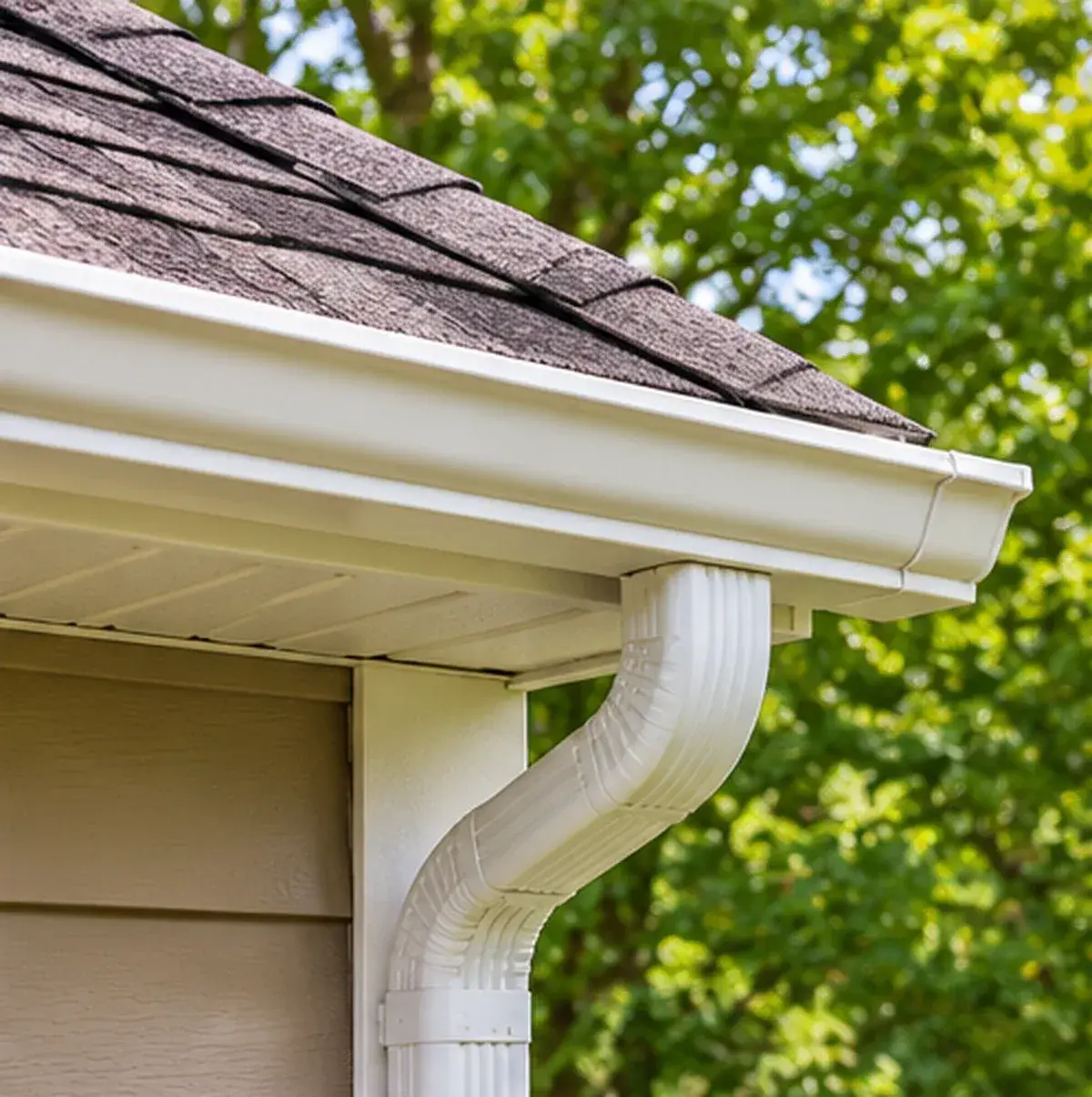
A close view of roof shingles and gutter drainage from a safe inspection perspective.
Every three months, look at accessible plumbing connections, toilet bases, faucet aerators, and appliance hoses. Check for corrosion, bulging, moisture, or a hose that rubs against a sharp edge. Replace damaged hoses using the correct rated part or have a plumber do the work. Keep the area around a water heater dry and clear, and do not adjust temperature, pressure, or fuel controls unless the manufacturer identifies a simple owner task.
Check bathroom and kitchen exhaust fans for dust and make sure their exterior vents are not visibly blocked. A fan that rattles, stops, or fails to move air may need repair. Vacuum accessible floor registers and return grilles. Look at the garage door from inside and outside for unusual noise or visible damage; do not adjust springs or cables, which are under significant tension.
Review the maintenance calendar and receipts. Record filter sizes, service dates, model numbers, and any parts replaced. These notes help you avoid purchasing the wrong item and give a technician a clearer history if a system develops a problem.
Spring: inspect drainage, exterior surfaces, and cooling equipment
An HVAC filter beside a residential heating unit, ready for a scheduled check.
After winter, check the ground around the foundation. Soil and hard surfaces should direct rainwater away from the house rather than toward the basement or crawlspace. Look for settled soil, downspout discharge near the foundation, standing water, or new cracks. A homeowner can observe conditions from the ground, but should not climb onto the roof or attempt structural repairs. Use a qualified roofer when shingles, flashing, gutters, or roof penetrations need inspection.
Clean accessible gutters and downspouts only when it can be done safely from the ground with suitable tools. If the home has high or difficult rooflines, hire a professional. Check that downspout extensions carry water away without flooding a neighbor’s property. Inspect exterior caulk and weatherstripping for gaps, but do not seal drainage openings or building ventilation paths.
Schedule cooling equipment maintenance before the hottest weather if the system requires professional service. Replace the filter as directed, remove leaves from the area around outdoor equipment without opening the cabinet, and keep the manufacturer’s required clearance. If the system makes new noises, leaks refrigerant, or does not cool properly, stop and call a qualified HVAC technician.
Summer: watch moisture, pests, and outdoor water use
Visible plumbing beneath a sink as part of a routine leak inspection.
Summer maintenance is about moisture control as much as heat. Check basements, crawlspaces, and utility rooms for condensation, damp odors, or water after storms. Keep plants and mulch from covering siding or blocking visible drainage points. Check window screens and door sweeps, and repair gaps that allow pests inside. If you see recurring moisture, find the source instead of simply painting over a stain.
Inspect visible exterior paint, deck boards, fences, and steps from a safe position. Look for peeling paint, loose handrails, splintered boards, or rot. Have structural or elevated deck work assessed by a qualified contractor. Clean patio drains and make sure irrigation does not soak the foundation or siding.
If the home has a sump pump, test it only according to its instructions and make sure the discharge line is not visibly blocked. If you are unsure how the pump operates, ask a plumber or basement-water specialist to demonstrate its normal function.
Fall: prepare heating, chimney, and water connections
Smoke and carbon monoxide alarms mounted on a home ceiling.
Before cold weather, replace the heating filter, test the thermostat, and schedule professional maintenance for the heating system as recommended by the manufacturer. Keep combustion-air openings and exhaust vents clear. Never block a furnace vent or flue in an attempt to reduce drafts. If the system uses gas, oil, or another fuel, have combustion and venting concerns assessed by a qualified technician.
If the property has a fireplace or wood-burning appliance, arrange chimney and flue inspection and cleaning with a qualified professional. Keep the area around the fireplace clear, and use only the fuel and operating method the appliance allows. Test smoke and carbon monoxide alarms, review the family emergency plan, and know how to contact emergency services.
Disconnect garden hoses before freezing conditions, shut off and drain exterior hose connections when the plumbing arrangement allows it, and install an appropriate faucet cover where useful. If you have an irrigation system, follow the system manufacturer’s winterization instructions or hire a service provider. Do not use compressed air on unfamiliar plumbing without proper knowledge and equipment.
Winter: protect indoor temperatures and monitor vulnerable areas
During cold periods, maintain the indoor temperature recommended by the home’s systems and local guidance. Open cabinet doors around vulnerable plumbing only when appropriate, keep indoor air moving, and know where the main water shutoff is located. If a pipe appears frozen, do not use an open flame or high-heat device. Contact a plumber if you cannot safely resolve the situation.
After heavy rain, snow, or wind, check ceilings, window corners, basement walls, and the floor around exterior doors for signs of water. Look for branches close to the roof and note visible damage from the ground. Do not climb onto a snowy roof or use a ladder in icy conditions. Use a qualified contractor for roof, chimney, or tree work.
Keep walkways clear and use de-icing products that are appropriate for the surface. Check that exterior lights work and that handrails are firm. A safe entry is part of maintenance because slippery steps and loose rails can create immediate risks.
Annual review: plan systems, records, and repair priorities
Once a year, review the condition of the roof, exterior, foundation, plumbing, heating and cooling, appliances, and safety devices. Some checks may be visual observations; others require a professional inspection. Use the inspection report from purchase as a baseline, but do not assume that a system will remain in good condition simply because it passed an earlier inspection.
Create a list of issues and sort them by urgency: active leaks and safety problems first, systems that are failing next, and cosmetic improvements last. Get more than one estimate for major work where practical, check contractor credentials and insurance, and keep written scope and warranty information. For older homes, consider whether lead-safe practices are needed before disturbing paint.
Review insurance, HOA responsibilities, and local requirements. A condo owner may be responsible for interior fixtures but not the roof or exterior drainage. A single-family owner may have different duties. The goal is to know who is responsible before a problem occurs.
A practical maintenance log to keep
Use a simple spreadsheet or notebook with columns for date, location, observation, action taken, service provider, cost, and next due date. Add photographs for cracks, stains, equipment labels, and repairs. Save receipts and warranty documents in the same folder. If a system is serviced, write down what was done and what the technician recommends next. This record helps you notice recurring issues and gives future contractors useful context.
Which jobs should a first-time homeowner not improvise?
Do not open electrical panels, alter wiring, repair gas lines, climb onto a roof, adjust garage-door springs, remove suspected lead paint, or work on structural components without suitable qualifications. A homeowner checklist is a way to notice concerns and arrange the right help, not a substitute for training or local code requirements. For a pre-1978 house, review EPA lead-safe guidance before disturbing paint. For urgent conditions such as a gas odor, smoke, or active flooding near electrical equipment, leave the affected area and contact the appropriate emergency or utility service.
How to build a realistic home maintenance budget
Begin with the inspection report and the age of major systems rather than choosing one universal savings percentage. A newer home with recent equipment may need a different reserve from an older house with aging plumbing, original windows, or a roof nearing the end of its expected service life. List likely near-term needs, ask contractors for written estimates, and separate routine servicing from major replacements. Keep an emergency reserve for unexpected leaks, heating failures, or storm damage, but do not delay an urgent safety repair just because the reserve is small. Track actual spending for the first year. Those records will help you understand the home’s real maintenance pattern and make the next year’s budget more accurate.
Frequently asked questions
What should a first-time homeowner do every month?
Check visible plumbing for leaks, review HVAC filters, test alarms according to their instructions, inspect drains, clean the dryer lint screen, and look for unusual changes.
How often should a home receive maintenance?
Use monthly and seasonal reminders, then follow the manuals for each appliance and system. Roof, chimney, HVAC, and other specialist checks depend on condition, climate, and local guidance.
What maintenance can a homeowner do safely?
Many owners can replace accessible filters, clean removable surfaces, observe visible leaks, test alarms, and keep vents clear. Electrical, gas, roof, and structural work should go to qualified professionals.
Should a condo owner follow the same checklist?
Use the same indoor checks, but review HOA or condominium documents to identify who maintains roofs, exterior walls, common plumbing, and shared systems.
Sources and further reading
[1] Fannie Mae: Regular Home Maintenance. https://yourhome.fanniemae.com/own/regular-home-maintenance
[2] Freddie Mac: Home Maintenance Checklist. https://myhome.freddiemac.com/resources/home-maintenance-checklist
[3] Freddie Mac: Printable Home Maintenance Checklist. https://myhome.freddiemac.com/docs/home_maintenance.pdf
[4] U.S. Department of Energy: Whole-House Weatherization. https://www.energy.gov/cmei/scep/wap/whole-house-weatherization
[5] U.S. EPA: Lead-Safe Renovations for DIYers. https://www.epa.gov/lead/lead-safe-renovations-diyers
Sources
- Fannie Mae: Regular Home Maintenance. Checked November 5, 2026
- Freddie Mac: Home Maintenance Checklist. Checked November 5, 2026
- Freddie Mac: Printable Home Maintenance Checklist. Checked November 5, 2026
- U.S. Department of Energy: Whole-House Weatherization. Checked November 5, 2026
- U.S. EPA: Lead-Safe Renovations for DIYers. Checked November 5, 2026
Share this article
Get new guides by email
Practical home articles and free resources. No spam, and you can unsubscribe at any time.
Keep reading
10 Essential DIY Home Tool Kit Items for Beginners
Explore essential DIY home tool kit items for beginners with practical US-focused advice, planning checks, and clear steps for a more comfortable, well-maintained home.
November 2026, 8 min read
7 Point Deep Cleaning Appliance Checklist for Homeowners
Explore deep cleaning appliance checklist for homeowners with practical US-focused advice, planning checks, and clear steps for a more comfortable, well-maintained home.
November 2026, 8 min read

12 Steps How To Winterize An Old House Cheap DIY
Explore winterize an old house cheap DIY with practical US-focused advice, planning checks, and clear steps for a more comfortable, well-maintained home.
November 2026, 9 min read