11 Cheap Backyard Privacy Fence Ideas That Look Stylish
Explore 11 cheap backyard privacy fence ideas, from wood slats and bamboo to lattice, living hedges, and renter-friendly screens. Create a stylish outdoor retreat on a budget.
By Home Crane Editors. . 10 min read.
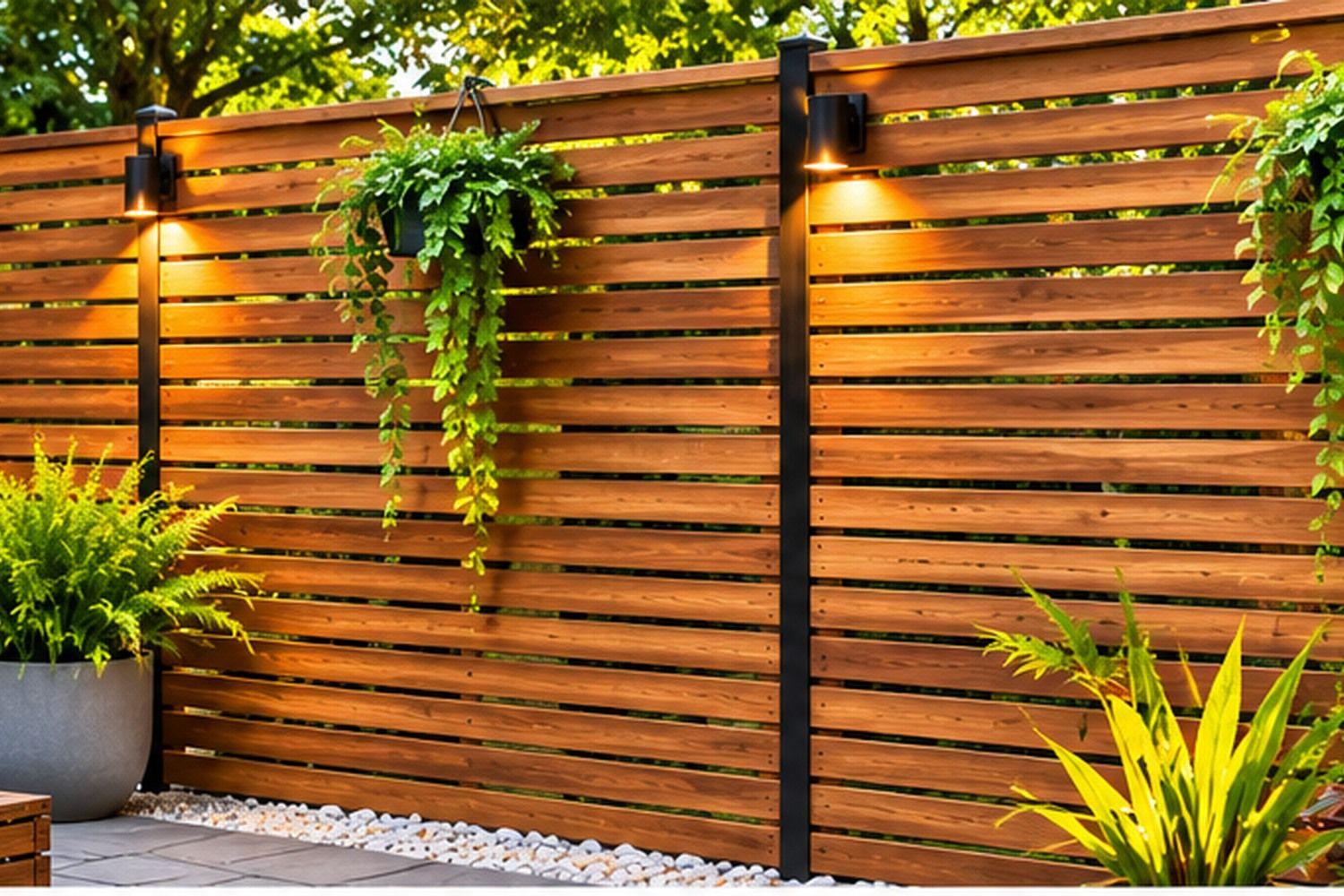
A backyard should feel like an extension of your home, not a stage where every neighbor can see what you are doing. But a full privacy fence can become one of the more expensive parts of an outdoor makeover. The good news is that you do not always need a custom-built fence or costly materials to make a yard feel more secluded.
With thoughtful planning, affordable materials, and a few design details, you can create a privacy screen that looks intentional and complements your landscaping. Some options are best for renters or small patios, while others work as longer boundary fences. The right choice depends on how much privacy you need, your climate, local rules, and whether you are screening an entire property or just one seating area.
Below are 11 cheap backyard privacy fence ideas that balance budget, appearance, and practical use.
What to Consider Before Choosing a Cheap Privacy Fence
Before buying materials, decide what you need the fence to do. A screen that hides a patio from one neighboring window may not need to run around the whole yard. Measure the area, identify the main sightlines, and consider whether you need full visual privacy or simply a softer boundary.
Check property lines, local height limits, permits, easements, and homeowners association rules before building. In the United States, contact 811 or the appropriate local utility-location service before digging post holes. A tall, solid fence can also experience substantial wind loads, so posts, footings, and connections must suit the height, soil, and local exposure.
Think about maintenance as well. Untreated wood may weather, fabric can fade, bamboo can deteriorate in wet conditions, and living screens need watering and pruning. A low purchase price does not always mean the lowest long-term cost.
1. Horizontal Wood Slat Fence
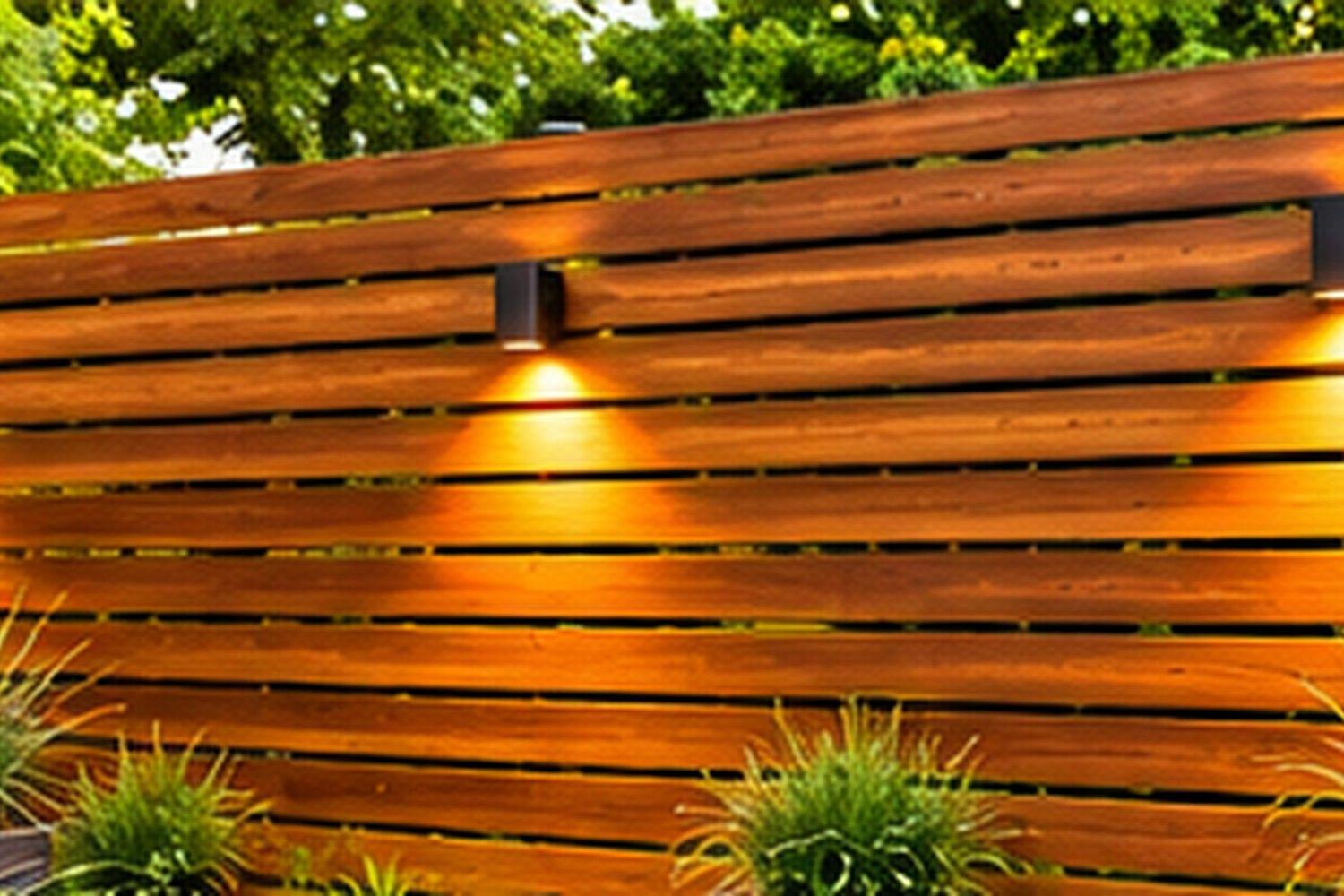
A horizontal wood slat fence is one of the easiest ways to give a backyard a modern, polished appearance. Long boards create clean lines that can make a narrow yard feel wider. Use affordable exterior-rated lumber, simple posts, and a consistent spacing pattern to keep the design restrained.
For stronger privacy, install boards close together or use an overlapping layout. Wider gaps create a lighter screen but allow more views through. A warm stain, dark posts, and a few ornamental grasses can make a basic fence look custom without adding elaborate details.
Budget tip: Compare local prices for cedar, pressure-treated pine, and other exterior-rated boards. Choose the grade and finish for your climate, and use compatible exterior fasteners.
2. Bamboo Privacy Fence
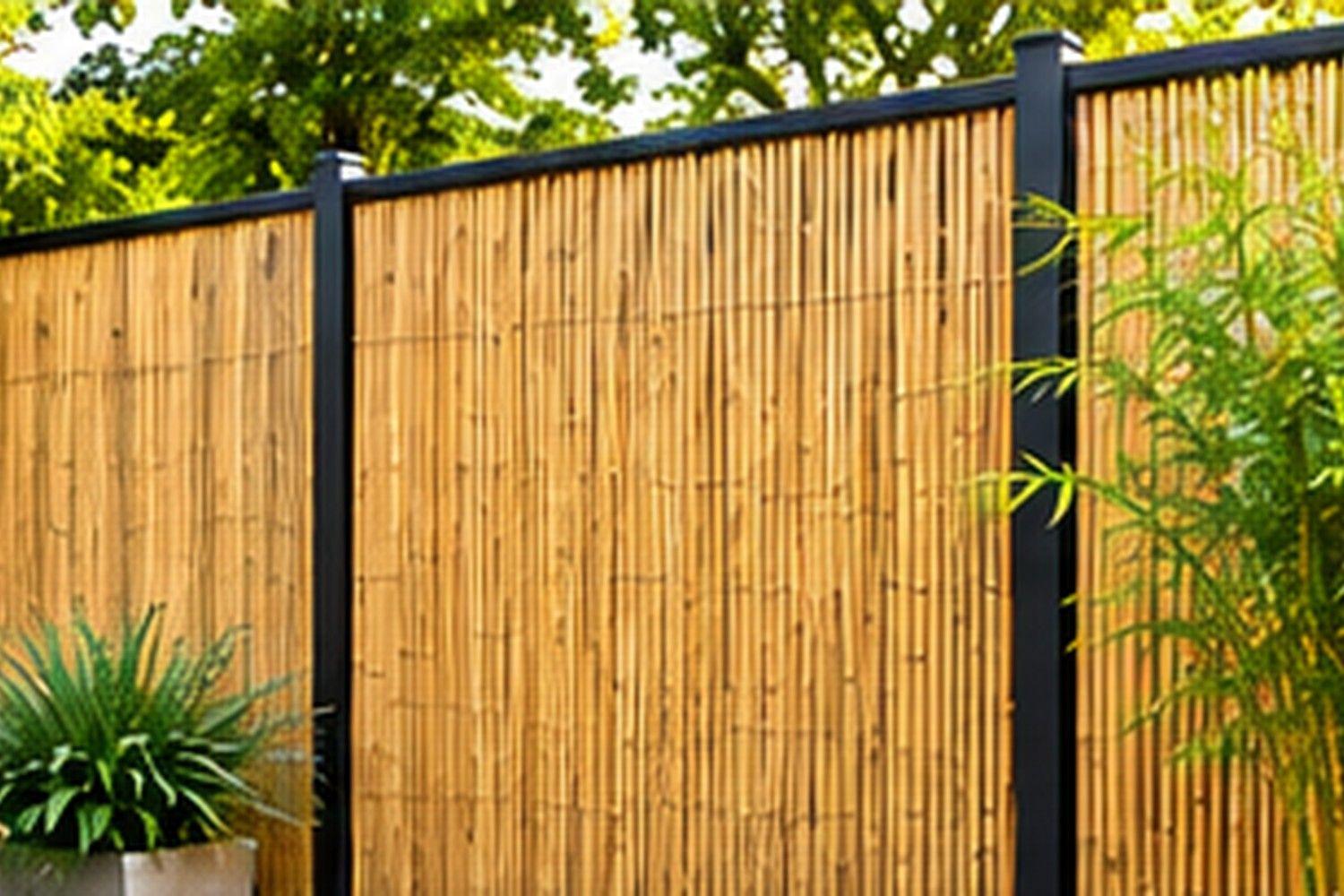
Bamboo screening brings a natural, relaxed look to a patio or garden. Roll-style bamboo fencing can be attached to a suitable existing fence or frame, while preassembled panels can create a more structured screen. Its warm color pairs well with tropical plants, gravel, and simple outdoor furniture.
Bamboo is particularly useful for screening a small area rather than enclosing a large property. Check the quality of the binding and frame, and make sure the screen is secured against wind. In persistently wet climates, untreated bamboo may deteriorate more quickly, so look for products intended for outdoor use.
Budget tip: Use bamboo as an overlay on a sound existing structure instead of building a completely new fence.
3. DIY Pallet Privacy Fence
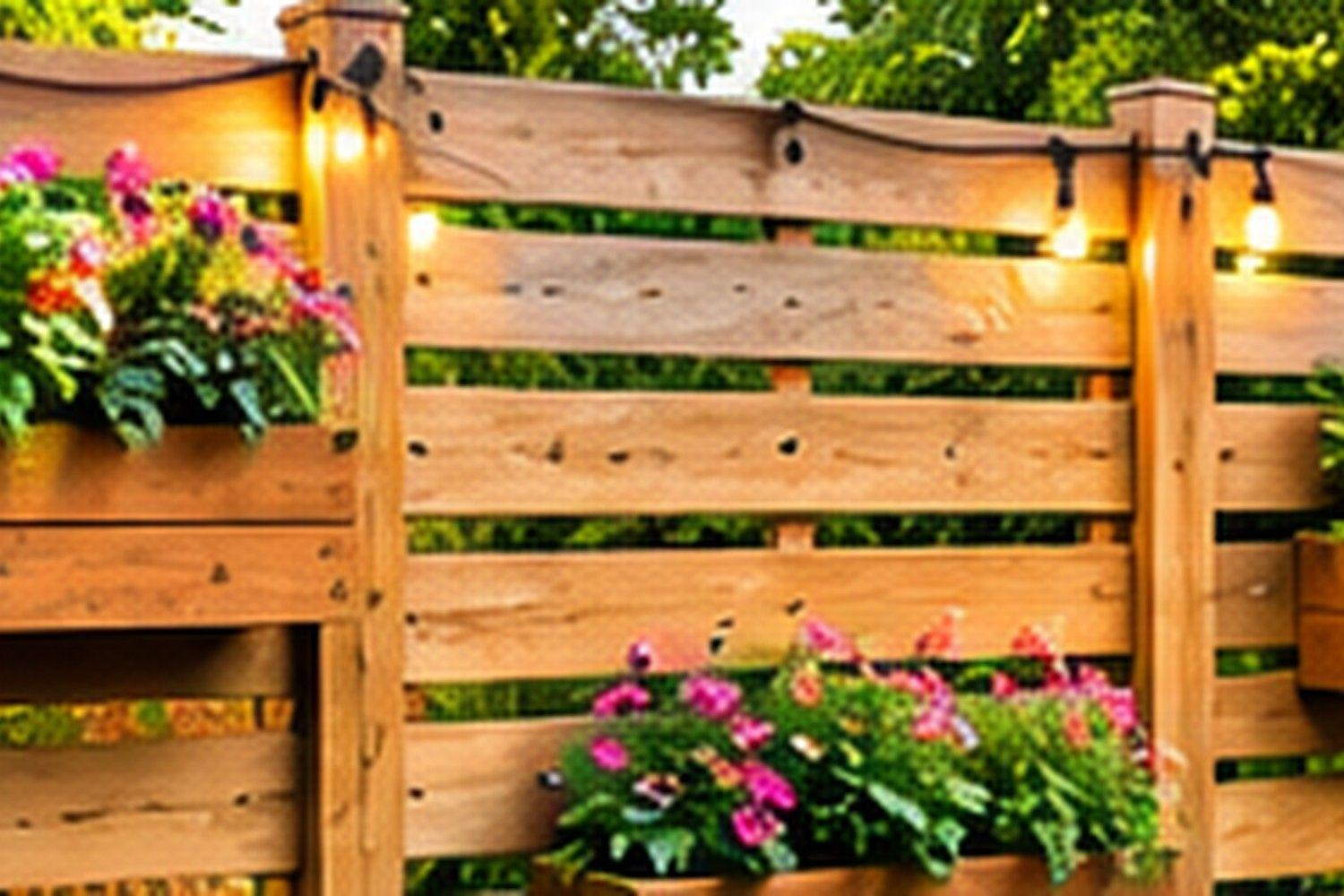
Reclaimed pallets can be repurposed into a rustic privacy screen, especially around a garden, compost area, or informal seating nook. Their weathered texture gives the yard a casual, handmade character. Pallet boards can also be rearranged into horizontal or vertical patterns.
Choose pallets carefully. Avoid unknown or contaminated materials, and do not assume every discarded pallet is safe to reuse. Look for clear treatment markings and avoid pallets with chemical spills, strong odors, stains, or signs of contamination. Remove protruding nails and splinters, and build a stable frame rather than relying on loose pallets standing upright.
Budget tip: Use reclaimed pallet wood for a short decorative screen or one section of the yard, where fewer boards are needed.
4. Lattice Privacy Screen With Climbing Plants
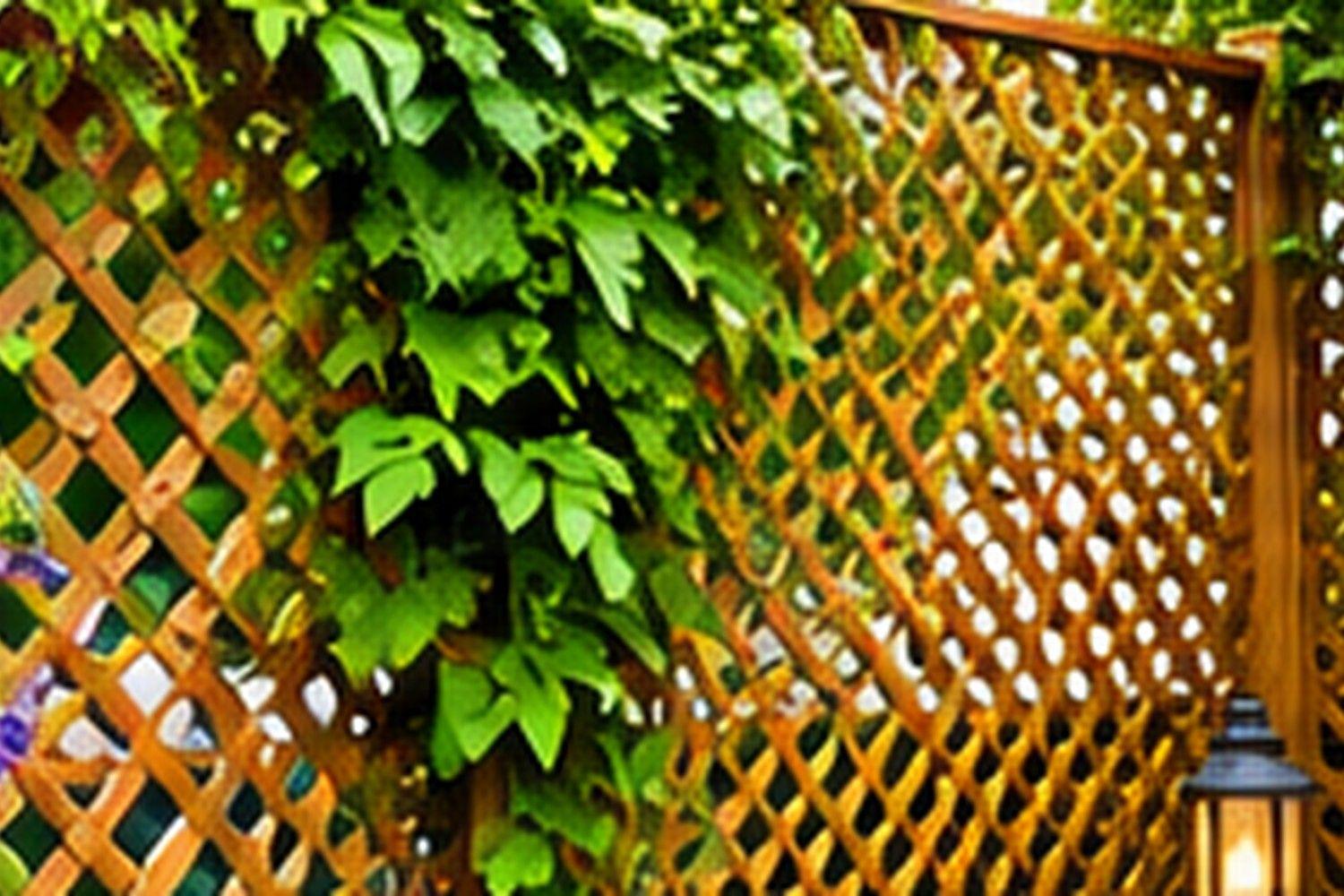
A wood or vinyl lattice panel is an affordable way to soften a patio boundary. The open pattern lets light and air through, while climbing plants gradually add coverage and greenery. It works well beside a seating area, outdoor dining space, or garden path.
Lattice is not a fully private barrier on its own. The amount of screening depends on the pattern, viewing angle, and plant coverage. Choose climbers suited to your climate and the amount of sunlight, and provide a support system that can carry the mature plant weight.
Budget tip: Install lattice only where you need screening, such as behind a bench or along one exposed side of a patio.
5. Living Hedge Privacy Fence
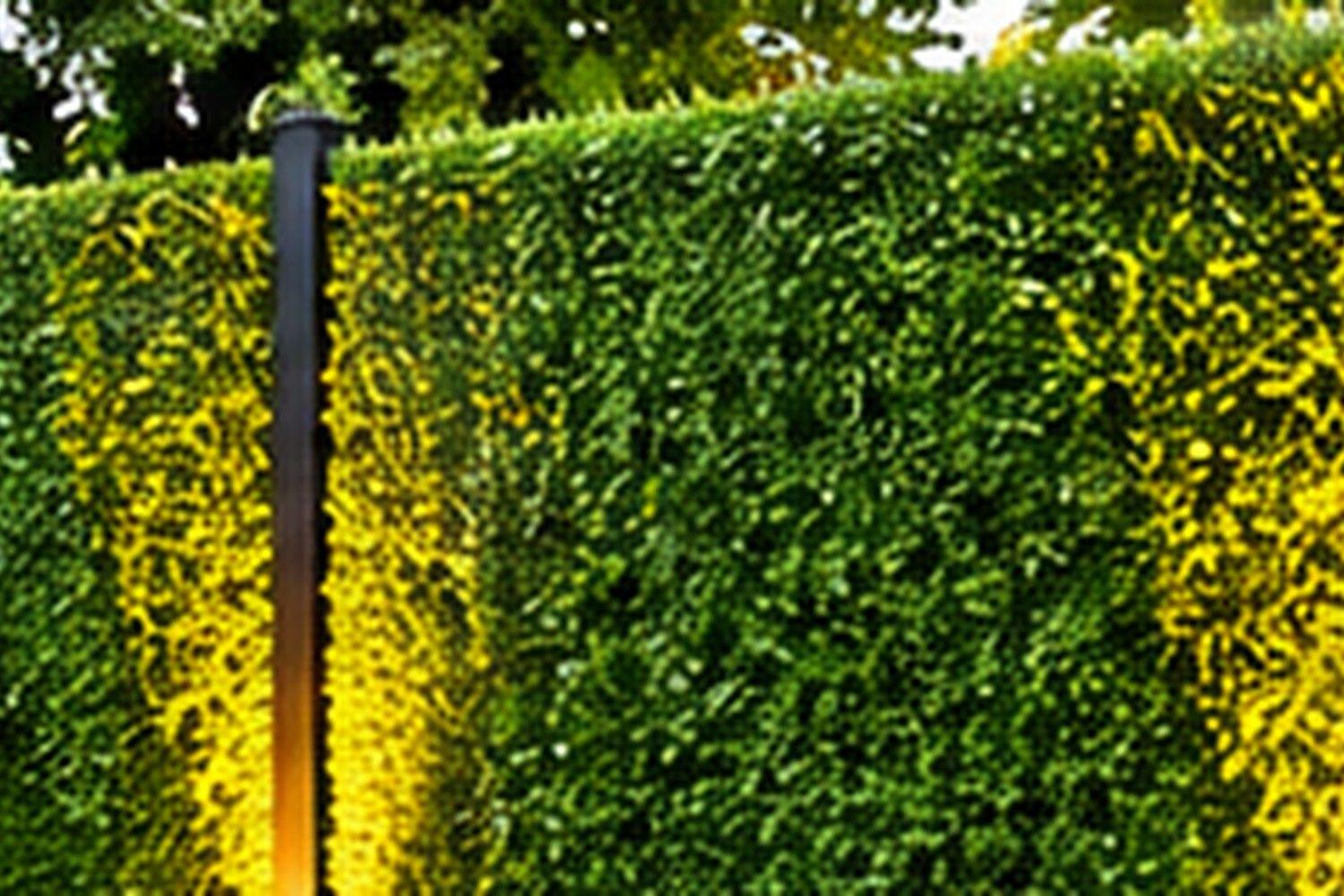
A living hedge can create a lush, natural boundary that blends into the garden. Depending on the region, suitable evergreen shrubs can provide year-round screening, while ornamental grasses or mixed planting can create a softer seasonal barrier.
This option takes time. Small plants cost less initially but need time to fill in, and a hedge requires watering, pruning, and occasional replacement. Check the mature height and spread before planting so the hedge does not block paths, crowd neighboring property, or interfere with utilities.
Budget tip: Plant smaller shrubs at the spacing recommended for their mature size, and fill the foreground with inexpensive mulch rather than buying large, mature specimens.
6. Corrugated Metal and Wood Fence
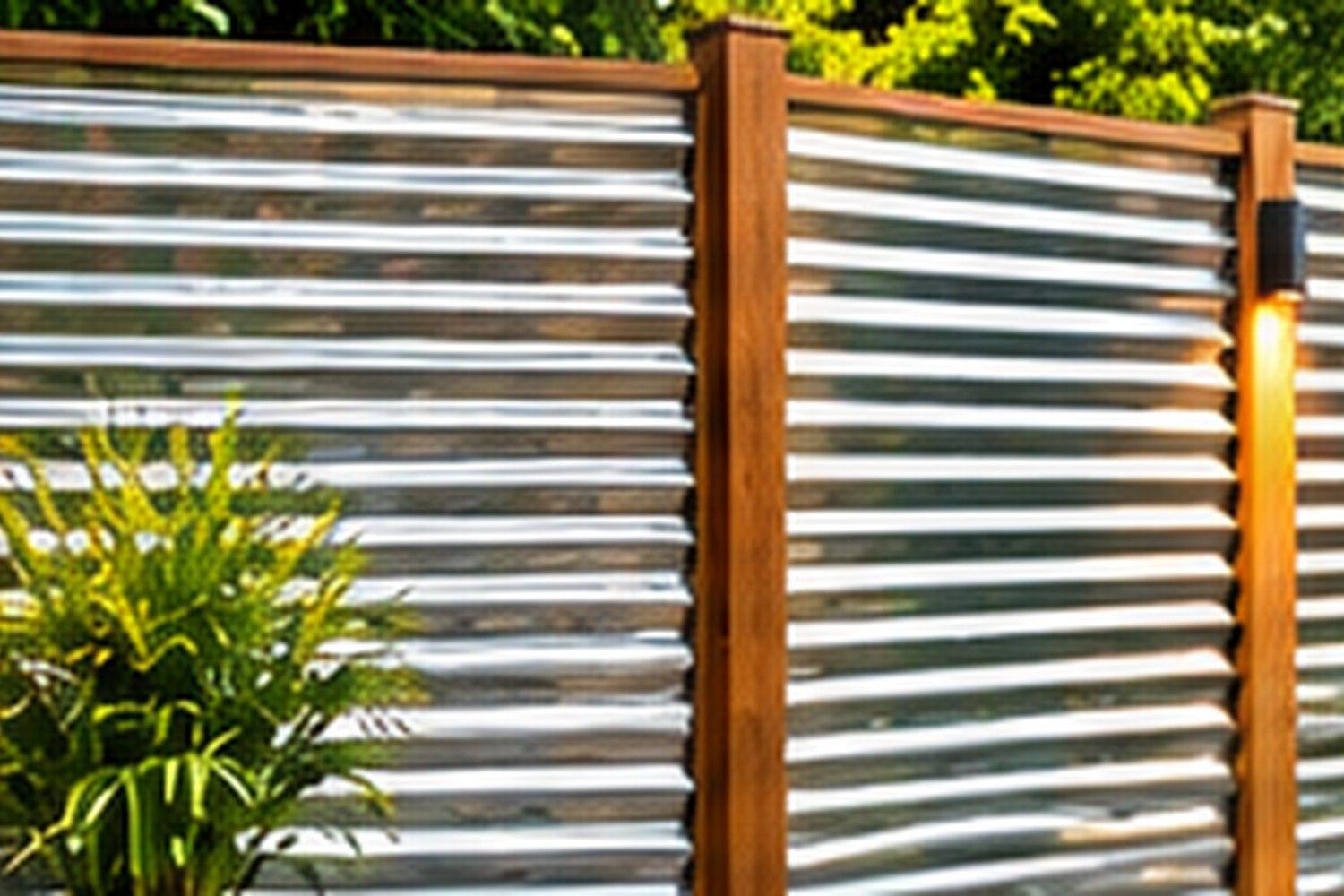
Corrugated metal panels framed with wood create an industrial-modern look. The ribbed metal adds texture, while timber posts and rails make the design feel warmer and more residential. This combination can be practical for screening utility areas or creating a strong boundary.
Use panels and fasteners designed for exterior exposure. Pay attention to sharp edges, corrosion protection, drainage, and wind loading. Metal panels can catch wind, so the frame and post system need to be designed for the local conditions. Check whether reflective surfaces or drainage runoff could affect neighboring properties.
Budget tip: Use corrugated panels for a short feature section rather than the entire property line, and compare the cost of new panels with suitable reclaimed materials.
7. Reed or Willow Fence Rolls
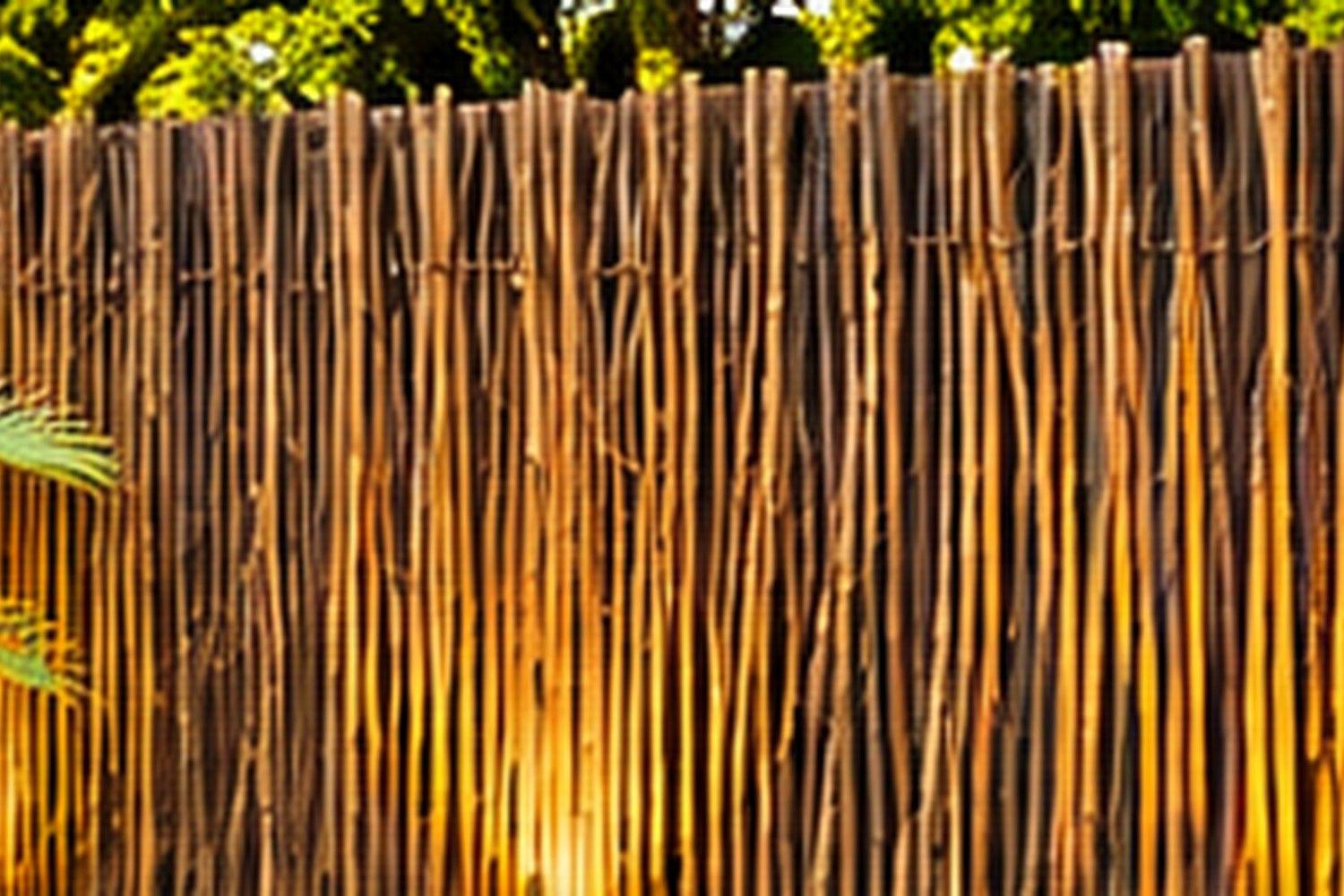
Reed and willow screens bring a natural texture to a backyard and can be attached to an existing fence or a simple supporting frame. They are especially effective for disguising a chain-link fence or adding privacy to a balcony, patio, or garden corner.
The level of privacy depends on the density and quality of the roll. Natural screening may weather, fade, loosen, or break down faster than a permanent wood or metal fence. Secure it at multiple points and inspect the ties after storms.
Budget tip: Cover only the most visible section and use planting or outdoor furniture to complete the screen.
8. Outdoor Fabric Privacy Screen
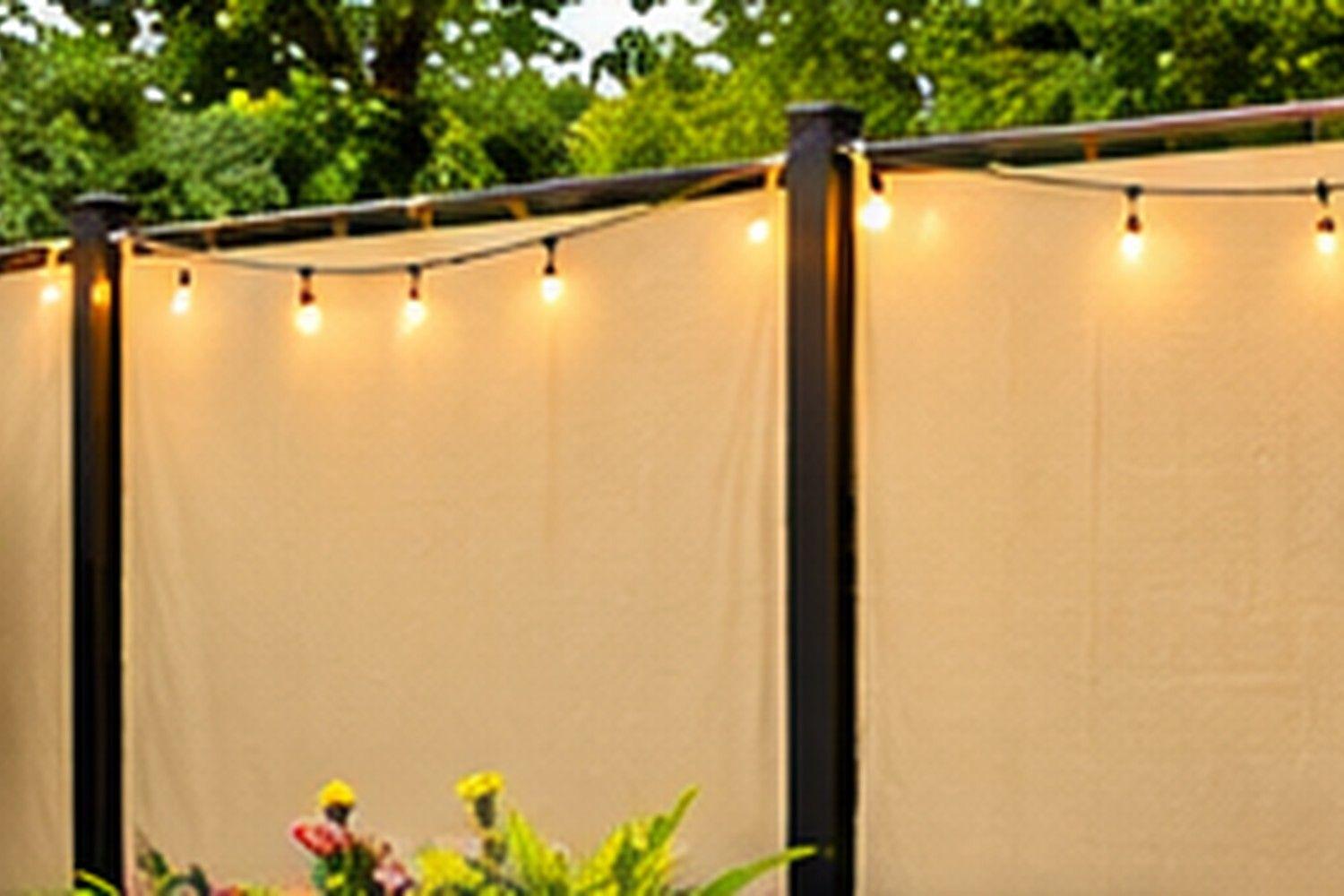
Outdoor fabric panels are a flexible option for renters, patios, and small backyards. They can be mounted to a pergola, balcony frame, or purpose-built posts, and they are available in neutral colors that suit many outdoor styles. Fabric can also be removed or changed seasonally.
Choose fabric made for outdoor use and check its resistance to UV exposure, mildew, and moisture. It is not a rigid security barrier, and wind can put significant force on the supports. Use secure hardware, follow the product's wind guidance, and take panels down when severe weather is expected if the manufacturer recommends it.
Budget tip: A single retractable side panel can screen a dining or lounge area without the cost of a full perimeter fence.
9. Decorative Breeze Block Wall
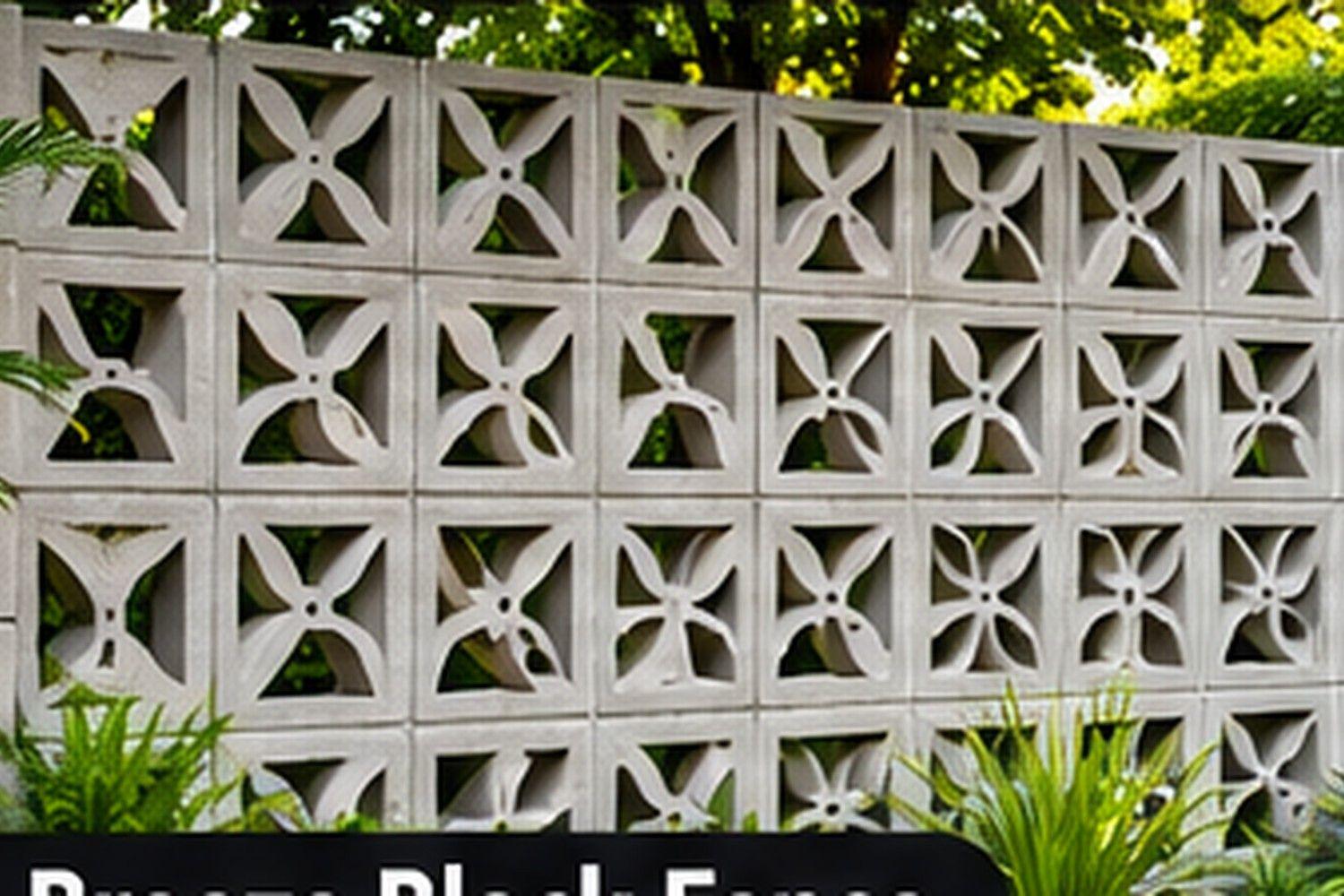
Concrete breeze blocks create a distinctive privacy feature with geometric openings. Their pattern lets light and airflow through while breaking up direct views. A short breeze-block wall can look especially striking beside a simple patio, poolside garden, or modern home.
This option may cost more to install than a lightweight screen because masonry needs a stable base and appropriate construction. The openings also mean it does not provide complete privacy. For a safe and durable result, use a suitable foundation and seek qualified help if you are not experienced with masonry.
Budget tip: Use breeze blocks for a short focal-point wall or entrance screen rather than a long boundary.
10. Gabion Privacy Fence
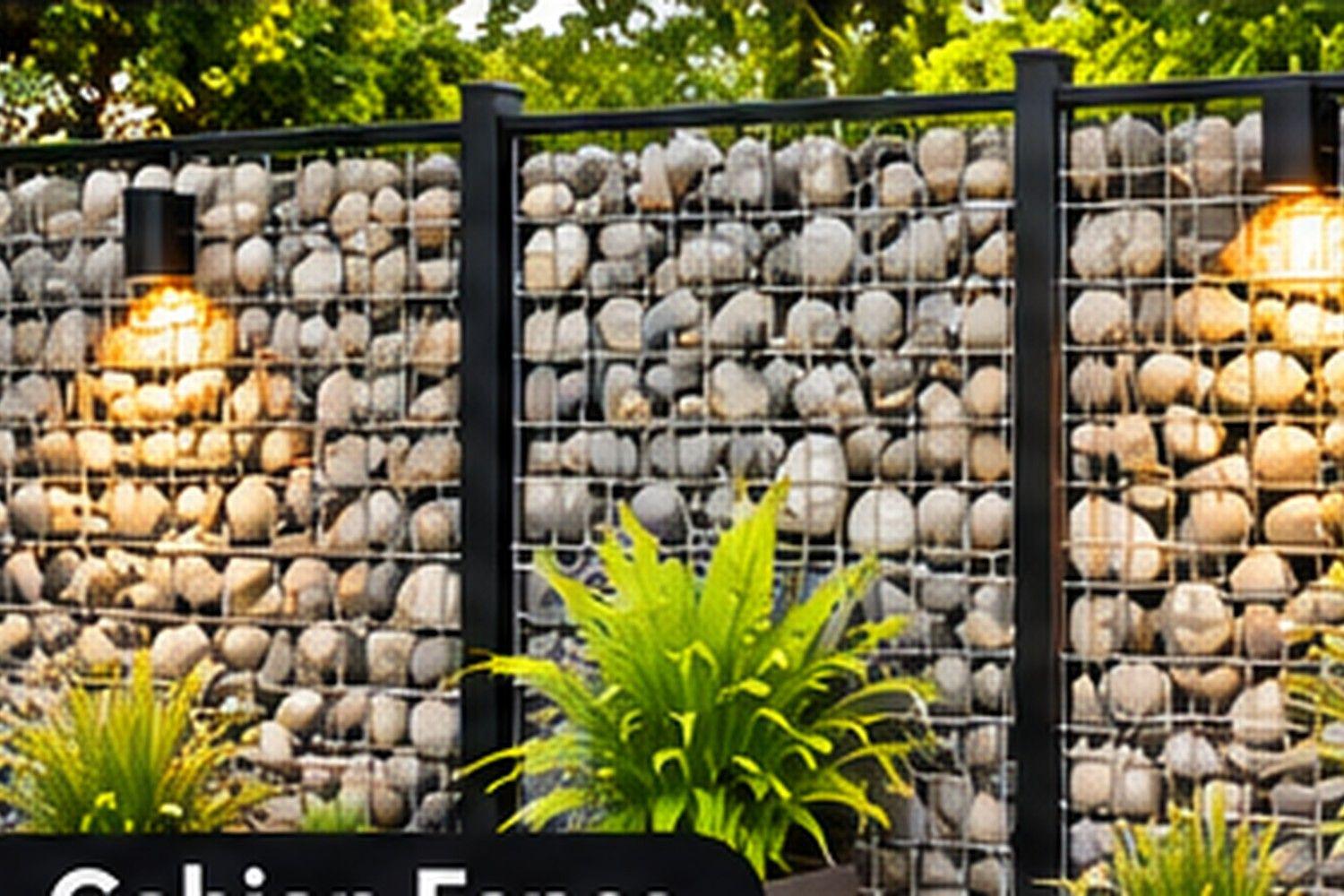
A gabion fence uses wire baskets filled with stone or other suitable aggregate. The textured surface can create a strong landscape feature and may help screen an outdoor seating area. Combining gabions with timber posts or planting can soften the appearance.
Gabions are heavy and require suitable baskets, foundations, drainage, and careful assembly. Do not assume a filled wire cage can simply be placed on soft ground as a tall fence. Check the manufacturer's system details and get professional advice for substantial or retaining structures.
Budget tip: Consider a low gabion section as a garden divider, rather than a tall, continuous privacy wall.
11. Vertical Garden Privacy Fence
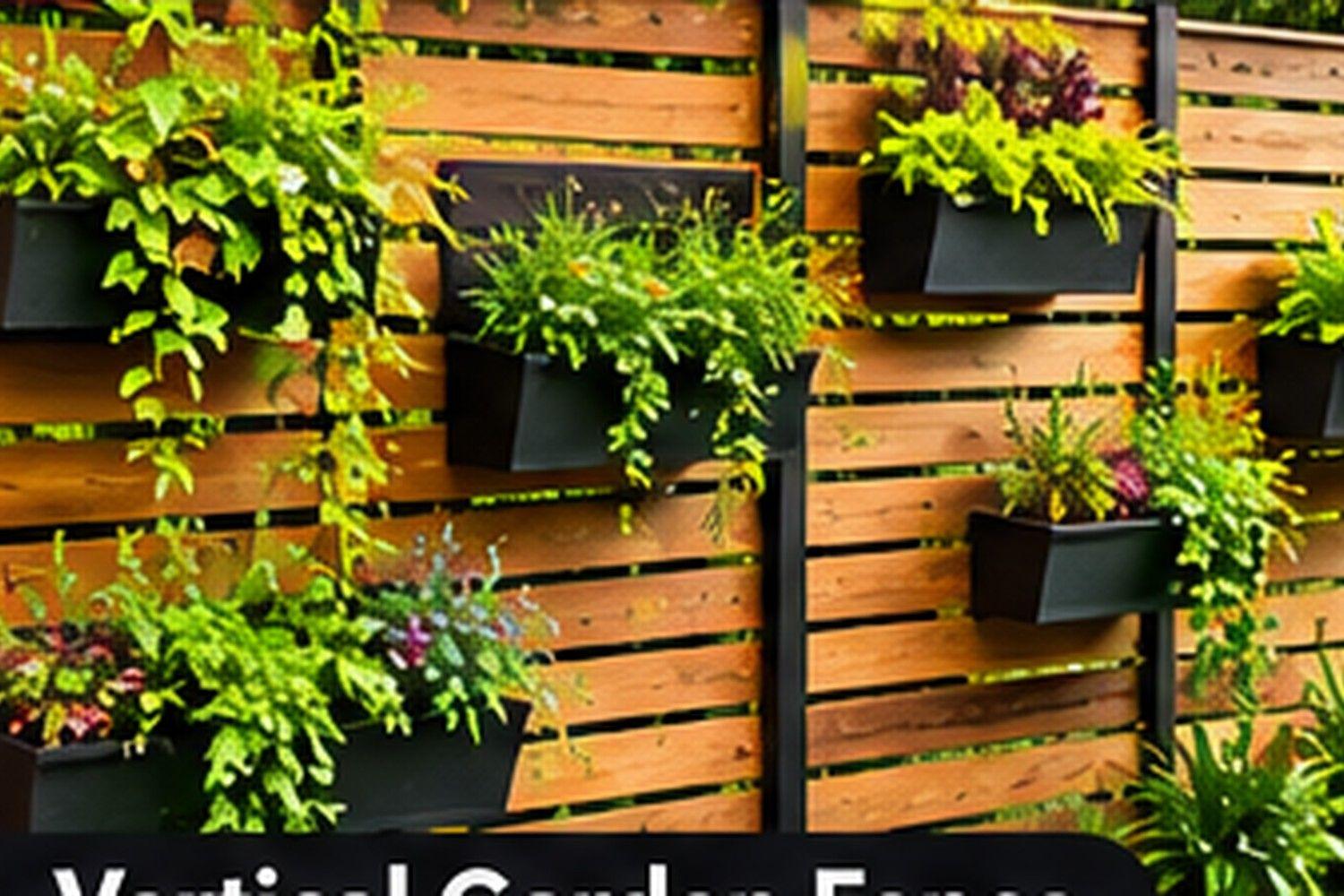
A vertical garden fence combines a simple wood or metal screen with mounted planters. It can create privacy while adding herbs, trailing plants, or compact flowers. This is a smart choice for small yards where there is limited room for planting beds.
Plan for the weight of wet soil and mature plants. Attach planter systems to posts or framing designed to support them, not to thin decorative boards alone. Provide drainage, protect the fence from constant moisture, and choose plants that match the light conditions.
Budget tip: Start with a few lightweight planters in a repeated pattern instead of covering the whole fence at once.
How to Make an Affordable Privacy Fence Look More Expensive
A low-cost fence can look considered when the details are consistent. Choose one main material and repeat it rather than combining several unrelated styles. A simple stain color, clean post caps, and straight board lines often have more visual impact than decorative extras.
Use planting to soften the boundary. Tall grasses, compact shrubs, climbing vines, and large containers can hide awkward transitions and make a basic fence feel integrated with the garden. Leave enough space for plants to mature without pushing against the fence or blocking access for maintenance.
Lighting also helps. A few outdoor-rated low-voltage fixtures or string lights can create a welcoming atmosphere, but keep wiring protected and follow the product instructions. For a cohesive look, coordinate the fence finish with the patio furniture, planters, and exterior trim.
Which Cheap Privacy Fence Is Best for Your Backyard?
The best option depends on your priorities:
- Best modern look: Horizontal wood slats.
- Best natural, relaxed style: Bamboo or reed screening.
- Best reclaimed-material project: A carefully selected pallet screen.
- Best green backdrop: A living hedge or vertical garden.
- Best flexible renter option: Outdoor fabric screening.
- Best architectural feature: Breeze blocks or a short gabion section.
- Best for an existing chain-link fence: Reed rolls, bamboo screening, or a compatible lattice overlay.
For full property boundaries, prioritize structural design, local rules, and long-term durability. For a small patio, a targeted screen may be cheaper and more attractive than building a complete fence.
Frequently Asked Questions
What is the cheapest way to create backyard privacy?
The lowest-cost option depends on what you already have. Adding reed or bamboo screening to a sound existing fence, using a fabric panel for one patio side, or building a small lattice screen can cost less than installing a new perimeter fence. Reclaimed pallets may also be inexpensive, but they need careful selection and safe construction.
What fence gives the most privacy for the money?
A simple wood fence with close board spacing can provide strong privacy and a classic appearance. The value depends on local lumber prices, the required height, post and footing costs, and how much maintenance the finish needs.
How can I make a backyard private without building a fence?
Use tall planters, a living hedge, a pergola with outdoor curtains, movable privacy screens, or a trellis with climbing plants. These solutions can work well for a patio or seating area, although they may not meet property-boundary or pool-barrier requirements.
Are pallet fences safe?
They can be, but only when the pallets are suitable for reuse and the screen is built securely. Avoid pallets with unknown contamination, chemical spills, or damaged boards. Remove protruding nails and splinters, and use a stable frame and appropriate fasteners.
Do I need a permit for a backyard privacy fence?
Rules vary by city, county, and state. Height, location, corner visibility, easements, historic districts, and pool safety requirements can affect what is allowed. Check with your local building or zoning department before construction.
How do I protect a cheap wood privacy fence?
Use exterior-rated lumber, compatible fasteners, and a finish intended for outdoor wood. Keep the bottom of the fence clear of soil, provide drainage and airflow, and inspect for loose boards or decay. Follow the stain or sealer manufacturer's maintenance instructions.
Final Thoughts
A stylish backyard privacy fence does not have to involve an expensive custom installation. Horizontal slats, bamboo rolls, lattice, carefully reused pallet wood, fabric panels, and living screens can all help create a more secluded outdoor space when chosen for the right location.
Start by identifying the views you want to block, then compare the true cost of materials, supports, installation, and maintenance. Check local requirements and plan for wind and drainage before building. A focused privacy screen, finished with thoughtful landscaping and lighting, can make even a modest backyard feel more comfortable and complete.
Sources
- Call 811: Know What's Below Before You Dig. Checked November 7, 2026
- American Wood Council: Design and Construction Resources. Checked November 7, 2026
- International Code Council: Codes and Standards. Checked November 7, 2026
- USDA Forest Products Laboratory: Wood Handbook. Checked November 7, 2026
- U.S. Environmental Protection Agency: Treated Wood Information. Checked November 7, 2026
Share this article
Get new guides by email
Practical home articles and free resources. No spam, and you can unsubscribe at any time.
Keep reading
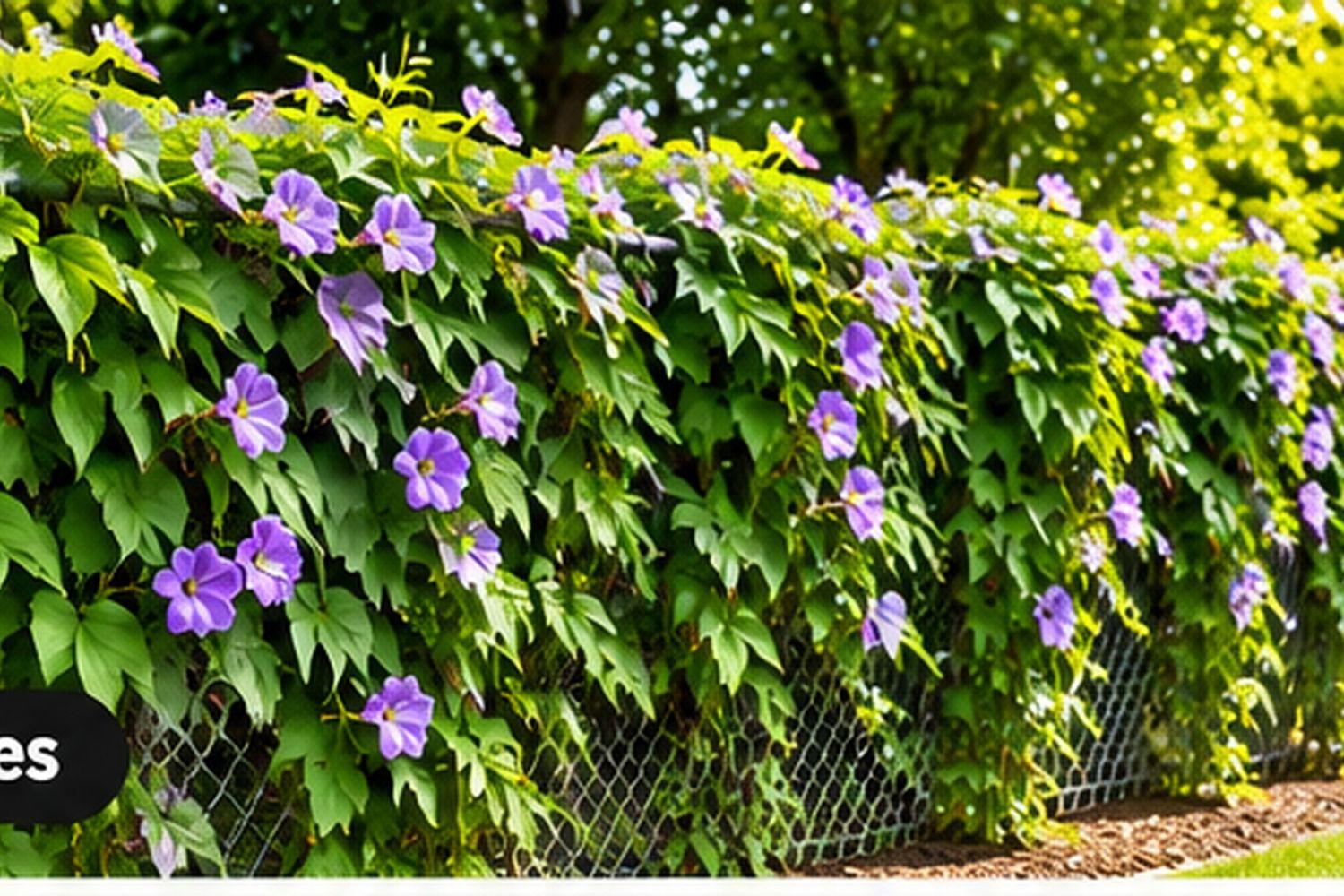
7 Ways to Hide a Chain Link Fence With Plants
A chain link fence is practical, durable, and relatively affordable, but its open metal pattern can make a backyard feel unfinished. The good news is that...
November 2026, 11 min read
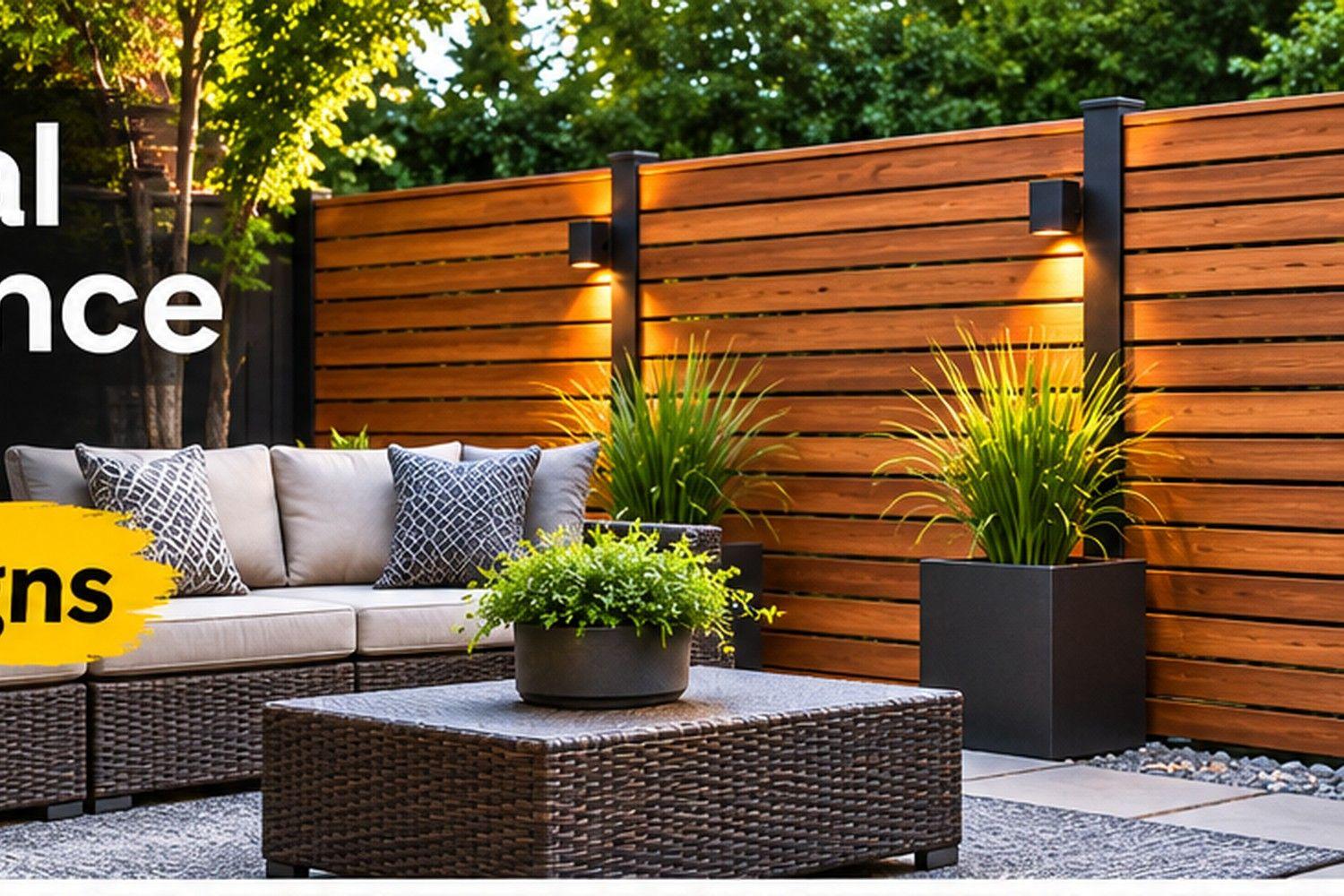
Horizontal Wood Fence Panels: Privacy Designs for a Stylish Backyard
Explore 10 horizontal wood fence panel privacy designs, from cedar slats to metal accents, lighting, and planter features. Get material and planning tips.
November 2026, 9 min read
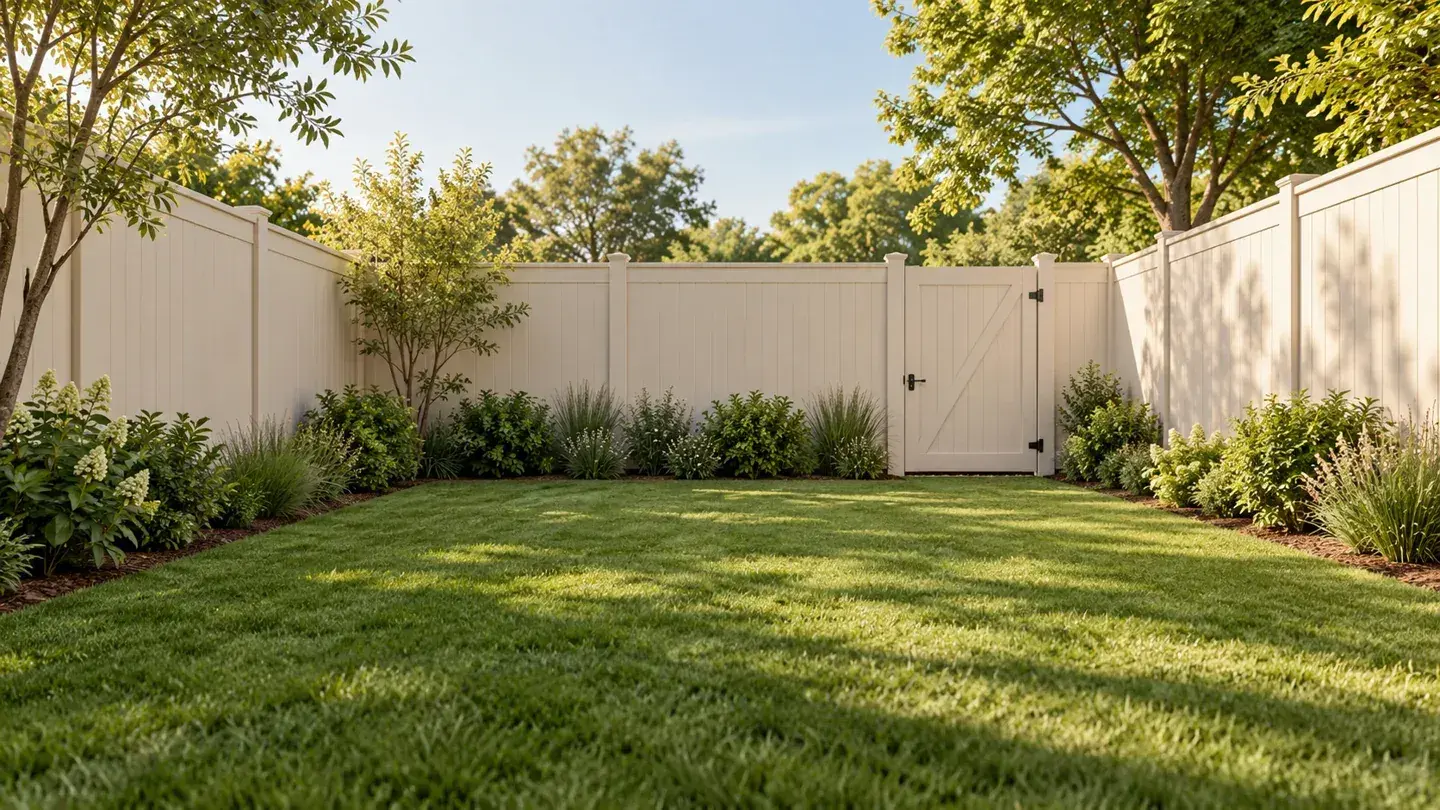
The Best Types of Fencing for Dogs That Jump or Climb
Compare five fencing and enclosure approaches for dogs that jump or climb, with illustrations and practical checks for gates, footholds, and escape routes.
October 2026, 5 min read