The Best Types of Fencing for Dogs That Jump or Climb
Compare five fencing and enclosure approaches for dogs that jump or climb, with illustrations and practical checks for gates, footholds, and escape routes.
By Home Crane Editors. . 5 min read.
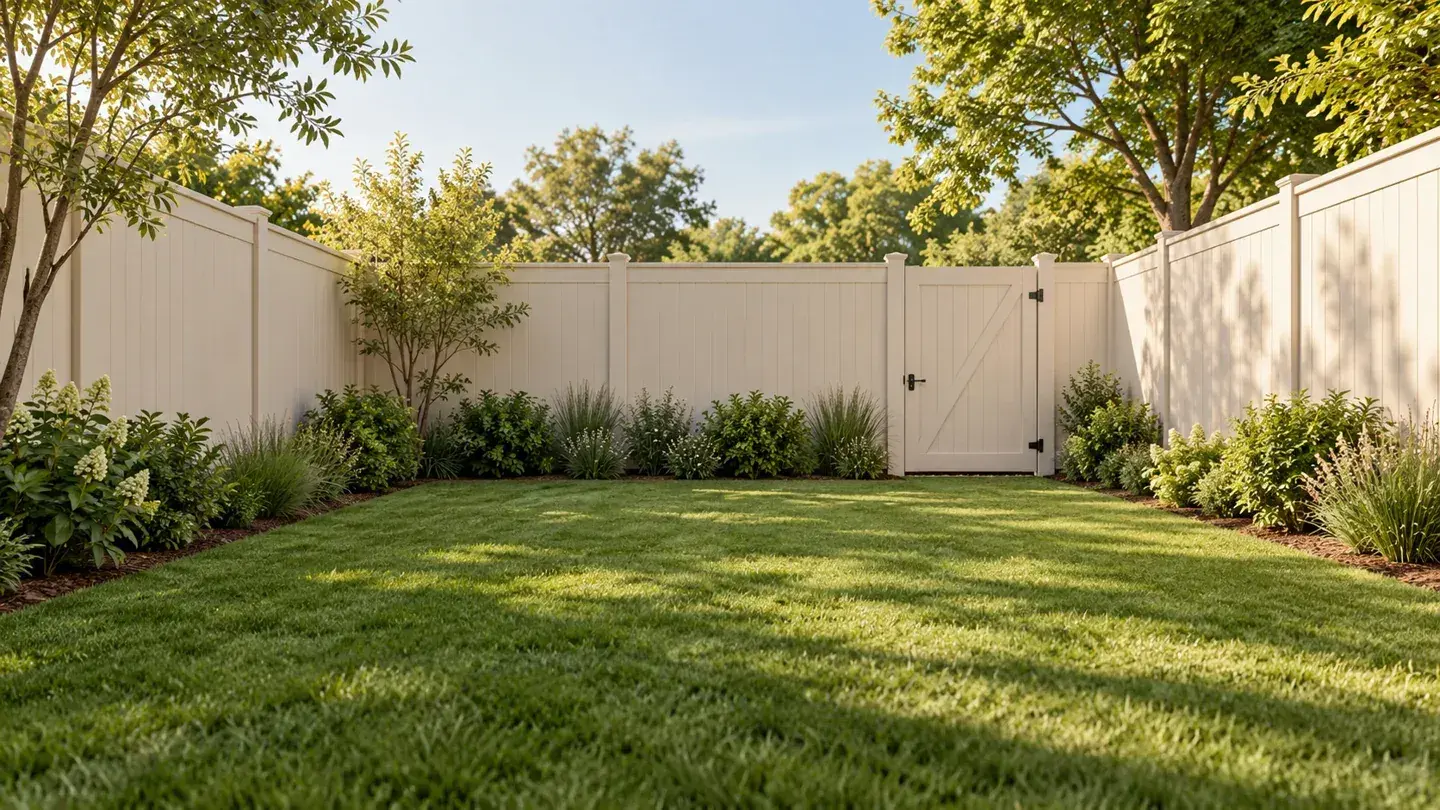
For a dog that climbs, a smooth barrier without easy footholds is usually a better starting point than open chain link. For a dog that can clear a fence outright, changing the surface alone may do little. A purpose-designed covered enclosure may deserve consideration when a taller perimeter fence is impractical or insufficient.
There is no fence height that guarantees containment for every dog. The right choice depends on the dog's demonstrated behavior, the slope of the yard, nearby objects, gate details, and the condition of the entire boundary.
The five options below are design categories to discuss with a qualified fence installer. They are not escape-proof guarantees. Combine physical containment with supervision and attention to the reasons the dog tries to leave.
Start by Identifying the Escape Route
Observe from a safe position rather than encouraging another escape attempt. Is the dog climbing the mesh, pushing through a gap, using a bench as a launch point, or rushing through an open gate? Those are different problems.
The American Kennel Club's fence comparison notes the footholds available in chain link and the climbing implications of fence construction. Its escape-prevention guidance also emphasizes removing helpful objects and improving gate management.
Walk the boundary and photograph corners, grade changes, gate gaps, and structures beside it. Check local height rules, property boundaries, easements, and HOA requirements before requesting estimates. A fence that looks tall from one side may offer a much shorter effective barrier from raised ground on the other.
1. Smooth Solid Vinyl Privacy Fencing
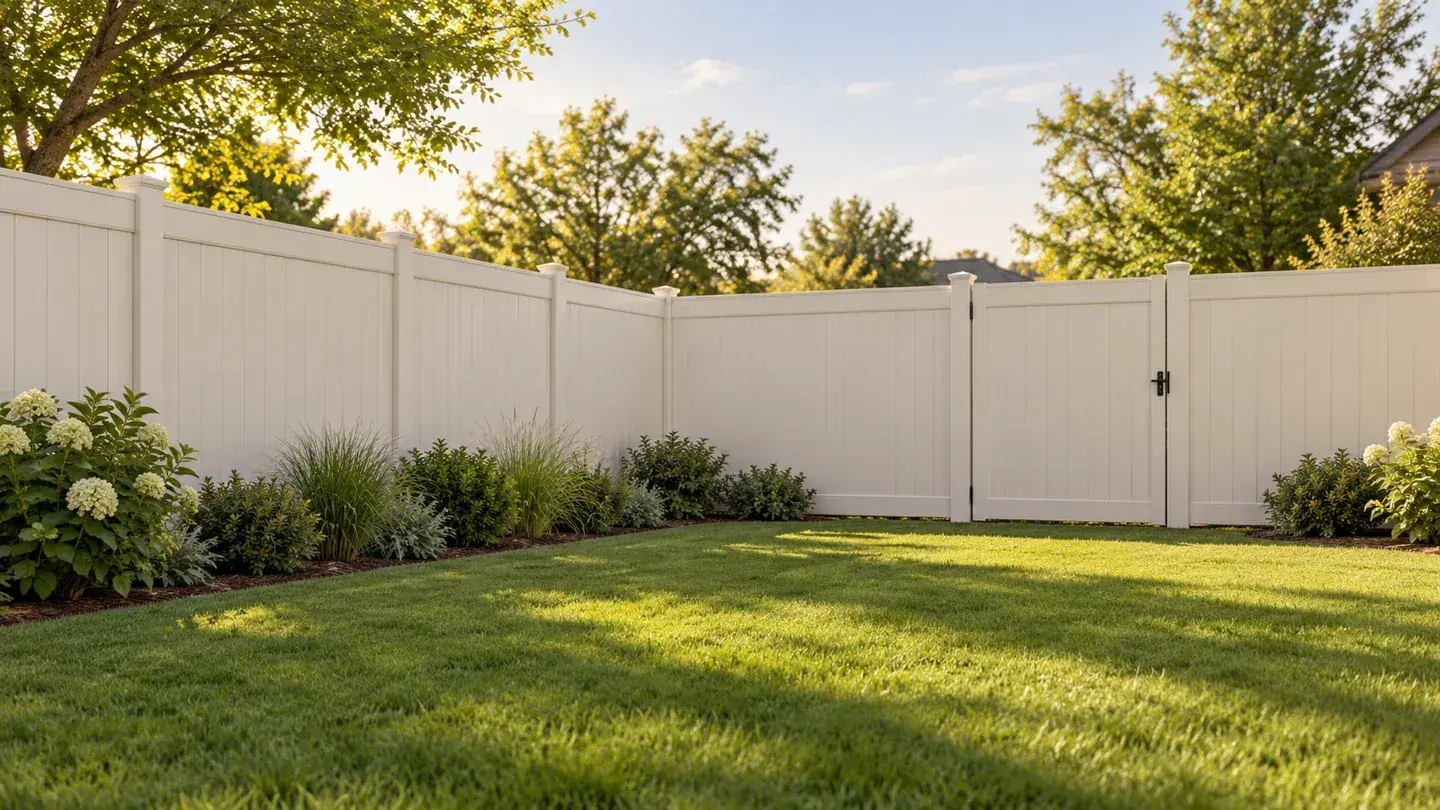
Smooth vinyl panels can reduce the footholds that make some mesh or rail designs easy to climb. They also limit direct views through the fence, which may be useful where movement outside the yard attracts attention.
The complete system matters more than the word vinyl. Ask about panel strength, posts, connections, gate hardware, and suitability for the site's wind and climate conditions. A decorative lightweight screen should not be treated as a containment fence.
Inspect the dog's side of the proposed design. Decorative ledges, adjacent retaining walls, or a raised planter can undermine an otherwise smooth surface. Pay particular attention to corners where two fence runs meet.
This option is worth shortlisting for a climber, but it does not establish a safe height for a jumper. Have the installer address the specific escape behavior rather than selecting a standard panel height from a catalog.
2. Vertical Wood Privacy Fencing Without Interior Footholds
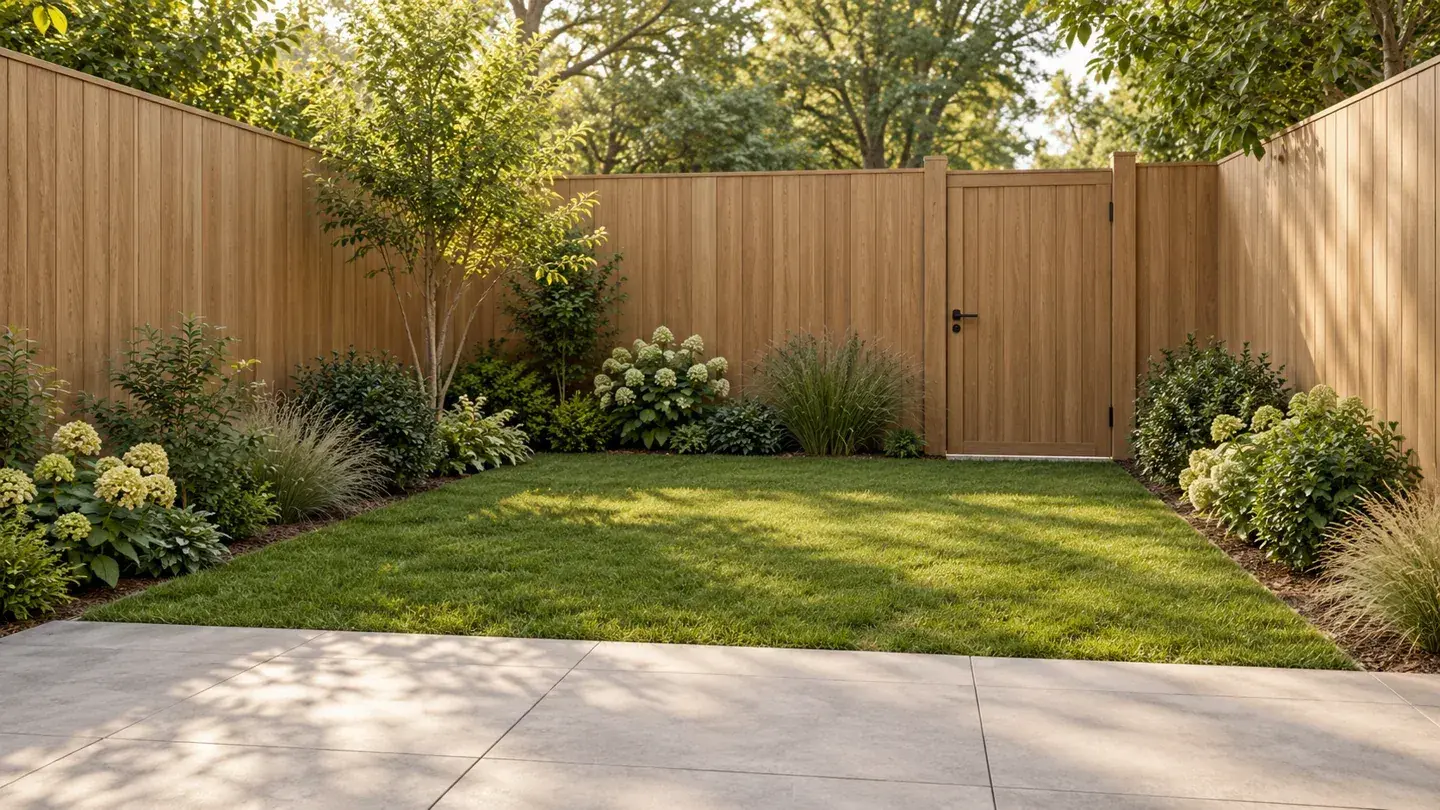
A closely spaced vertical wood design can provide a substantial visual barrier and suit a traditional yard. The key question is what the dog can reach on the inside face.
Horizontal rails can act as steps. Ask the installer to show the proposed interior elevation, including framing, posts, and gate bracing. Do not assume a photograph of the attractive outside face tells you whether the inside is climbable.
Wood also needs ongoing condition checks. Loose boards, widening gaps, damaged lower edges, or a gate that no longer closes cleanly can create escape opportunities. Include practical access for inspection in the layout.
Choose this option when you like its appearance and can maintain the whole assembly. Keep benches, bins, stacked materials, and raised beds away from the boundary so the finished fence does not acquire new footholds later.
3. Solid Metal Privacy Panels
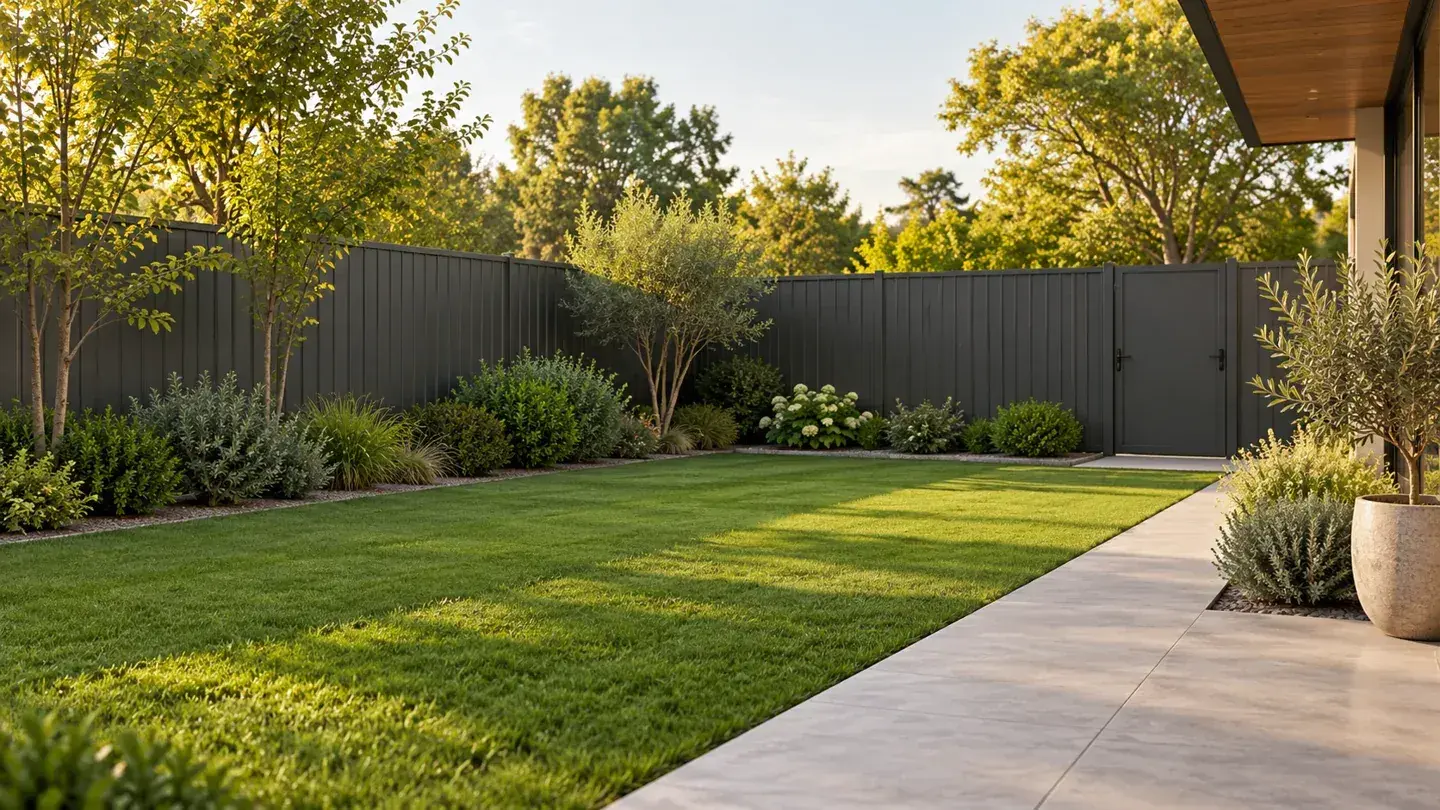
Solid metal panels offer another smooth-surface design category. A restrained panel profile can look appropriate beside a modern house and avoid the numerous openings of ornamental picket fencing.
Discuss the complete engineered system with the installer. Panel thickness, edge treatment, support, wind exposure, corrosion protection, and local conditions all affect suitability. Do not assume any sheet metal attached to posts creates a durable containment fence.
Select a design with finished edges and no sharp decorative points in the dog's accessible area. Check gates and transitions to existing fences as carefully as the panels themselves.
This is an option to compare on construction quality rather than a claim that metal is always better than wood or vinyl. Obtain a drawing showing both sides, the bottom relationship to grade, and the gate details before making a decision.
4. A Purpose-Designed Covered Enclosure
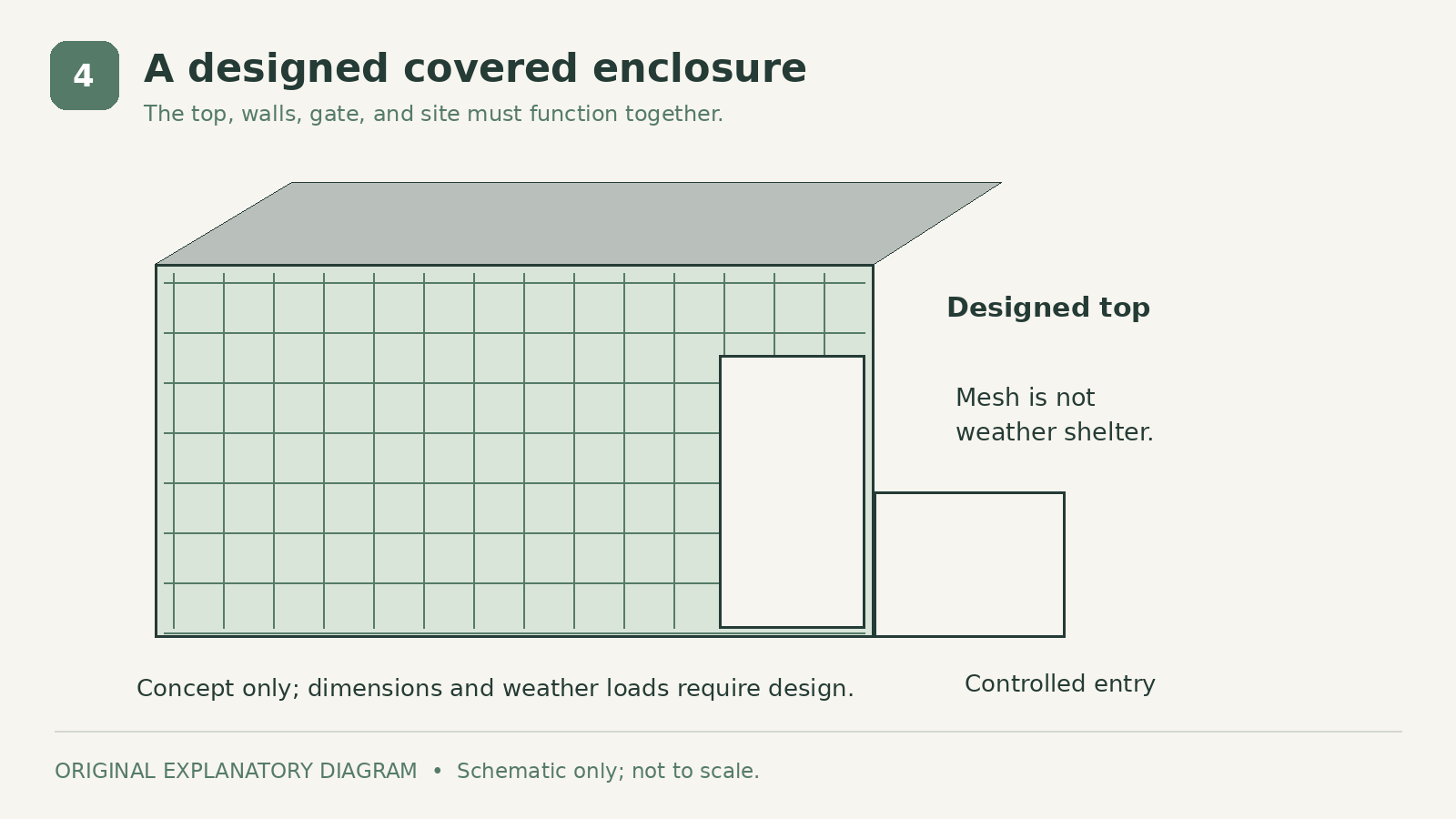
A covered enclosure addresses a different problem: containing a dog within a defined outdoor area when an open-topped perimeter is not dependable. It may be more practical than rebuilding every boundary around a large yard.
The roof or top must be part of a designed enclosure, not improvised netting loosely attached to a fence. Ask the supplier about intended use, openings, edges, structural support, local weather loads, and the gate system. Mesh overhead is not the same thing as weather protection or shade.
The enclosure must also provide an appropriate environment, with suitable space, comfort, supervision, and access to water. It should not be treated as a substitute for activity or interaction.
Consider the entry arrangement. A thoughtfully planned second gate or controlled entry area can help manage escapes while someone enters, but it still requires consistent use and secure latching.
5. A Compatible Anti-Climb Retrofit
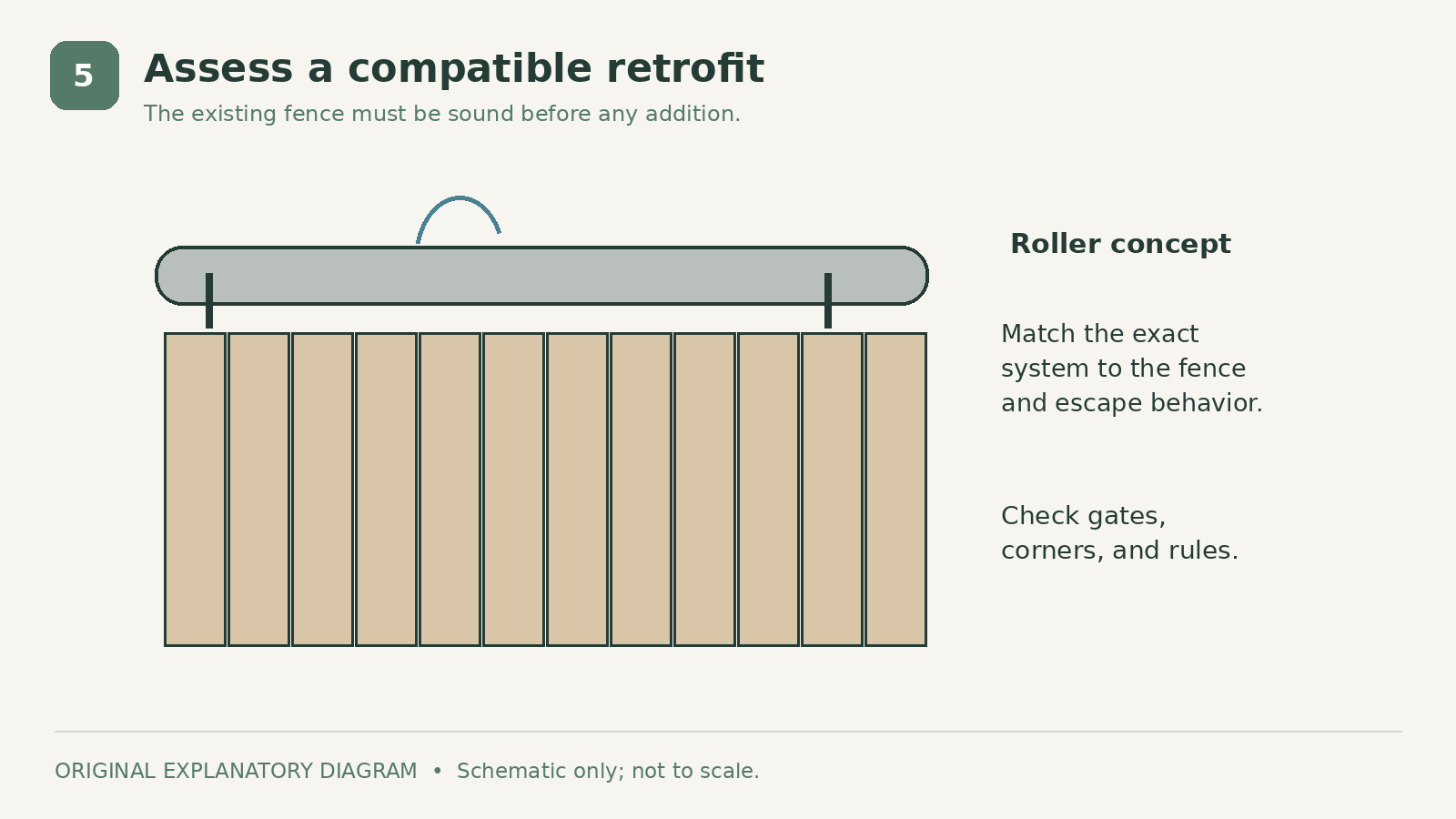
An existing sound fence may accept a manufacturer-designed roller or inward extension system. Dog Proofer's retrofit range illustrates this product category. Compatibility depends on the fence and the exact system.
Ask whether the current posts and panels can support the addition and whether local height or projection rules permit it. Corners, gates, and changes in elevation need a continuous plan; treating one straight section may leave the easiest escape point untouched.
A retrofit should be evaluated against the dog's behavior. Reducing climbing grip may not stop a dog that jumps clear of the top or leaves through a gate gap. Avoid products that introduce exposed sharp points or other injury hazards.
If the existing fence is loose or deteriorated, repair or replace it before considering accessories. Adding hardware does not correct a failing base structure.
Compare the Options by the Problem They Address
| Feature | Useful question before buying | |
|---|---|---|
| Smooth vinyl | Does the complete interior face avoid footholds? | |
| Vertical wood | Where are the rails and gate braces on the dog's side? | |
| Solid metal | Are the edges, support, and site conditions addressed? | |
| Covered enclosure | Is the entire enclosure designed for this use and location? | |
| Anti-climb retrofit | Is the existing fence sound and the system compatible? |
Use these questions to compare proposals rather than choosing solely from a material label. Ask each installer to explain the weak points they see in your particular yard.
Keep the Fence Effective After Installation
Inspect gates, latches, lower gaps, and loose components regularly and after events that may cause damage. Check the boundary again whenever you move outdoor furniture or add landscaping.
Supervise the first uses of a new arrangement without deliberately testing the dog's ability to defeat it. If escape attempts continue, consult a qualified trainer or behavior professional while maintaining a secure management plan.
The best fence is the one that addresses the actual escape route and remains sound in daily use. A thoughtful gate routine and a clear yard boundary are part of that system, not finishing touches.
Sources
- American Kennel Club: Types Dog Fences. Checked October 5, 2026
- American Kennel Club: How to Keep a Dog from Escaping the Yard. Checked October 5, 2026
- Dog Proofer: Dog Proofer Kits. Checked October 5, 2026
Share this article
Get new guides by email
Practical home articles and free resources. No spam, and you can unsubscribe at any time.
Keep reading
7 Ways to Hide a Chain Link Fence With Plants
A chain link fence is practical, durable, and relatively affordable, but its open metal pattern can make a backyard feel unfinished. The good news is that...
November 2026, 11 min read
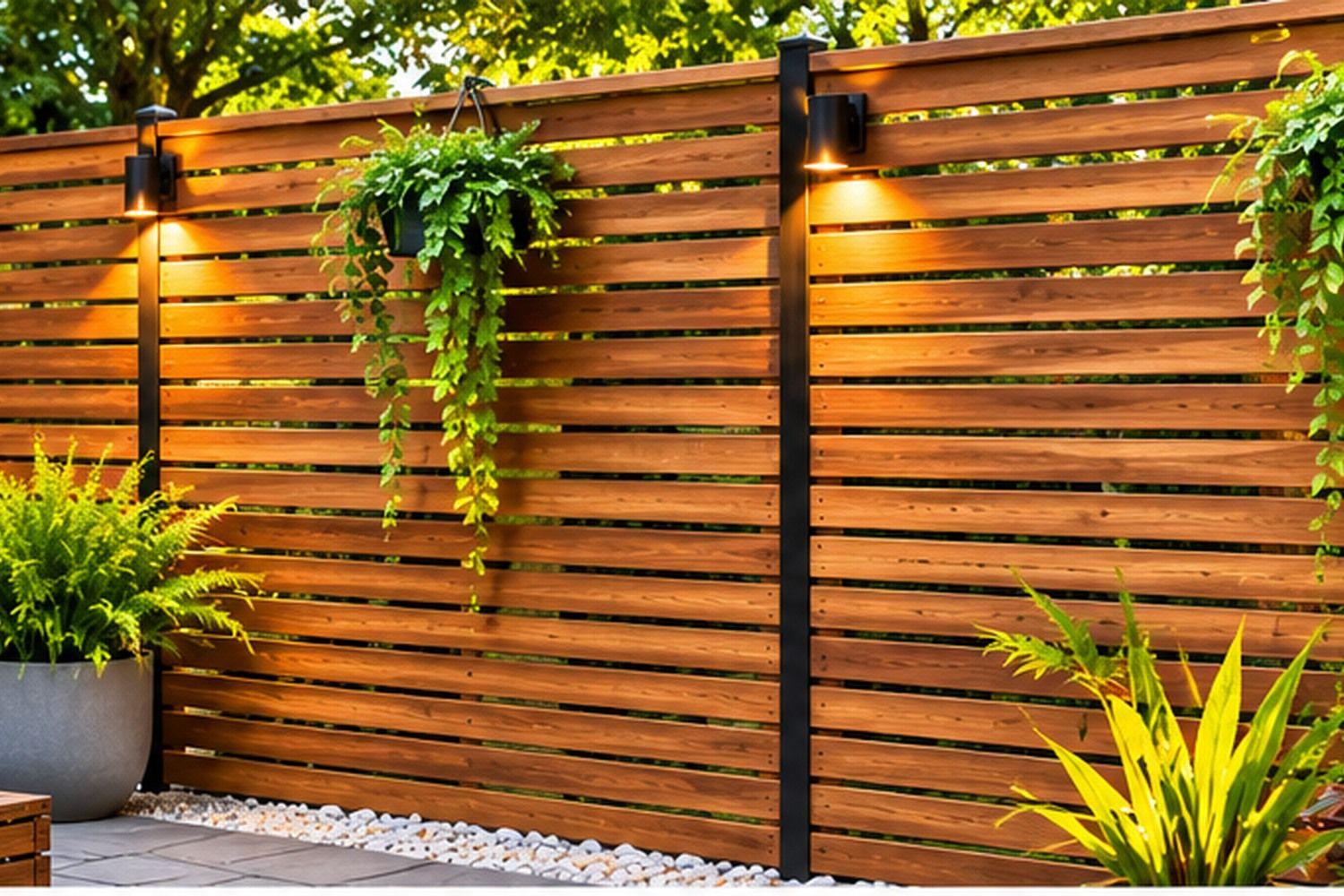
Horizontal Wood Fence Panels: Privacy Designs for a Stylish Backyard
Explore 10 horizontal wood fence panel privacy designs, from cedar slats to metal accents, lighting, and planter features. Get material and planning tips.
November 2026, 9 min read
11 Cheap Backyard Privacy Fence Ideas That Look Stylish
Explore 11 cheap backyard privacy fence ideas, from wood slats and bamboo to lattice, living hedges, and renter-friendly screens. Create a stylish outdoor retreat on a budget.
November 2026, 10 min read