7 Ways to Hide a Chain Link Fence With Plants
A chain link fence is practical, durable, and relatively affordable, but its open metal pattern can make a backyard feel unfinished. The good news is that...
By Home Crane Editors. . 11 min read.
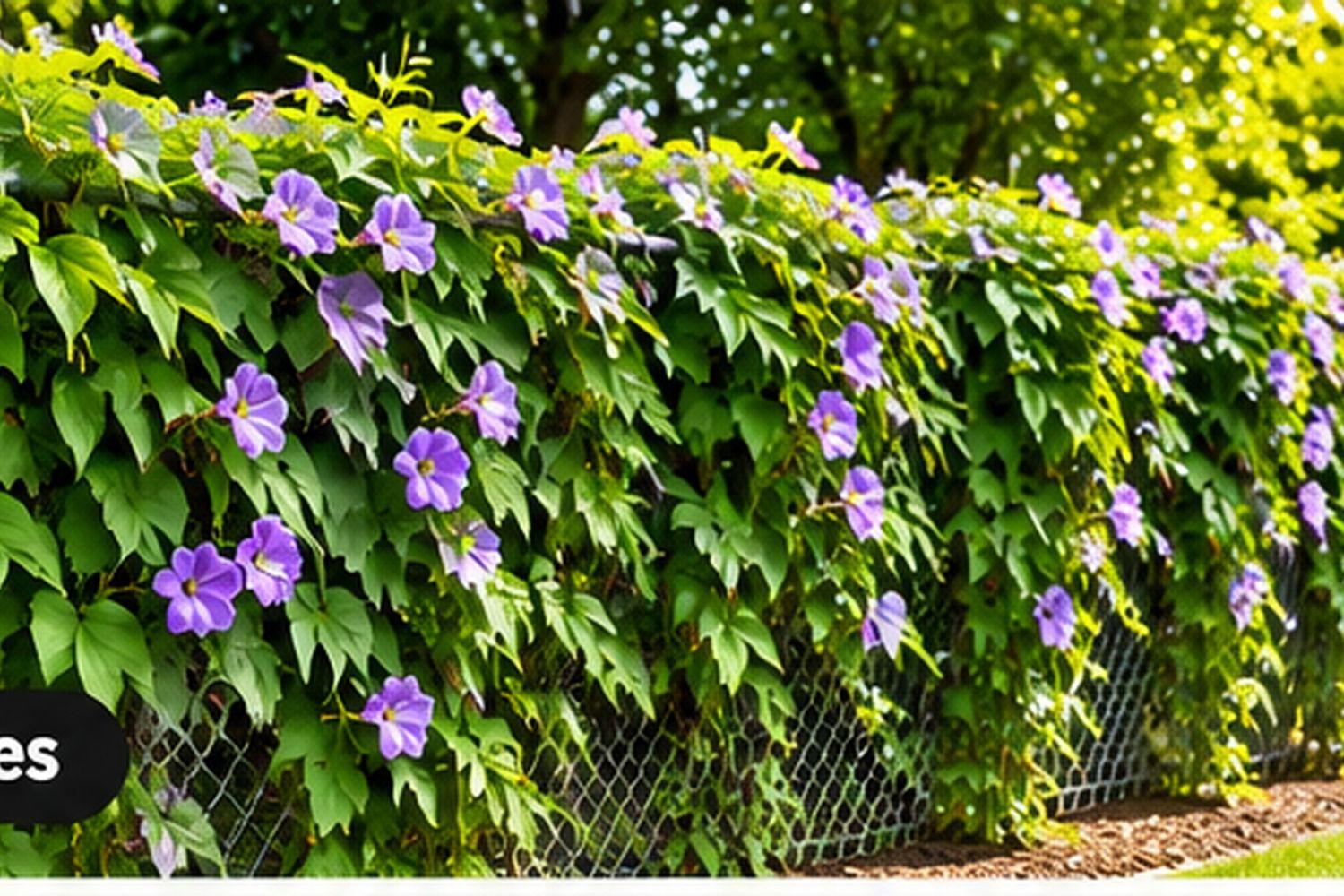
A chain link fence is practical, durable, and relatively affordable, but its open metal pattern can make a backyard feel unfinished. The good news is that you do not have to replace the fence to soften its appearance. The right plants can cover much of the mesh, add seasonal color, create a greener backdrop, and make an outdoor space feel more private.
The best approach depends on your climate, how quickly you want coverage, how much maintenance you can handle, and whether you need year-round screening. A climbing vine may cover a section of fence vertically, while evergreen shrubs provide a more consistent screen. Ornamental grasses and flowering plants can soften the base without hiding every inch of metal.
Before planting, check how much sun the fence receives, whether the soil stays wet or dries quickly, and whether the fence belongs to you. If it is shared or sits on a property boundary, confirm the rules before attaching trellises or planters. Also leave access to gates, posts, latches, and any utility equipment.
1. Train Climbing Vines Along the Fence
Climbing vines are one of the most direct ways to disguise chain link because they use the fence as a ready-made support. Their stems and foliage weave through the open mesh, gradually replacing the hard metallic look with a leafy surface. Depending on the plant and growing conditions, a vine can provide coverage over one season or take several seasons to fill a long run.
Choose a vine that suits your region rather than selecting one only because it grows quickly. Clematis offers attractive flowers and many varieties are manageable on a support. Annual flowering vines can provide quick seasonal color, while native or regionally adapted perennial vines may be better for long-term planting. In warm climates, some vigorous evergreen vines can cover large areas, but they may require frequent pruning.
How to make it work: Plant at the spacing recommended for the specific variety, not in a continuous crowded row. Add a separate trellis or tensioned wire if the plant needs a stronger support or if you do not want stems attached directly to the fence. Guide young growth gently through the mesh and prune it away from hinges, gates, and neighboring properties.
Avoid letting heavy woody growth build up around weak fence sections. Check the fence periodically for bent mesh, loose ties, and posts that may be under strain. Some vines cling aggressively or spread beyond their planting area, so research mature size and local invasive-plant guidance before buying.
Best for: Homeowners who want leafy coverage, flowers, and a relatively narrow planting strip.
2. Plant Evergreen Shrubs for Year-Round Screening
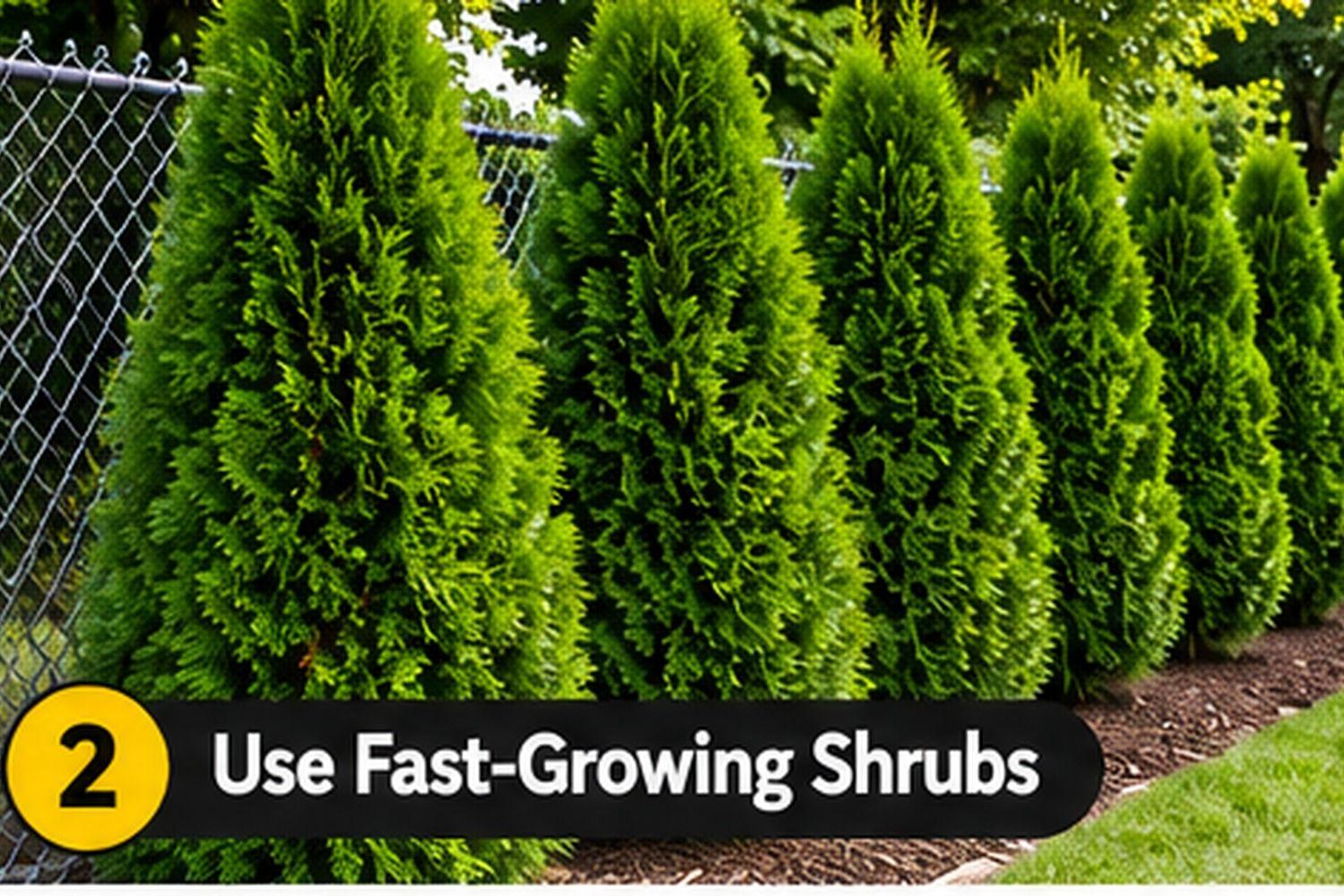
If you want the fence to disappear even in winter, evergreen shrubs are a dependable option in climates where the selected species remains evergreen. A staggered row of suitable shrubs creates a living screen in front of the chain link and can make the yard feel more enclosed.
The best shrub is not necessarily the fastest-growing one. Consider mature height and width, local hardiness, sun exposure, soil drainage, and the amount of pruning required. In many parts of the United States, options may include arborvitae cultivars, upright junipers, certain hollies, or regionally adapted native evergreens. These plants are not interchangeable: some need more space, some tolerate drought better, and some perform poorly in hot or humid conditions.
How to make it work: Measure the available planting bed and read the mature dimensions on the plant label. Space shrubs so they can reach their natural width without being forced into a permanently tight hedge. A staggered arrangement can improve coverage while allowing better airflow. Mulch the bed after planting, keeping mulch a few inches away from trunks and stems.
Do not plant large shrubs directly against the fence. Leave room to prune, inspect the mesh, and reach the back of the planting bed. If the fence is on a boundary, keep mature branches within your property. Water consistently while the shrubs establish, then adjust irrigation to the species and local rainfall.
Best for: People who value privacy and a green backdrop throughout the year and have enough room for mature shrubs.
3. Use Clumping Bamboo for a Tall, Contemporary Screen
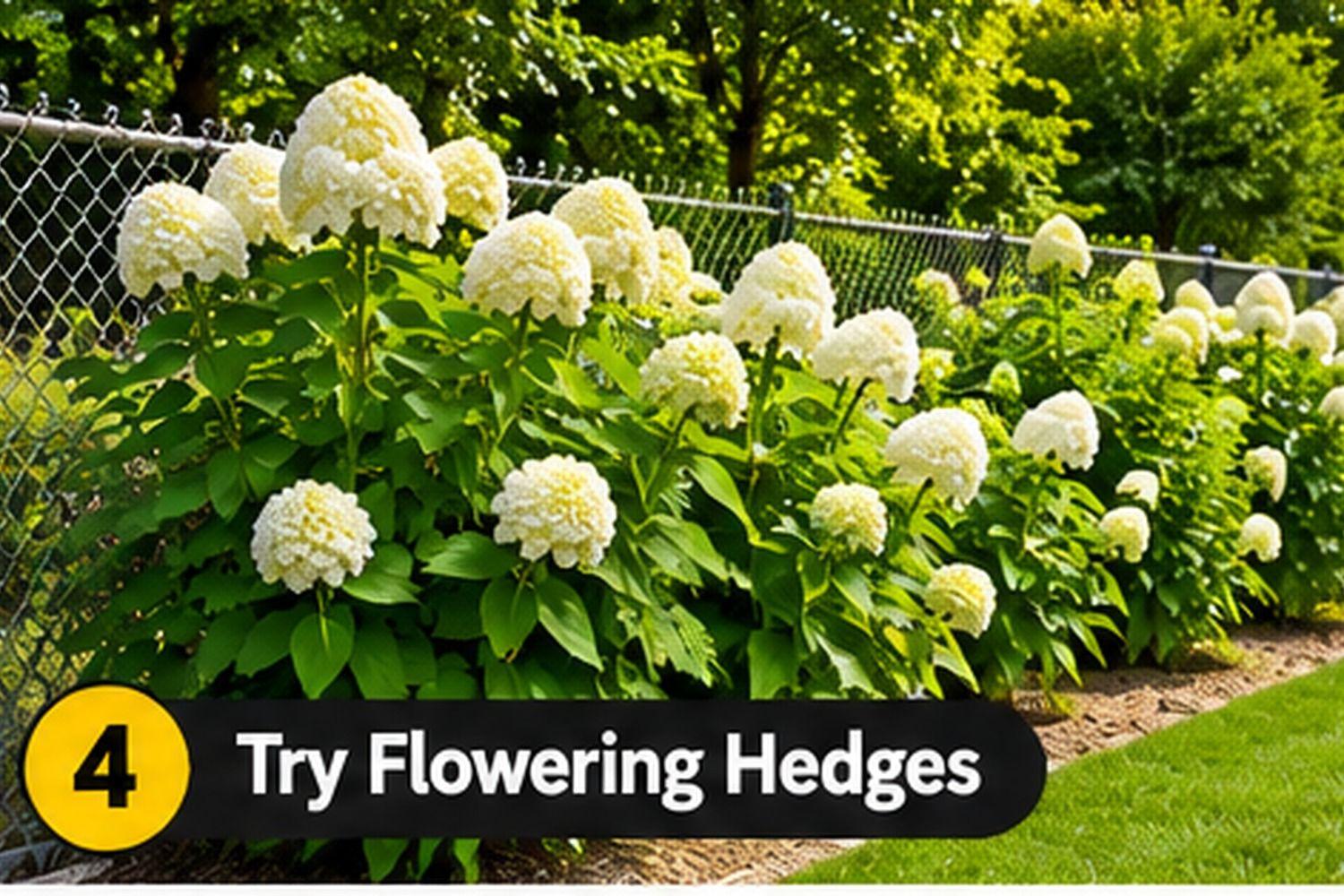
Bamboo creates a distinctive vertical screen, with upright canes and dense foliage that can soften a chain link fence quickly once the plants are established. It works especially well in contemporary, tropical-inspired, or minimalist landscapes.
The critical distinction is between clumping and running bamboo. Running bamboo spreads through long underground rhizomes and can travel beyond the area where it was planted. It may become difficult and expensive to control. Clumping bamboo generally expands more slowly from a compact base, although its eventual size and behavior still depend on the species and climate.
How to make it work: Select a clumping species suited to your hardiness zone and available height. Confirm its mature width before planting and give it the space it needs. A narrow bed may not accommodate a large bamboo variety. Install a root barrier only when appropriate for the species and site, and follow professional guidance on barrier depth and installation. Do not assume a barrier makes an unsuitable running variety risk-free.
Bamboo needs suitable moisture and drainage. Newly planted clumps need regular watering, while established plants may still need irrigation during dry periods. Remove dead canes at the base to keep the screen tidy and allow light and air through the clump.
Check local restrictions before purchasing bamboo. Some municipalities and states regulate particular running species because of their spread.
Best for: Gardeners who want a tall, architectural screen and can choose a suitable non-invasive clumping variety.
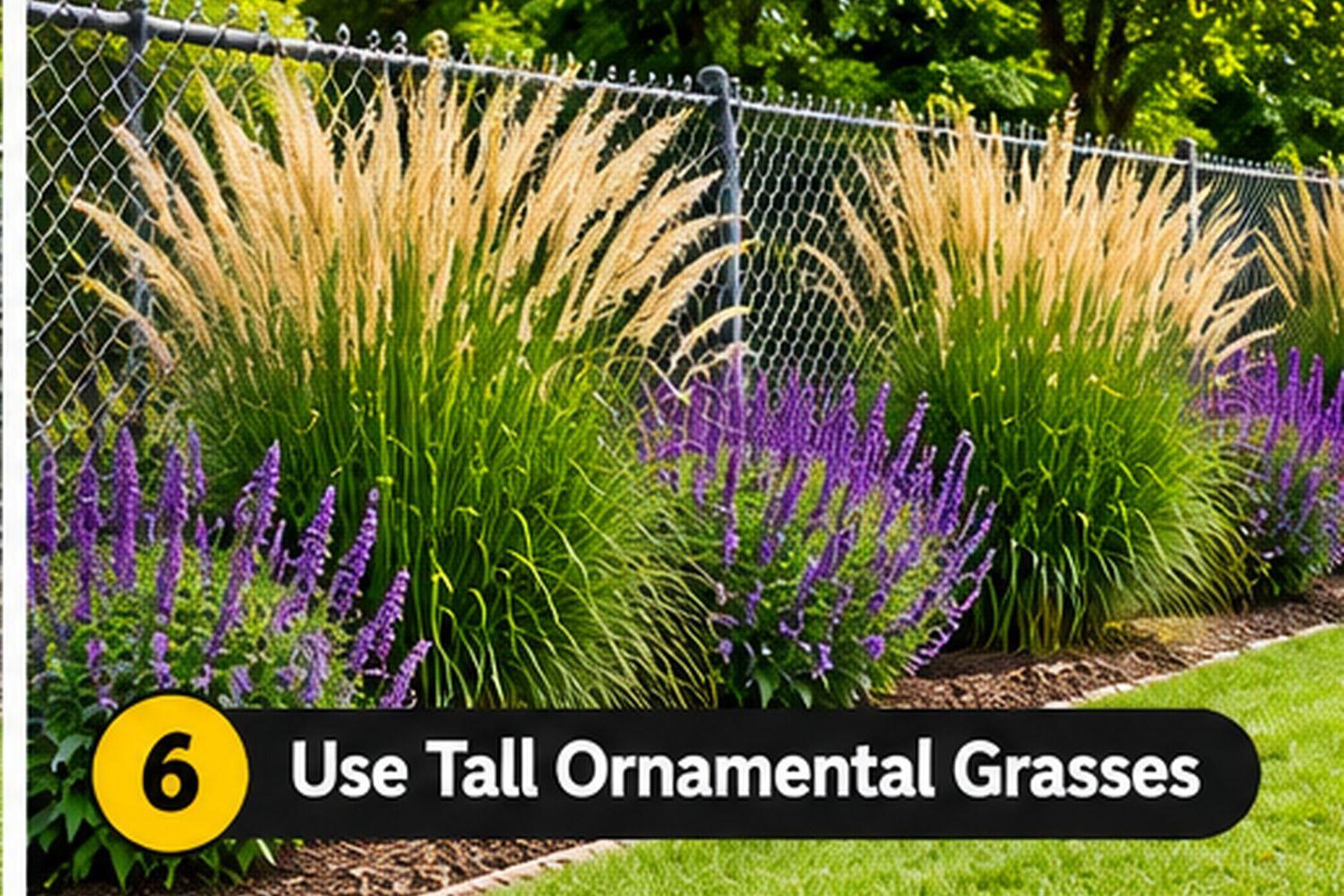
4. Add Ornamental Grasses Along the Fence Line
Ornamental grasses can disguise the lower portion of a chain link fence without creating a solid hedge. Their upright leaves and feathery flower plumes add movement, texture, and seasonal interest. They are useful when you want to soften the fence rather than block every view.
Choose grasses according to mature height, spread, and climate. Switchgrass, little bluestem, and other native grasses can be excellent choices in suitable regions. Some ornamental grasses stay upright through winter, while others collapse or need cutting back. Avoid selecting a plant solely because its nursery pot looks compact; many grasses expand substantially as they mature.
How to make it work: Plant in repeated groups rather than a single crowded line. Repetition creates a deliberate border and makes the fence feel integrated into the garden. Place taller varieties where they will not block gates, paths, or sightlines needed for driving. Use lower-growing grasses near corners and entrances.
Most established ornamental grasses prefer good drainage. Water them while they establish, then follow the needs of the chosen species. Cut back deciduous grasses at the appropriate time for your region, usually before fresh growth begins. Check whether the variety is invasive or self-seeds aggressively in your area.
Best for: Low-maintenance texture, partial screening, and a naturalistic landscape style.
5. Create a Flowering Shrub Border
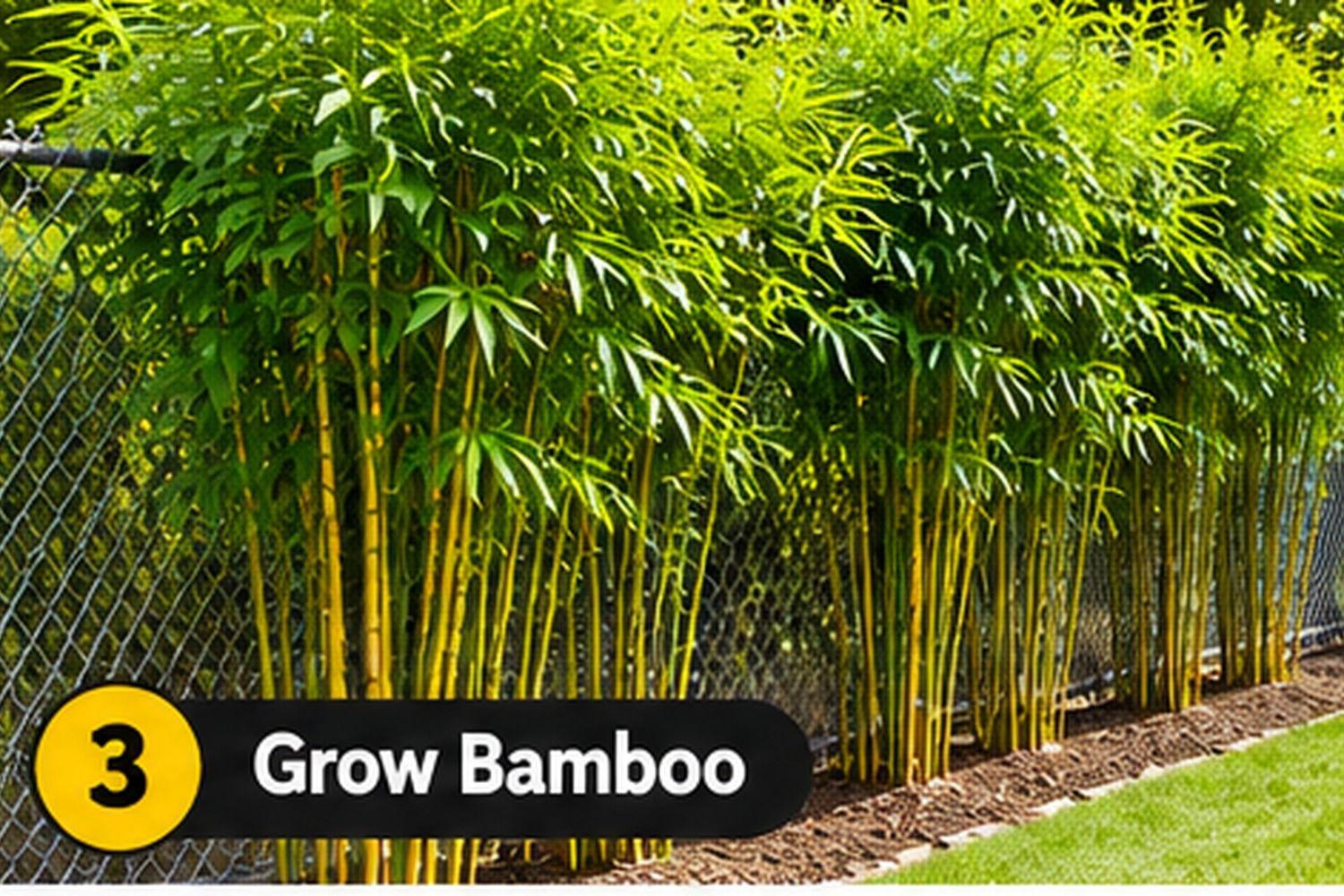
Flowering shrubs add color and volume while concealing sections of chain link. Hydrangeas, spirea, weigela, native viburnums, and other flowering shrubs can work well, but the right choice depends on local climate and the amount of sun the fence receives.
A flowering border is particularly attractive if you want the fence to become a backdrop for a garden rather than disappear completely. The shrubs soften the metal, attract pollinators when the selected plants provide useful blooms, and give the yard a more finished appearance.
How to make it work: Match the shrub to the light conditions. Some hydrangeas prefer morning sun and afternoon shade, while many spireas flower best with more direct sun. Check mature height and width so plants do not crowd one another or block access. Mix bloom times and foliage textures if you want interest across more of the growing season.
Use a mulch layer to reduce weeds and help moderate soil moisture, but keep it clear of the stems. Pruning needs vary widely: some shrubs bloom on old wood and should be pruned after flowering, while others bloom on new growth. Follow the pruning guidance for the exact variety instead of applying one schedule to every shrub.
Best for: A colorful, cottage-garden look and homeowners who prefer seasonal flowers over a uniform evergreen wall.
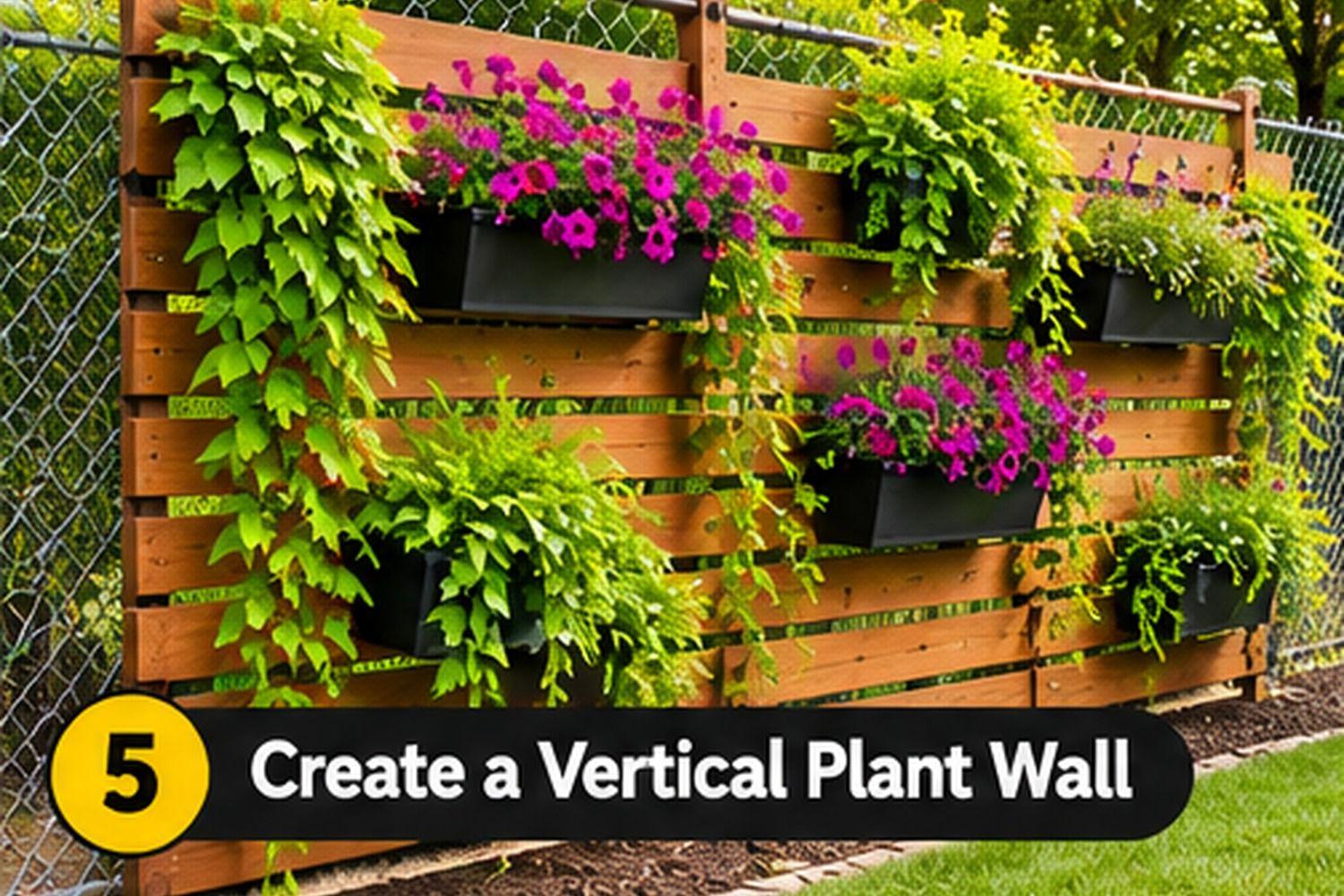
6. Add a Trellis and Vertical Planters in Front of the Fence
A trellis or freestanding planter system can turn a plain chain link boundary into a layered garden feature. This option is especially useful where there is limited ground space, where the fence cannot support heavy plant growth, or where you want to combine vines with smaller flowering plants.
You can install a freestanding trellis a short distance in front of the fence, or use purpose-built planter modules that are designed for outdoor conditions. Lightweight containers can hold annual flowers, trailing plants, or compact herbs. A trellis can support a suitable climber while leaving the original fence accessible for maintenance.
How to make it work: Do not assume chain link mesh can safely carry the weight of wet soil, large containers, or mature plants. Use posts or a freestanding frame designed for the load. Secure the structure against wind and make sure it does not interfere with the fence, gate, or property boundary. Choose weather-resistant materials and containers with drainage holes.
Container plants dry out faster than plants in the ground, especially in hot weather. Use a suitable potting mix, water according to conditions, and feed plants only as recommended. If the fence receives strong afternoon sun, select heat-tolerant plants and avoid small containers that overheat quickly.
Best for: Small yards, renters with permission, decorative screening, and people who want flexible seasonal planting.
7. Layer Plants at Different Heights for a Natural Screen
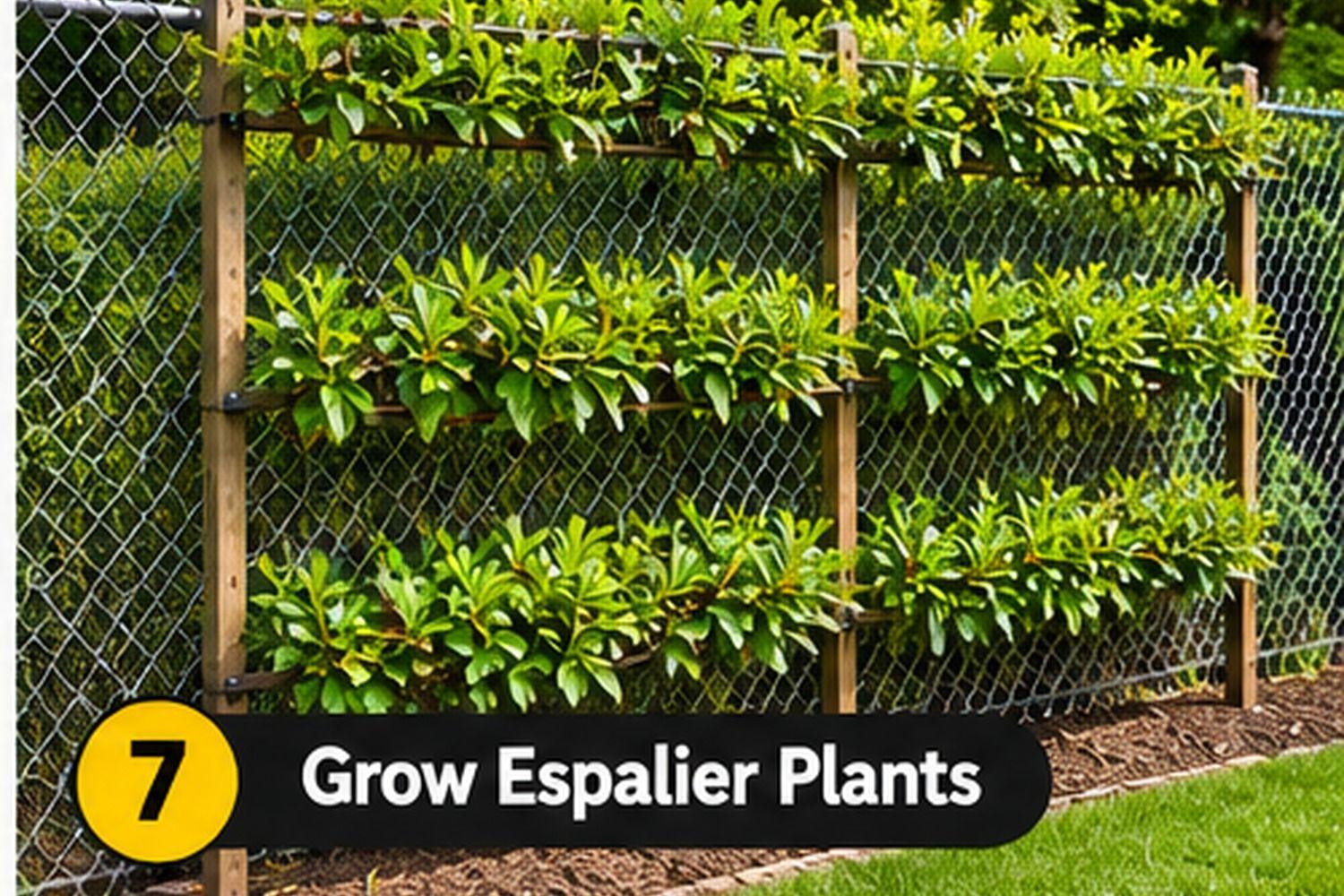
A layered planting design combines several plant types to hide more of the fence while avoiding the look of a rigid hedge. For example, taller shrubs can form the back layer, medium flowering plants can fill the middle, and grasses or low perennials can soften the front edge.
This approach often looks more natural because the eye sees a varied garden border instead of one continuous row of identical plants. It can also be more resilient: if one plant struggles, the entire screen does not become a single obvious gap.
How to make it work: Start with the tallest plants at the back, while leaving enough space between them and the fence for airflow and maintenance. Add medium-height shrubs or flowering perennials in front, then use grasses or groundcovers along the edge. Repeat a small palette of plants to keep the design cohesive rather than choosing too many unrelated varieties.
Think about the view from both sides. A planting bed that looks attractive from the patio may become messy behind the shrubs if there is no access for pruning. Consider mature width, sunlight, irrigation, and seasonal appearance. Use native plants where suitable, especially if you want to support local wildlife and reduce the need for intensive care.
Best for: A polished landscape border that offers varied coverage, color, and texture through the seasons.
How to Choose the Right Plants for Your Fence
Before buying plants, take a few measurements and observe the fence through the day. Note the length and height of the section you want to soften, the width of the planting area, and the number of hours of direct sun it receives. Also check whether water drains toward the fence or collects at its base.
Use these questions to narrow your choices:
- Need year-round coverage? Consider evergreen shrubs or an evergreen vine that is suitable for your region.
- Want flowers? Choose flowering vines, shrubs, or perennials with staggered bloom times.
- Have a narrow bed? A trellis or carefully selected upright plants may use space more efficiently than a wide hedge.
- Need a fast visual change? Combine established container plants with a longer-term planting plan, but budget for watering and replacement.
- Want less maintenance? Favor plants adapted to your region, soil, and rainfall rather than varieties that need constant trimming or irrigation.
For plant selection, consult your local cooperative extension service, native plant society, or reputable local nursery. Regional advice is particularly important because a plant that behaves well in one climate may struggle or spread aggressively in another.
Practical Tips Before You Plant
Check the fence condition first. Repair loose posts, damaged mesh, and unstable sections before adding plants. Vegetation can hide problems, and dense growth can make inspection harder.
Keep plants off gates and hardware. Leave clear access around hinges, latches, posts, and the gate swing. Train vines away from moving parts and keep shrubs trimmed where they could obstruct entry.
Respect the property line. Confirm ownership and local rules before attaching anything to a shared fence. Keep branches, roots, and planters from creating avoidable disputes with neighbors.
Plan for mature size. Nursery plants are small, but their mature dimensions determine whether a planting scheme will work. Crowded plants need more pruning, compete for water, and may develop poor airflow.
Protect the fence from excess moisture. Avoid piling wet leaves, soil, or mulch against metal posts and hardware. Maintain airflow and check for corrosion or damage during routine garden maintenance.
Use safe, suitable supports. Heavy planters and trellises should be supported independently when needed. Strong wind, wet soil, and mature vines can create loads that ordinary chain link was not designed to carry.
Frequently Asked Questions
What is the fastest plant to cover a chain link fence?
There is no single fastest option for every climate. Vigorous annual vines can create seasonal coverage quickly, while suitable perennial vines and shrubs take longer to establish but may provide longer-term screening. Choose a locally appropriate plant and check its mature growth habit before planting.
Can I grow plants directly on a chain link fence?
Some vines can be trained through chain link mesh, but not every plant is suitable. Heavy woody vines may add significant weight, and aggressive climbers can be difficult to remove. Use a separate trellis when you want to control growth or protect the fence.
What evergreen plants hide a chain link fence?
Depending on your region, options may include selected arborvitae, junipers, hollies, and other evergreen shrubs. Check hardiness, mature size, sun requirements, and disease resistance for your specific location before choosing.
Is bamboo a good choice for hiding a fence?
Bamboo can create a tall screen, but choose carefully. Clumping varieties are generally more manageable than running bamboo, which can spread aggressively. Check local regulations and the mature size of the species before planting.
How far from a chain link fence should I plant shrubs?
There is no universal distance. Use the plant's expected mature width and leave room for pruning, airflow, and fence maintenance. The larger the shrub, the farther from the fence it may need to be planted.
Can I hide a chain link fence without planting in the ground?
Yes. Freestanding trellises, outdoor planter boxes, and vertical planter systems can soften a fence without a traditional in-ground bed. Make sure the structures are stable, weather-resistant, and not relying on weak fence mesh to support heavy loads.
Final Thoughts
Plants can make a chain link fence feel like part of the landscape instead of an exposed boundary. Climbing vines provide leafy coverage, evergreen shrubs offer more consistent screening, bamboo adds height when the right clumping variety is chosen, and grasses or flowering shrubs bring softness and seasonal color.
For the best result, choose plants for your climate and available space, allow for mature growth, and keep the fence accessible for maintenance. A thoughtful combination of heights and textures can turn an ordinary fence line into a green garden border without the cost and disruption of replacing the fence.
Sources
- USDA Plant Hardiness Zone Map. Checked November 7, 2026
- USDA National Invasive Species Information Center. Checked November 7, 2026
- American Bamboo Society. Checked November 7, 2026
- North Carolina State Extension Gardener Plant Toolbox. Checked November 7, 2026
- University of Minnesota Extension: Planting and Growing Guides. Checked November 7, 2026
Share this article
Get new guides by email
Practical home articles and free resources. No spam, and you can unsubscribe at any time.
Keep reading
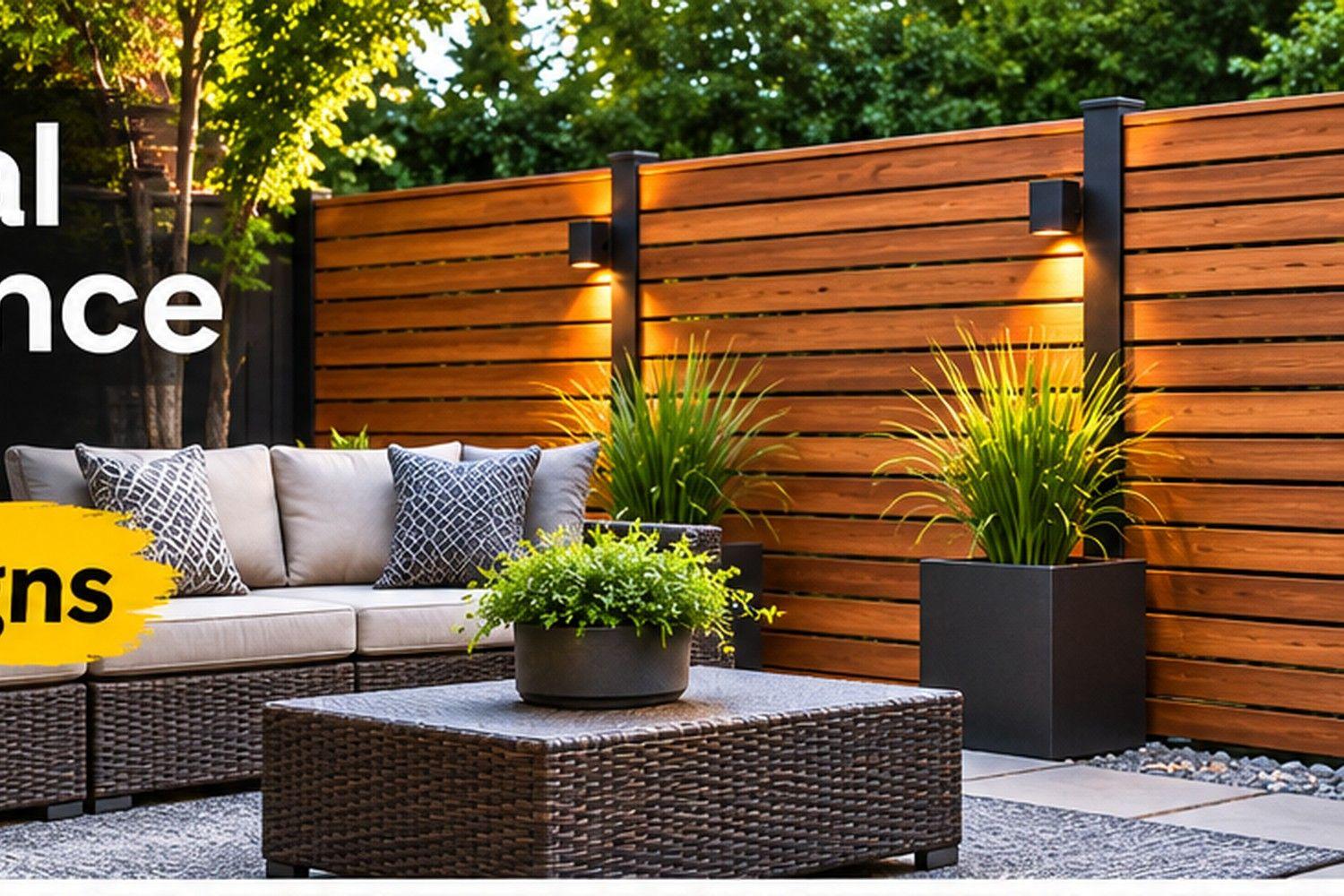
Horizontal Wood Fence Panels: Privacy Designs for a Stylish Backyard
Explore 10 horizontal wood fence panel privacy designs, from cedar slats to metal accents, lighting, and planter features. Get material and planning tips.
November 2026, 9 min read
11 Cheap Backyard Privacy Fence Ideas That Look Stylish
Explore 11 cheap backyard privacy fence ideas, from wood slats and bamboo to lattice, living hedges, and renter-friendly screens. Create a stylish outdoor retreat on a budget.
November 2026, 10 min read
The Best Types of Fencing for Dogs That Jump or Climb
Compare five fencing and enclosure approaches for dogs that jump or climb, with illustrations and practical checks for gates, footholds, and escape routes.
October 2026, 5 min read