15 Eco Friendly Sustainable Architecture Materials to Use in Your Build
Explore 15 sustainable building materials to consider with illustrated concepts, practical design tips, and planning checks for your US home.
By Home Crane Editors. . 5 min read.
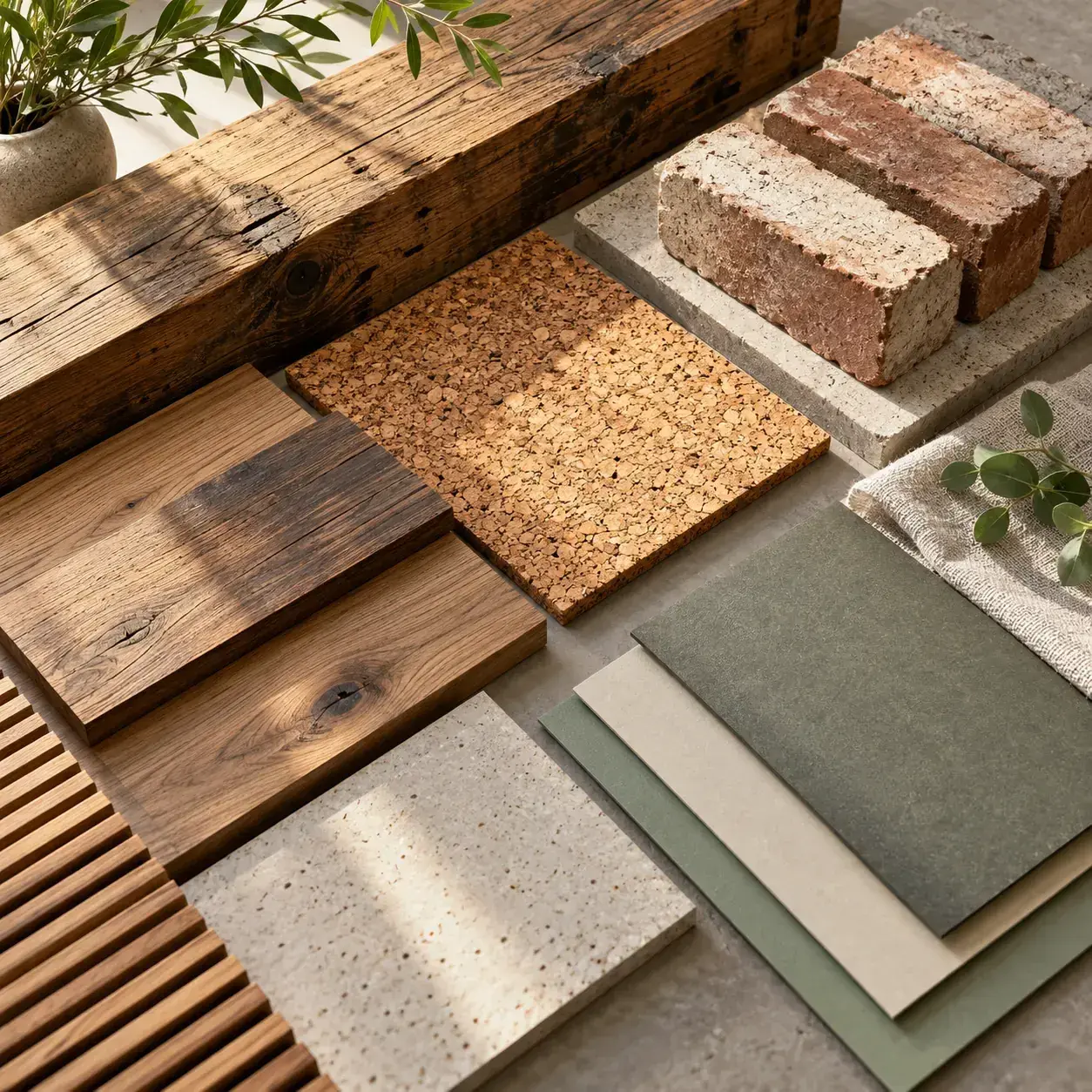
A sustainable material choice starts with a useful building that lasts. A product can contain recycled ingredients and still be a poor fit if it travels a long way, fails early or needs an incompatible assembly. These fifteen options are candidates to investigate, not a universal ranking. Start by retaining useful existing materials, then compare new products for the same job.
AI-generated design concept, not a photograph of a documented property.
Before you choose a design
EPA describes embodied carbon as emissions associated with material production, including extraction, transport and manufacturing. Ask for comparable environmental product declarations rather than relying on a green label alone. Reuse can avoid demand for new material, but reclaimed products still need condition and contamination checks. [1][2] Insulation also belongs in a coordinated air-sealing and moisture-control design. [3]
1. Reclaimed wood flooring
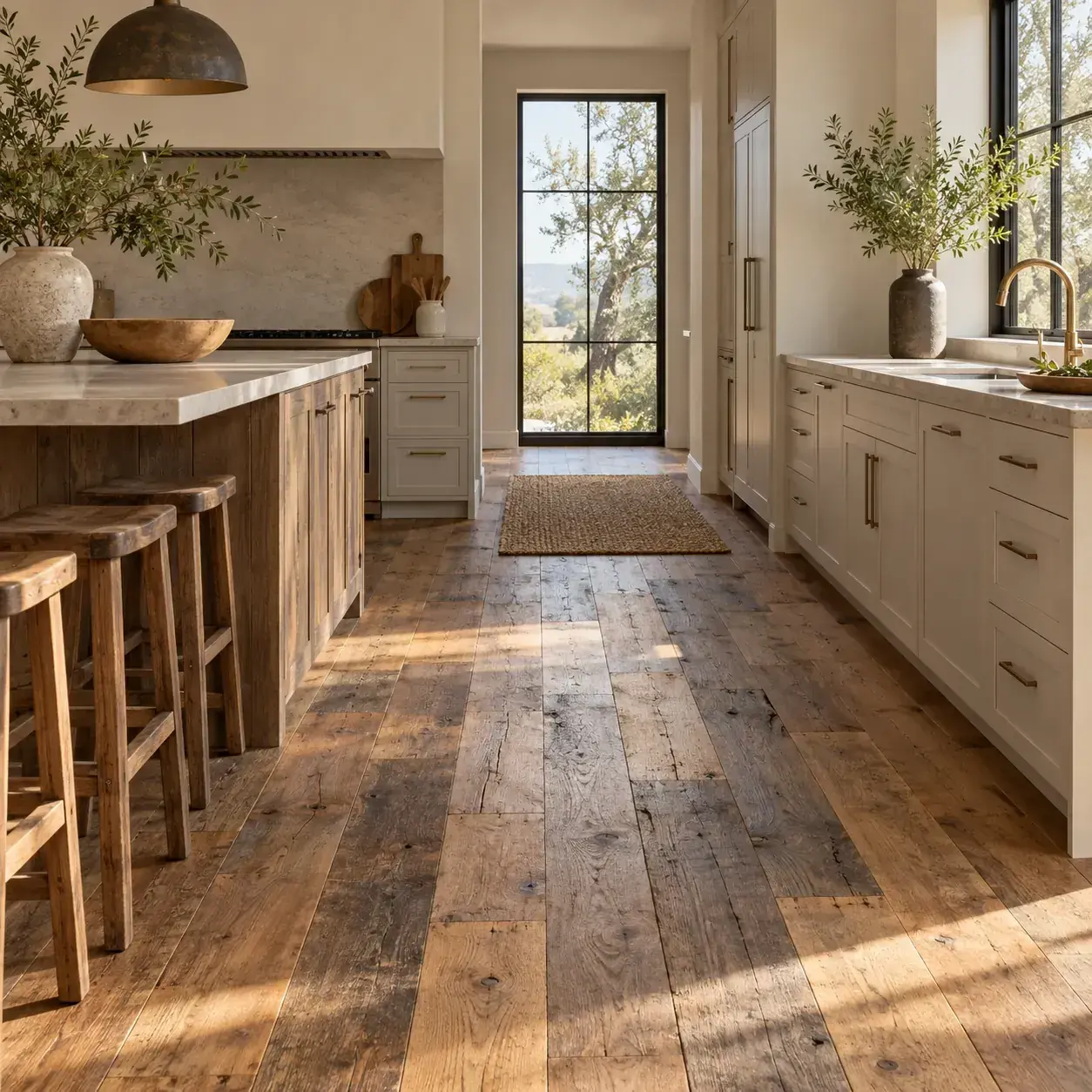
AI-generated design concept, not a photograph of a documented property. Reclaimed wood flooring.
Use carefully graded salvaged boards as a warm finished floor in a dry interior. Their variation works especially well with simple cabinetry and a restrained wall palette.
Make it work: Check old coatings, embedded metal, moisture and usable yield. Reclaimed appearance does not establish structural suitability or prove a lower project footprint.
2. Salvaged brick
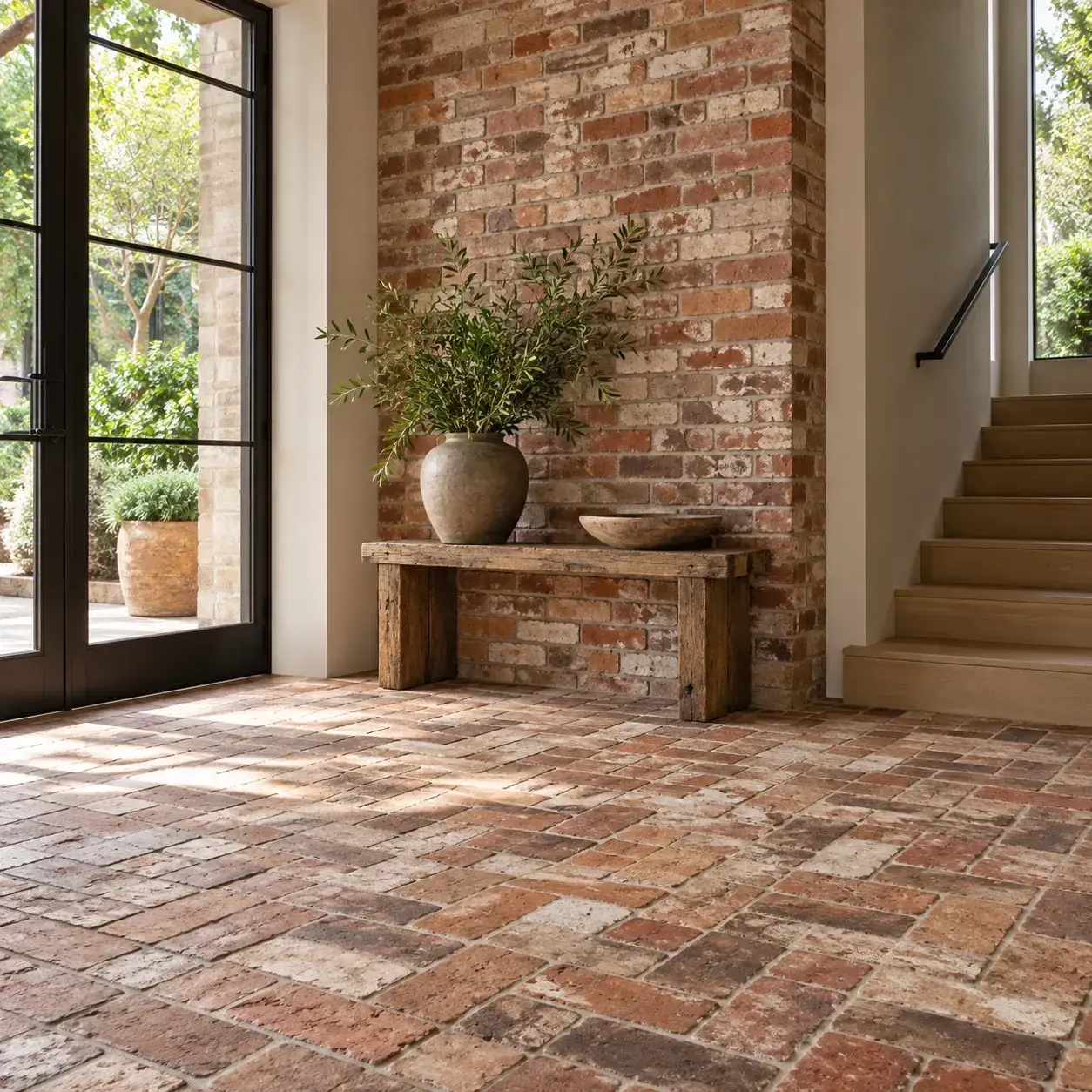
AI-generated design concept, not a photograph of a documented property. Salvaged brick.
Reuse sound brick for a suitable interior feature or approved paving application, letting varied color provide the texture.
Make it work: Have the supplier confirm the intended exposure and condition. Historic soft brick is not automatically suitable for freezing outdoor conditions or a new load-bearing wall.
3. Reused natural stone
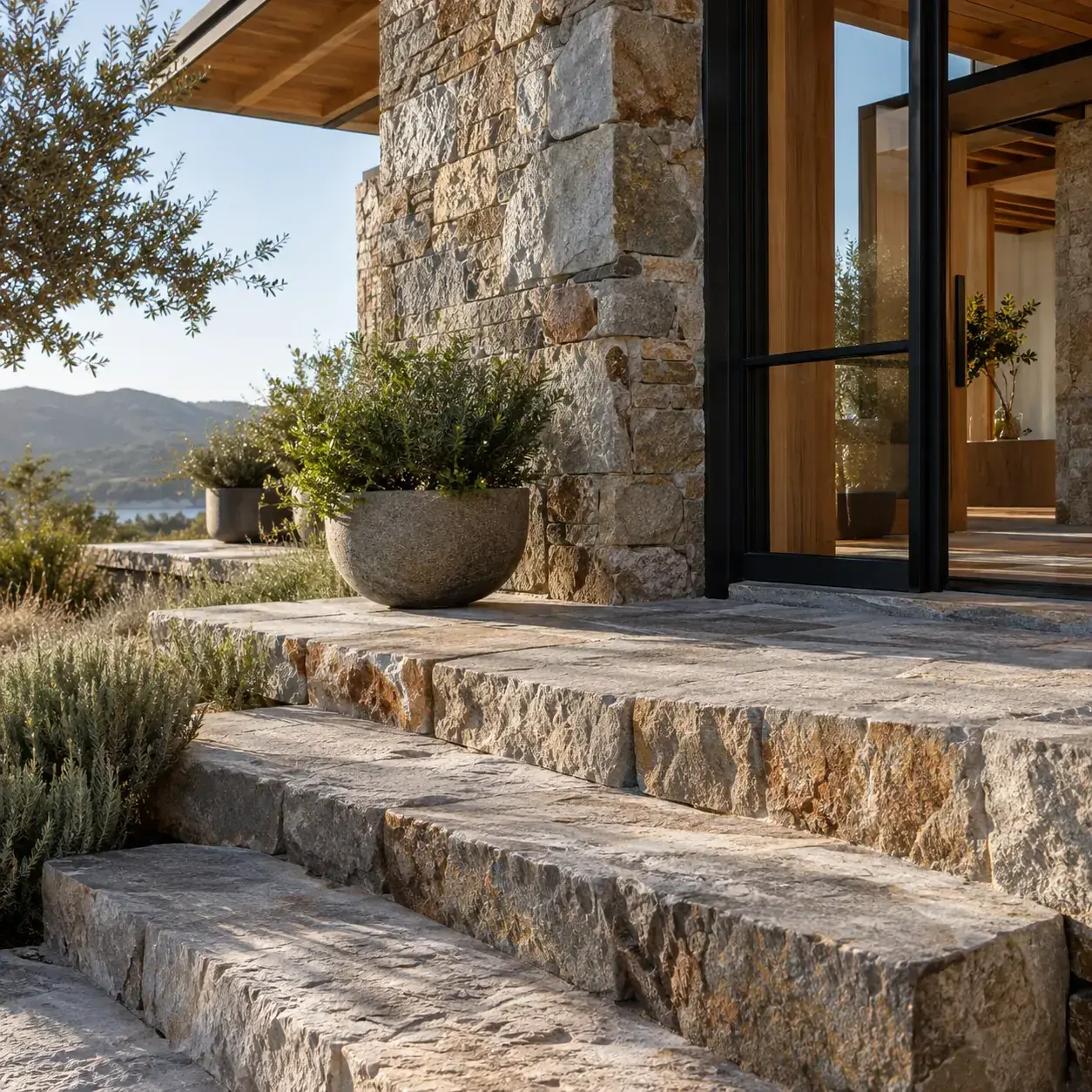
AI-generated design concept, not a photograph of a documented property. Reused natural stone.
Choose recovered stone slabs or masonry for a project that can accommodate the available dimensions instead of ordering an exact new shape.
Make it work: Transport, cutting losses, weight and installation matter. Inspect cracks and support requirements before designing around a salvaged piece.
4. Responsibly sourced wood framing
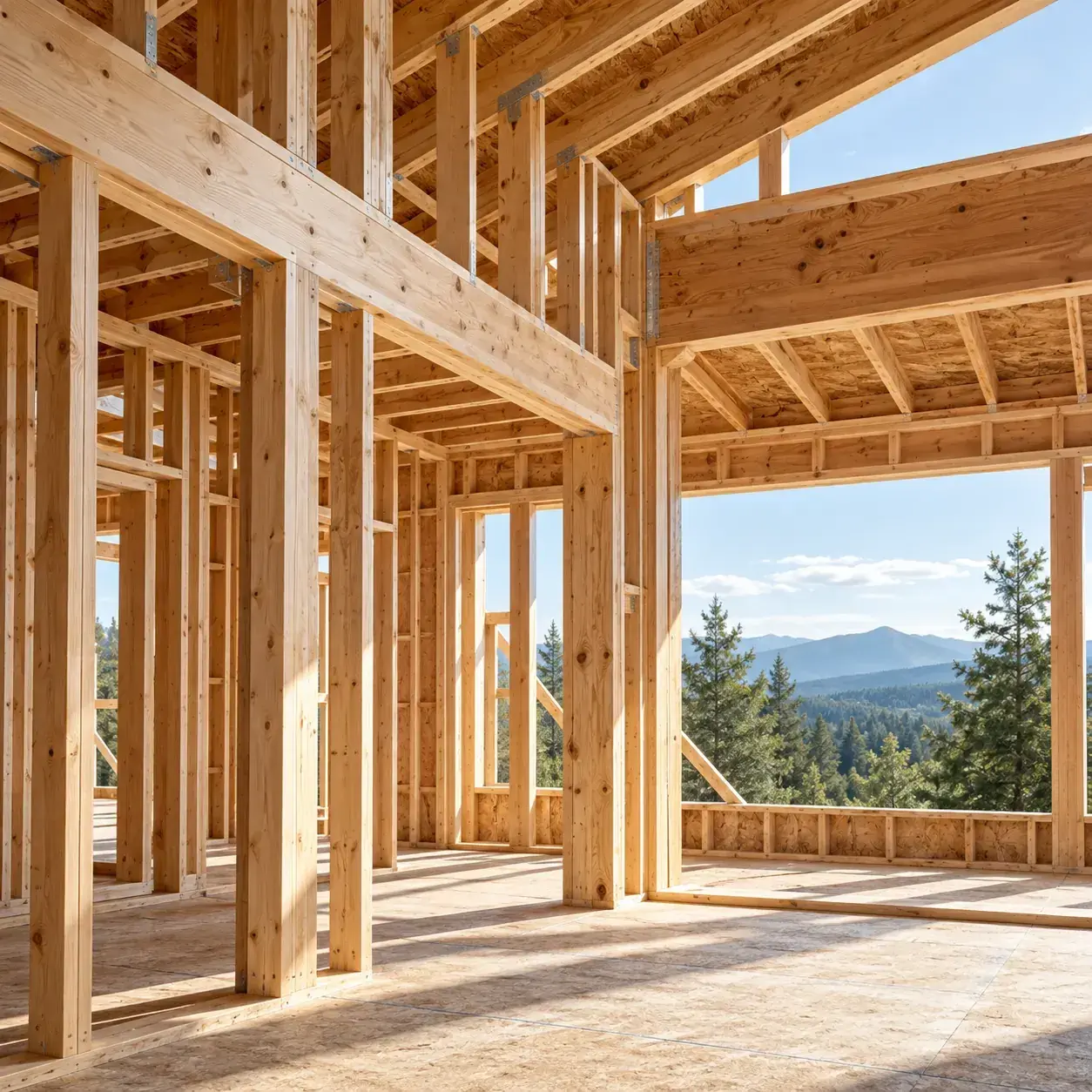
AI-generated design concept, not a photograph of a documented property. Responsibly sourced wood framing.
Specify wood from a documented responsible sourcing program and design the framing efficiently for the actual loads.
Make it work: Verify the supplier's chain-of-custody paperwork and the engineer's grade requirements. A sourcing certification is not a structural certification or a complete life-cycle assessment.
5. Recycled-content steel
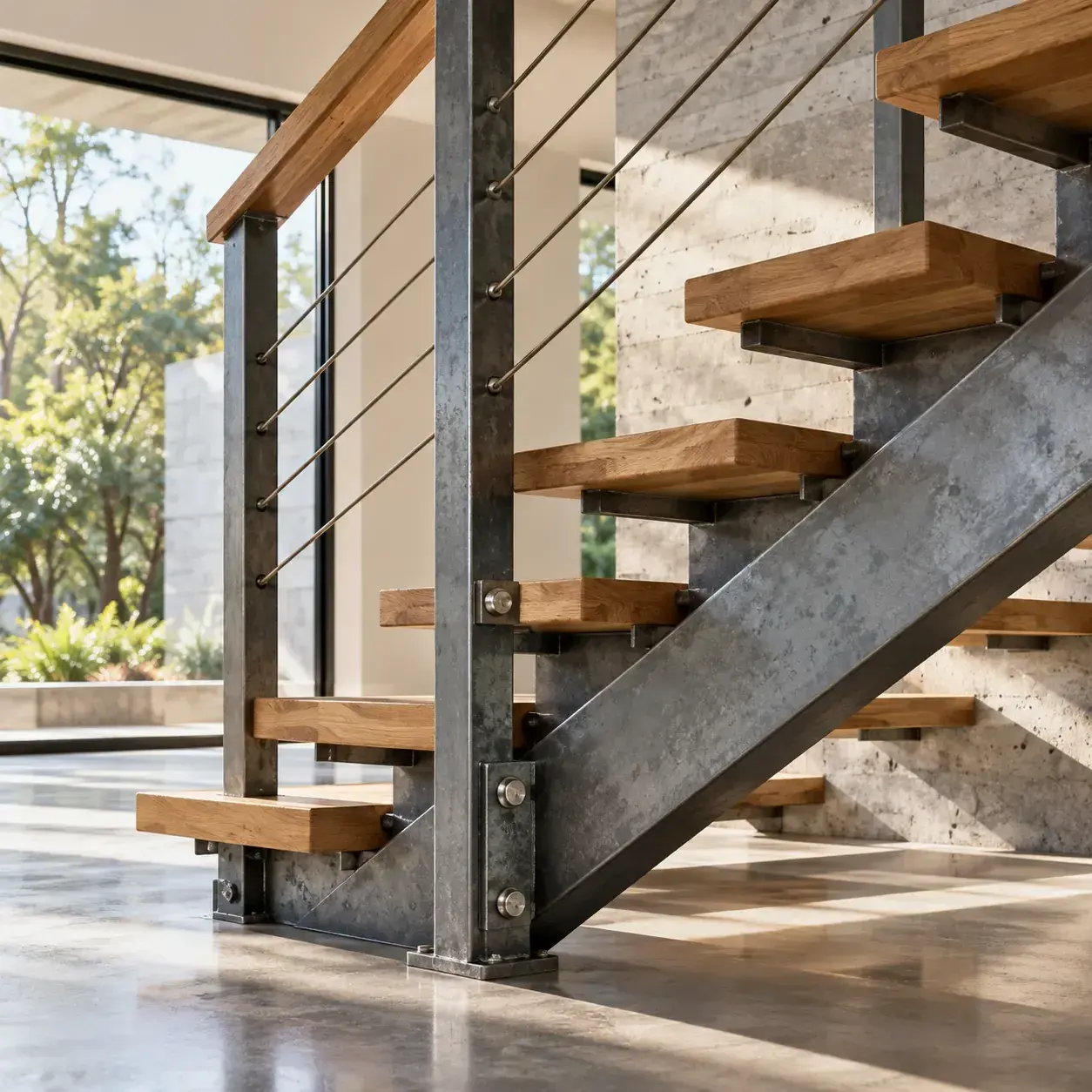
AI-generated design concept, not a photograph of a documented property. Recycled-content steel.
Consider documented recycled-content steel where its structural properties suit the project, such as an engineered stair or framing component.
Make it work: Compare producer-specific emissions data as well as recycled content. Do not substitute a lighter or different section without structural approval.
6. Lower-carbon concrete mixes
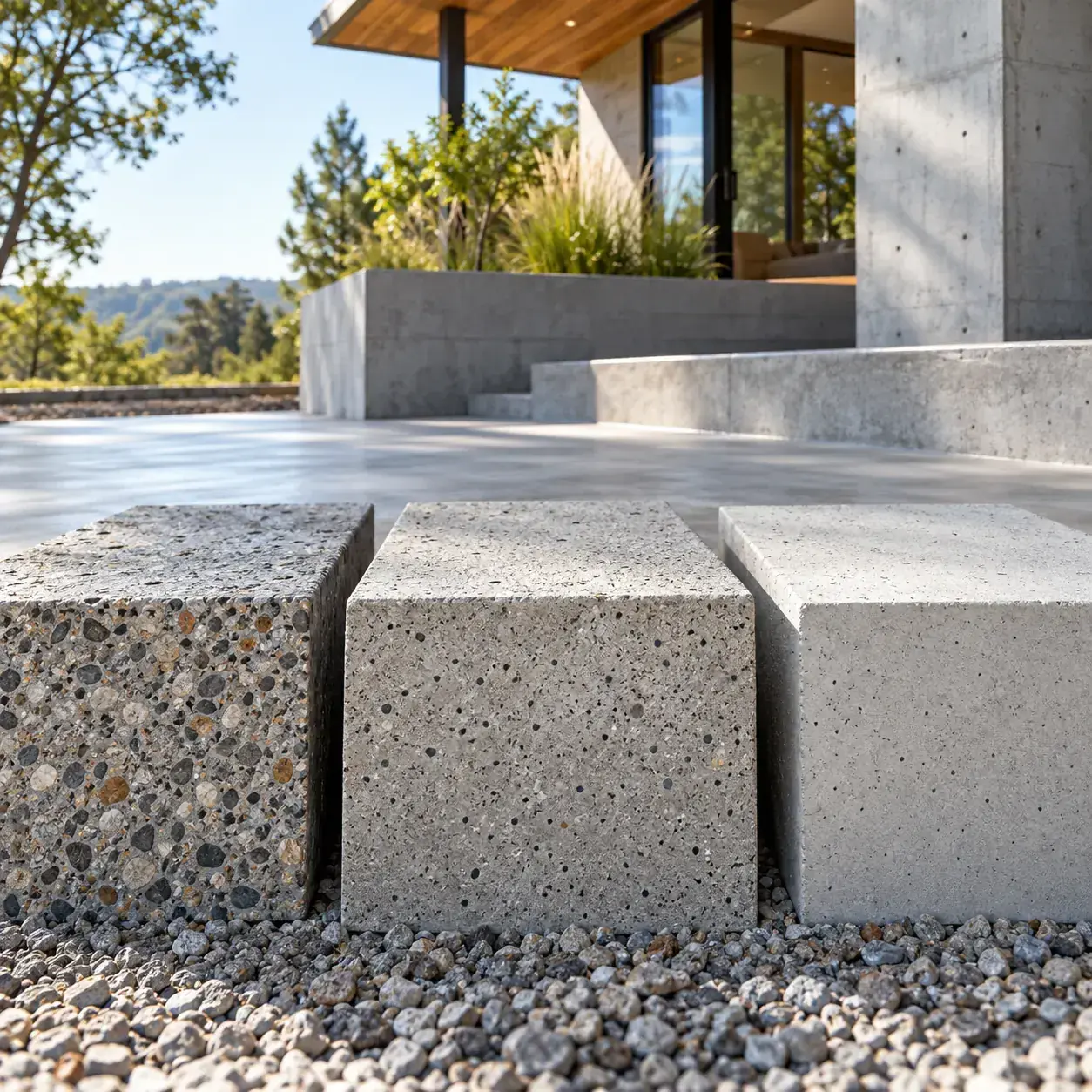
AI-generated design concept, not a photograph of a documented property. Lower-carbon concrete mixes.
Ask the ready-mix supplier and engineer to compare mixes that meet the same strength, durability and placement requirements with lower reported emissions.
Make it work: Curing, weather, exposure and schedule can constrain the choice. Lower carbon is a comparison between suitable mixes, not a single universal recipe.
7. Cellulose insulation
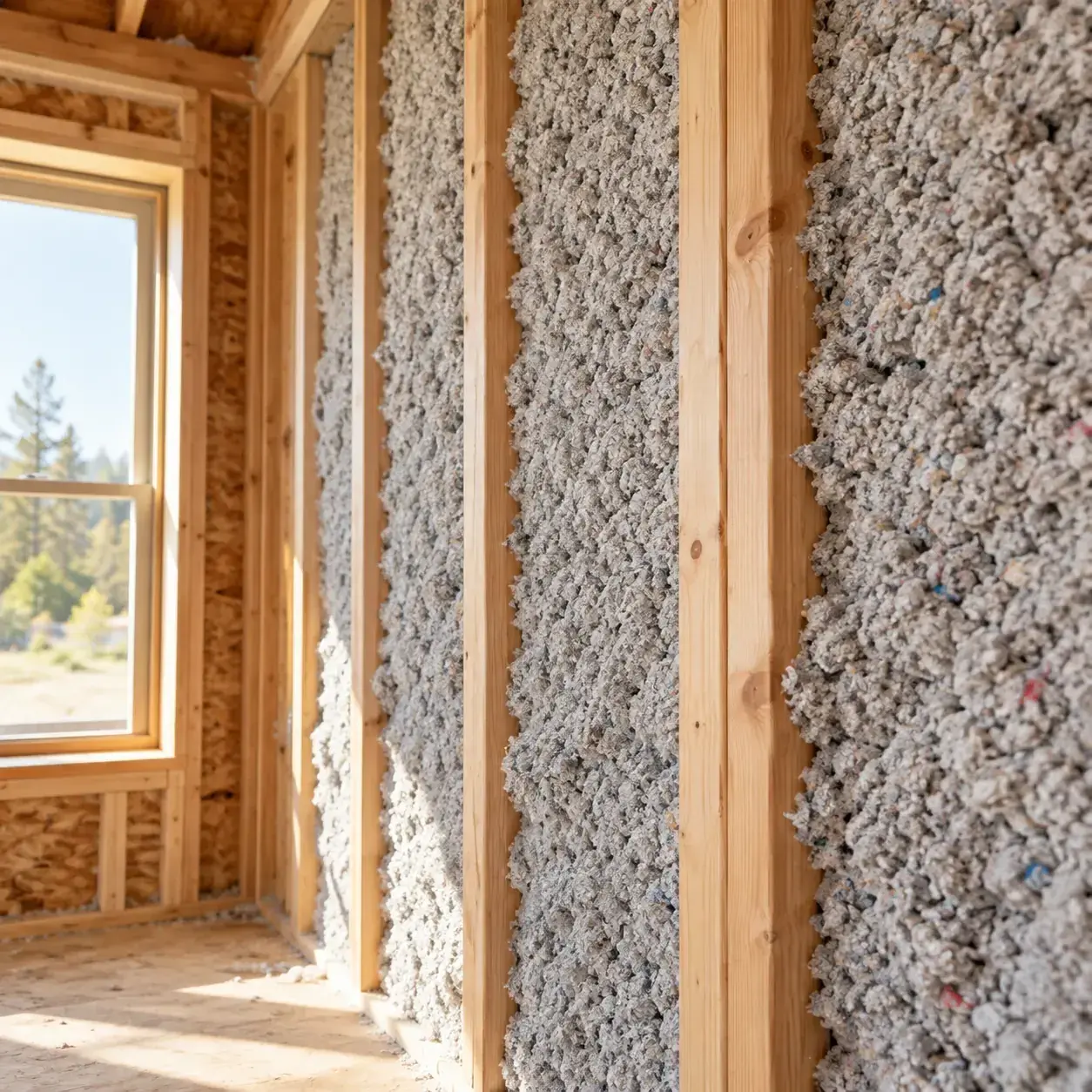
AI-generated design concept, not a photograph of a documented property. Cellulose insulation.
Consider a product made with recycled paper for an assembly and installation method appropriate to the project.
Make it work: Confirm fire treatment, installation density and moisture strategy with the installer. Insulation cannot substitute for air sealing or repair of an active leak.
8. Wood-fiber insulation
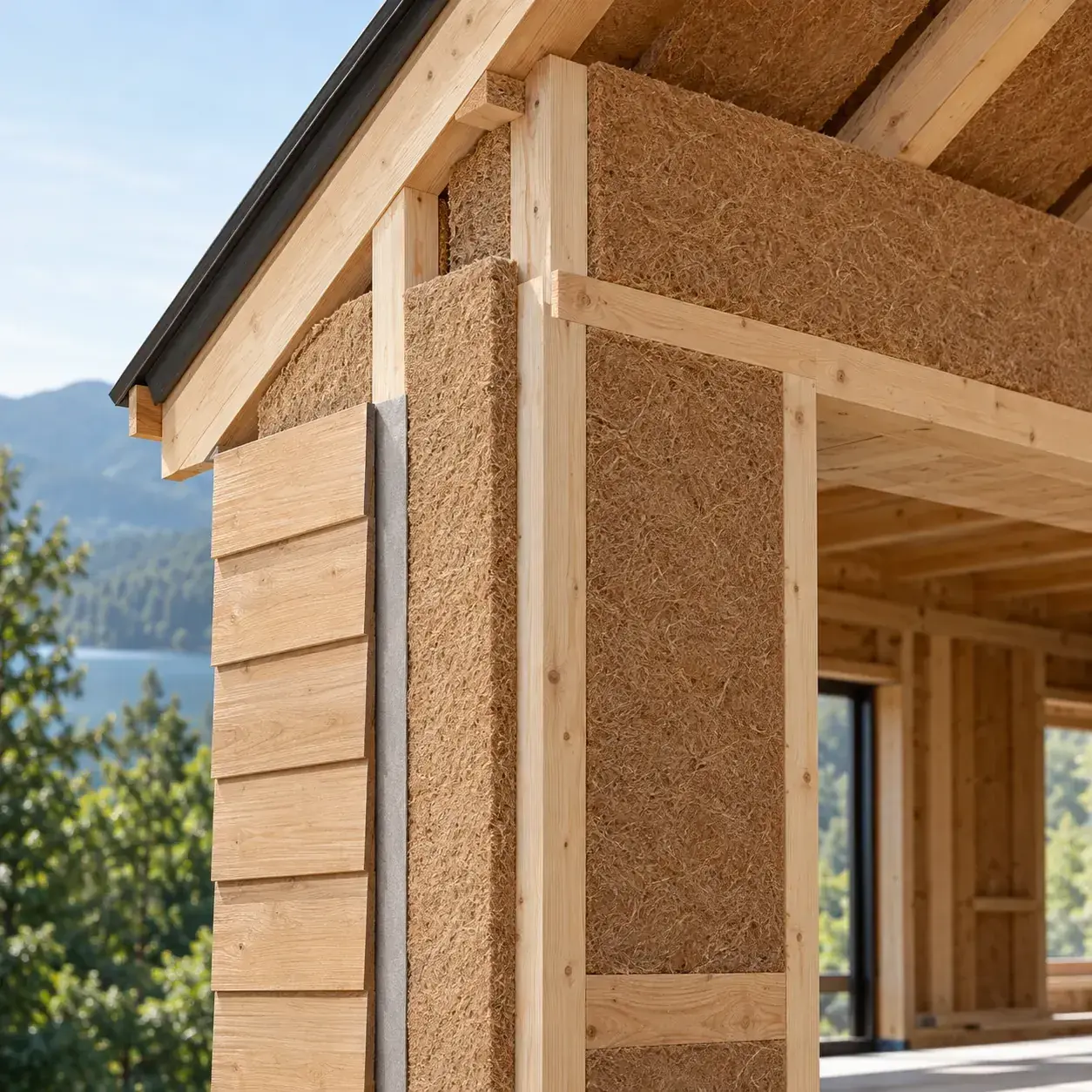
AI-generated design concept, not a photograph of a documented property. Wood-fiber insulation.
Evaluate wood-fiber products where their tested properties and approved assembly suit the wall or roof design.
Make it work: Thickness, moisture exposure, fire detailing and availability differ by product. Compare the whole assembly rather than assuming every plant-based board performs alike.
9. Cork flooring
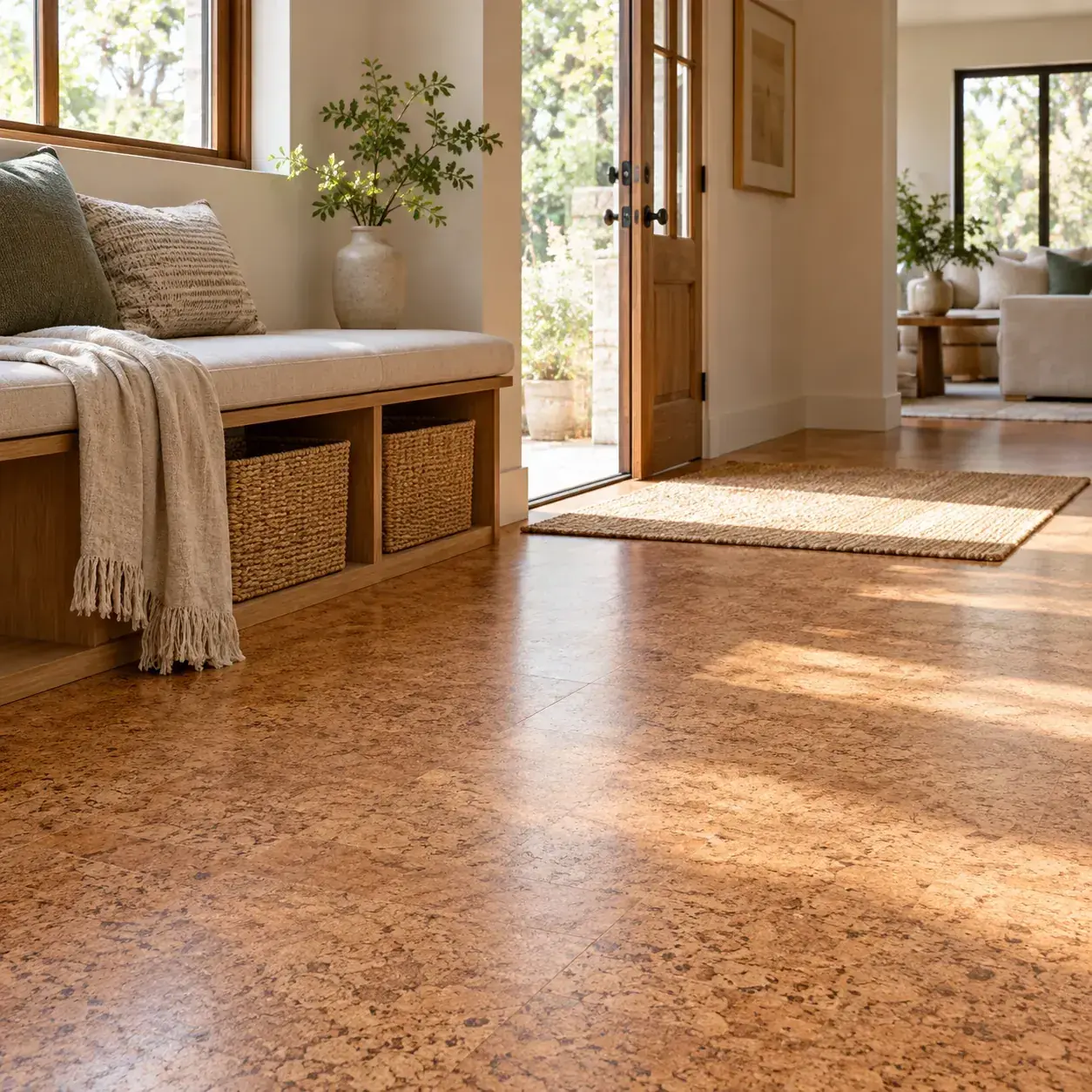
AI-generated design concept, not a photograph of a documented property. Cork flooring.
Use cork in an interior where a softer surface and warm texture fit the household routine.
Make it work: Review finish maintenance, indentation resistance and water limitations. Cork content alone does not establish low emissions for the adhesive and finished product.
10. Natural linoleum
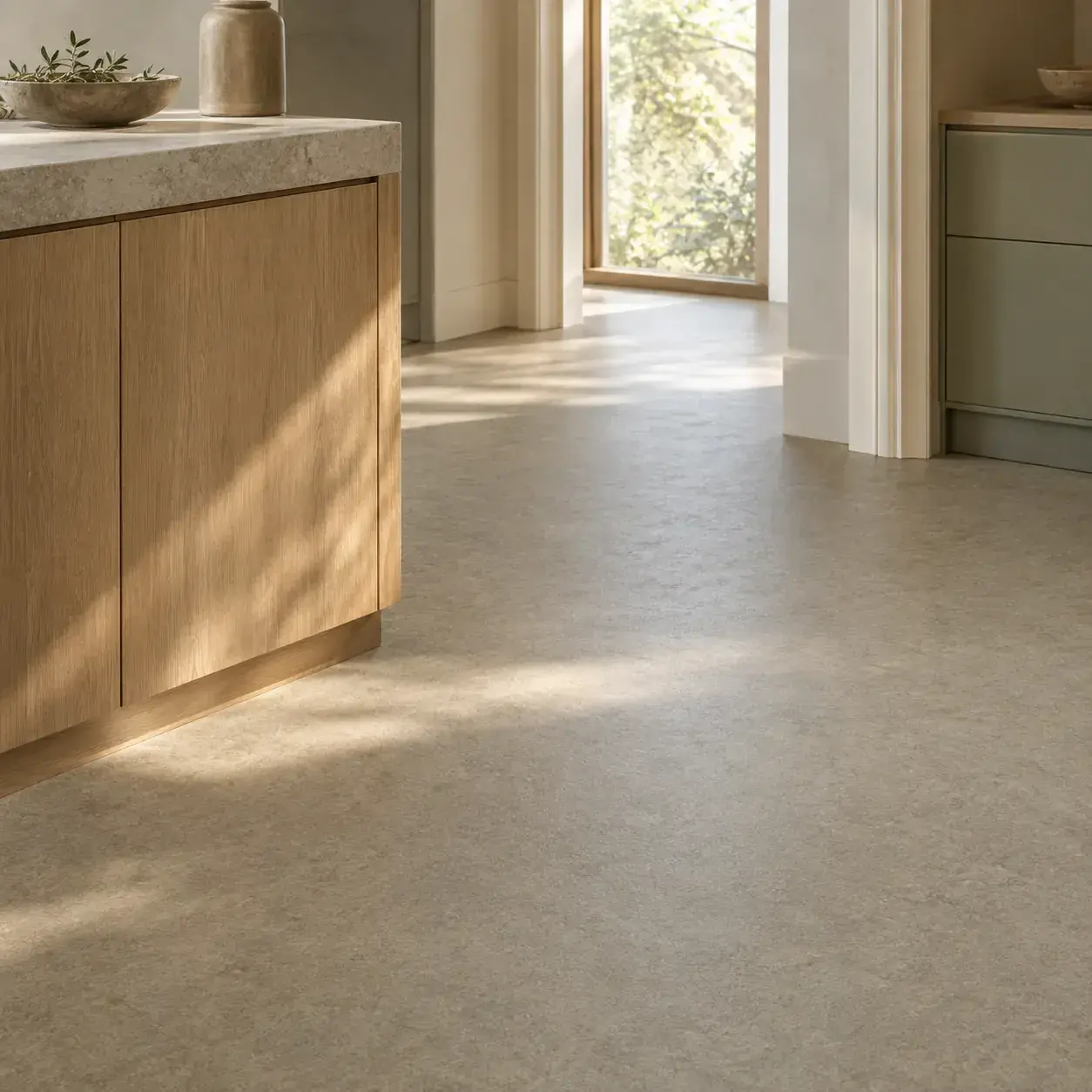
AI-generated design concept, not a photograph of a documented property. Natural linoleum.
Consider linoleum for a resilient floor with a quiet color palette and a documented product composition.
Make it work: Linoleum and vinyl are different materials. Check the specific backing, adhesive, subfloor moisture limits and maintenance instructions before ordering.
11. Bamboo flooring
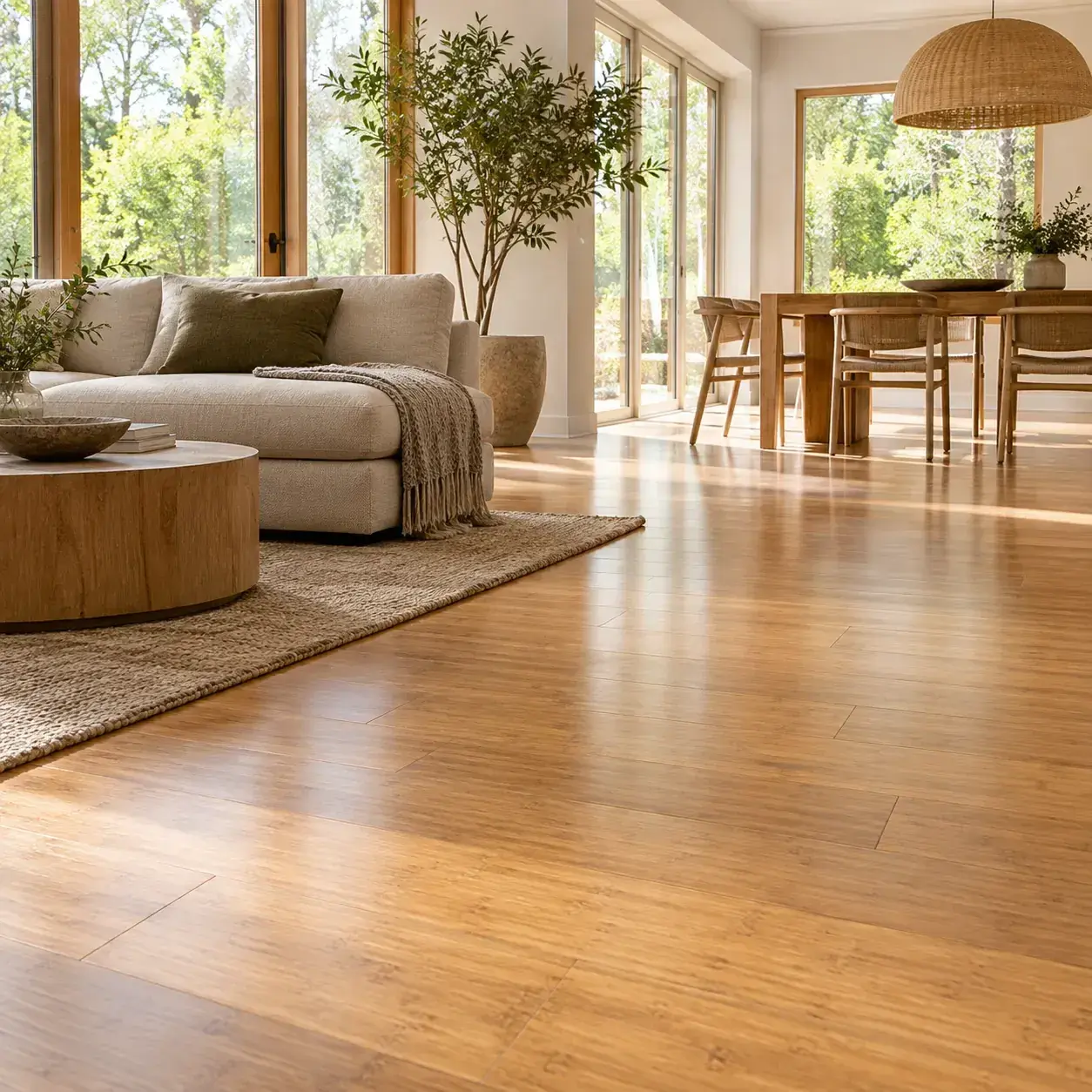
AI-generated design concept, not a photograph of a documented property. Bamboo flooring.
Select a documented bamboo flooring product when its appearance and tested performance suit the room.
Make it work: Manufacturing, binders and transport influence its impact. Review emissions testing, hardness and moisture requirements rather than treating rapid plant growth as the whole sustainability story.
12. Recycled-glass surfaces
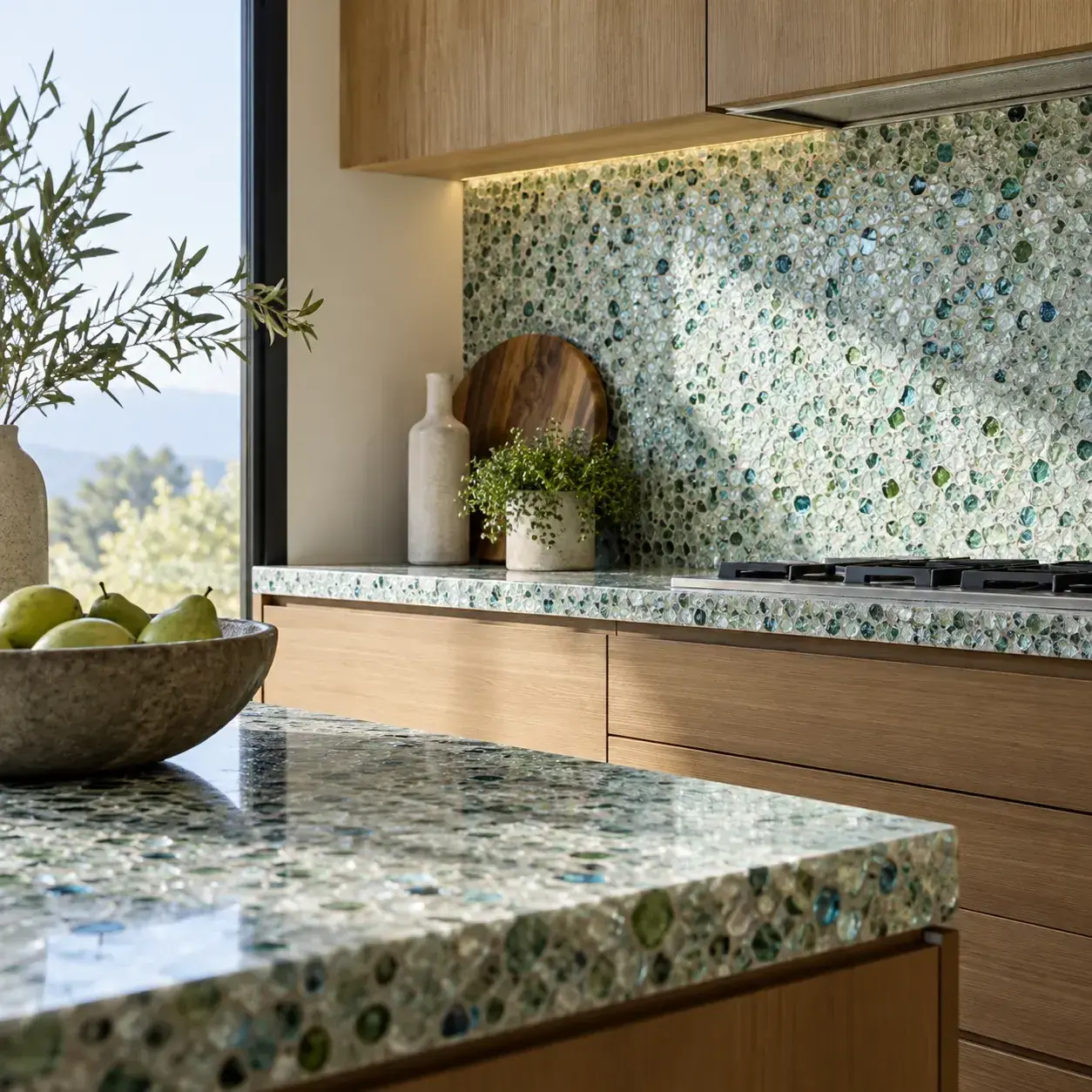
AI-generated design concept, not a photograph of a documented property. Recycled-glass surfaces.
Use a recycled-glass tile or composite surface as a limited accent where its texture can be appreciated.
Make it work: Confirm the binder, recycled percentage, repair options and cleaning limits. A composite countertop is not simply a slab of waste glass.
13. Recycled-content gypsum board
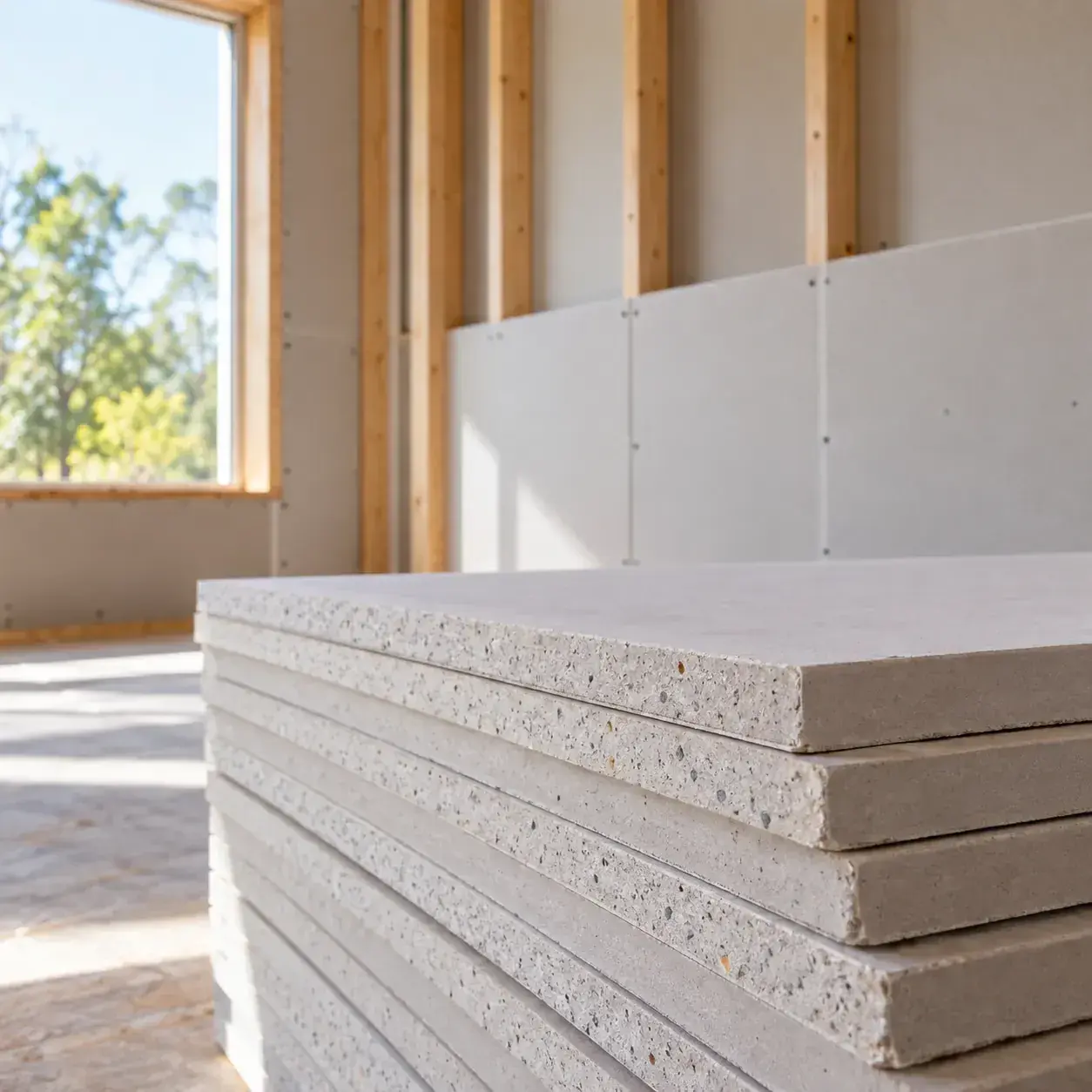
AI-generated design concept, not a photograph of a documented property. Recycled-content gypsum board.
Ask suppliers about suitable gypsum boards with verified recycled content for ordinary interior applications.
Make it work: Match the required fire, moisture and acoustic assembly. Recycled content does not make standard drywall appropriate in a wet shower enclosure.
14. Clay plaster finishes
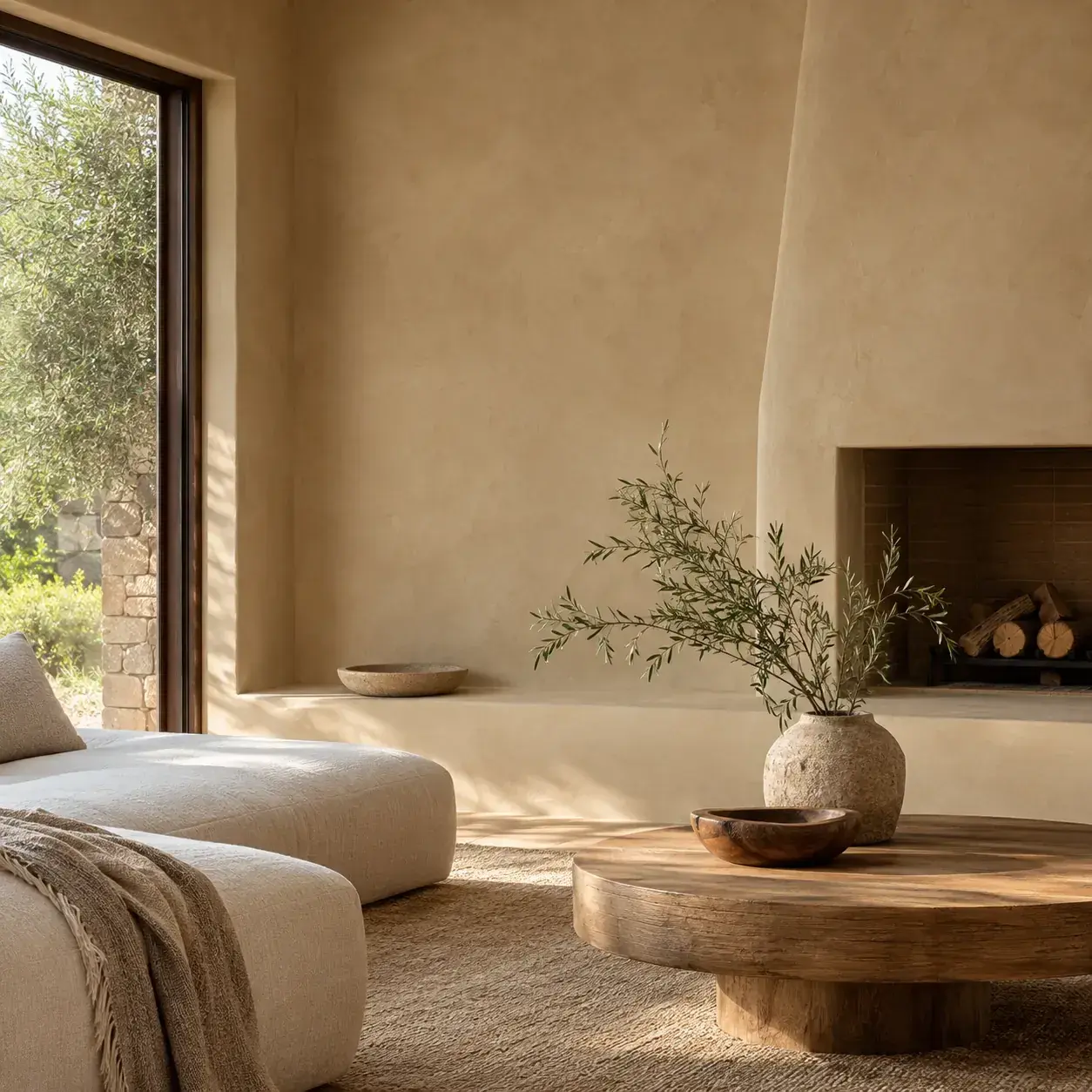
AI-generated design concept, not a photograph of a documented property. Clay plaster finishes.
Use a compatible clay plaster on a suitable dry interior substrate where a softly textured finish is desired.
Make it work: Confirm substrate preparation, finish durability and repair methods. A natural finish does not replace ventilation or eliminate moisture problems.
15. Locally available durable stone
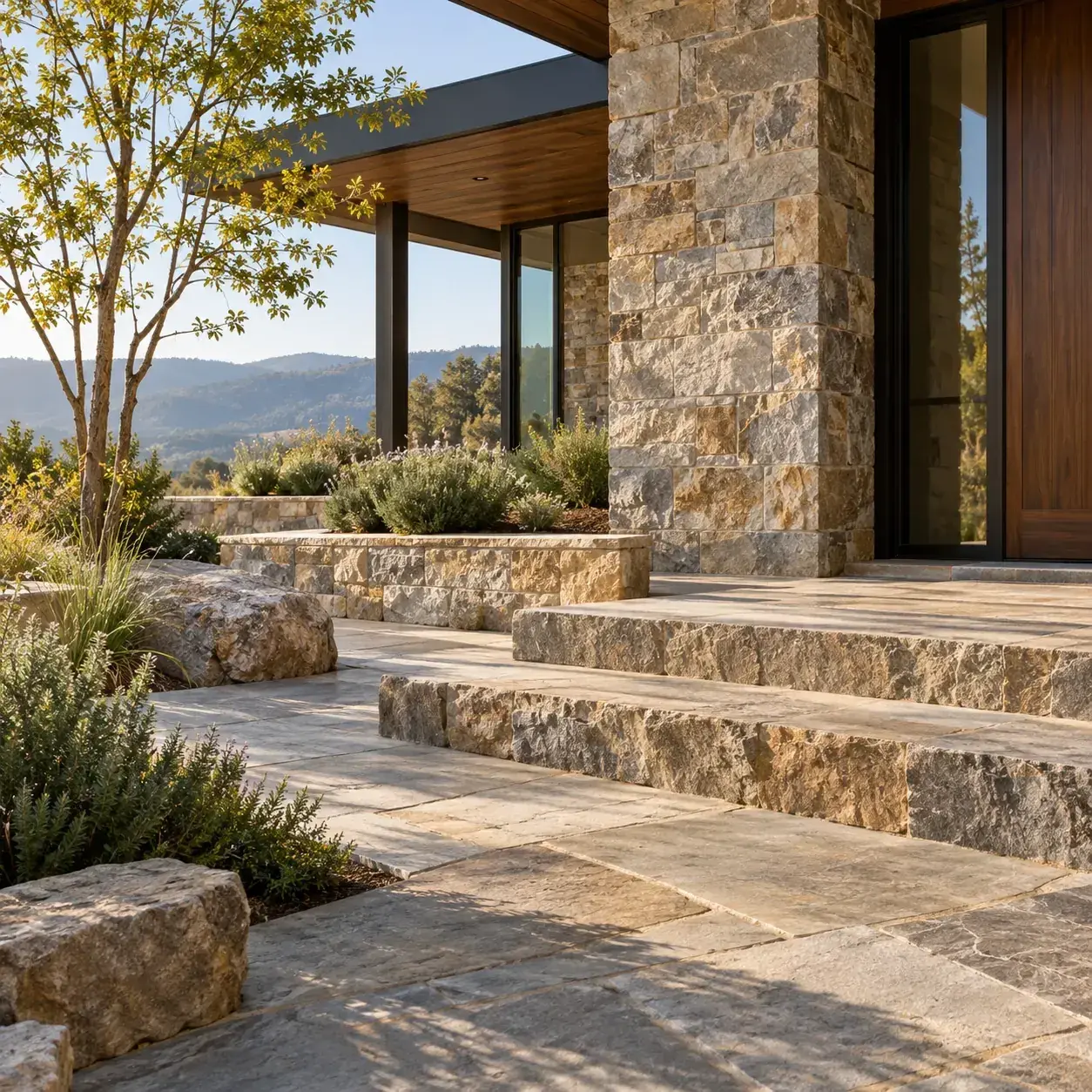
AI-generated design concept, not a photograph of a documented property. Locally available durable stone.
Consider regionally sourced stone when its service life, exposure suitability and transport route fit the project.
Make it work: Local does not automatically mean lower impact. Compare quarrying, fabrication, installation waste and maintenance against other materials that serve the same function.
Frequently asked questions
What makes a building material sustainable?
Evaluate its source, manufacturing impact, service life, maintenance and end-of-life options in the actual project. No material wins every comparison. A durable product that avoids early replacement may be a stronger choice than one selected only for a green marketing claim.
Does recycled content guarantee a lower impact?
No. Recycled content is one useful attribute, but transport, manufacturing, binders and expected service life also matter. Compare documented products that perform the same job, using comparable assumptions.
Where should I begin on a limited budget?
First identify materials you can retain or reuse, then focus on the building envelope and high-volume purchases. Ask the designer to compare realistic local options before paying a premium for a specialty finish.
Sources and further reading
[1] EPA: Reduced Emissions in Construction Materials
[2] EPA: Sustainable Management of Construction and Demolition Materials
Sources
- EPA: Reduced Emissions in Construction Materials. Checked October 13, 2026
- EPA: Sustainable Management of Construction and Demolition Materials. Checked October 13, 2026
- US Department of Energy: Types of Insulation. Checked October 13, 2026
Share this article
Get new guides by email
Practical home articles and free resources. No spam, and you can unsubscribe at any time.
Keep reading
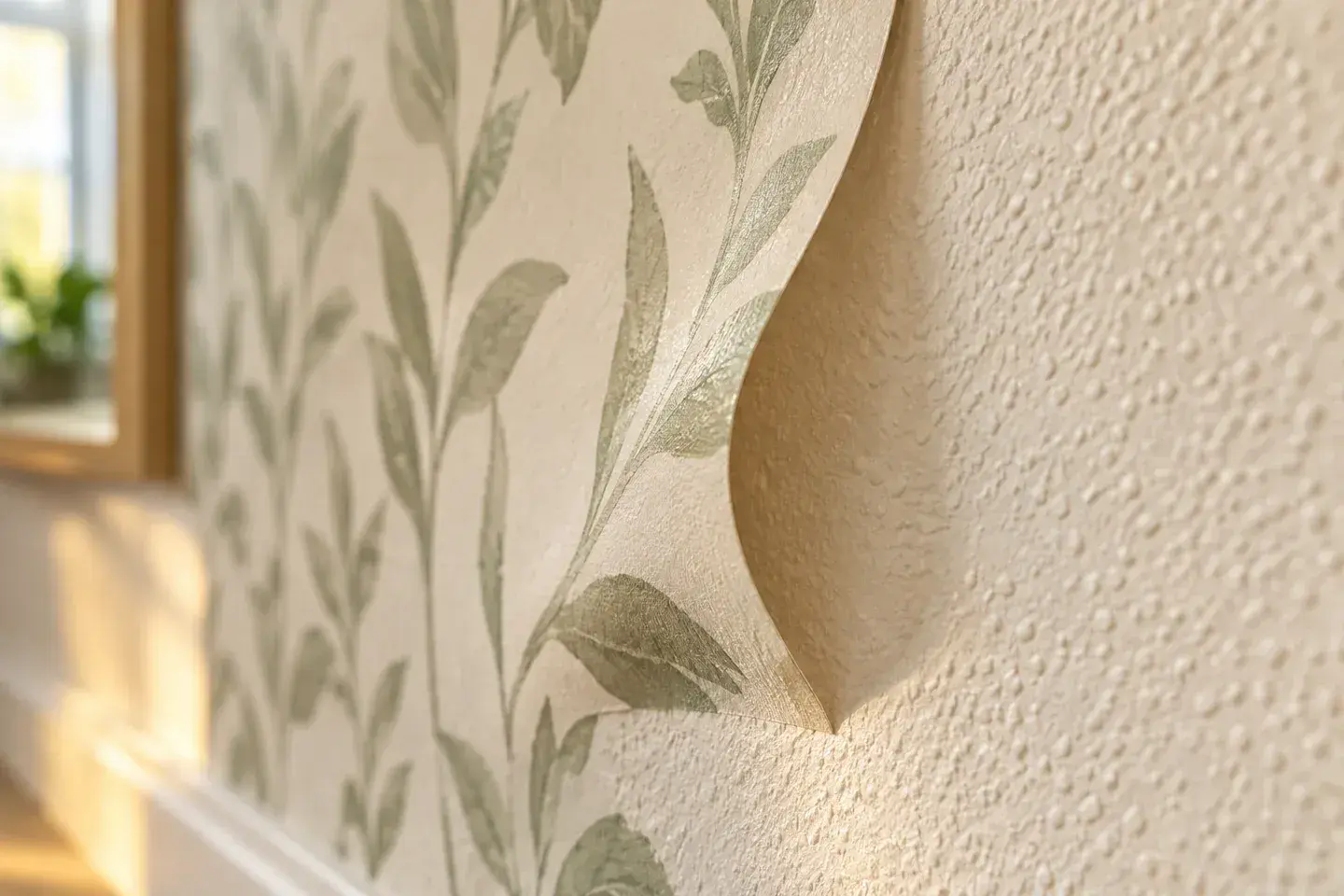
Does Peel and Stick Wallpaper Work on Textured Walls?
Sometimes a manufacturer permits a limited texture, but many peel and stick wallpapers require a smooth, flat surface. Texture reduces the contact area.
October 2026, 3 min read
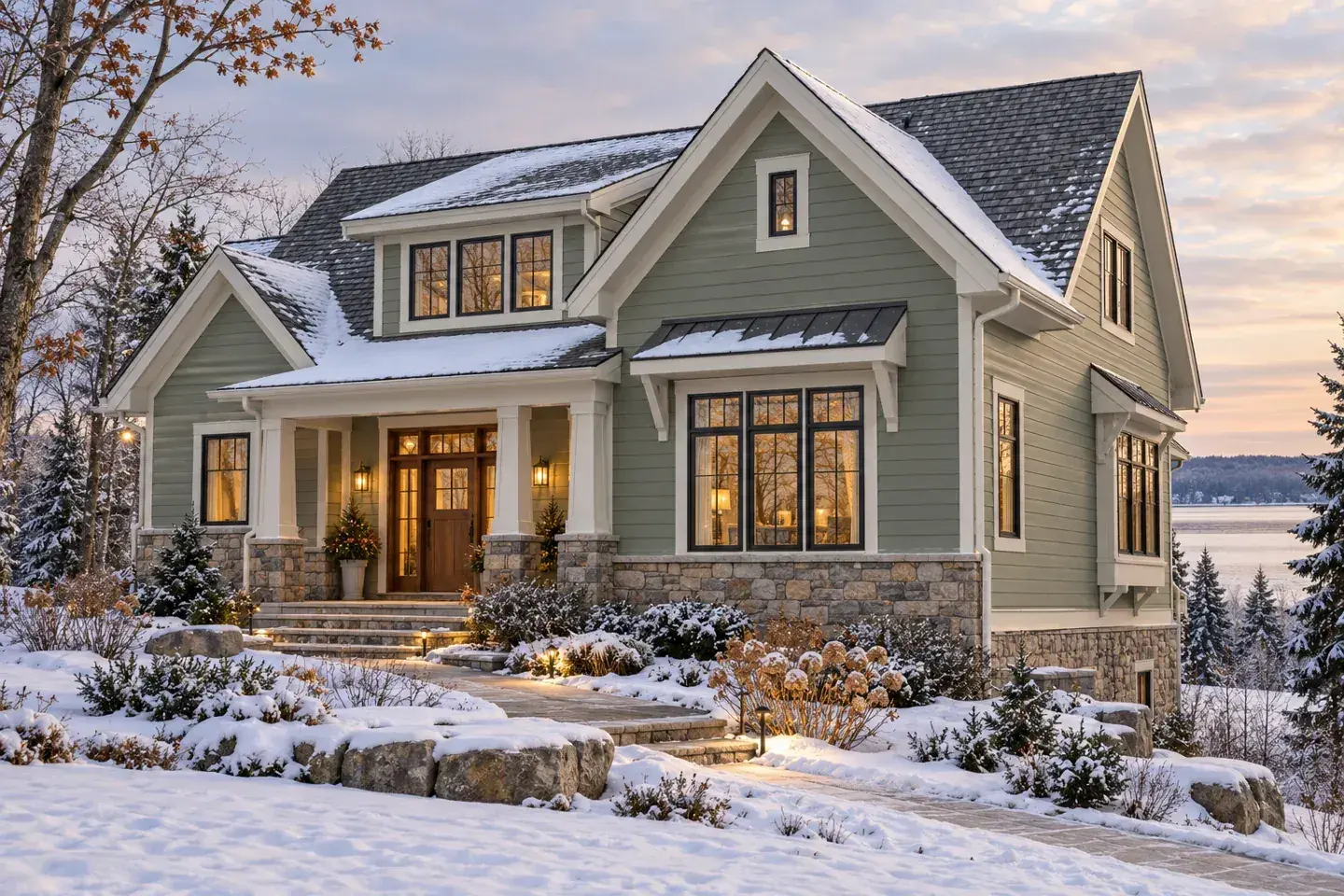
The Most Durable House Siding Options for Wisconsin Winters
Compare siding options for Wisconsin winters, including fiber cement, engineered wood, steel, and vinyl, with installation and maintenance considerations.
October 2026, 4 min read
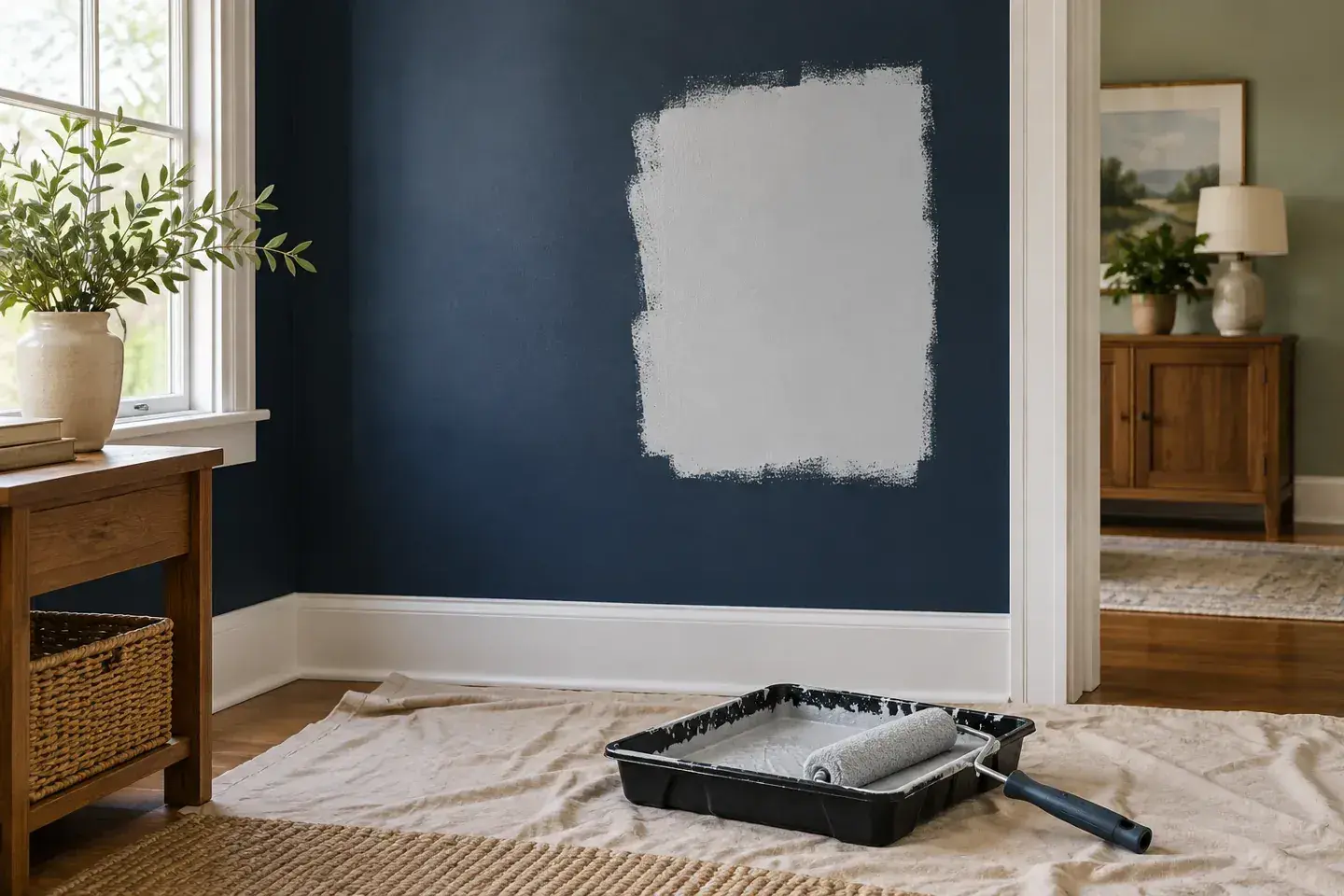
What Is the Best Primer for Painting Over Dark Colors?
Choose primer for a dark-color repaint by hiding, adhesion and stain-control needs. Compare undercoat colors and plan a compatible finish system.
October 2026, 4 min read