7 Pro Secrets to Make Fake Plants Look Real Indoors
Convincing faux greenery depends on proportion, placement, and small finishing details. Even a good artificial plant can look unconvincing when its.
By Home Crane Editors. . 4 min read.
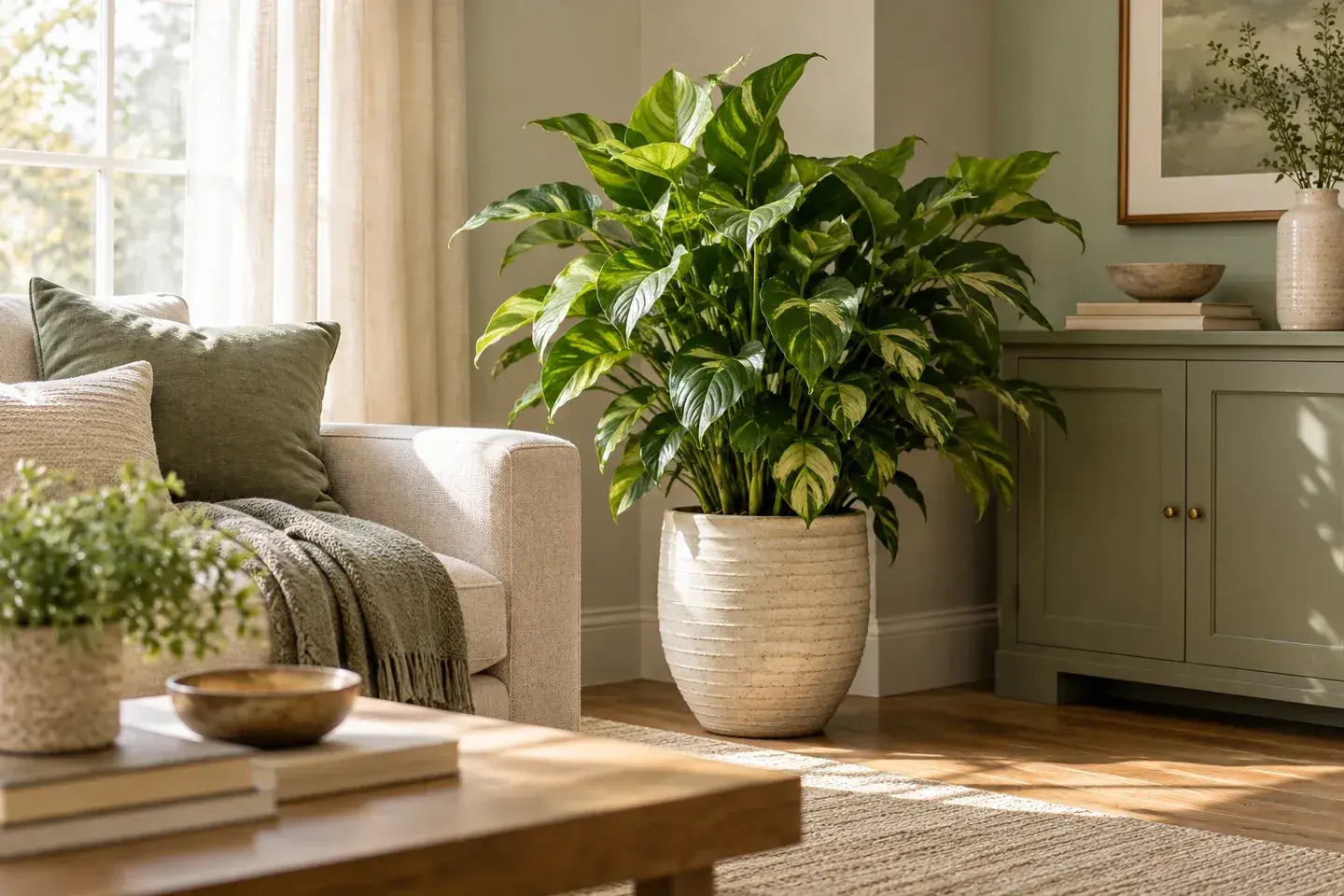
Convincing faux greenery depends on proportion, placement, and small finishing details. Even a good artificial plant can look unconvincing when its branches remain compressed from shipping or its tiny nursery pot sits exposed in a large room.
These are practical styling principles, not claims that HomeCrane conducted a product test or interviewed seven designers. The illustrations show suggested arrangements. Start with the plant you have, make one adjustment at a time, and judge it from the distance where it will normally be seen.
1. Choose believable leaves instead of maximum size
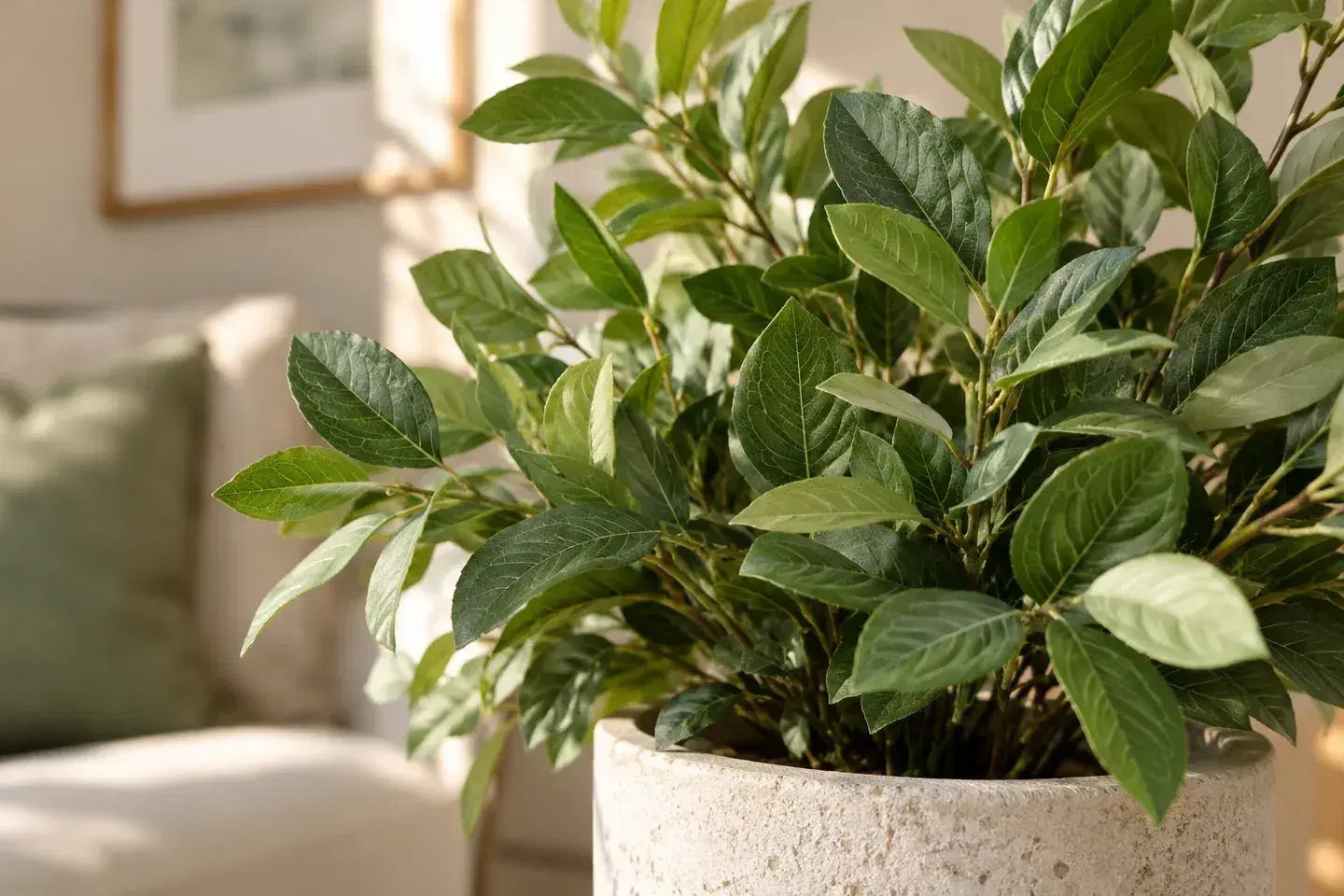
Look for subtle color variation, plausible leaf shapes, and a surface that does not look excessively glossy under your room's lighting. A smaller convincing plant can work better than a very large one with obvious seams or identical repeated leaves.
Inspect close-up photographs before ordering, but also consider the viewing distance. A floor plant seen from across the room has different demands from a small stem placed beside a reading chair. Read the material and care information rather than assuming “real touch” means every part can be washed or bent.
2. Shape the branches into an irregular silhouette
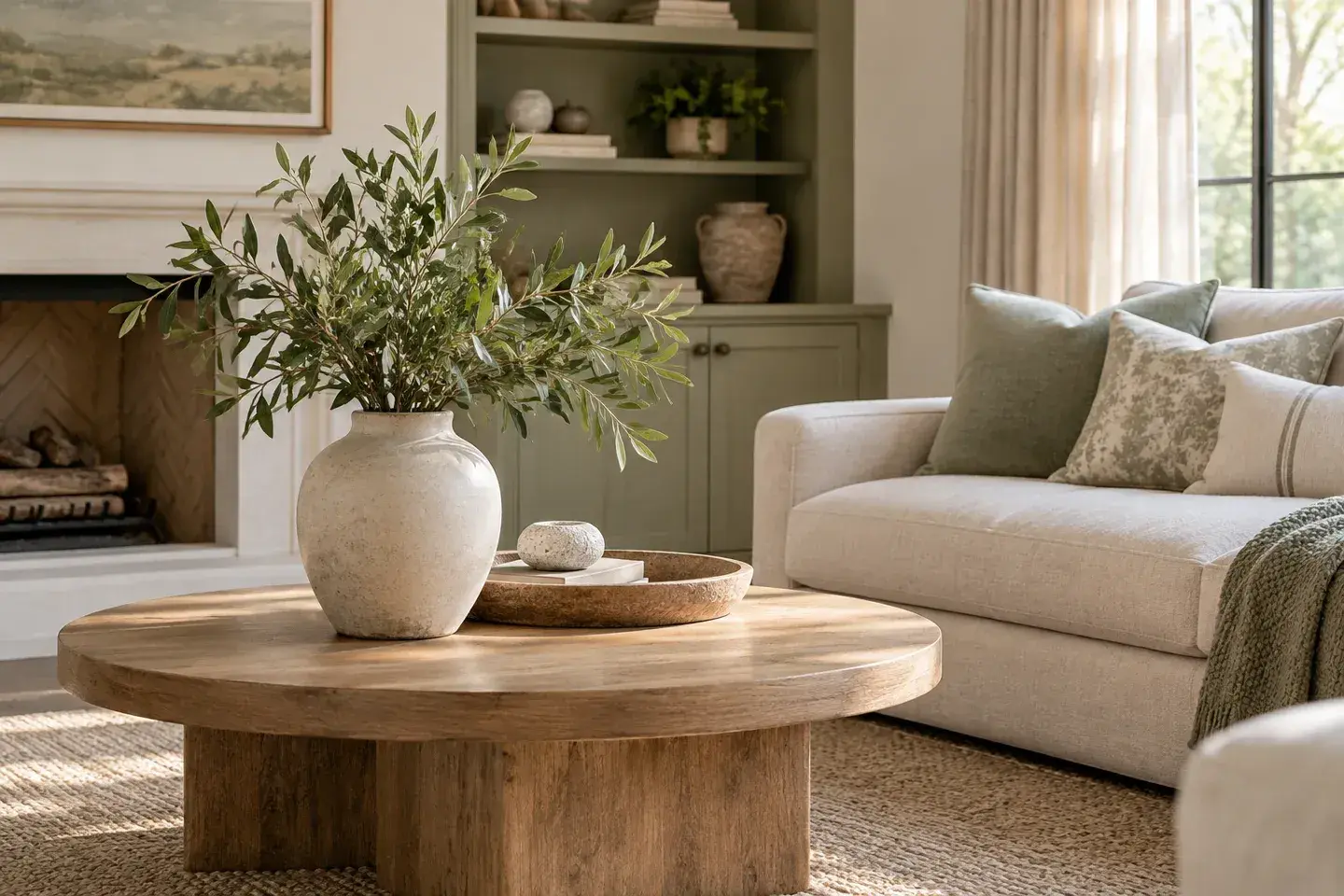
Plants shipped in boxes often arrive compressed. Gently separate branches and adjust wired stems only where the product allows it. Aim for natural variation rather than identical spacing in every direction.
Afloral's plant guidance discusses shaping compressed stems and avoiding excessive sun exposure. Do not force a rigid joint or bend a stem repeatedly at the same point. Work gradually, step back, and rotate the pot to see whether the silhouette still looks balanced from the doorway and main seating position.
3. Hide the nursery pot inside a well-scaled planter
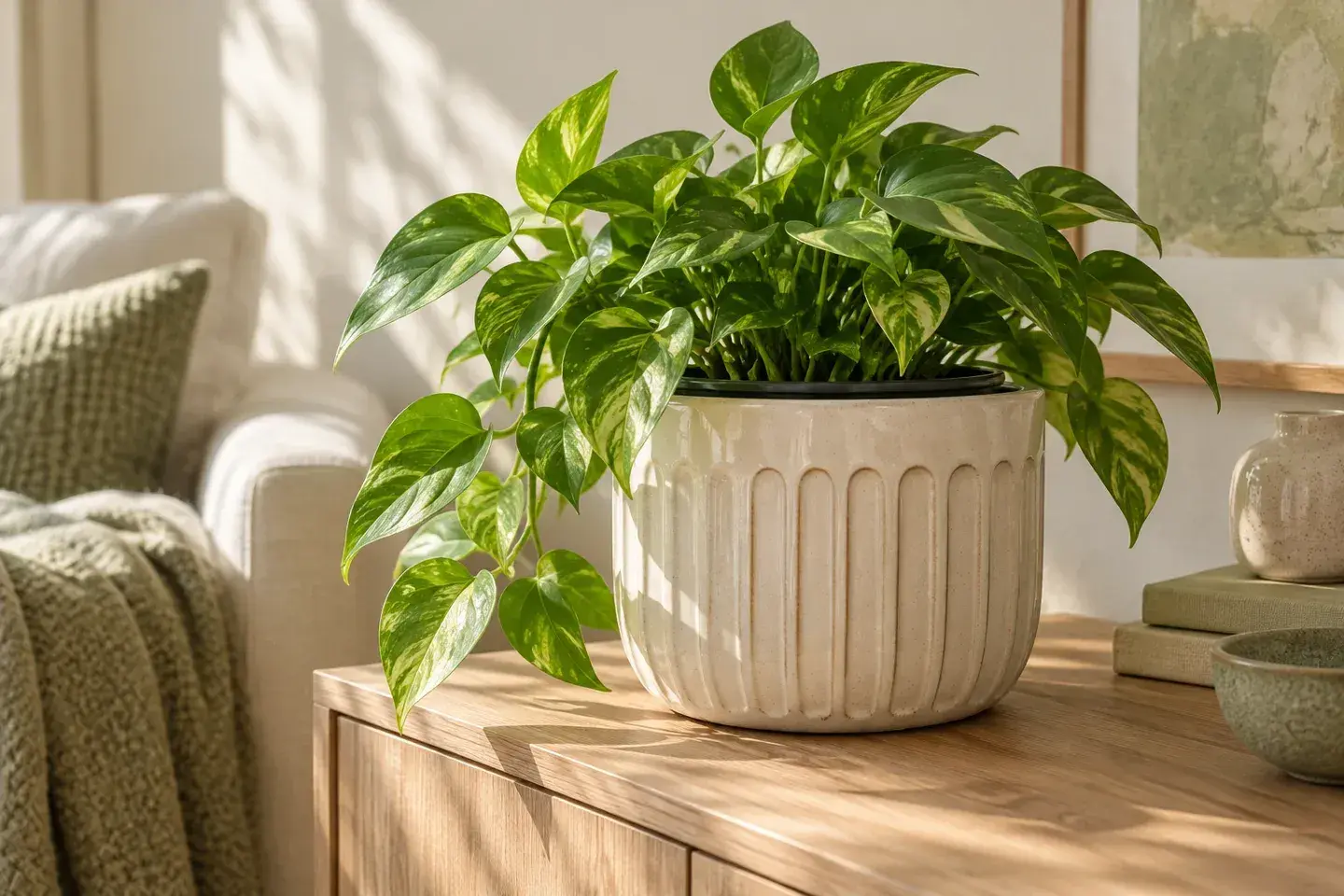
A decorative cachepot can make inexpensive greenery look intentional. Choose one large enough to conceal the original pot without leaving a huge empty ring around it. Check that the plant remains stable and does not lean when the outer container is moved.
If you need an internal spacer, use a stable, suitable support that will not collapse or damage the planter. Avoid relying on loosely packed paper for a tall, top-heavy arrangement. The outer pot should improve both appearance and stability, not simply make the plant taller.
4. Cover visible foam with restrained topdressing
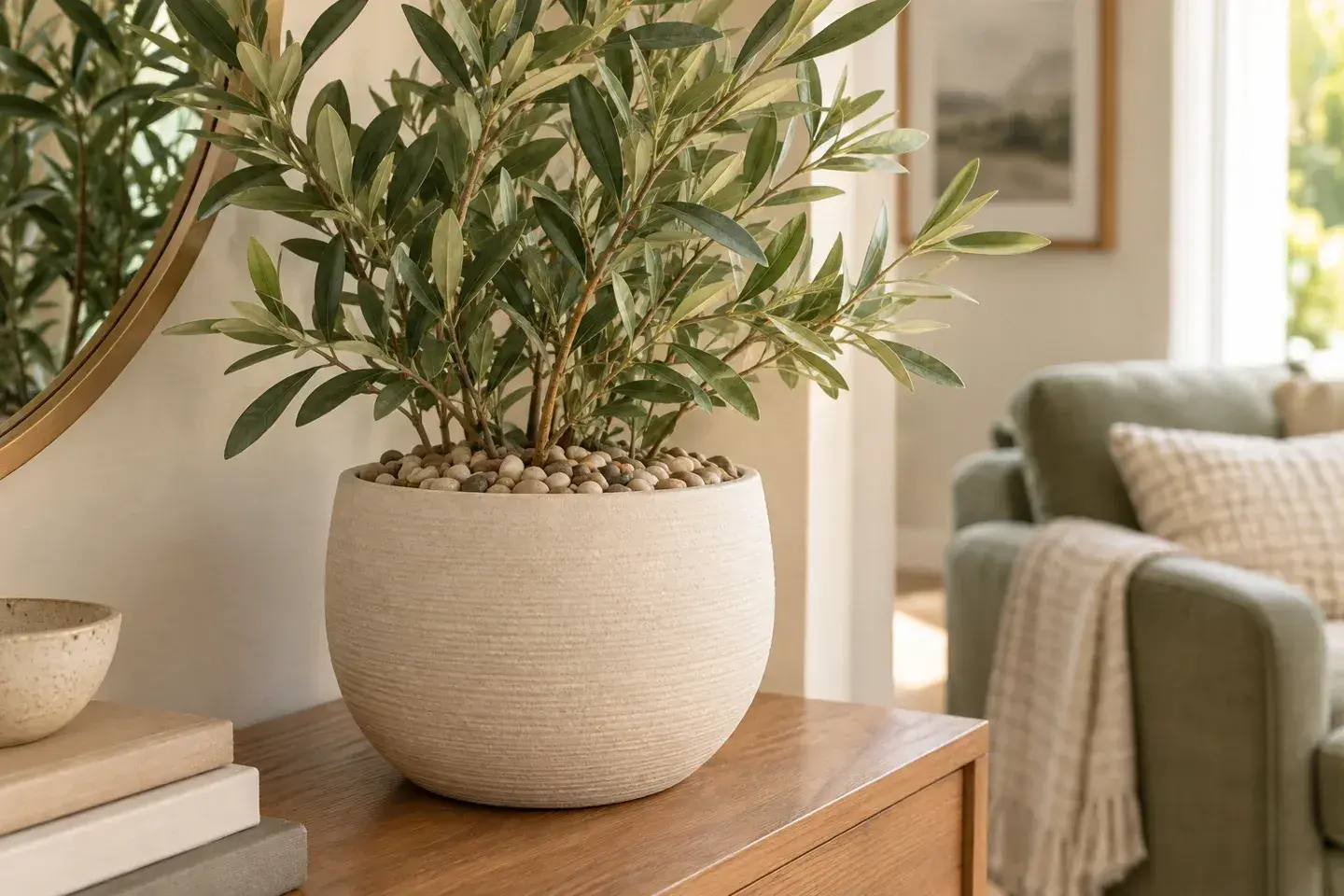
A thin layer of appropriate decorative material can conceal a molded base or exposed foam. Keep it tidy and proportionate. A small plant does not need a large mound of moss or stones competing with the foliage.
Use materials appropriate for your household, especially where small children or pets could access loose pieces. Keep topdressing dry and avoid adding real soil simply to imitate a living plant. Soil can introduce mess and moisture without helping an artificial plant. Make sure you can still inspect and clean the arrangement.
5. Place it where a real plant would look plausible
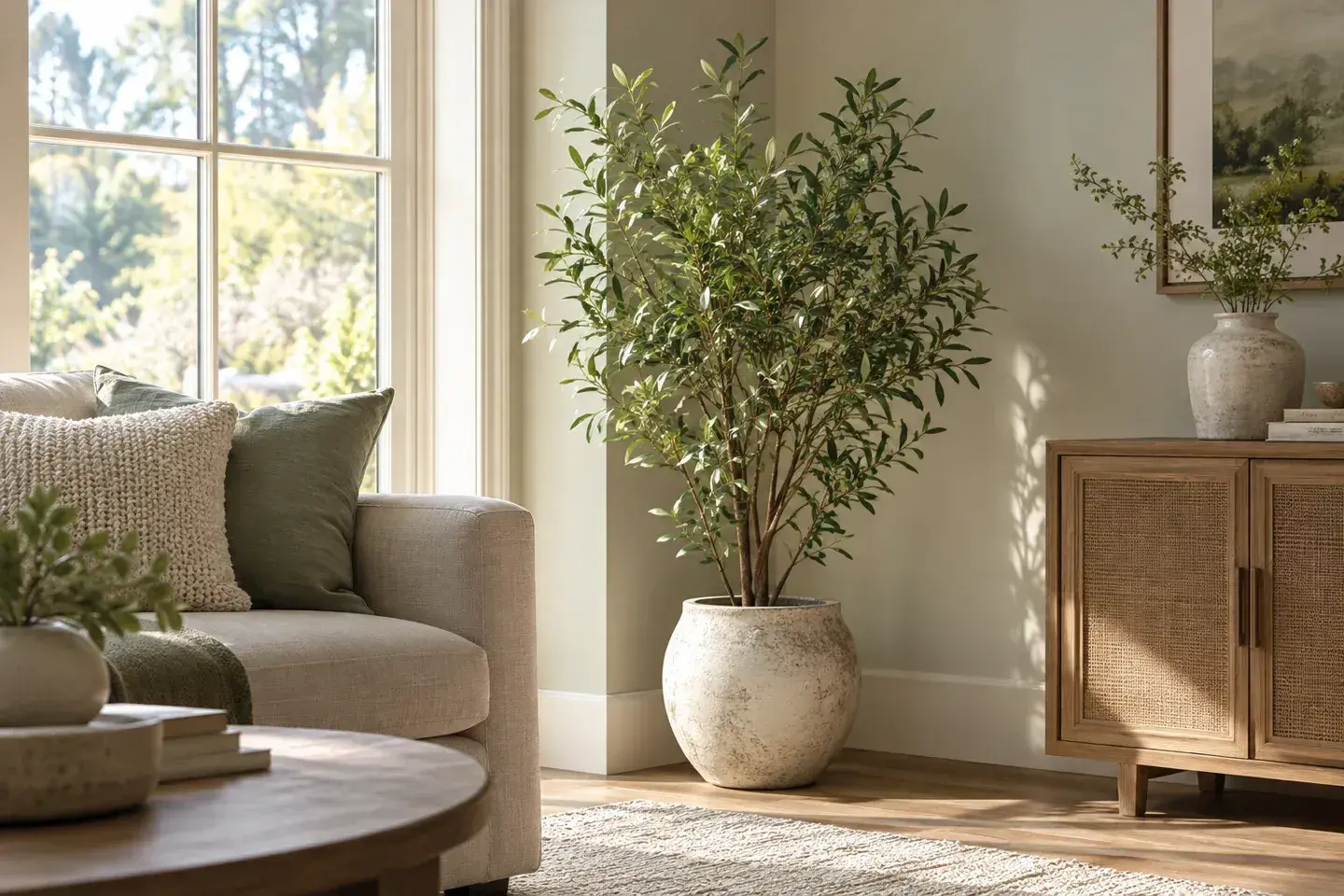
A spot near indirect daylight often makes the arrangement feel more natural than a dark corner chosen only to fill empty space. Consider the apparent species and the room's scale, but do not treat the faux plant as if it requires actual horticultural care.
Keep the material away from heat sources and strong sun if its care instructions require that. Light can improve the illusion while prolonged exposure can fade or degrade some products. A good placement balances appearance, circulation, access, and the product's limitations.
6. Build a small composition with varied heights
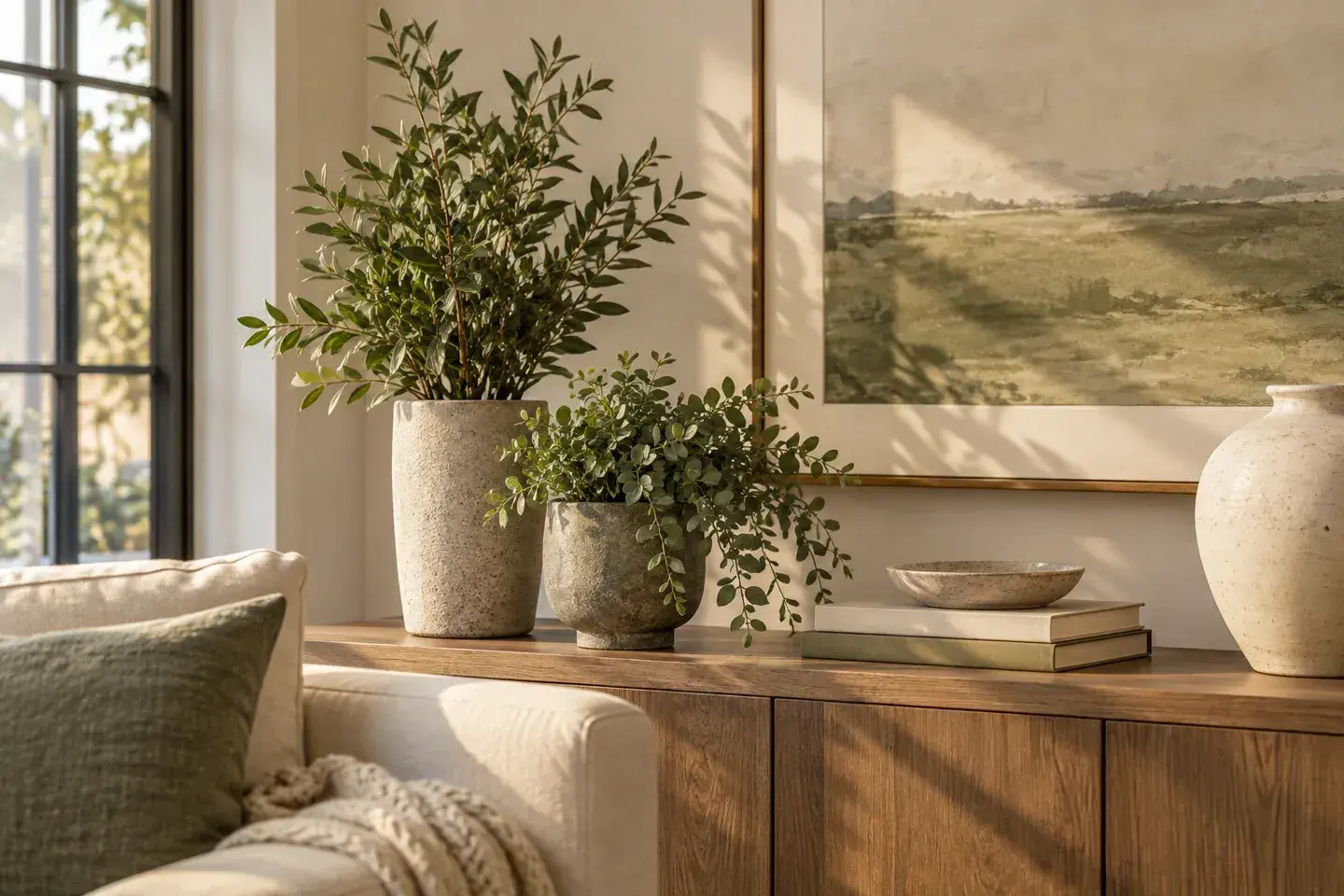
Pair one plant with a few objects that give it context: a ceramic vessel, a low stack of books, or a simple lamp. Vary heights and leave open space. Filling every surface with greenery can make the repeated artificial textures more obvious.
Choose containers that relate to the room rather than matching every pot exactly. A restrained palette often works better than many competing finishes. View the grouping from the normal seated position, where a tall stem may block a lamp, television, or conversation sightline even if it looks attractive in a close-up photograph.
7. Dust the leaves before adding more decoration
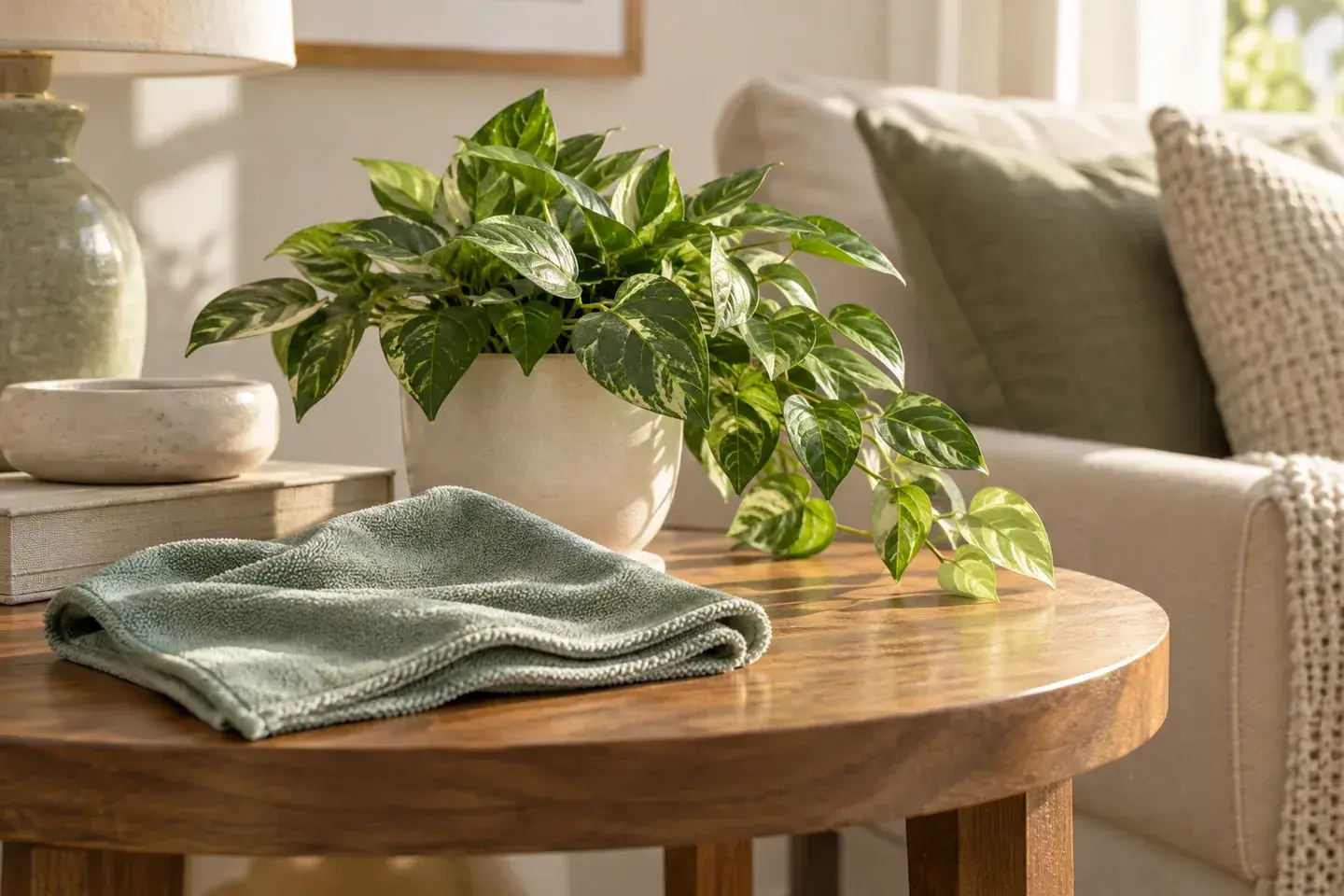
Dust changes the sheen and makes artificial foliage look neglected. Start with a soft, dry cleaning method approved for the product. Support delicate parts and avoid pulling at glued joints.
Afloral's care guide distinguishes materials that tolerate water from those that can be damaged by it. Do not soak every faux plant in the shower or apply oil, polish, or cleaning spray as a universal “shine” hack. Test any permitted method discreetly. A clean matte leaf usually looks more convincing than a heavily coated glossy one.
A quick styling check
| Feature | What to try first | |
|---|---|---|
| Plant looks flat | Separate permitted branches gradually | |
| Base looks unfinished | Use a well-scaled cachepot | |
| Arrangement feels crowded | Remove one accessory | |
| Leaves look gray | Dust with the approved method | |
| Plant looks unstable | Improve support and container fit |
Photograph the arrangement from the doorway without a wide-angle effect. That can reveal whether the pot is too small, the branches are too symmetrical, or the whole grouping is squeezed against the ceiling. Make the smallest adjustment that solves the problem.
Questions homeowners ask
Should I mix fake and real plants?
You can if the arrangement suits the room, but keep watering needs separate. Do not let runoff from a living plant soak artificial materials or decorative containers that are not water-resistant.
Can an indoor faux plant go on a sunny porch?
Only if it is rated for that exposure. Indoor styling advice does not establish outdoor durability. Check the actual product's UV, moisture, and temperature guidance before moving it outside.
Sources
- Afloral's plant guidance. Checked October 11, 2026
- Afloral's care guide. Checked October 11, 2026
Share this article
Get new guides by email
Practical home articles and free resources. No spam, and you can unsubscribe at any time.
Keep reading
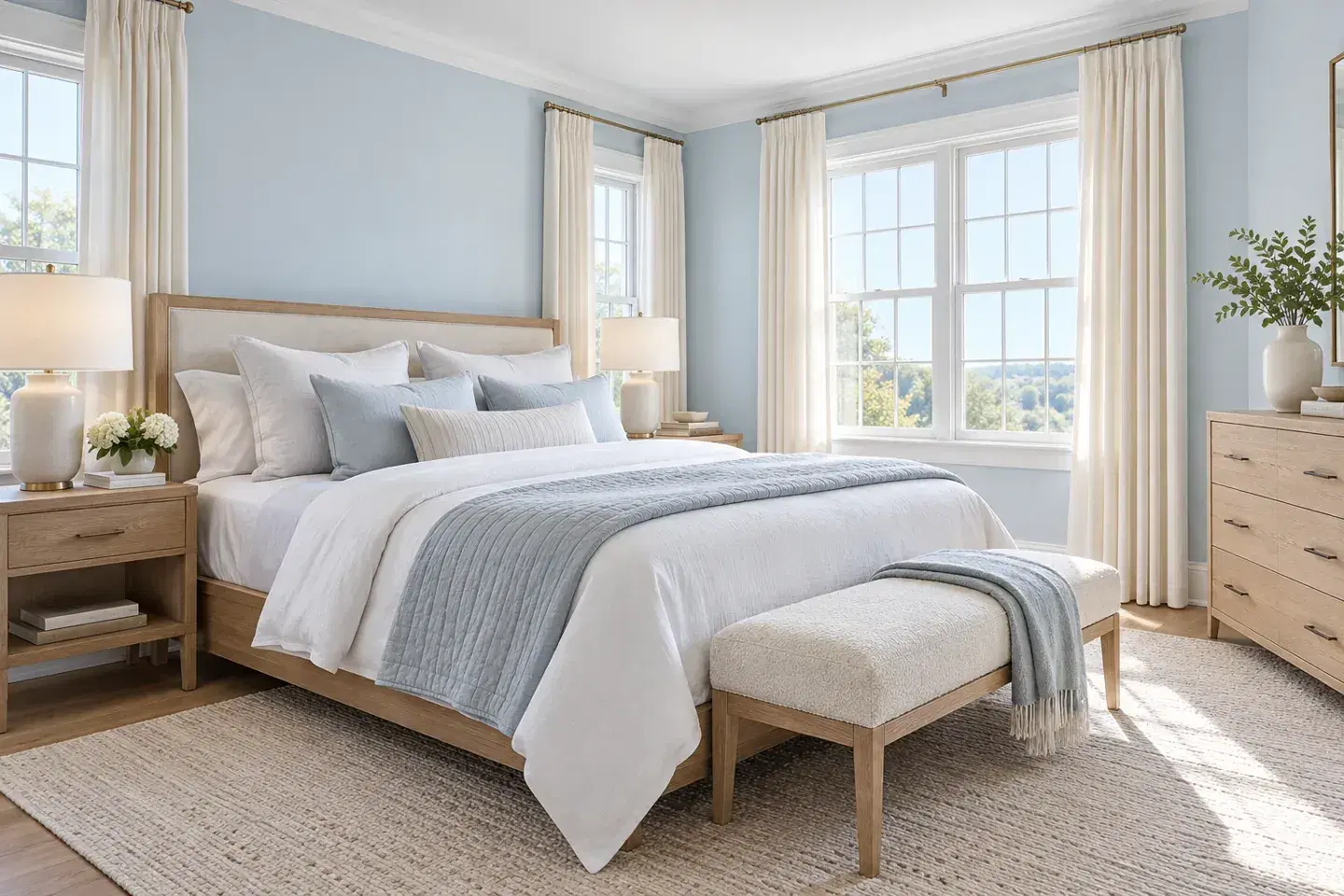
15 Icy Blue Bedroom Paint Ideas for 2026
Explore 15 icy blue bedroom paint ideas, from accent walls to blue ceilings, with warm pairings and practical sampling tips for 2026.
October 2026, 6 min read
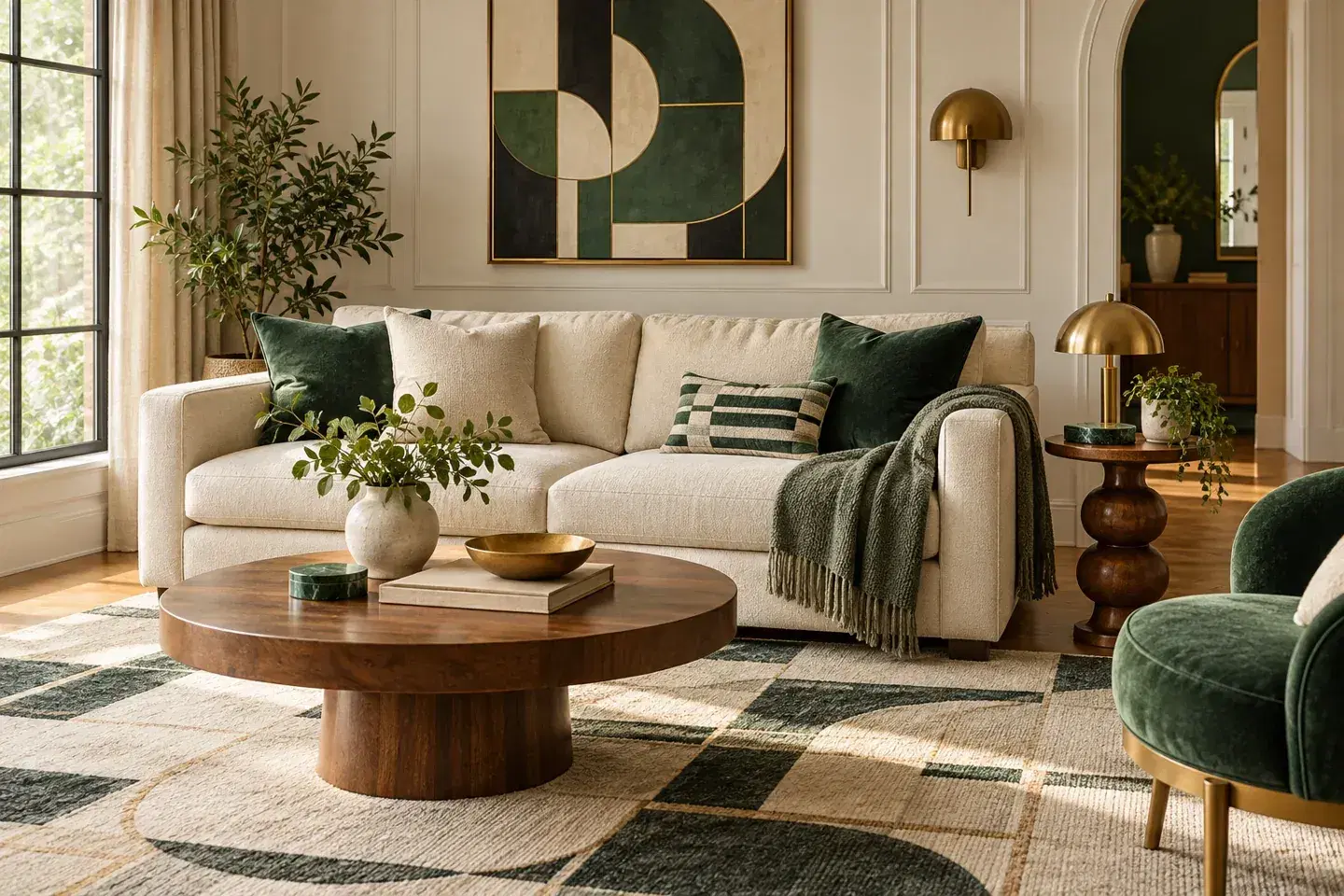
Neo Deco Living Room Ideas: How to Get the Look on a Budget
Create a budget Neo Deco living room with curves, geometric patterns, metallic accents, jewel tones, and balanced furniture styling.
October 2026, 3 min read
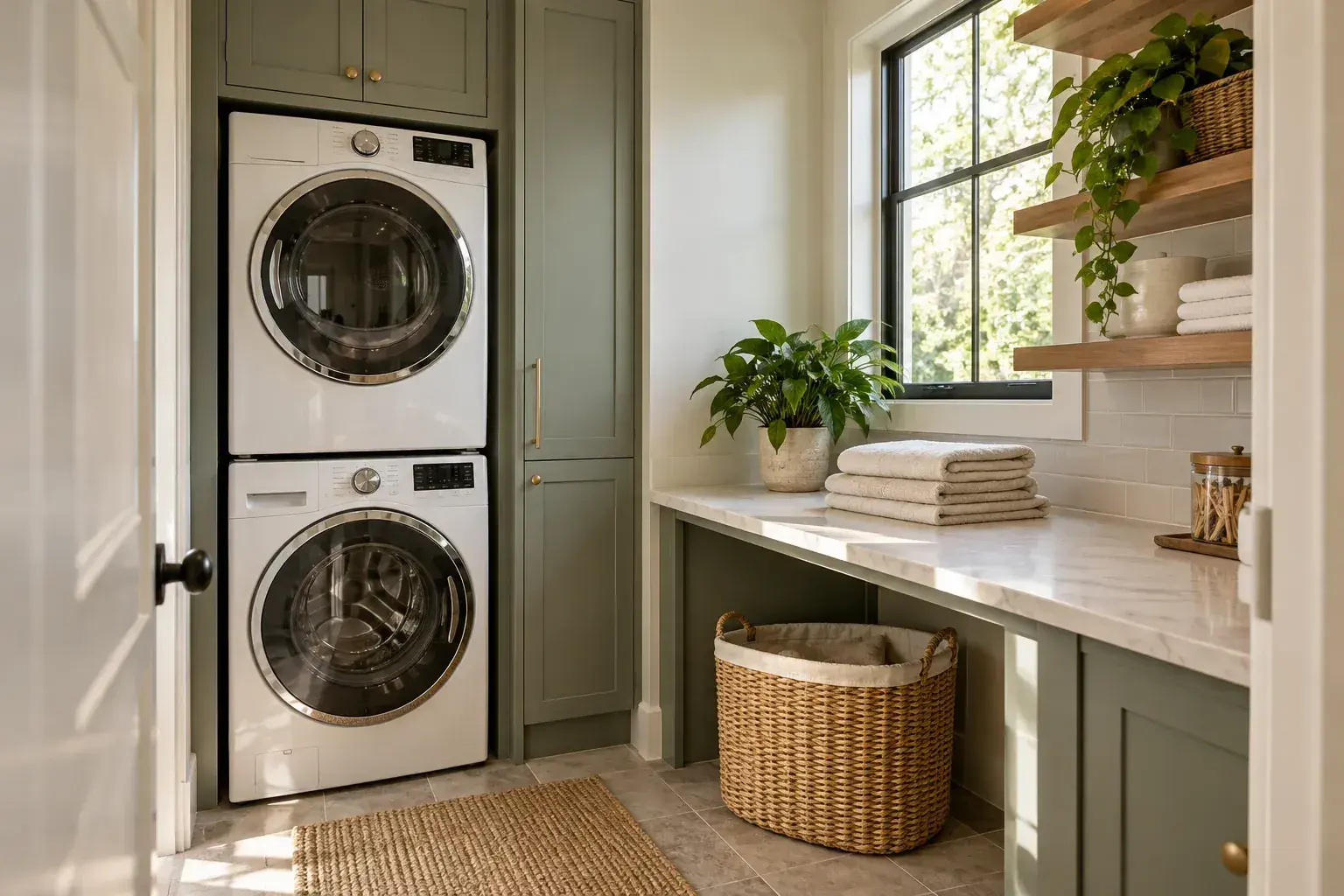
15 Smart Small Laundry Room Stackable Washer Dryer Ideas
Explore 15 smart small laundry room stackable washer dryer ideas. Compare illustrated concepts, practical layout tips, and planning checks.
October 2026, 6 min read