Best AC Units for Texas Heat: What to Compare Before Buying
Compare current Carrier, Trane, and Daikin AC candidates for Texas homes, with questions about high-temperature capacity, humidity, installation, and service.
By Home Crane Editors. . 4 min read.
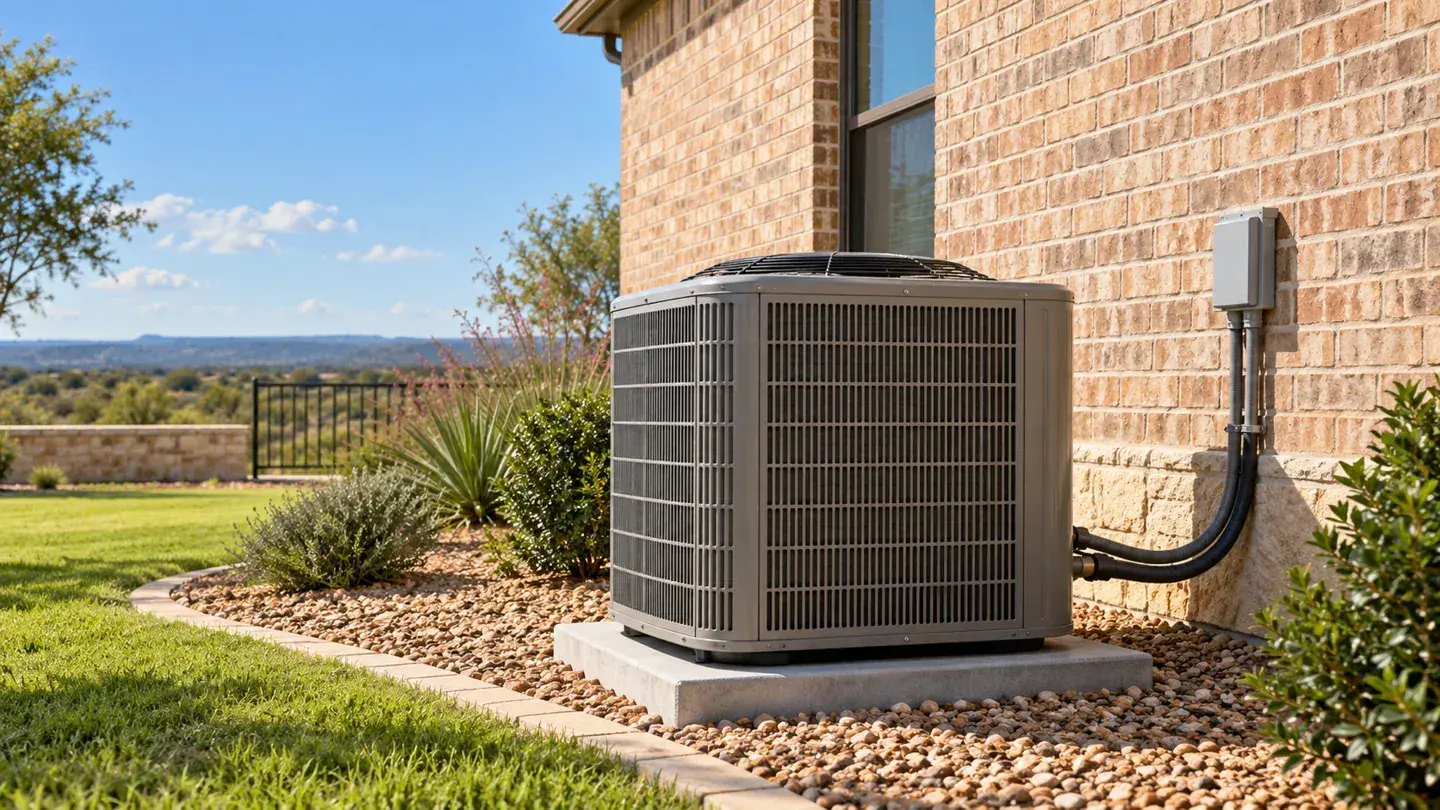
The best air conditioner for Texas heat is a correctly sized, properly installed system that can deliver the required cooling at your location's design conditions. A brand name or a high seasonal efficiency rating does not establish that performance by itself.
Three current product families worth comparing are Carrier Infinity 21, Trane 20 TruComfort, and Daikin FIT DC6VS. They represent different equipment configurations and buying considerations, not independently tested winners. This guide reviews manufacturer information and the questions needed for a useful local proposal. It does not claim that these units have passed a special Texas survival test.
Texas also contains different cooling problems. Humidity near the Gulf Coast, long hot periods inland, and a particular home's windows, roof, insulation, and ducts affect the selection. Start with the house and local design conditions, then ask which equipment match can meet them.
1. Carrier Infinity 21: a premium variable-speed candidate
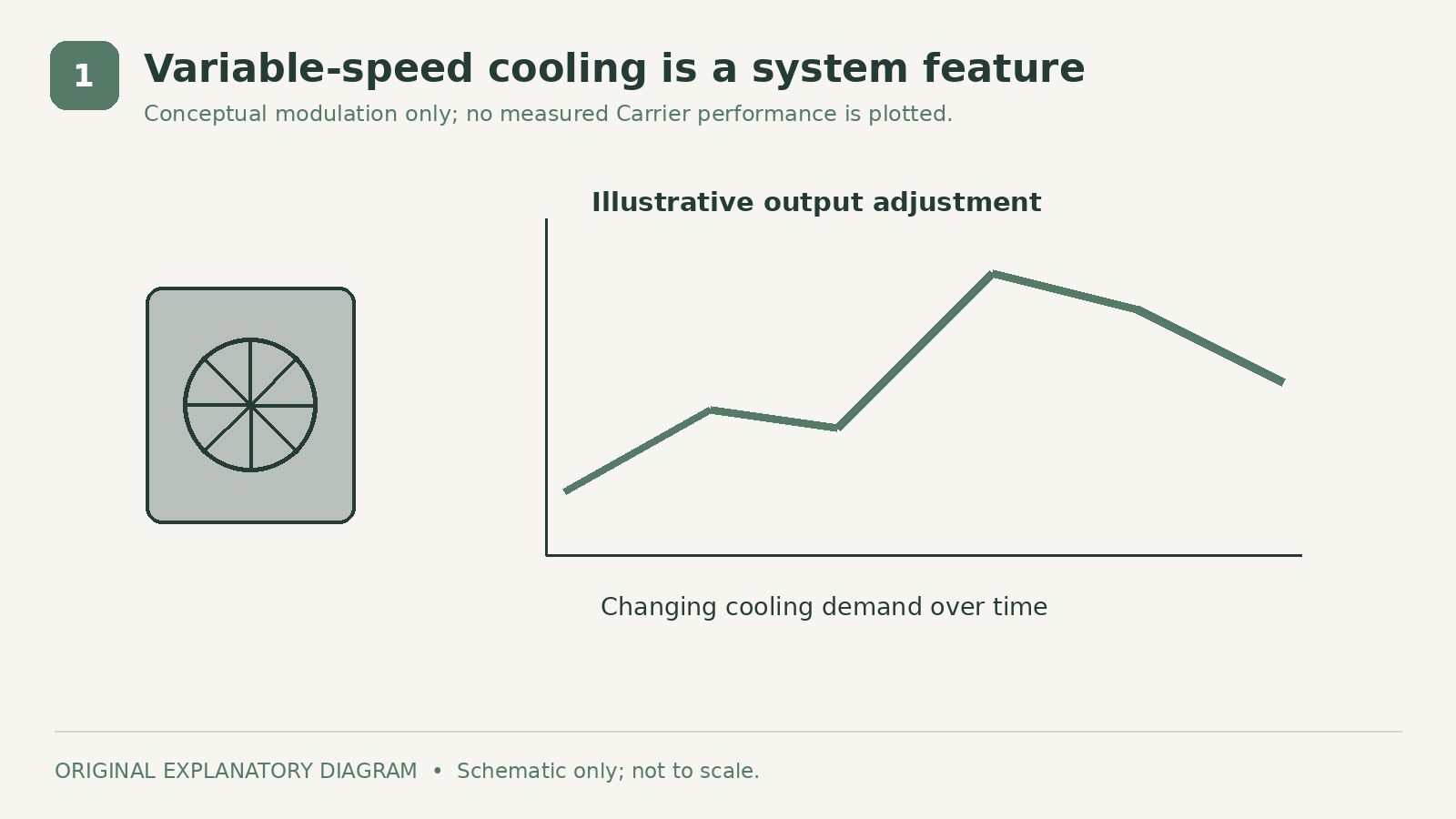
Carrier's Infinity 21, model 26VNA1, is a variable-speed option using R-454B refrigerant. Carrier publishes efficiency ratings up to 21 SEER2 and 12 EER2. Those are manufacturer maximums for qualifying equipment combinations, not a promise for every size or indoor match.
This is a candidate for homeowners considering a premium communicating system and willing to compare its complete installed cost. Ask the dealer to identify the indoor coil, air handler or furnace, controls, and outdoor model on the proposal. An outdoor-unit name alone is incomplete.
The useful buying question is how the proposed match performs at the temperature used to size your home, with the intended airflow and duct conditions. Ask about low-load operation as well as peak capacity. A variable-speed label is a feature to evaluate, not proof that poor ductwork or an oversized selection will become comfortable.
2. Trane 20 TruComfort: another premium comparison
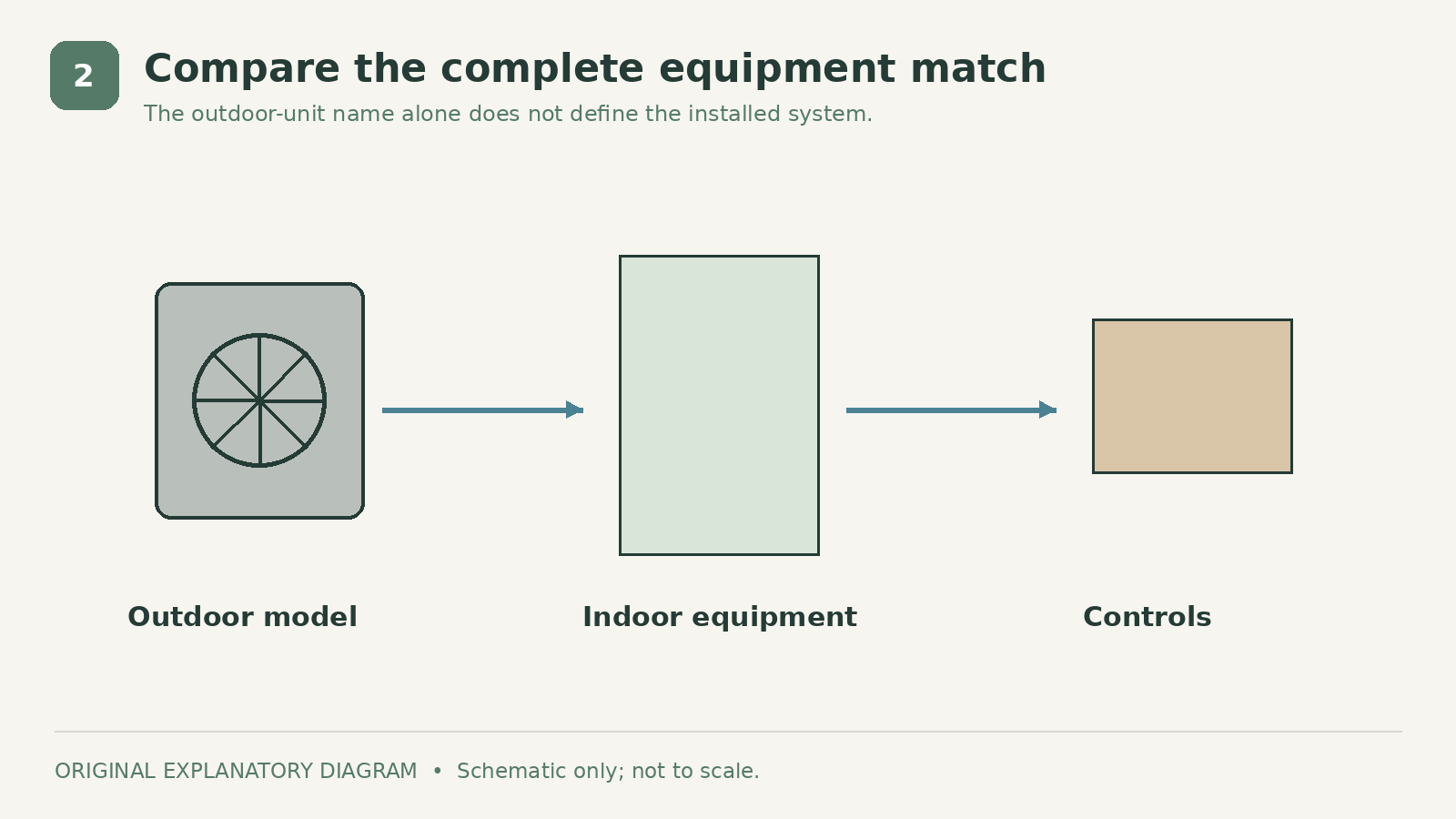
The current Trane 20 TruComfort with WeatherGuard product page lists R-454B models in nominal sizes from 2 to 5 tons. This gives you a real product family to discuss rather than relying on an older model name in a generic ranking.
Treat cabinet features and manufacturer durability language as product descriptions. They do not establish an independently measured service life in your yard. Ask which exact model is offered and whether the installer regularly services that system locally.
Compare access to replacement parts, labor coverage, diagnostic charges, registration requirements, and the response process during summer breakdowns. These practical details can matter as much as a small difference in a headline rating. A premium system is most compelling when the dealer can explain both the equipment selection and the long-term service arrangement in writing.
3. Daikin FIT DC6VS: a compact inverter option
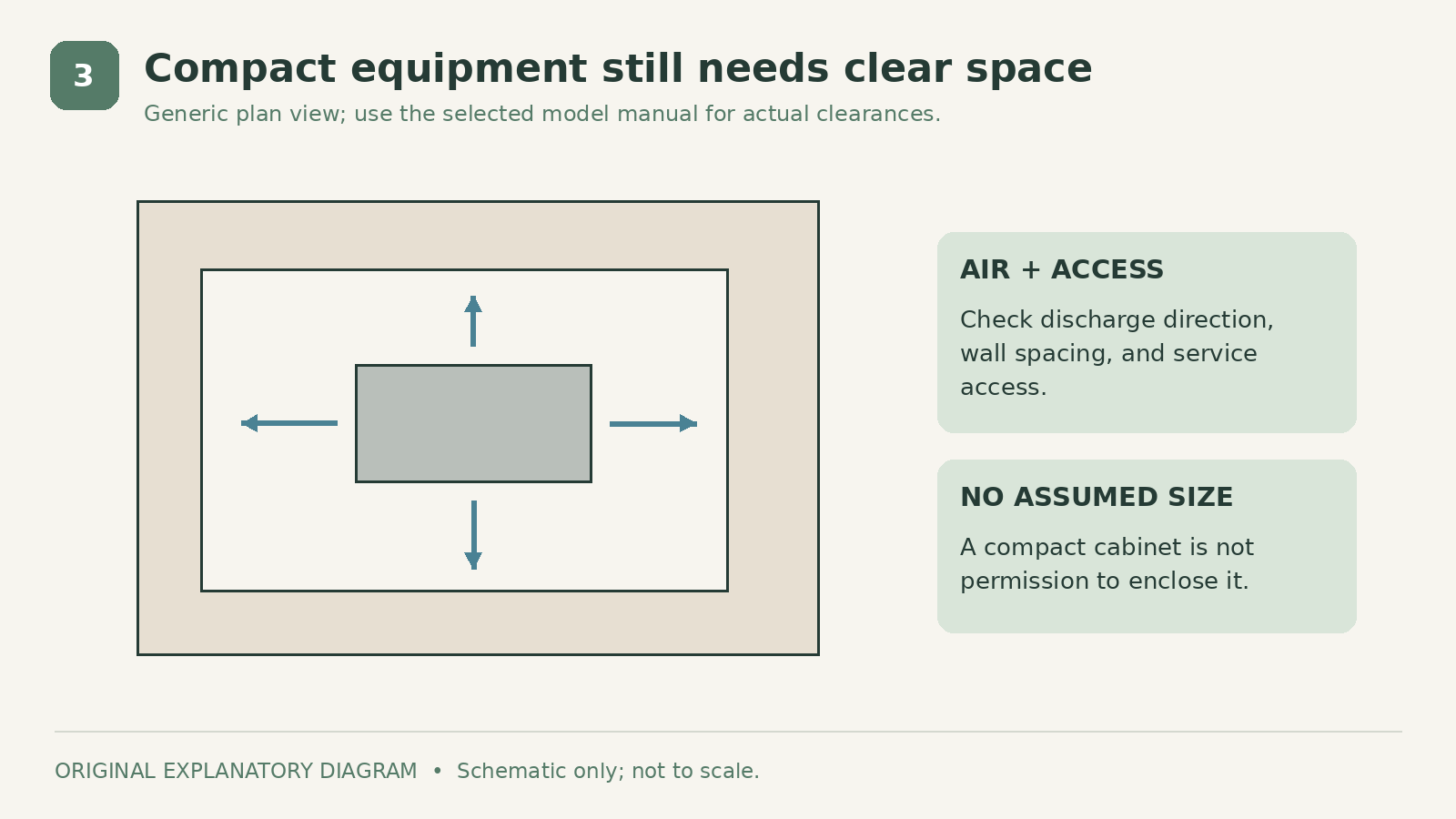
Daikin FIT DC6VS is presented by Daikin as an inverter air conditioner using R-32 refrigerant. Its compact configuration makes it worth discussing where outdoor placement is constrained, subject to the actual model's required clearances.
Compact does not mean that a unit can be boxed in, crowded by plants, or placed wherever an older unit happened to stand. Have the installer show the footprint, service space, discharge arrangement, and access route on the site. Use current installation documents for the selected equipment.
Ask about indoor-system compatibility and required controls before comparing the outdoor-unit price with another proposal. The total project may include additional equipment or electrical work. This shortlist includes Daikin because its configuration presents a different placement option, not because a smaller cabinet proves superior cooling in extreme heat. Request the same high-temperature performance evidence you would request for the other candidates.
4. Verify high-temperature capacity and humidity control
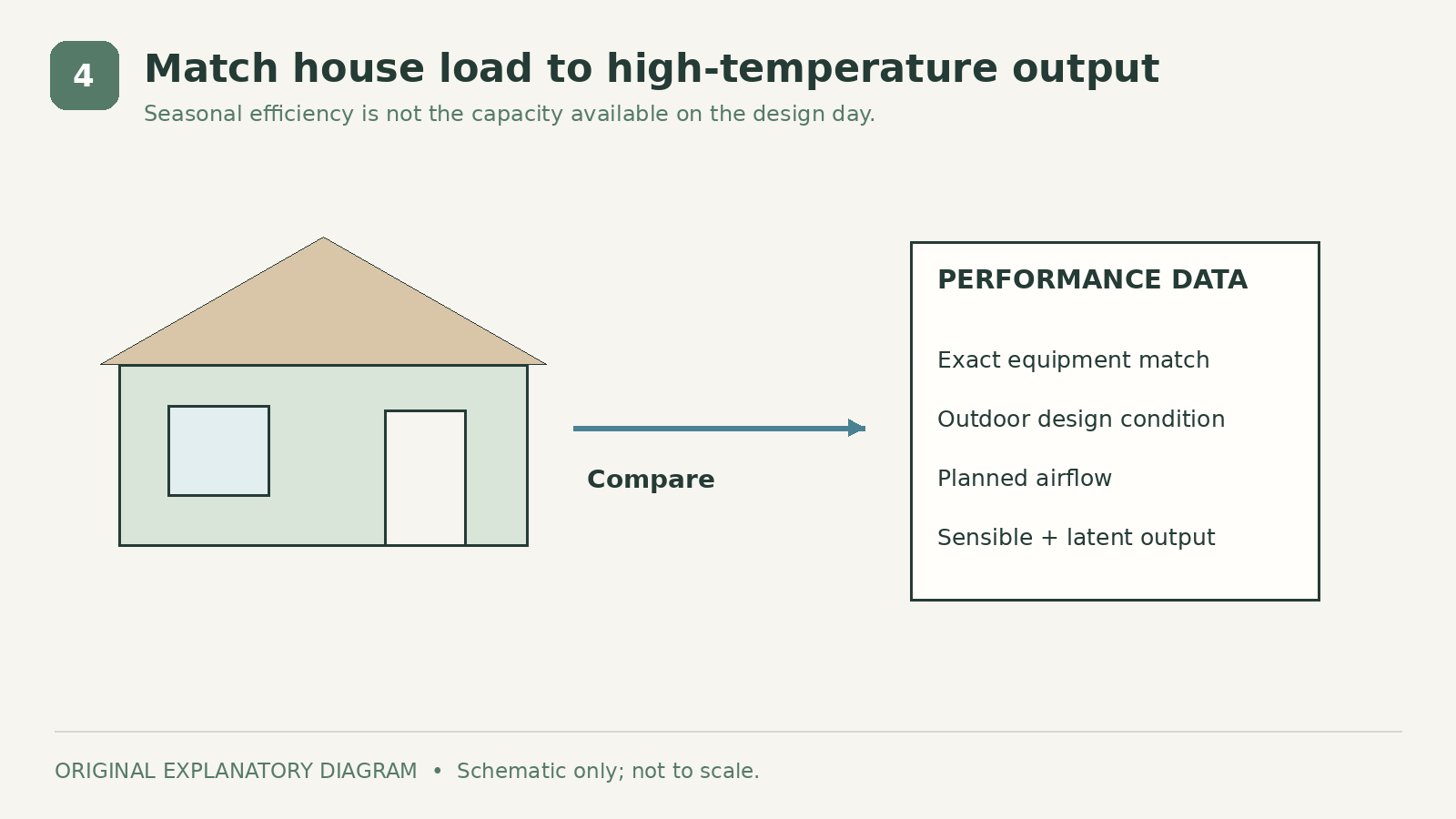
Ask for a documented cooling-load calculation and equipment selection. ENERGY STAR's buying guidance emphasizes proper sizing and installation. The same house-specific discipline matters when comparing central cooling systems: floor area alone is an incomplete sizing method.
Have the contractor explain sensible cooling, which lowers temperature, and latent cooling, which removes moisture. The balance matters in humid locations. Ask what indoor conditions were assumed and how the proposed system handles both peak and milder weather.
SEER2 describes seasonal efficiency under a test procedure. It is not the cooling capacity delivered on your hottest afternoon. Request manufacturer performance data for the complete equipment match at the design temperature, including the planned airflow. If the salesperson only points to the maximum SEER2 number, the peak-performance question remains unanswered. Avoid selecting a larger unit simply because summer feels severe.
5. Compare installation and service support
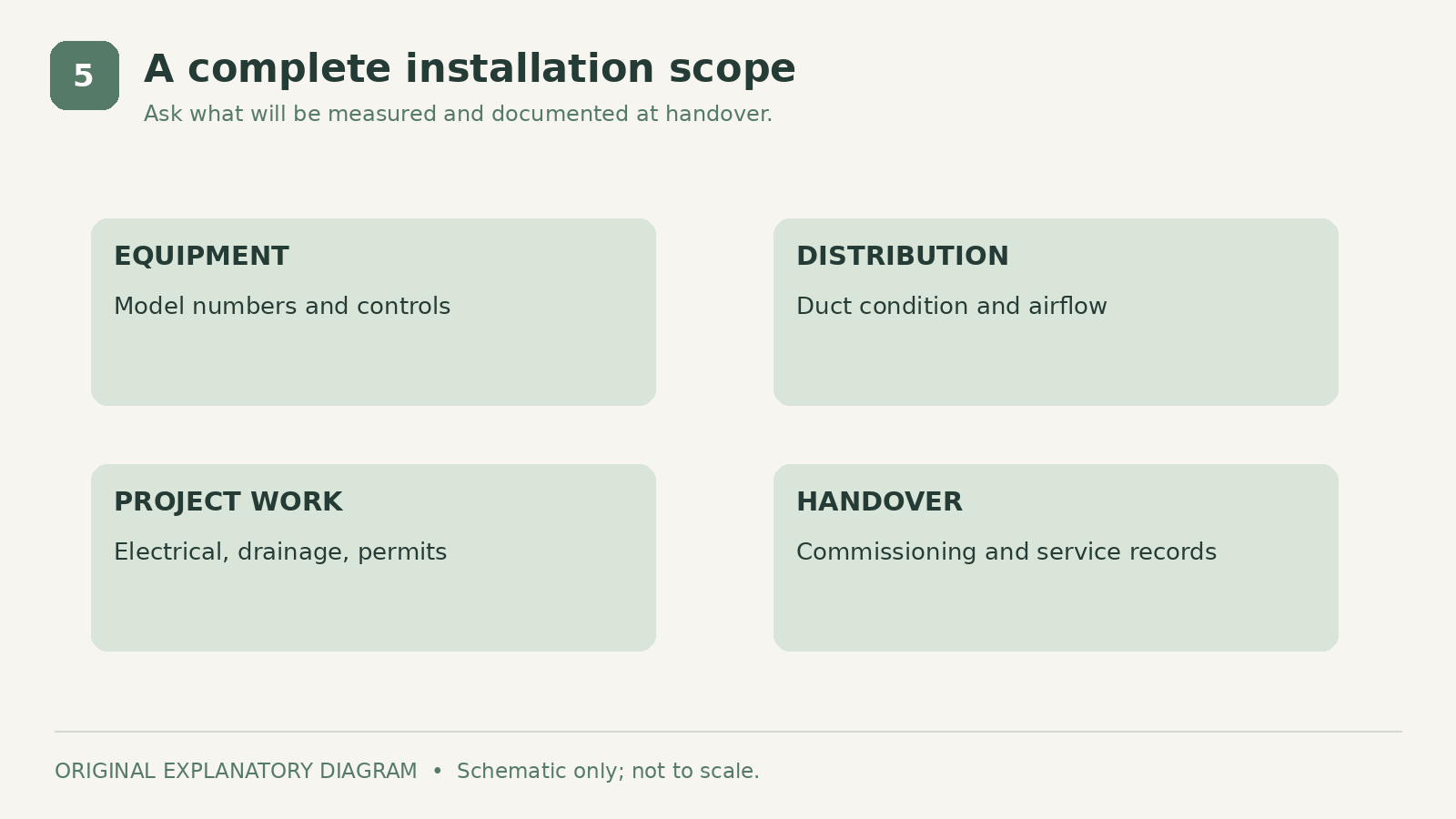
Give each bidder the same house information and request an itemized scope. It should name the equipment match, duct changes, drainage work, controls, electrical scope, permits where required, and commissioning checks. Ask what is reused and what condition the reused components are in.
Installation quality includes verifying airflow and system operation, not merely switching the new equipment on. Ask what measured results you will receive at handover. If the contractor recommends duct modifications, request the reason and the expected effect instead of treating them as an unexplained add-on.
Electrical and refrigerant work belong with appropriately qualified professionals. For the owner, the useful tasks are comparing documents, arranging access, and understanding maintenance requirements. Keep model numbers, warranty records, and the commissioning report together. When two proposals have similar performance, reliable local service and a clearer scope may be better reasons to choose than marketing claims about toughness.
Put these questions on every quote
| Feature | Evidence to request | |
|---|---|---|
| Can it meet the house load? | Load calculation and selected design conditions | |
| What equipment am I buying? | Outdoor, indoor, and control model numbers | |
| How does it perform in high heat? | Matched-system performance data | |
| Will humidity be controlled? | Airflow and latent-performance explanation | |
| What does the installed price include? | Written scope and exclusions | |
| Who handles a breakdown? | Local service and warranty process |
Which candidate should you choose?
Start by obtaining comparable proposals for the systems your strongest local installers support. Carrier and Trane are premium variable-speed candidates; Daikin adds a compact inverter configuration to the comparison. None is automatically the right answer for every Texas house.
If the existing home has hot rooms, short cycling, or high humidity, record those symptoms before the estimate visit. A replacement proposal should explain how they will be addressed. Buying another outdoor unit without investigating those symptoms can leave the original comfort problem unresolved.
Sources
- Carrier: Air Conditioners 26vna1. Checked October 6, 2026
- Trane: Premier 20 Tc Wg. Checked October 6, 2026
- Daikin: Daikin Fit Dc6vs. Checked October 6, 2026
- ENERGY STAR: Air Source Heat Pumps. Checked October 6, 2026
Share this article
Get new guides by email
Practical home articles and free resources. No spam, and you can unsubscribe at any time.
Keep reading
9 Easy DIY Washer and Dryer Decal Makeover Ideas
Explore DIY washer and dryer decal makeover ideas with practical design ideas, planning advice, safe installation notes, and helpful tips for your US home.
November 2026, 10 min read

13 Best Vintage Countertop Toaster Oven Aesthetic Looks
Explore vintage countertop toaster oven aesthetic with practical design ideas, planning advice, safe installation notes, and helpful tips for your US home.
November 2026, 10 min read

10 Clever Ways to Hide Small Kitchen Appliances on the Counter
Explore ways to hide small kitchen appliances on counter with practical design ideas, planning advice, safe installation notes, and helpful tips for your US home.
November 2026, 10 min read