Best Heating Systems for Upstate New York: Comparing Cost and Comfort
Compare five heating approaches for Upstate New York and learn how energy prices, efficiency, existing equipment, and installation scope affect cost.
By Home Crane Editors. . 5 min read.
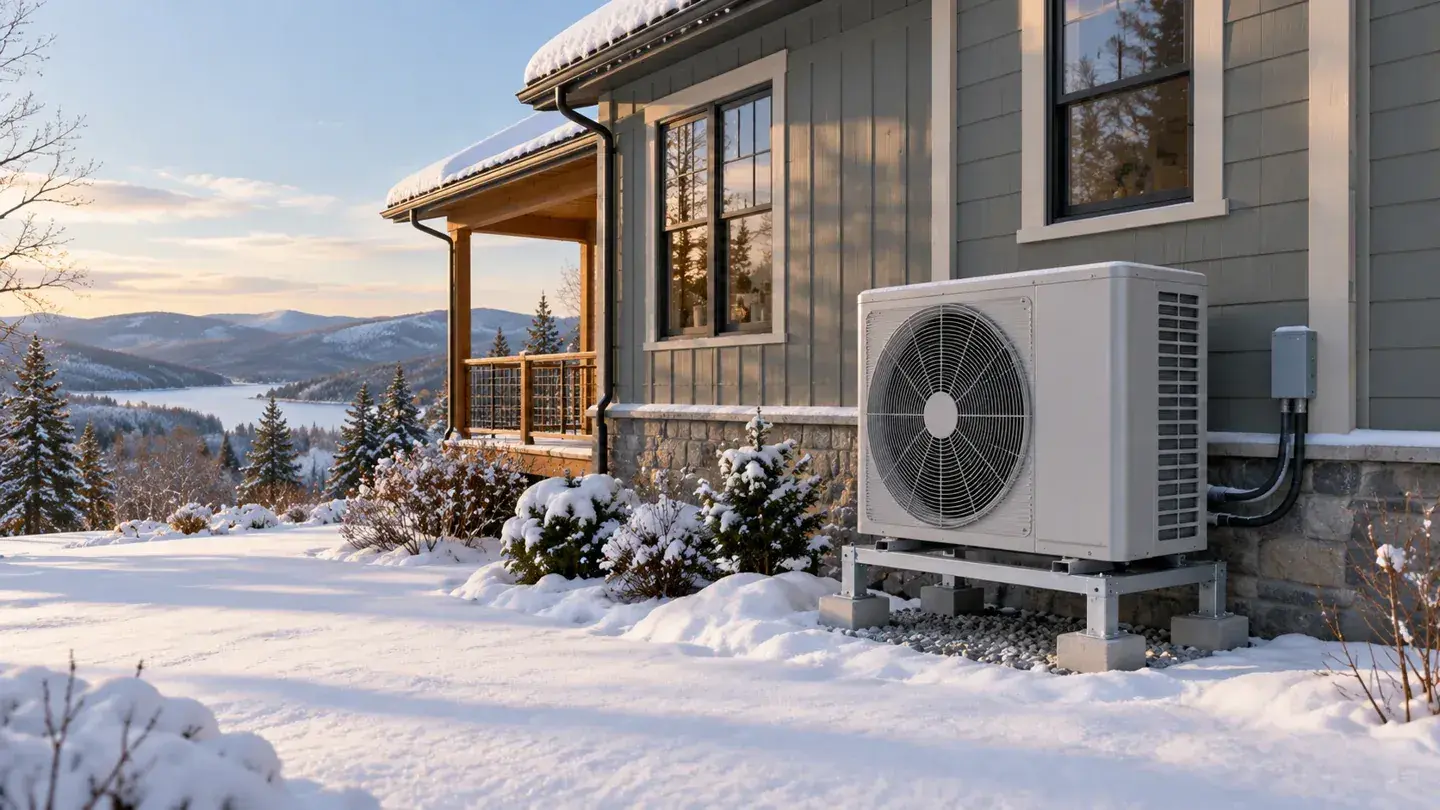
The cheapest heating system for an Upstate New York home depends on what is already installed, local energy prices, the building's heat loss, and how long you expect to use the new equipment. Lowest purchase price and lowest operating cost are different comparisons.
A cold-climate heat pump is worth evaluating when you also need cooling or want to move away from delivered fuel. Retaining an efficient gas system can be financially sensible where the existing equipment and distribution remain useful. Ground-source heat pumps deserve a site-specific comparison, while electric resistance may suit limited-use spaces rather than a whole poorly insulated house.
Use the five options below to frame local quotes. No statewide installation average or universal savings claim can replace a load calculation, the actual utility tariff, and a complete scope. Prices in the worked example are deliberately assumed so you can substitute your own.
1. Cold-climate air-source heat pumps
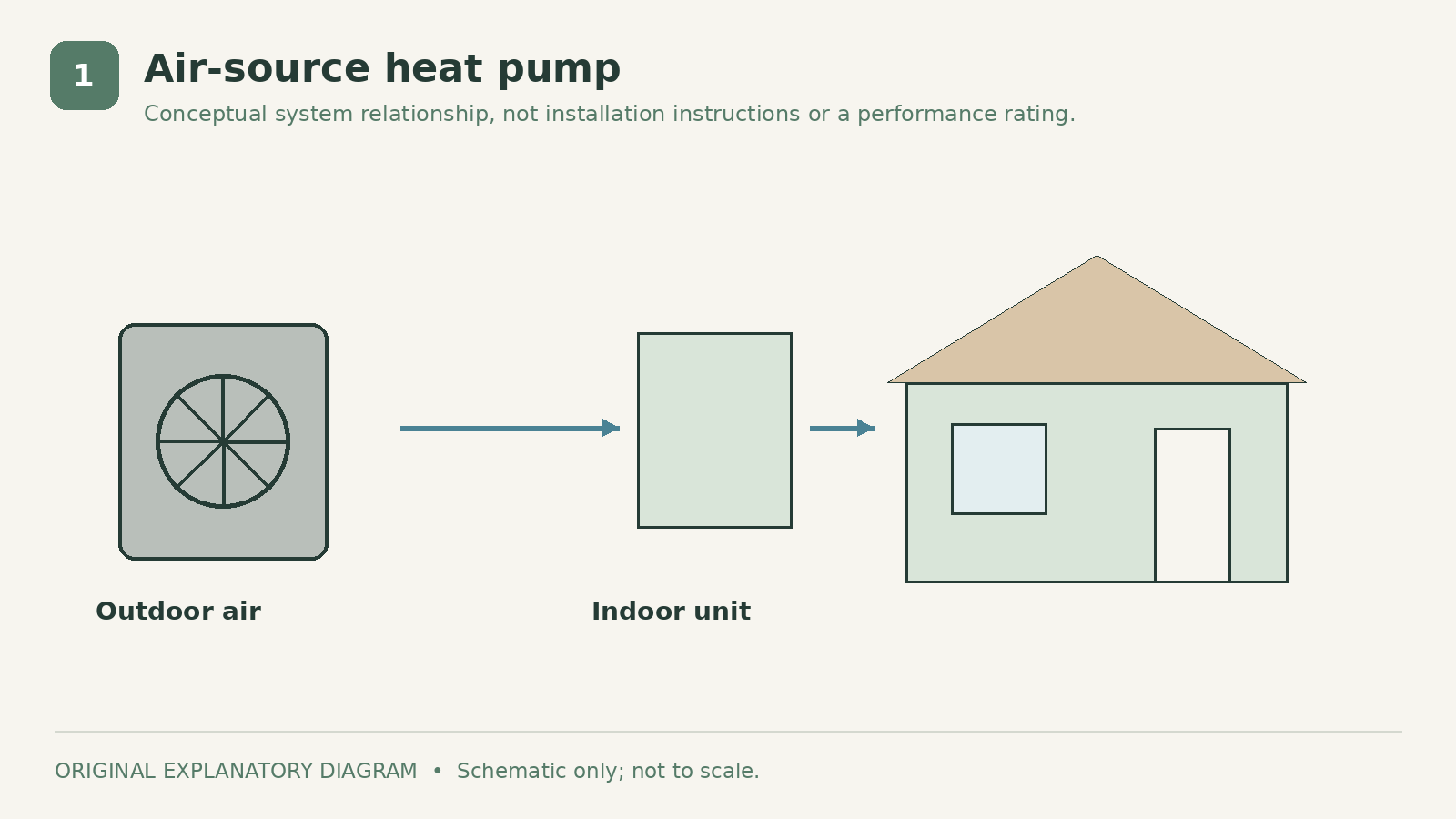
A cold-climate air-source heat pump moves heat rather than producing all of it through electric resistance. It can provide both heating and cooling, using a ducted or suitable ductless arrangement. The best configuration depends on the rooms and existing distribution.
ENERGY STAR's cold-climate criteria include tested low-temperature performance. Certification does not mean that any certified model has enough output for your particular home on its coldest design day. Ask for capacity and efficiency at the proposed design temperature, plus the backup strategy if needed.
Compare the whole installation, including electrical work, indoor units, controls, drainage, and any duct modifications. Request an explanation of how rooms behind closed doors receive heat. A low outdoor-unit price is not a complete whole-house proposal. Also discuss outdoor placement for snow, service access, and the manufacturer's clearance requirements.
2. An efficient gas furnace where gas is available
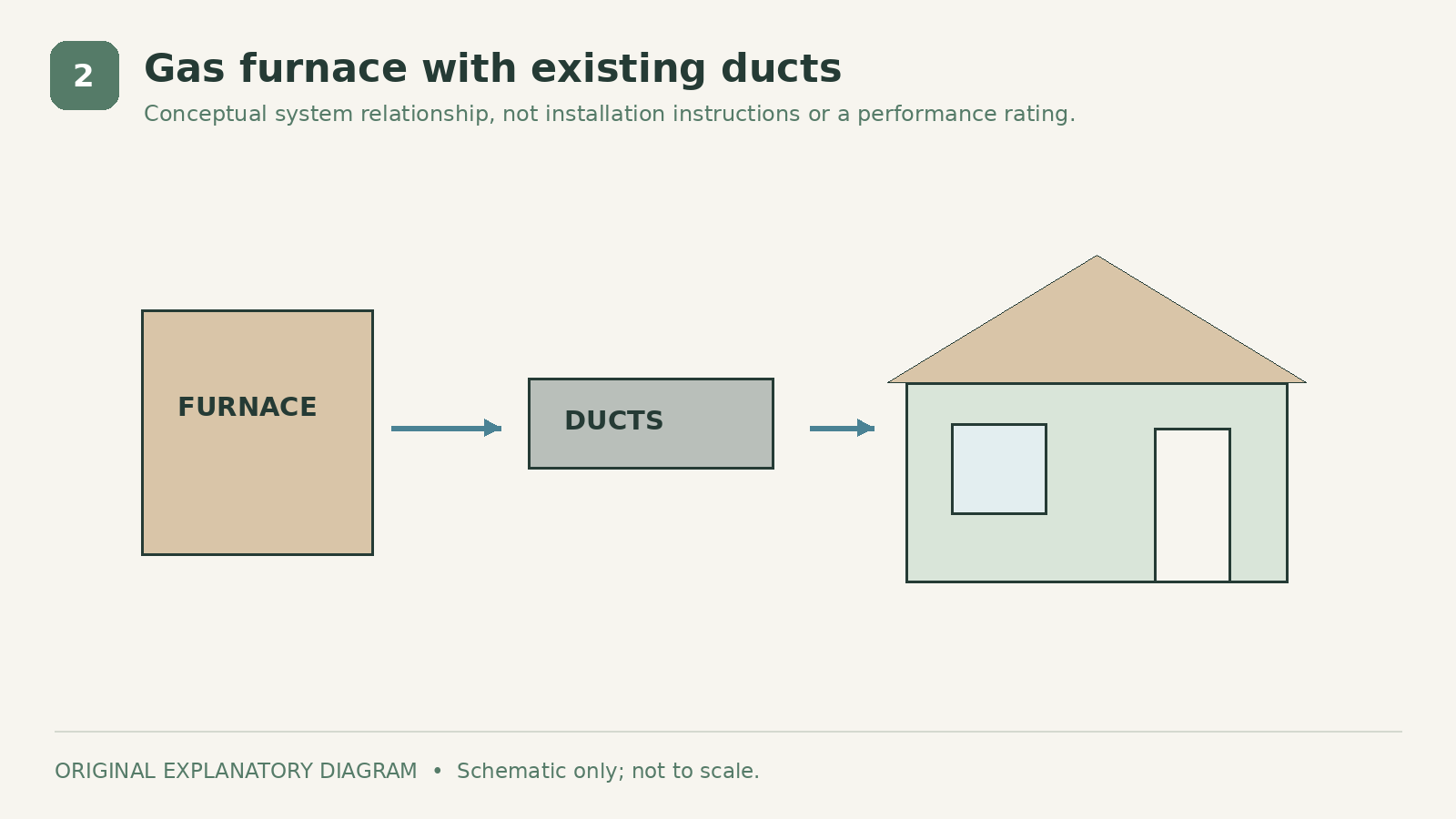
If the home already has natural gas and suitable ducts, a furnace replacement may involve less alteration than a complete change of system. That is a project-specific possibility, not a claim that gas is always the cheapest fuel.
Compare the quoted annual fuel utilization efficiency, or AFUE, alongside the heat output and distribution condition. DOE's furnace purchasing guidance explains AFUE and the importance of correct installation. Its federal purchasing examples are not your household's tariff or a mandate for private homeowners.
Include venting, drainage for applicable equipment, controls, electrical work, and duct repairs in the scope. Gas and combustion work require qualified professionals. If you are also replacing air conditioning, ask whether a properly designed dual-fuel combination is worth comparing. The controls and operating assumptions need to be explicit so the projected savings match how the system will actually run.
3. A boiler that fits an existing hydronic system
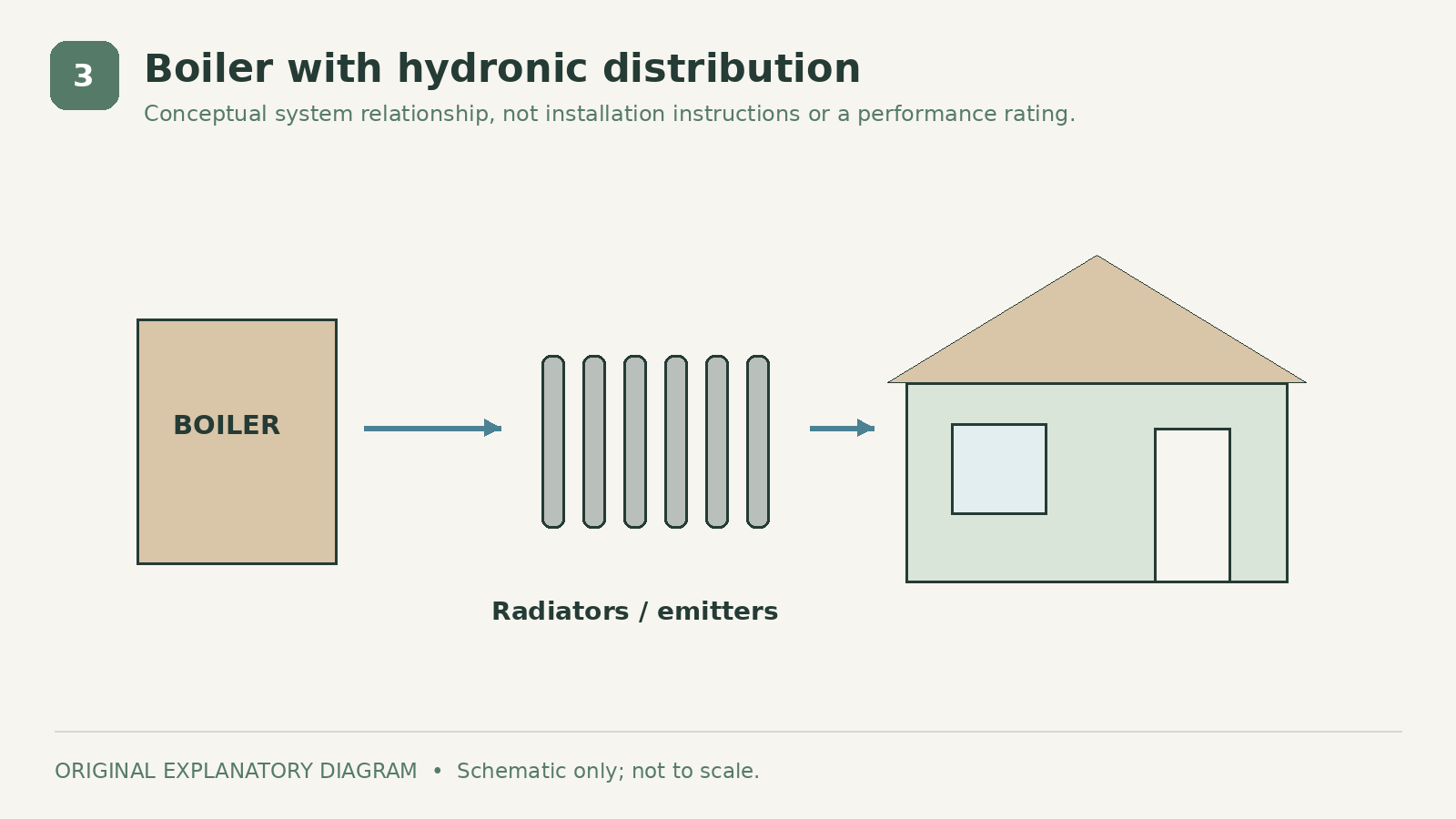
A boiler deserves consideration when the house already has a useful hydronic distribution system. Radiators, piping, zones, and the required water temperatures affect the replacement choice. Keeping those components may avoid a large interior retrofit, but their condition must be assessed.
Ask the contractor to identify the existing system and explain compatibility with the proposed heat source. Hot-water and steam systems are not interchangeable labels. DOE's heating overview distinguishes the heat source, distribution, and controls, a useful way to organize this discussion.
Price repairs to the distribution separately from replacing the boiler itself. An attractive efficiency rating will not cure every comfort problem caused by poor balancing or an unsuitable control arrangement. If changing fuels or technologies, compare the entire conversion cost and expected operation, not just the appliance. Preserve a clear record of what remains and what the installer is responsible for verifying.
4. Ground-source heat pumps for suitable sites
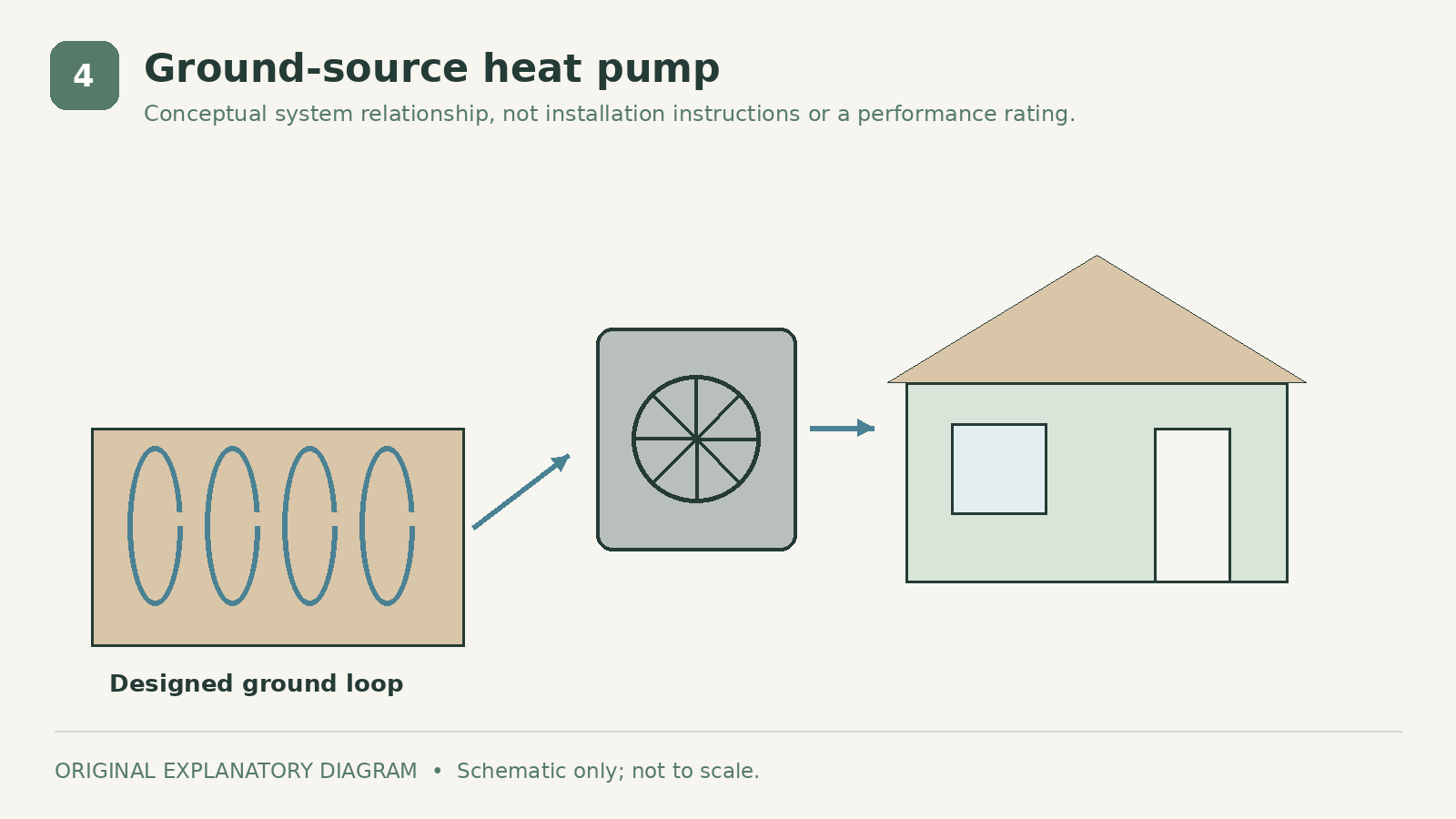
Ground-source heat pumps exchange heat with the ground through a designed loop system. DOE's geothermal overview describes the collector, heat pump, and distribution components. The underground work makes site conditions especially important to the proposal.
Ask whether the estimate includes investigation, drilling or excavation, loop installation, indoor equipment, electrical work, permits where needed, and landscape restoration. Available land alone does not establish that a particular loop arrangement is suitable.
This option is worth comparing when the site and long-term ownership plans support the initial investment. Request realistic energy assumptions and maintenance responsibilities. Do not assume the highest efficiency produces the lowest total cost after installation. If incentives are part of the decision, verify current program terms and eligibility before treating them as a reduction in the price you must fund.
5. Electric resistance for limited-use situations
Electric resistance heating can be straightforward at the point of use, but whole-house operating cost can be substantial. It is most useful to compare for a small, well-insulated, infrequently used space or as part of a designed backup arrangement.
Fixed electric heating still requires appropriate electrical capacity and professional installation where applicable. A portable heater is not a substitute for a safe permanent heating plan. Compare the heating hours and room load rather than assuming a low appliance price means a low seasonal bill.
For equal electricity prices, a heat pump operating above a coefficient of performance of one delivers more heat per purchased kilowatt-hour than resistance heat. The actual advantage changes with temperature, equipment, and operation. Include any resistance backup use in a heat-pump estimate; excluding it can make a seasonal calculation look better than the likely result.
Compare the cost of the same amount of heat
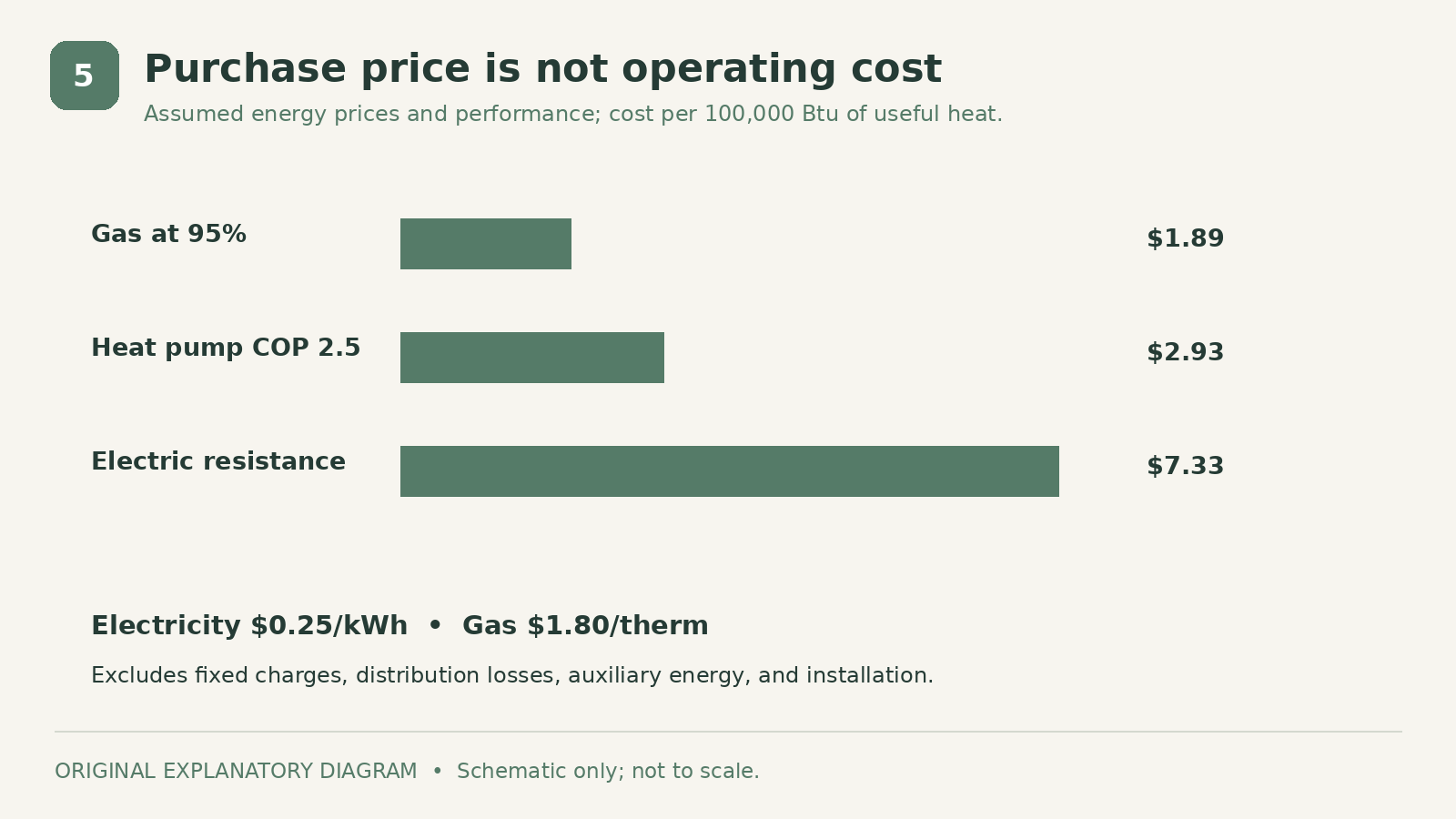
The US Energy Information Administration gives 3,412 Btu per kilowatt-hour and 100,000 Btu per therm. The table uses 100,000 Btu of useful heat as a common comparison unit.
Assume electricity costs $0.25 per kWh, gas costs $1.80 per therm, a heat pump averages COP 2.5, and a gas furnace operates at 95% efficiency. These are illustrative inputs, not current Upstate NY rates or promised seasonal performance.
| Feature | Example calculation | Cost per 100,000 Btu useful heat |
|---|---|---|
| Heat pump at COP 2.5 | 100,000 ÷ 3,412 ÷ 2.5 × $0.25 | $2.93 |
| Gas furnace at 95% | 1 therm ÷ 0.95 × $1.80 | $1.89 |
| Electric resistance | 100,000 ÷ 3,412 × $0.25 | $7.33 |
The comparison excludes distribution losses, auxiliary electricity, maintenance, installation, and fixed utility charges. Use variable supply and delivery charges consistently. Under these assumptions, the heat pump reaches gas's fuel cost at roughly COP 3.87; different prices change that threshold.
Decide with two budgets
Request one complete installation budget and one annual operating estimate based on the same house load. Include cooling, backup heat, retained utility charges, and maintenance where relevant. Ask for the assumptions in writing.
Improving a drafty building can change the required equipment size, so coordinate any envelope work with the heating design. Choose the system that fits the house and your full budget, rather than treating the cheapest box or the highest published efficiency as the entire answer.
Sources
- ENERGY STAR: Key Product Criteria. Checked October 6, 2026
- US Department of Energy: Purchasing Energy Efficient Residential Furnaces. Checked October 6, 2026
- US Department of Energy: F6 Homeheating. Checked October 6, 2026
- US Department of Energy: Geothermal Heat Pumps. Checked October 6, 2026
- US Energy Information Administration: Units and Calculators Index. Checked October 6, 2026
Share this article
Get new guides by email
Practical home articles and free resources. No spam, and you can unsubscribe at any time.
Keep reading

The Best Energy-Efficient Windows for High-Altitude Colorado
Compare energy-efficient windows for high-altitude Colorado by elevation compatibility, whole-window ratings, solar gain, and installation quality.
October 2026, 4 min read

The Best Energy-Efficient Windows for Minnesota Winters
Choose energy-efficient windows for Minnesota winters using whole-window ratings, glazing, frame and installation comparisons, and practical bid checks.
October 2026, 4 min read
Best Attic Insulation for Michigan Winters: Choosing the Right System
Compare Michigan attic insulation options, including air sealing, cellulose, fiberglass, batts, and designed foam assemblies, with five explanatory diagrams.
October 2026, 5 min read