Boho Small Patio Decorating Ideas for a Cozy Balcony
Explore boho small patio decorating ideas for a cozy balcony, including woven seating, outdoor rugs, plants, privacy, lighting, and renter-friendly layouts.
By Home Crane Editors. . 23 min read.
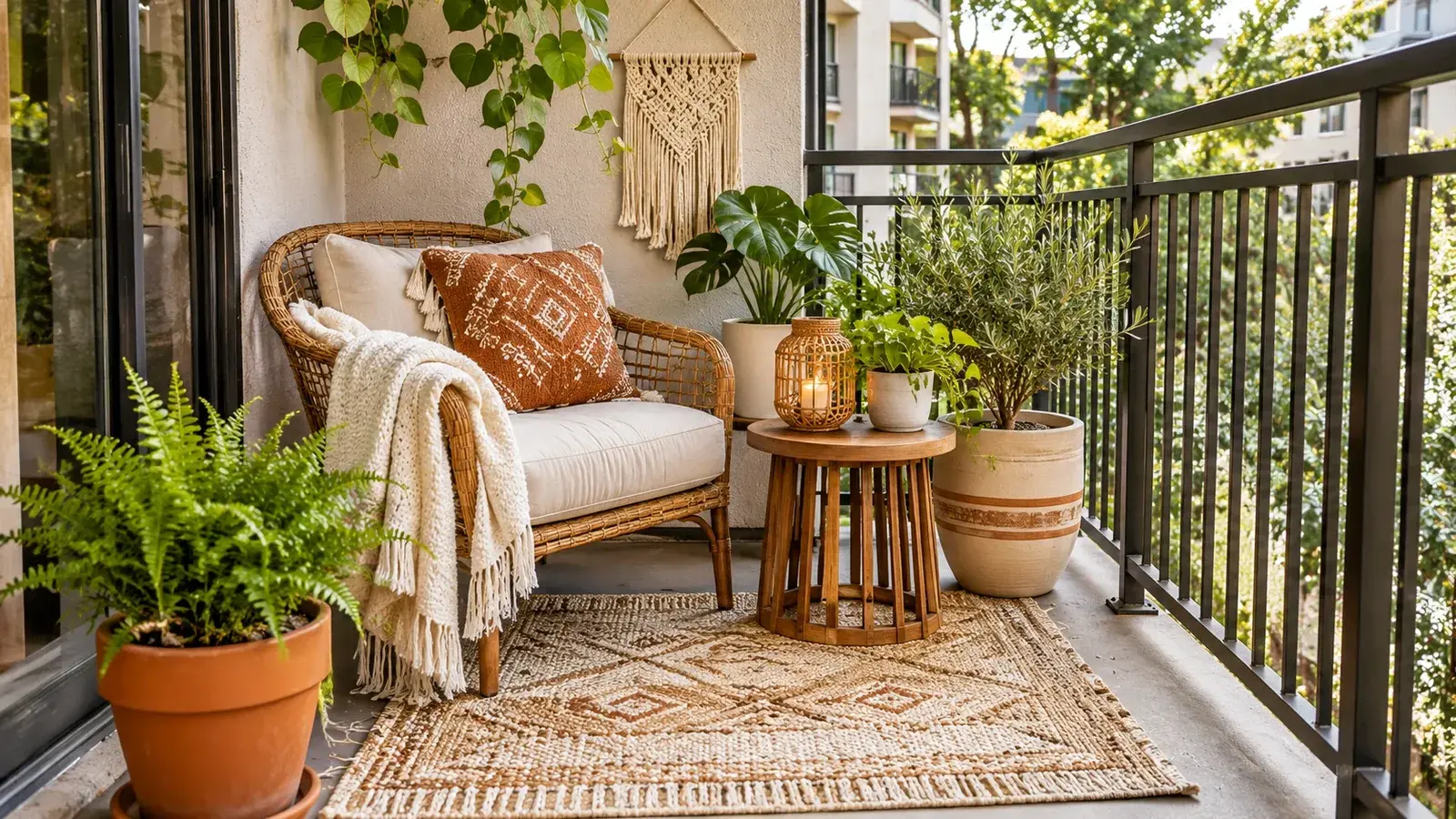
A small patio or apartment balcony can feel like a private outdoor room, even when there is only enough space for two chairs and a few plants. The boho look is especially suited to compact outdoor spaces because it relies on layered texture, natural materials, relaxed seating, greenery, and personal details rather than matching furniture sets. The trick is to make those layers feel intentional. A crowded balcony is not automatically cozy, and a beautiful arrangement is not useful if the door cannot open fully or the only clear walking route is blocked.
This guide shares practical boho small patio decorating ideas for balconies, apartment terraces, and compact ground-level patios. It explains how to plan the footprint, choose a simple color palette, layer rugs and cushions, arrange small furniture, add plants, create privacy, and use lighting. It also covers rental-friendly choices and important differences between decorating a ground-level patio and an elevated balcony.
Start With the Shape and Everyday Use of the Space
Before buying a rug, chair, or planter, measure the balcony or patio. Record the usable width and length, the position of the door, the direction the door swings, the railing, wall outlets, drain openings, and any fixed equipment. A balcony may look rectangular but lose usable floor area around a door track, a downspout, or an air-conditioning unit. On a small patio, garden beds, steps, and the route from the house may create similar constraints.
Decide what you want to do outside most often. A coffee spot needs a small table and one or two seats. A reading nook needs comfortable back support, a place for a book, shade at the right time of day, and lighting for early evenings. A plant-focused balcony needs a safe arrangement of containers and enough room to reach them for watering. Trying to fit dining, lounging, gardening, storage, and exercise into one narrow footprint usually makes each activity less comfortable.
Sketch the floor plan on paper or use masking tape indoors to mark the dimensions of the furniture you are considering. Leave a clear route between the door and the open side of the space. Do not block building exits, required access routes, drains, vents, or safety equipment. Measure the folded dimensions of any folding furniture too. A chair that folds but has nowhere to be stored is not really a space-saving solution.
For a very narrow balcony, arrange the main furniture along one long wall or at the far end. Keep the center line open. For a small square patio, place a compact round table or a low seating group in the middle and use the perimeter for plants. For a shallow balcony, a slim bench against the wall may be more practical than two separate chairs that need room to pull out.
Choose a Boho Color Palette Before You Layer Accessories
A small space benefits from a limited color story. Start with two or three foundation colors, then add one or two stronger accents. Warm white, oatmeal, sand, natural wood, and woven tan create a calm base. Terracotta, rust, muted olive, dusty rose, indigo, or a small amount of black can provide contrast. You do not need every color at once. Repeating a shade in two or three places makes the arrangement look deliberate.
A useful starting formula is about 60 percent quiet background tones, 30 percent natural material colors, and 10 percent accent color. This is a design guide, not a rule. For example, a cream outdoor rug and pale cushion covers could form the background, a rattan chair and wood side table could supply the natural texture, and two rust-colored pillows could provide the accent. A few green leaves will add another color naturally.
If the balcony already has a strong floor or railing color, treat it as part of the palette. You may not need to cover it. On a rental balcony, a simple arrangement that works with the existing concrete, tile, or painted metal is often easier and less expensive than trying to disguise every surface. Keep large surfaces visually quiet and reserve bold patterns for smaller, replaceable pieces.
10 Boho Small Patio Decorating Ideas for a Balcony
1. Create One Comfortable Woven Seating Corner
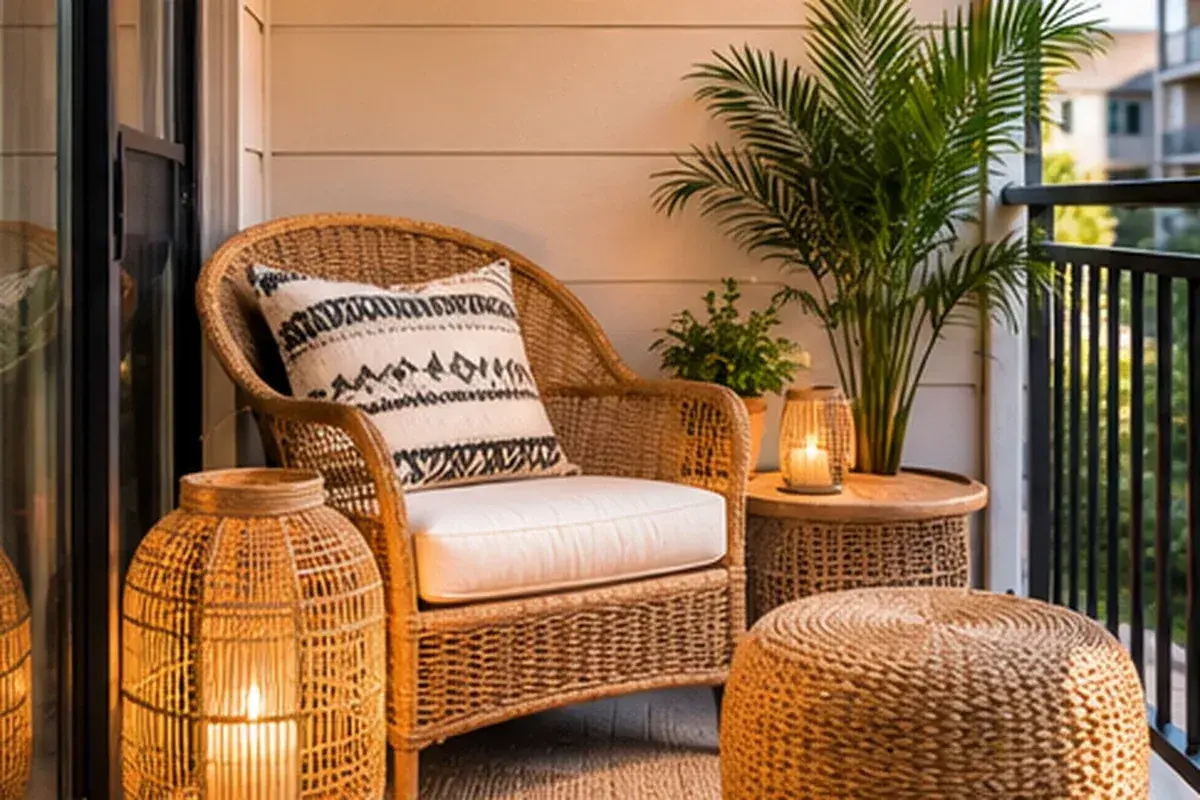
A single well-planned seating corner can make a tiny balcony feel like a destination. Consider a compact woven lounge chair, a small acacia or powder-coated side chair, or a narrow outdoor bench with a cushion. Choose furniture with a footprint that matches the measured space. A deep lounge chair can be comfortable, but it may consume most of a narrow balcony. A chair with a more upright back can be easier to use for morning coffee or reading.
Wicker and rattan-style furniture add the texture often associated with boho design. For an exposed balcony, look for outdoor-rated synthetic wicker or another material specified for exterior use. Natural rattan and untreated wood generally need more protection from rain and strong sun. Review the maker's care instructions rather than assuming that a woven appearance means a product can stay outdoors year-round.
Use one seat as the focal point, not a collection of oversized chairs. Add a supportive cushion in a neutral cover and one accent pillow with a restrained pattern. If the seat is close to the railing, make sure it cannot be used as a step to climb over or lean across the guard. Keep it stable and positioned away from any opening or access point that could create a fall hazard.
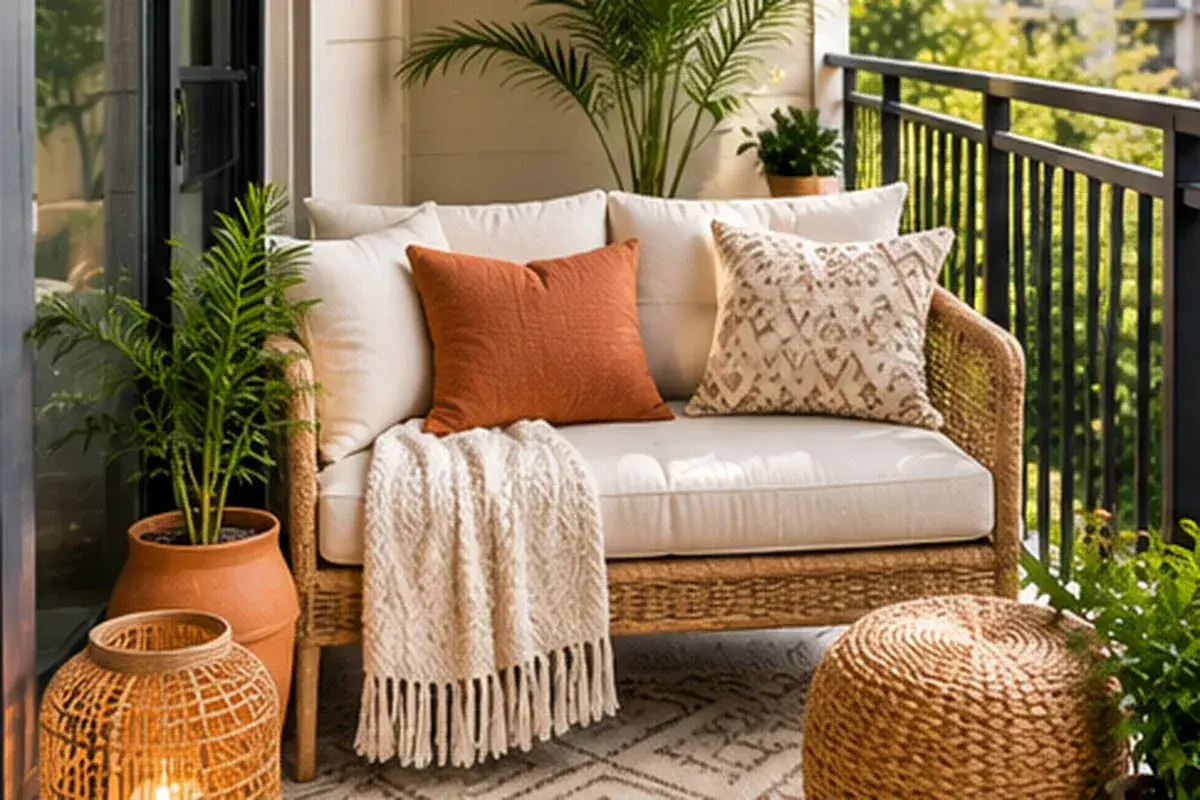
2. Use an Outdoor Rug to Define the Area
An outdoor rug can make concrete or tile feel more like an outdoor room. Choose a flat, low-pile design that is easy to lift and clean. A subtle diamond, stripe, or faded geometric pattern fits a boho scheme without overwhelming a small floor. Natural-looking colors such as sand, cream, charcoal, and muted rust are easier to coordinate than a rug with many competing colors.
Measure the space before ordering. The rug should define the seating zone without covering drainage points, creating a curled edge, or catching the door. In a tight layout, a runner may work better than a large rectangular rug. If furniture has legs, check that the rug does not become a trip hazard when chairs move. Lowe's recommends choosing an outdoor rug according to sun exposure, traffic, and likely spills, and notes that polypropylene, polyester, and natural fibers behave differently in exterior conditions [1].
For uncovered or rain-exposed areas, compare outdoor-rated synthetic options and confirm the care label. Polypropylene is commonly selected for moisture and stain resistance, while polyester is often chosen for color retention. Jute and sisal add attractive natural texture, but they are better suited to sheltered locations that do not stay wet. No rug should be treated as maintenance-free. Lift it after rain, remove trapped debris, and let both the rug and floor dry fully before putting it back.
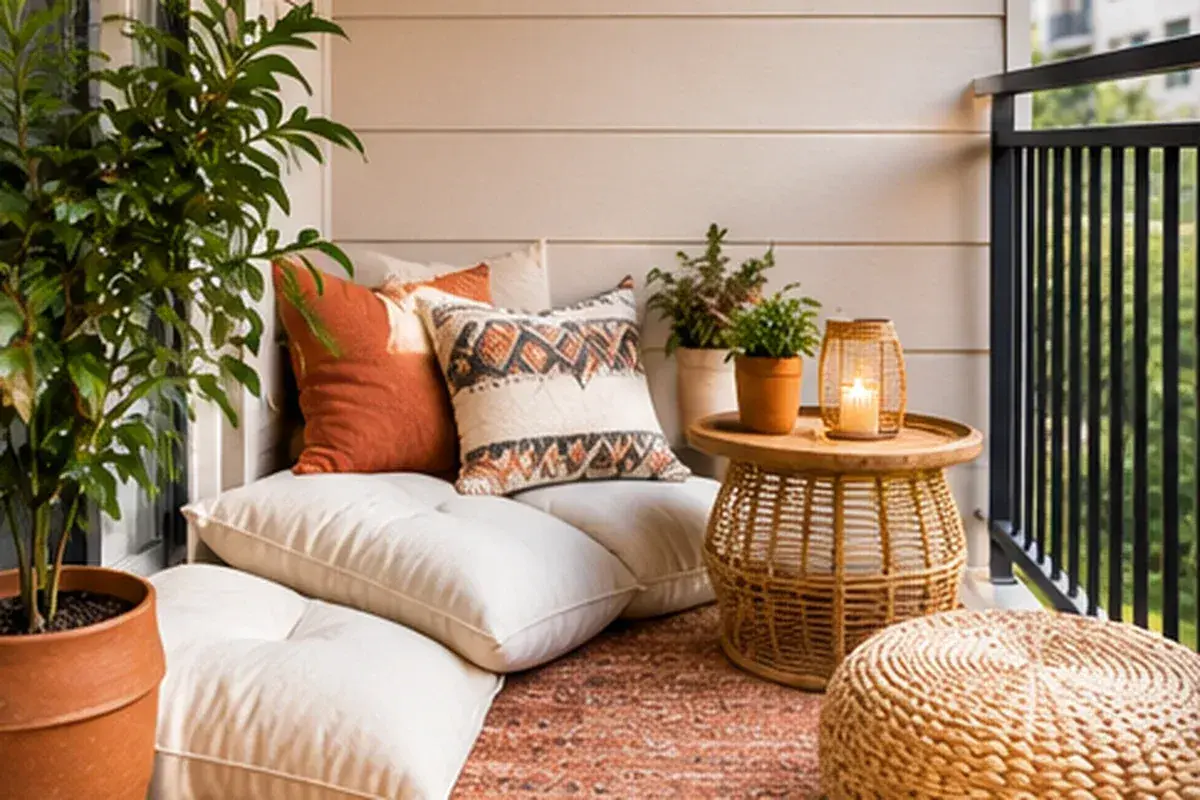
3. Add a Small Table That Earns Its Space
A small table is useful for a cup, a book, a plant, or a lantern. Choose a round bistro table, a folding wall-side table approved for the setting, or a compact stool that can double as a side table. Rounded corners can make movement easier in tight spaces. Check the table's dimensions when chairs are pulled out, not only when everything is pushed against the wall.
A nesting pair can be flexible, but do not buy extra surfaces simply because they stack. One table that is the right height and stable on the floor is usually more useful than several tiny accent pieces. If you prefer a low boho arrangement, a small outdoor pouf can offer a relaxed look, but confirm that its fabric and filling are appropriate for the weather and store it indoors when rain is expected.
A folding bistro set is useful when the space has to serve more than one purpose. It can open for breakfast and fold away when you want floor space. Before purchasing, check the folded depth and where it will be stored. Make sure folding joints lock as designed and that the table does not wobble on an uneven floor.
4. Bring in Greenery With a Planned Container Group
Plants make a balcony feel softer and more connected to the outdoors. A small group of containers can add height, color, and texture, but do not line the entire railing with pots. Start with one medium floor planter, one smaller pot, and perhaps a compact shelf or plant stand that sits securely on the floor. Grouping a few plants often looks calmer than scattering many small pots around the walking path.
Choose plants for the actual light conditions. A balcony facing south or west may receive strong afternoon sun, while a north-facing or shaded balcony may suit plants that tolerate lower light. Wind exposure, reflected heat from walls, and the amount of time you can water also matter. Ask a local garden center or cooperative extension office for plant suggestions suited to your region and exposure. Avoid buying a plant only because it looks attractive in a photograph.
Containers need drainage. Illinois Extension explains that drainage holes allow excess water to escape and help keep roots from sitting in stagnant water [2]. Put a saucer or suitable catchment system under a pot only where it will not hold the roots in standing water, stain the balcony, or cause water to drip onto a neighbor. Check building rules about drainage and do not allow irrigation water to run across the balcony edge.
Wind is an important consideration on elevated balconies. Illinois Extension notes that container shape and stability affect whether a pot can tip in wind, and advises extra caution with tall plants and exposed balconies [3]. Use stable, low-profile containers, keep top-heavy arrangements modest, and do not place pots where they could fall or be blown from the balcony. Do not hang planters from railings unless the building rules and the railing system specifically allow the product and its installation.
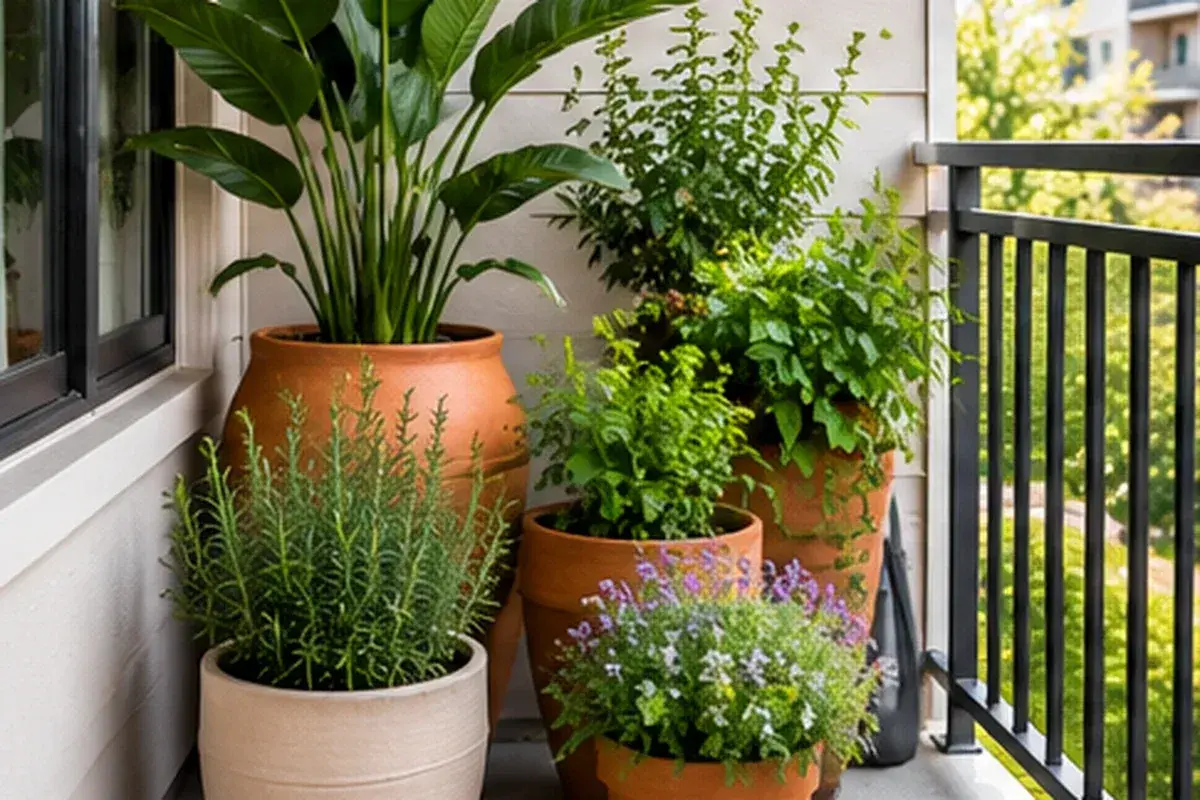
5. Make Use of Vertical Space Without Overloading the Railing
Vertical greenery is appealing when floor space is limited. A narrow freestanding plant ladder or shelf can hold several small pots while keeping the floor less crowded. Choose a unit with a broad stable base, set it on a level surface, and secure it only in a way permitted by the property owner and building requirements. Keep the heaviest pots on the lowest shelf. Avoid tall, top-heavy displays in windy locations.
A vertical arrangement can also be created with a tall floor plant and a smaller plant on a low stand. This gives you varied heights without drilling into the wall or attaching anything to a guardrail. For renters, freestanding pieces are often easier to remove when moving out. They can also be repositioned as the sun changes through the seasons.
Do not use a shelf or screen to block required access, hide building equipment, or interfere with the railing. Avoid placing objects where they could fall onto people below. If a building allows railing planters, use only the approved attachment style, follow the manufacturer's installation directions, and keep the planter secure. Never assume that a decorative hook is a safe structural attachment.
6. Add Privacy With a Light, Removable Screen
A little privacy can make a balcony more comfortable, especially when neighboring windows look directly toward the seating area. Depending on the building rules, options may include a freestanding slatted screen, a movable outdoor screen, a lightweight fabric panel on a permitted support, or a tall plant placed safely on the floor. Keep the screen low enough and positioned so it does not obstruct the required guardrail or create a wind-catching sail.
A narrow slatted screen can introduce warm wood texture and provide a backdrop for a plant. It should have a stable base and be appropriate for outdoor use. Do not drill into the exterior wall, railing, or façade without written permission and an approved installation method. On a windy upper floor, a large fabric panel may catch the wind and place force on its fasteners or support. A smaller movable screen that can be brought indoors during storms is often a more cautious choice.
You can create a feeling of separation without installing a screen at all. Place the main chair at an angle, add one tall plant in a stable pot, and use a small side table to define the seating zone. This preserves the open feel of the balcony while making the corner feel more private.
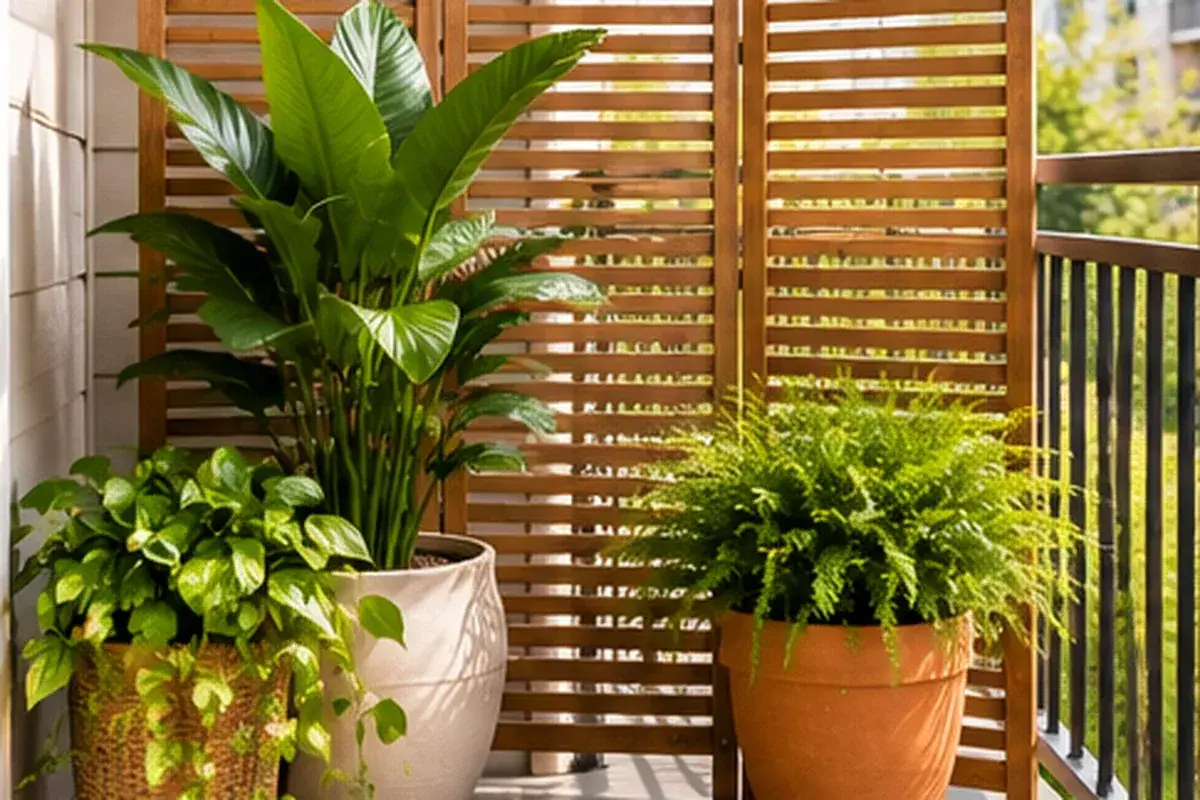
7. Layer Cushions and Textiles in Small, Repeatable Patterns
Textiles give a boho space its relaxed character. Combine a plain base cushion with one patterned pillow and one textured throw rather than mixing many unrelated prints. Try a small stripe with a simple geometric weave, or pair a faded kilim-inspired pattern with a solid rust or olive cushion. Repeat one color from the rug so that the pieces look connected.
For exposed balconies, use cushion covers described by the manufacturer as suitable for outdoor use. Water-resistant does not necessarily mean waterproof, and UV-resistant does not mean color can never fade. Store cushions indoors during heavy rain, long periods of humidity, or when the balcony will not be used. If storage is limited, a lidded weather-resistant deck box may help, provided the box is permitted, stable, and does not block the route or access to drains.
Avoid piling cushions on chairs that are already narrow. A thick cushion can reduce the useful seat depth or make a lightweight chair less stable. Tie or secure cushions as the manufacturer recommends, but do not attach loose accessories to the railing. The aim is comfort, not a collection of objects that blow away in the first strong breeze.
8. Use Warm Lighting for Evening Atmosphere
Soft lighting can make a small patio feel welcoming after sunset. Consider battery-powered lanterns, rechargeable portable lamps, or outdoor-rated string lights when allowed by the property rules. Warm-white light usually works well with cream textiles, timber, rattan, and terracotta. One small lamp near the seating area may be enough. Several light sources can make the balcony feel layered, but too many can create visual clutter.
Check the product's outdoor rating and follow its installation instructions. Do not run indoor-only electrical products outside, overload outlets, or leave damaged cords in service. Do not drill or attach string lights to exterior surfaces or railings without permission. Where a building has rules about decorative lighting, follow them. Battery or solar options can reduce the need for extension cords, but they still need secure placement so they cannot fall or become a trip hazard.
Open flames are not a default balcony decorating solution. Building policies, fire codes, and nearby combustible materials may prohibit candles, tabletop fire features, or other flame products. A flameless LED candle can create a similar glow without an exposed flame. Keep any lantern away from loose fabric and never leave an electrical light or battery-powered device in service if its housing or battery is damaged.
9. Choose One Practical Storage Piece
Storage helps keep the balcony from becoming a dumping ground for watering cans, cushions, small tools, and plant supplies. A slim storage bench can provide seating and a place to put away accessories, while a weather-resistant box can keep textiles protected. On a narrow balcony, a box that doubles as a side table may be more useful than a separate cabinet and table.
Measure the storage piece with its lid open. It should not hit the door, block a drain, or make the walkway too narrow. Use it for lightweight items rather than heavy bags of potting soil or stacks of stone. On an elevated balcony, weight matters. Do not add heavy storage or dense filled containers without checking the building's rules and any relevant load restrictions.
Keep the everyday objects that you use most often easy to reach. Store seasonal décor and spare cushions inside the apartment if a storage box would take over the floor. A neat balcony is not achieved by hiding everything in an oversized cabinet. It is achieved by owning fewer items and giving each one a place.
10. Personalize the Space With a Few Handmade-Looking Details
A boho balcony should feel personal, but small spaces need editing. Select a few items with natural texture: a woven tray, a ceramic pot, a small outdoor-safe wall-free sculpture, or a patterned cushion. A handmade look can come from irregular shapes, visible fibers, and earthy finishes. You do not need a large number of souvenirs or decorative signs to create character.
If you use mirrors or glass décor, place them where they are stable and cannot be blown or knocked over. Avoid glass objects on narrow ledges or railing tops. A lightweight tray can gather a few small pieces on the table, making it easier to move them when the surface is needed for coffee or dinner. Use outdoor-appropriate materials and bring fragile pieces indoors when severe weather is expected.
The most effective finishing touch is often a repeated detail. A terracotta pot that echoes a rust pillow, a woven lantern that repeats the chair texture, or a small black table that matches the railing can make the arrangement feel intentional. Choose one or two of these relationships and let the rest of the space remain quiet.
Three Layouts for Different Small Balcony Sizes
Narrow Balcony: Keep the Center Open
For a long, narrow balcony, put a compact bench or one chair at the far end or along the longer wall. Use a runner-style outdoor rug if it does not interfere with the door or drainage. Put a small side table beside the seat and one or two containers near the wall. Keep the central route clear from the doorway to the outer end. Avoid placing a chair directly in front of a door that opens outward.
Small Square Balcony: Make One Conversation Corner
On a square balcony, a pair of compact chairs can sit at an angle around a small round table. A small rug can define the seating zone. Place one larger plant in a stable container in a corner, then add one smaller pot on a low stand. If the chairs need to move to let someone pass, test the layout before buying them. Furniture that fits only when nobody is sitting down is not a good fit.
Tiny Balcony: One Seat, One Table, One Plant Group
For a very small footprint, choose one comfortable chair, a folding or nesting side table, and a compact plant grouping. Use a cushion and one patterned textile for the boho look. A small lantern or rechargeable lamp can provide evening atmosphere. Resist the temptation to add a rug, pouf, screen, storage chest, and multiple pots at the same time. The empty space is part of what makes the arrangement usable.
How to Decorate a Rental Balcony Without Permanent Changes
Renters should read the lease and building rules before attaching anything to walls, floors, ceilings, or railings. Some buildings restrict outdoor rugs, planters, screens, lighting, furniture color, and items visible from the exterior. Ask the property manager when a rule is unclear, and keep written approval for any permitted attachment. A reversible idea is not automatically allowed just because it can be removed later.
Freestanding furniture, removable cushion covers, portable lamps, and floor-standing plant shelves are usually easier to take with you than drilled-in shelves or fixed screens. Interlocking deck tiles and artificial grass are sometimes used as temporary floor treatments, but they can trap water, interfere with drainage, or violate building rules. Check that any product is approved for the surface and can be lifted for cleaning and inspection. Never cover drains or create a surface that redirects water toward a neighbor or the building.
Avoid adhesive hooks or suction products as a substitute for a structural fixing. Weather, heat, dust, and moisture can reduce their grip. Do not use them to suspend heavy pots, large screens, or anything that could injure someone if it falls. For a renter-friendly look, use floor-standing pieces and lightweight accessories that can be moved indoors.
Balcony Safety, Weight, Wind, and Drainage
A balcony is part of a building structure, not simply a patio raised off the ground. Do not assume that it can support any combination of heavy furniture, large planters, stone tiles, water features, or storage. Soil and water add substantial weight to containers, and stone or concrete finishes can add more. Consult the building owner or manager about permitted loads and restrictions before adding heavy objects. If there is any uncertainty about structural capacity, get advice from a qualified building professional. Do not try to calculate a safe balcony load from a generic internet rule of thumb.
Keep guardrails clear and do not attach items to them unless the building has approved the specific product and method. Never use a chair, planter, storage chest, or table as a step near the railing. Keep small children away from climbable furniture close to the edge. Secure light objects against wind and bring loose cushions, lightweight lanterns, and movable screens indoors when strong winds are forecast. A decorative item that can blow away is a potential hazard for people below.
Make sure water can drain as intended. Do not cover drainage openings with rugs, planters, deck tiles, or storage. Watering should not leave standing water or cause runoff onto a lower balcony. Use appropriate trays where allowed, empty them as needed, and check the balcony floor after rain. A rug that stays damp can develop odor or mildew, while a blocked drain can create a much more serious problem. Report slow drainage, leaks, or visible damage to the building manager.
On a ground-level patio, weight restrictions are usually less of a concern than on an elevated balcony, but drainage, slip resistance, trip hazards, and local requirements still matter. Use outdoor-rated furniture and lighting, secure parasols and screens, and keep access routes open. Do not create a new drainage problem by installing a mat, rug, or decorative flooring that holds water against the house.
Materials That Work Well With a Boho Look
| Feature | Why it works | What to check |
|---|---|---|
| Outdoor-rated synthetic wicker | Adds woven texture and is often easier to maintain outdoors | UV exposure, cleaning instructions, frame stability |
| Acacia or other outdoor-rated wood | Brings warmth and natural grain | Finish, sealing schedule, rain exposure, manufacturer care |
| Polypropylene outdoor rug | Practical for many exposed areas and easy-care schemes | Outdoor rating, drainage, backing, drying time |
| Polyester cushion cover | Offers color and pattern options | UV guidance, water resistance, removable covers |
| Terracotta-look resin planter | Gives an earthy finish with less weight than some heavy ceramic pots | Stability, drainage holes, wind exposure |
| Powder-coated metal | Provides a slim profile for compact tables and chairs | Coating condition, corrosion guidance, sharp edges |
| Ceramic accent pot | Adds handmade texture and color | Weight, breakage risk, drainage, safe placement |
Material names alone do not guarantee outdoor performance. A wood species, coating, weave, fabric, or finish may behave differently depending on the product construction and local climate. Read the care label and product instructions. In a wet climate, prioritize quick-drying textiles and materials that tolerate frequent rain. In strong sun, pay attention to UV resistance and the likelihood of fading. In a windy location, stability and secure storage may matter more than the look of a lightweight accessory.
A Simple Shopping and Setup Plan
Start with the items that make the balcony usable: one seat, a table or stable surface, and any required floor protection that does not obstruct drainage. Next, add the visual foundation: a suitable rug if the floor and rules allow it, plus cushions in the palette you selected. Add plants only after checking sunlight, wind, drainage, and weight. Finish with lighting and one or two personal details. This order prevents impulse purchases from crowding the floor before the essentials are in place.
Before ordering, make a short checklist. Confirm the product's width and depth, weather rating, cleaning method, folded dimensions, weight, and return policy. For planters, check the empty and filled weight, stability, drainage, and where water will go. For lighting, check whether it is rated for outdoor use and whether the building permits its installation. For rugs, measure the door clearance and drain location. Keep packaging and product instructions until you know the items work in the space.
If your budget is limited, prioritize a comfortable chair and one good outdoor cushion before decorative accessories. A secondhand table can be refreshed if it is sound and suitable for outdoor use. A plain rug and a pair of removable cushion covers can have more impact than many small decorative purchases. Reuse pots you already own, but do not use containers that crack, lack a safe drainage plan, or are too heavy for the balcony.
Common Mistakes to Avoid
- Buying before measuring. A chair can look compact online and still block the balcony door or walking route. Measure both the object and its usable clearance.
- Using indoor rugs and fabrics outdoors. They may retain moisture, fade, or deteriorate quickly. Choose products rated for the exposure and dry them thoroughly.
- Overfilling the floor with plants. Too many containers reduce movement, make watering harder, and add weight. Start with a small, balanced group.
- Hanging heavy pots from railings. Decorative hooks are not structural approvals. Follow building rules and use only permitted attachments.
- Ignoring wind. Lightweight screens, loose cushions, and tall planters may tip or blow away. Choose stable forms and secure or store movable items.
- Covering a drain with a rug or deck tile. Water must be able to leave the balcony as designed. Keep drainage points visible and accessible.
- Mixing too many patterns. A busy rug, multiple bold pillows, patterned curtains, and many accessories can make a tiny area feel unsettled. Repeat a limited palette instead.
- Treating rental-friendly as automatically permitted. Read the lease and building rules before adding screens, lights, floor coverings, or planters.
Keeping the Balcony Looking Good Through the Seasons
A balcony needs a small maintenance routine. Sweep leaves and dust, lift the rug occasionally, and inspect the floor for trapped moisture. Wash cushion covers according to their labels and let them dry completely before storage. Check woven furniture for loose strands or frame movement. Tighten only the fasteners specified by the maker and stop using a chair or table that becomes unstable.
Check planters after storms and during hot or windy weather. Container plants can dry faster than plants in garden soil, especially when exposed to sun and wind. Water according to the plant's needs, let excess water drain, and make sure runoff is collected or directed as permitted. Remove dead leaves and inspect plants for pests. If the balcony receives seasonal frost, move sensitive plants and delicate accessories indoors before cold weather arrives.
Before a storm or high-wind forecast, remove or secure loose cushions, throws, lightweight décor, and portable screens. Do not rely on a small decorative weight to hold a large item in place. Store fragile pots and lanterns indoors. After the weather passes, check for displaced furniture, blocked drains, standing water, and any damage before using the balcony again.
The Best Boho Balcony Is Edited, Not Crowded
The most successful small boho patio or balcony is designed around how you actually live. Begin with a measured layout, one useful seating area, and a restrained color palette. Add woven texture, a practical outdoor rug, a compact table, and a few healthy plants. Use privacy screens and lighting only when they are permitted and stable in the conditions of your building. A few thoughtful details will create more comfort than a floor full of accessories.
Most importantly, keep safety and maintenance in the design from the beginning. Check weight restrictions, wind exposure, drainage, attachment rules, and outdoor product ratings before you decorate an elevated balcony. With those practical decisions settled, even a small outdoor space can become a comfortable, personal retreat.
Frequently Asked Questions
How do you make a small balcony look boho?
Start with a warm neutral base, then layer a few natural textures such as woven seating, wood, jute-look or synthetic outdoor rugs, and terracotta accents. Add two or three cushions that repeat the same colors and include a small group of plants. Keep the floor and color palette edited so the balcony feels relaxed rather than crowded.
What colors are best for a boho balcony?
Cream, oatmeal, sand, warm wood, and woven tan make a flexible foundation. Rust, terracotta, olive, dusty rose, indigo, or charcoal can add contrast. Choose one or two accent colors and repeat them in the rug, cushions, or planters instead of using every color at once.
How can I decorate a very small apartment balcony?
Use one compact seat, one small table, and a limited plant group. Put furniture against one side or at the far end, keep the central route clear, and choose a runner or small rug only if it does not interfere with drainage or the door. Folding furniture is useful when you have a safe place to store it.
Can I use a regular indoor rug on a balcony?
An indoor rug is generally not the best choice for an exposed balcony because it may not tolerate rain, sun, or frequent drying. Choose an outdoor-rated rug suitable for the actual exposure. Review care instructions, keep drains uncovered, and lift the rug after rain so the surface underneath can dry.
What plants are good for a boho balcony?
Choose plants according to your local climate, sunlight, wind, and available care time. A mix of foliage shapes can look more layered than many different flower colors. Use stable containers with drainage holes, and ask a local horticulture expert or cooperative extension service for plant varieties suited to your balcony's conditions.
How do I add privacy to a balcony without drilling?
Depending on building rules, you may be able to use a freestanding screen, a movable outdoor divider, or a stable floor planter with a taller plant. Keep the screen modest in size, secure it against wind, and do not attach anything to the guardrail or building exterior without written approval. A chair angled away from neighboring windows can also provide a little visual separation.
Are balcony planters safe to hang on railings?
Only use a railing planter when the building permits it and the railing and attachment system are designed for that use. Do not assume that a hook or clamp is safe because it fits. Wind, water, soil, and plant growth can change the load and stability. A stable floor planter is often a simpler option.
How do I keep a small balcony from looking cluttered?
Limit the space to a few functional zones and repeat a small color palette. Give each item a purpose, use furniture that fits the measured footprint, and keep the route from the door clear. Store spare cushions and seasonal décor indoors rather than filling every empty corner.
What lighting works best for a small balcony?
A rechargeable lamp, battery lantern, or outdoor-rated string light can provide warm ambient lighting without taking up much floor space. Check building policies and product instructions, secure cords and fixtures properly, and avoid open flames where they are prohibited or unsuitable. One or two light sources are usually enough for a compact balcony.
Sources and Further Reading
- Lowe's: How to Choose the Best Outdoor Rug - rug materials, exposure, sizing, and care.
- University of Illinois Extension: Container Drainage Options - why drainage holes matter for container plants.
- University of Illinois Extension: Container Size and Stability - container stability and wind considerations, including exposed balconies.
- Colorado State University Extension: Container Gardens - container size, weight, drainage, and plant-care considerations.
- IKEA: Small Balcony Ideas and Space-Saving Balcony Furniture - examples of compact seating, foldable tables, and balcony zoning.
- Consumer Reports: How to Choose the Best Outdoor Rugs - sizing and practical outdoor rug considerations.
- Virginia Cooperative Extension: Vegetable Gardening in Containers - container watering and drainage considerations, including balconies.
Sources
- Lowe's: How to Choose the Best Outdoor Rug. Checked November 4, 2026
- University of Illinois Extension: Container Drainage Options. Checked November 4, 2026
- University of Illinois Extension: Container Size and Stability. Checked November 4, 2026
- Colorado State University Extension: Container Gardens. Checked November 4, 2026
- IKEA: Small Balcony Ideas and Space-Saving Balcony Furniture. Checked November 4, 2026
- Consumer Reports: How to Choose the Best Outdoor Rugs. Checked November 4, 2026
- Virginia Cooperative Extension: Vegetable Gardening in Containers. Checked November 4, 2026
Share this article
Get new guides by email
Practical home articles and free resources. No spam, and you can unsubscribe at any time.
Keep reading
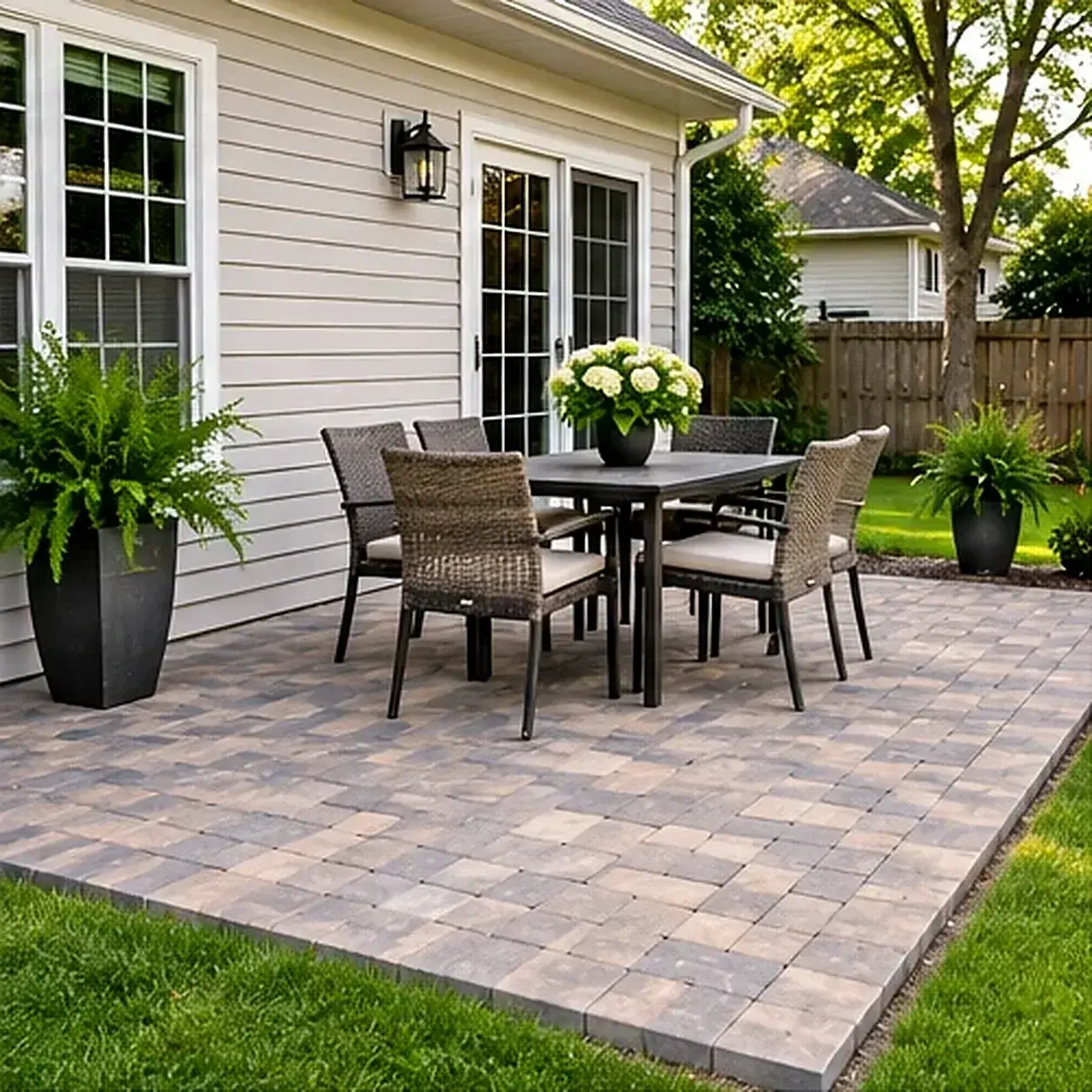
How to Build a Paver Patio for Beginners
Learn how to build a paver patio for beginners, including layout, excavation, base depth, bedding sand, paver patterns, drainage, and finishing tips.
November 2026, 20 min read
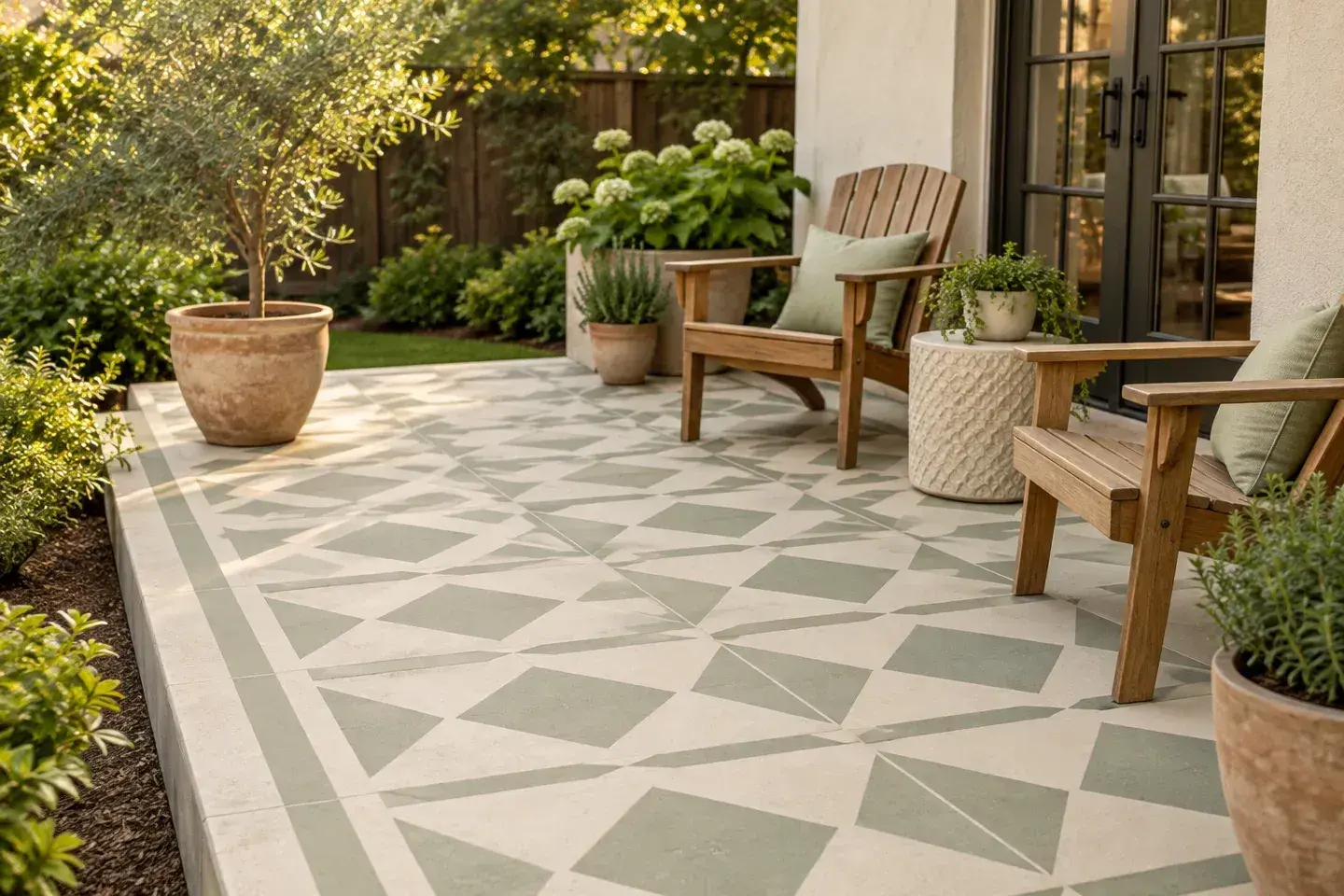
Stenciled Concrete Patio Makeover: A Before-and-After Design Guide
A stenciled patio can make a plain concrete slab feel like a patterned outdoor room without adding tile. The most convincing results come from restrained.
October 2026, 4 min read
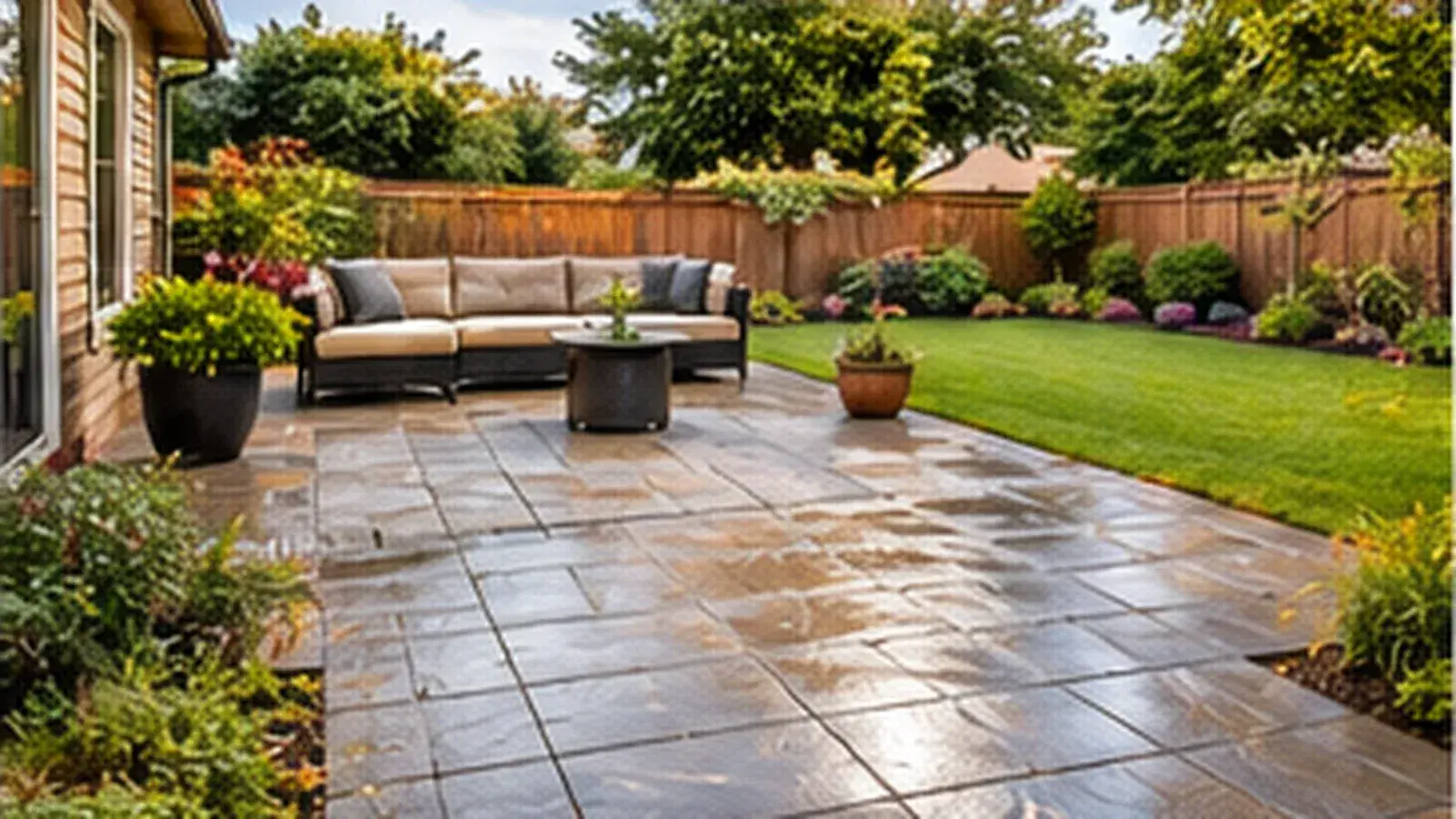
Patio Drainage and Materials: What Happens to the Water
A solid patio sheds every drop of rain that falls on it. Permeable materials let water soak through instead. Here is how each type works, based on EPA and state stormwater guidance, and how to think about the trade-offs.
September 2026, 4 min read