14 Boho Tiny Studio Apartment Decorating Ideas
Make a small studio feel warm and spacious with 14 boho decorating ideas for smart zoning, cozy textiles, vertical storage, plants, lighting, and more.
By Home Crane Editors. . 12 min read.
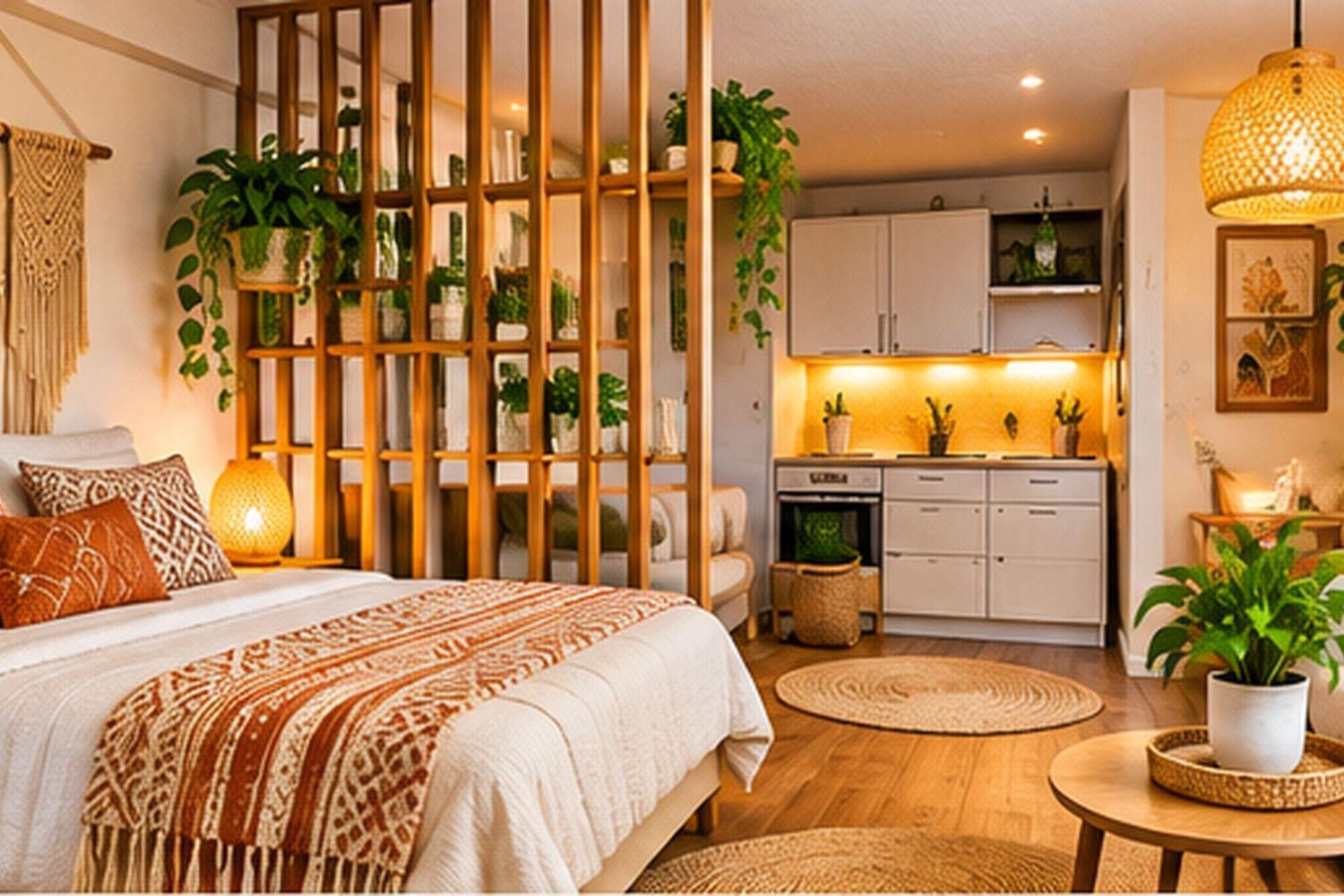
A tiny studio apartment can feel warm, expressive, and surprisingly spacious when its decorating choices work together. Bohemian style is a natural fit for compact homes because it welcomes layered textiles, natural materials, collected artwork, plants, and relaxed furniture. The trick is to edit those elements carefully so the room feels inviting rather than crowded.
The most successful boho studio layouts do more than look attractive. They make sleeping, relaxing, cooking, working, and entertaining feel like distinct activities, even when they happen in one open room. A rug can mark the living area, a bookcase can soften the view of a bed, and a small dining table can double as a desk. Repeating a few colors and materials helps all those zones feel connected.
Use the following ideas as a flexible starting point. You do not need to copy every detail or buy a matching furniture set. Choose the solutions that suit your floor plan, storage needs, lease rules, and budget.
1. Define Zones With an Open Divider
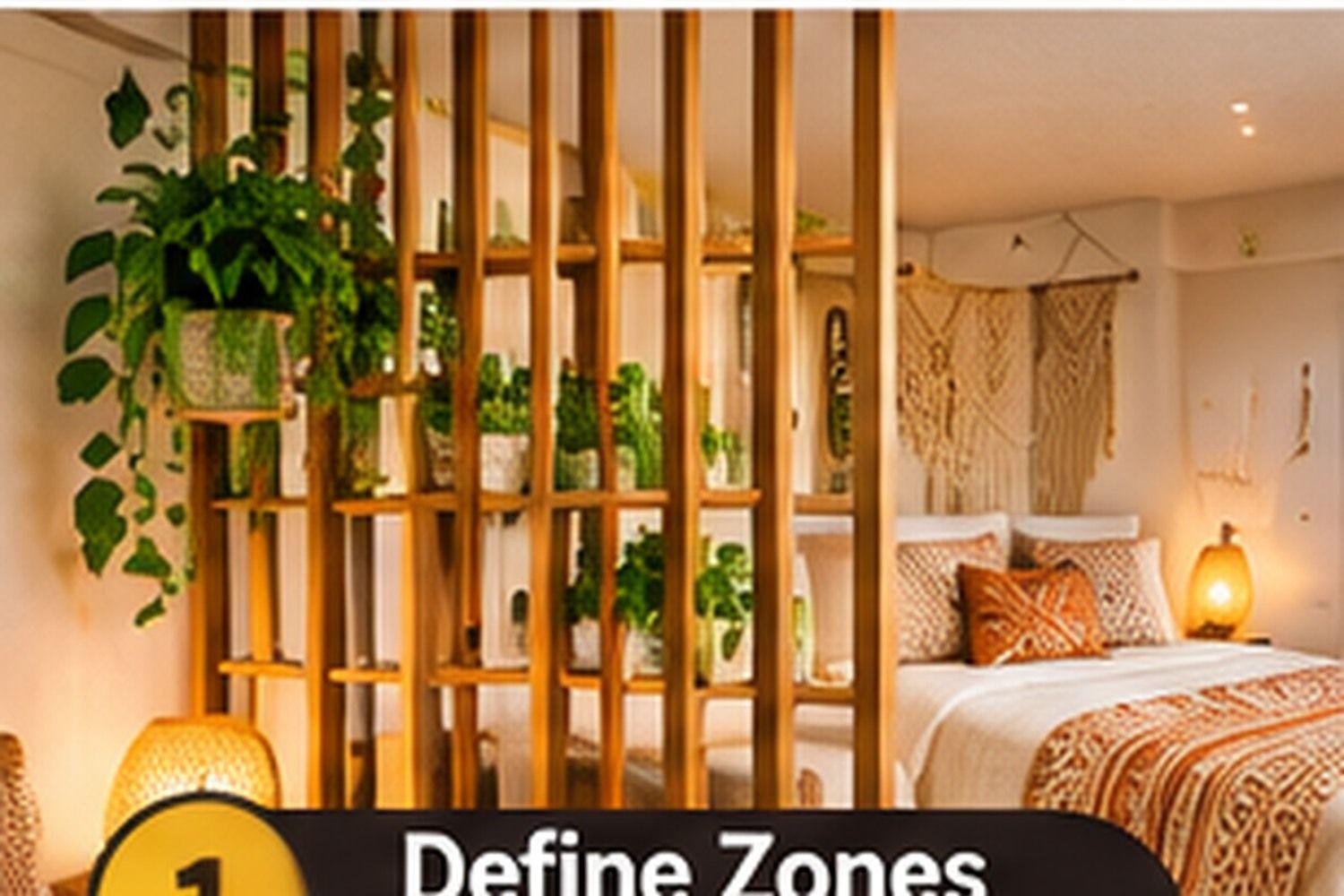
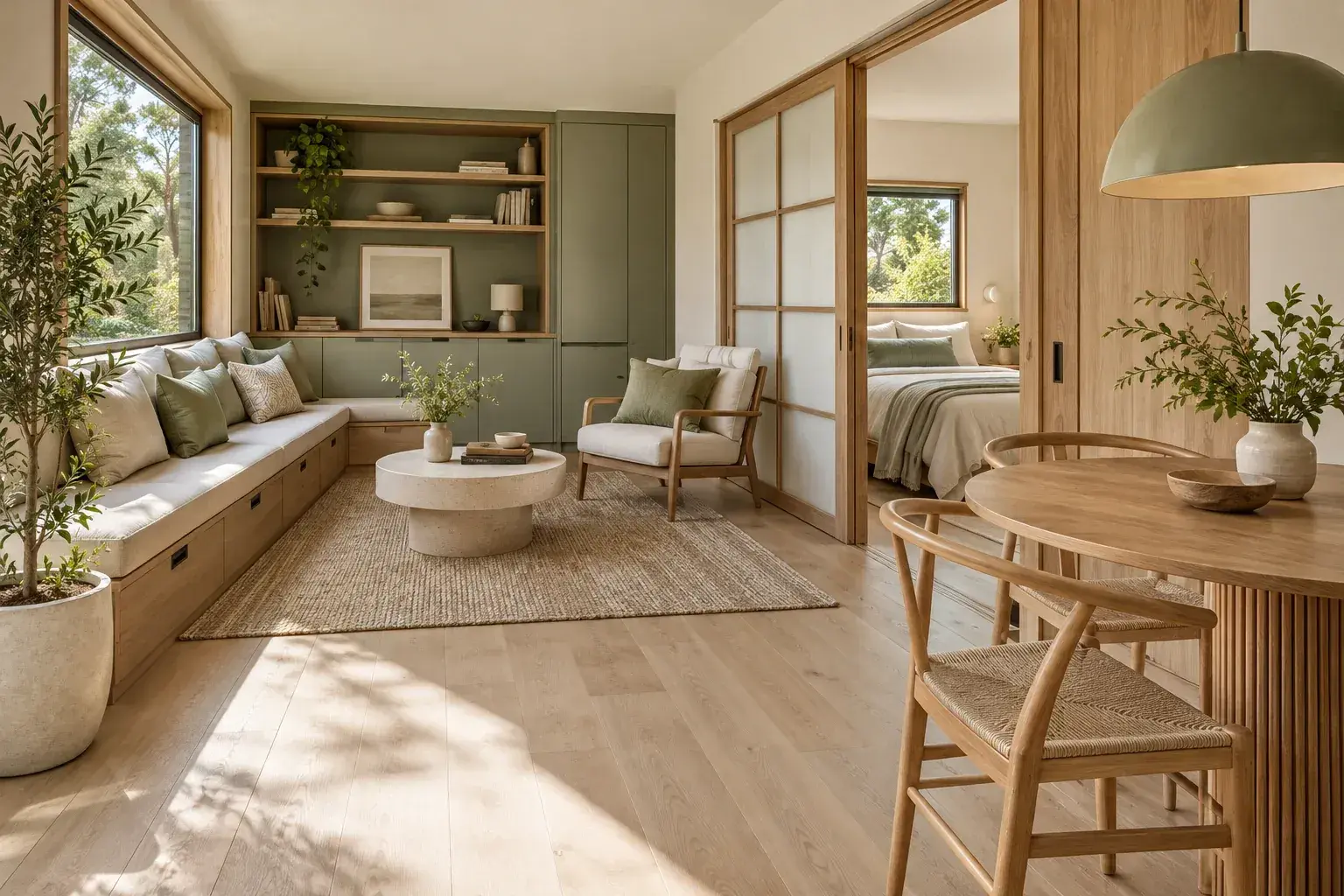
A studio does not need full walls to feel organized. An open divider can create a visual boundary between the bed and living area while allowing daylight and air to move through the room. Consider a narrow slatted screen, an open-backed bookcase, a low shelving unit, or a ceiling-mounted curtain.
For a distinctly bohemian look, choose warm wood, cane, rattan, or a simple natural-fiber curtain. Keep the divider visually light. A solid, floor-to-ceiling partition can make a small room feel chopped up, while an open design gives the eye a sense of continuity.
Before buying anything, measure the walking route from the entry to the kitchen and bathroom. Leave enough clearance for drawers, doors, and everyday movement. Renters should favor freestanding screens or tension-mounted curtains rather than drilling into walls or ceilings without permission.
2. Build a Cozy Boho Color Palette
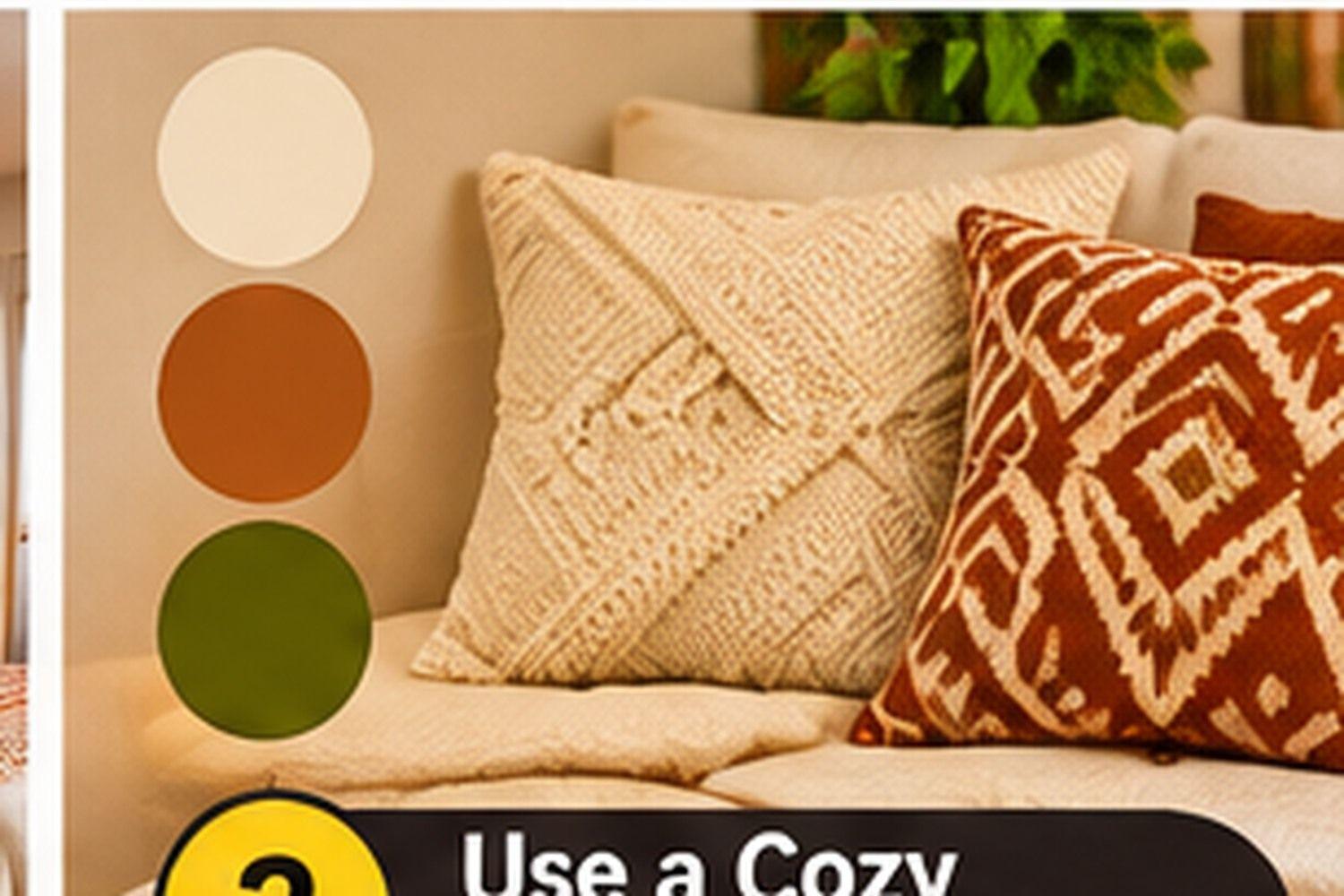
A limited palette makes a small studio feel calm even when it contains a variety of patterns and textures. Start with a warm neutral such as ivory, cream, oatmeal, or sand. Add two or three supporting colors, perhaps terracotta, rust, olive green, muted mustard, or warm brown.
Use the palette in different proportions instead of assigning one color to every object. Cream might cover the largest surfaces, rust could appear in cushions and art, and olive could show up in a throw or plant pots. Repeating these tones in several places helps the sleeping and living zones read as one thoughtfully designed home.
If the apartment has dark floors or limited daylight, keep larger pieces and window treatments relatively light. Add deeper colors in smaller, movable accents. Test paint or fabric samples in the actual room because natural and artificial light can change how colors appear.
3. Layer Textiles Without Overcrowding
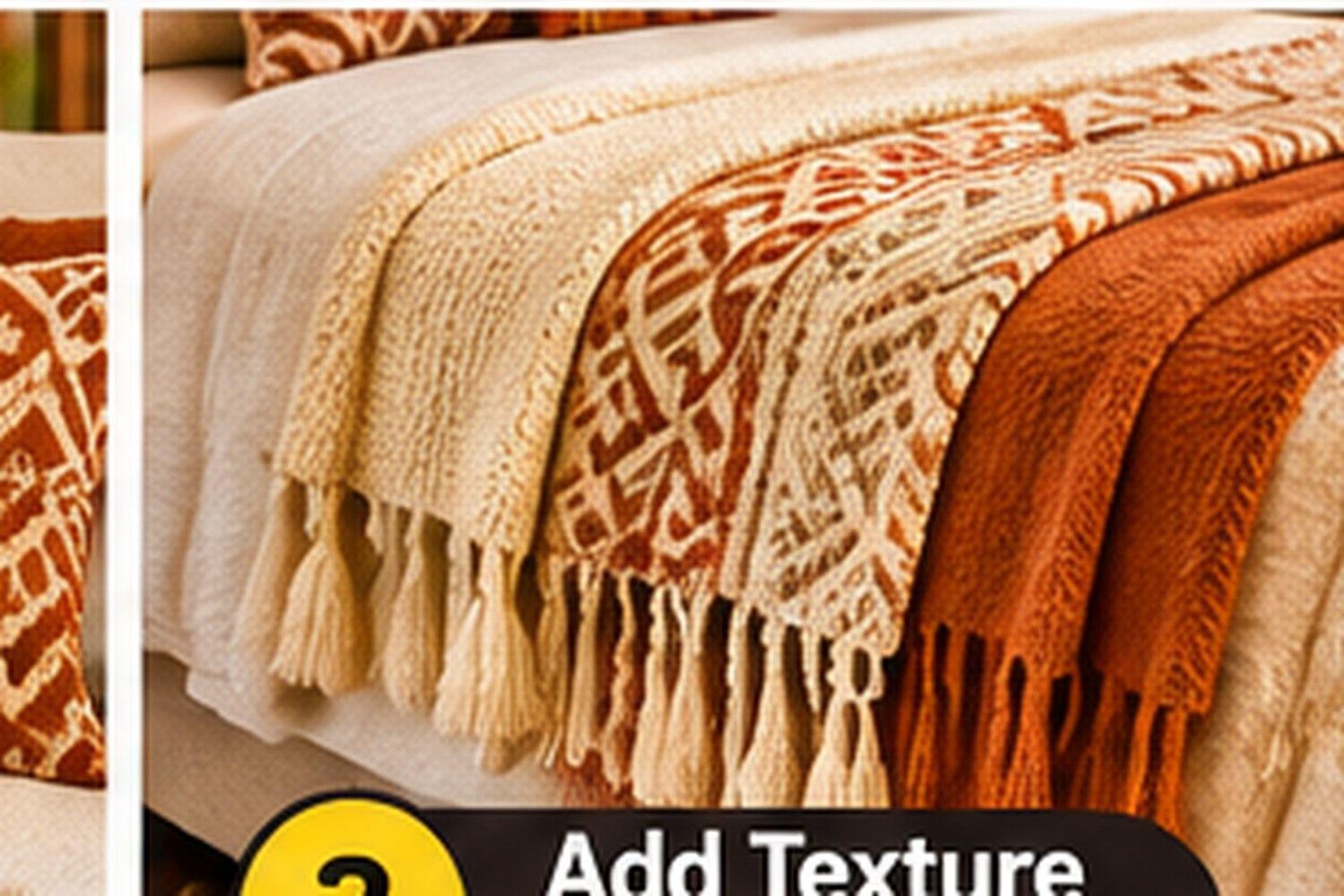
Textiles give boho rooms their relaxed, tactile character. Combine a cotton duvet, a knitted throw, linen-look curtains, and a few cushions with different weaves. A mix of smooth, nubby, woven, and softly fringed surfaces creates depth without requiring more furniture.
In a studio, keep the largest textile patterns understated and use smaller patterns as accents. For example, pair a plain duvet with two patterned cushions and a textured throw. Too many competing prints can make a compact room feel visually busy.
Choose washable or easy-care fabrics for items used every day. A removable cushion cover is easier to clean than a delicate decorative pillow, and a low-pile rug is often simpler to maintain than a thick shag style in a high-traffic space.
4. Use Vertical Storage
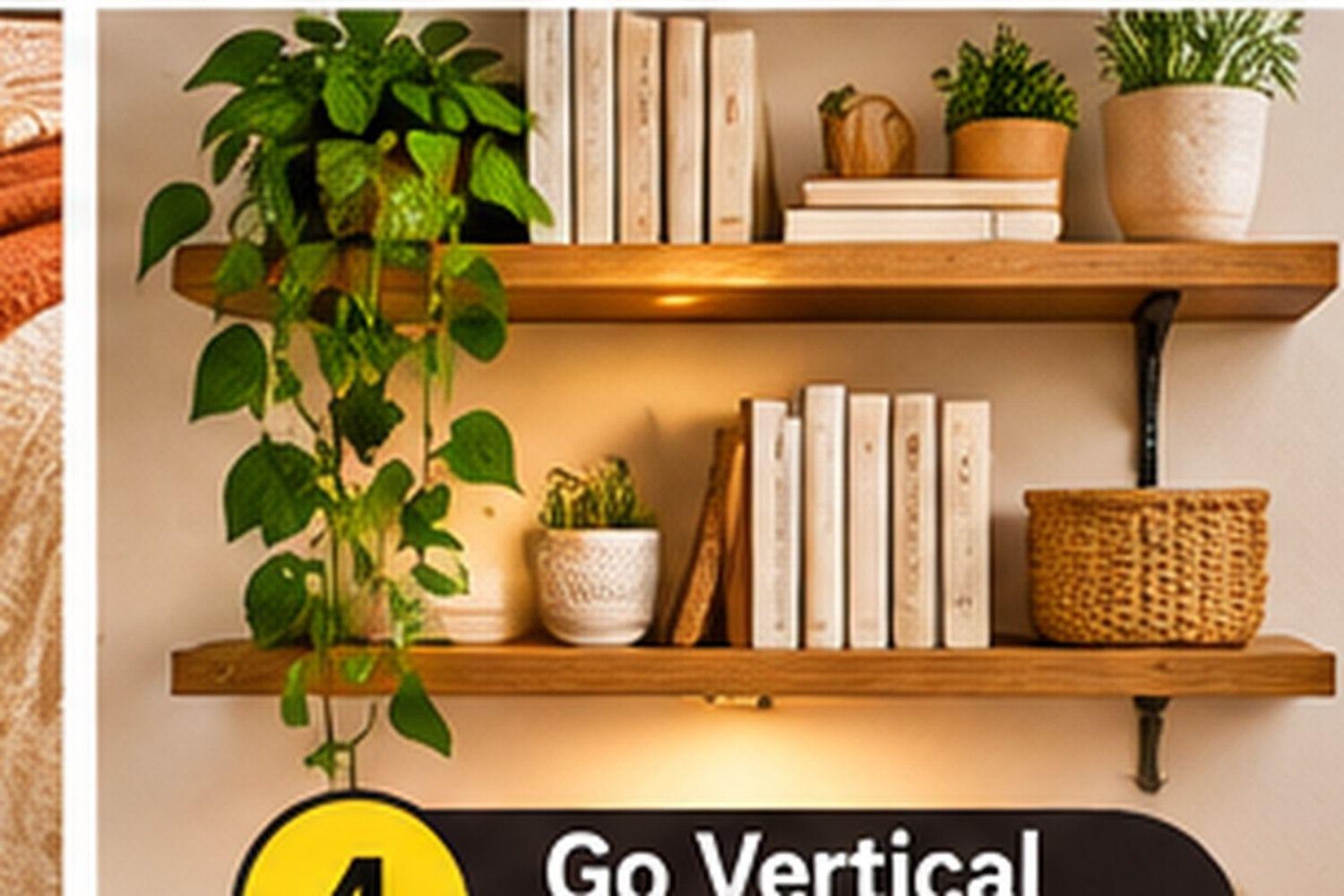
When floor space is scarce, make the walls work harder. Floating shelves, tall narrow bookcases, wall hooks, and over-door organizers can store useful items without taking up much floor area. Arrange frequently used objects within easy reach and reserve higher shelves for lighter, less-used items.
Natural wood shelves and woven baskets fit a boho scheme particularly well. Use baskets to group small items so open storage looks intentional rather than cluttered. A few books, framed prints, and trailing plants can make a shelf feel decorative while still serving a practical purpose.
Secure shelves and tall furniture according to manufacturer instructions. Check wall type, weight limits, and lease restrictions before installing anything. If drilling is not permitted, use a stable freestanding shelf or another approved renter-friendly option.
5. Bring in Greenery at Different Heights
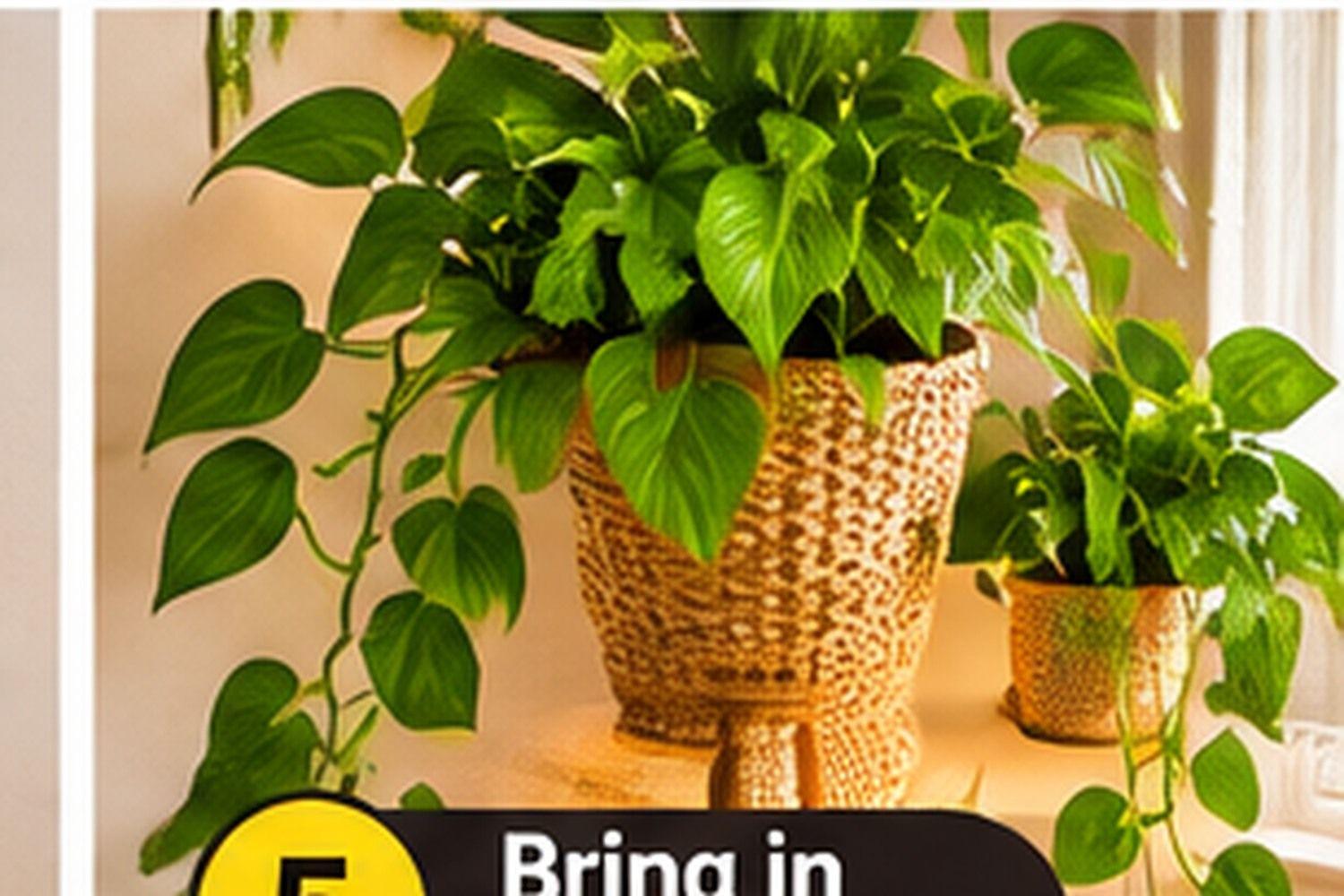
Plants introduce color, softness, and a connection to nature. In a tiny studio, vary their height rather than lining every surface with small pots. A floor plant can anchor an empty corner, a small plant can sit on a shelf, and a hanging planter can use vertical space where it will not obstruct movement.
Choose plants based on the light your apartment actually receives and the amount of care you can provide. A plant suited to bright indirect light may struggle in a dim corner. Check watering needs, pet safety where relevant, and whether the container has a saucer or another way to protect floors and furniture.
If live plants are not practical, use one or two convincing faux plants alongside natural materials such as wood, jute, and rattan. The goal is a balanced, fresh feeling, not a crowded indoor jungle.
6. Choose Multi-Functional Furniture
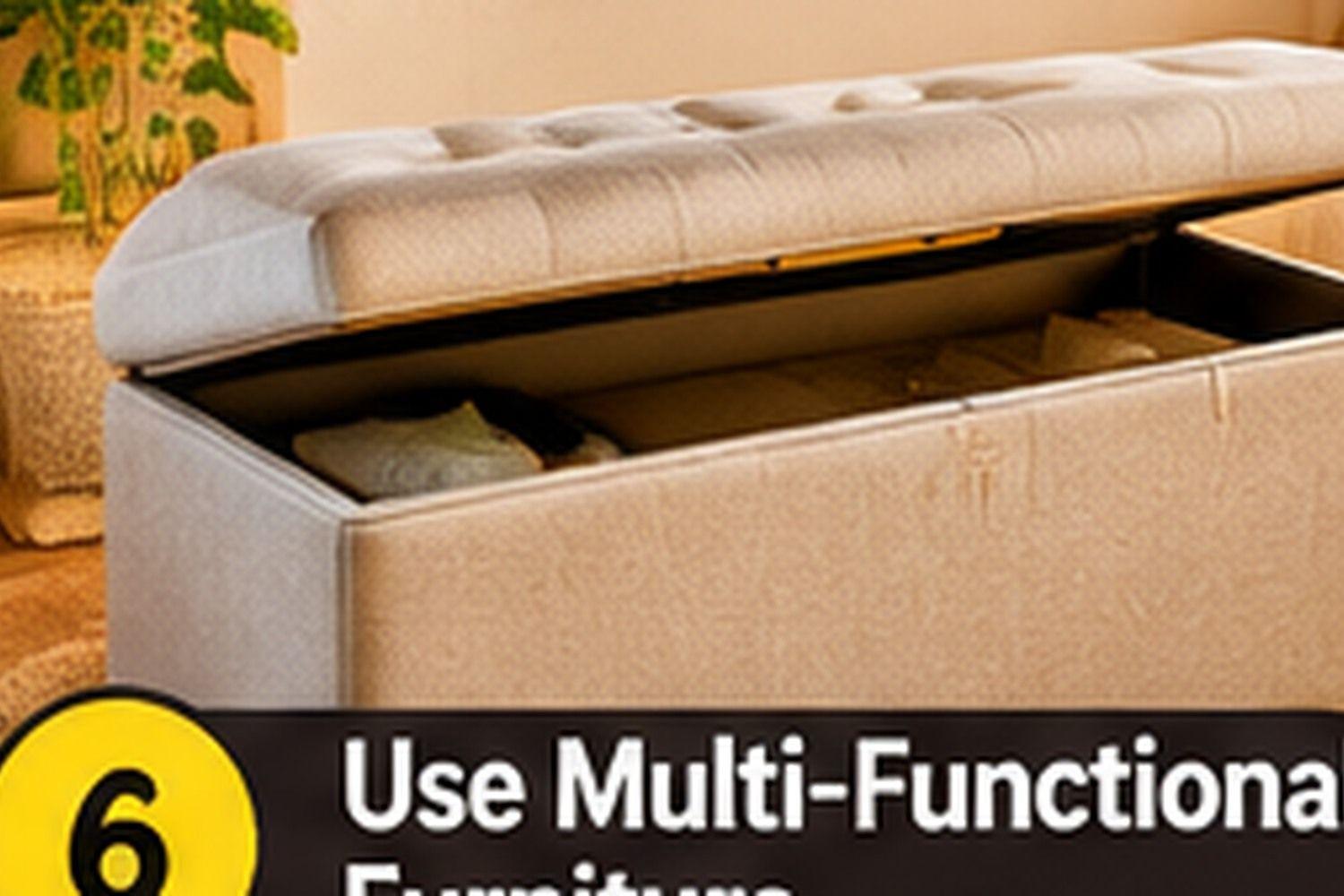
Every large piece in a studio should earn its footprint. Look for a storage ottoman that works as a footrest and extra seat, a coffee table with a shelf, a bed with drawers, or a compact sofa bed if it genuinely suits your sleeping needs.
A small drop-leaf table can serve as a dining surface and a work area. Nesting tables can be separated when guests visit and stacked when they are not needed. Furniture with exposed legs can also make more of the floor visible, helping the room feel less heavy.
Measure the furniture when fully opened or extended, not just in its smallest position. Check that a sofa bed can unfold without blocking the entry, and that storage drawers can open fully. A clever item is only useful if it works comfortably in the actual layout.
7. Add Warm Boho Lighting
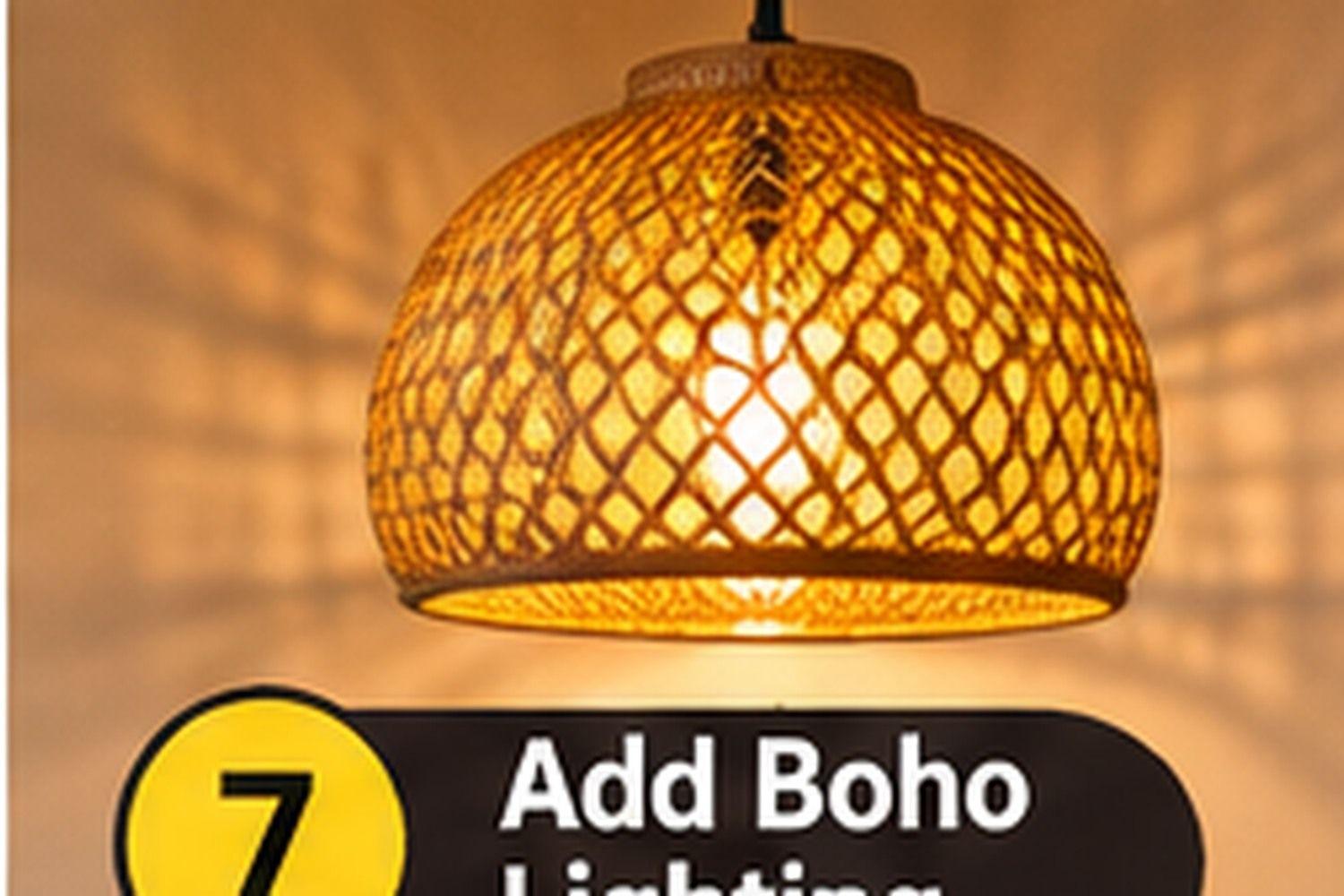
Lighting has a major effect on how a studio feels after sunset. Rather than relying on one bright ceiling fixture, combine ambient light with task and accent lighting. A woven pendant shade, a small table lamp, and a floor lamp can create a softer layered effect.
Warm-white bulbs generally create a relaxed atmosphere. Check the bulb packaging for color temperature and brightness, and use task lighting near a desk or reading chair so the room remains practical. If the apartment has limited outlets, plan lamp placement around safe cable routes and avoid running cords beneath rugs or across walkways.
Renters can often change the mood with plug-in lamps, rechargeable lights, and removable shades without altering the electrical installation. Do not replace hardwired fixtures unless the lease and local rules allow it and the work is handled appropriately.
8. Decorate With Thoughtful Wall Art
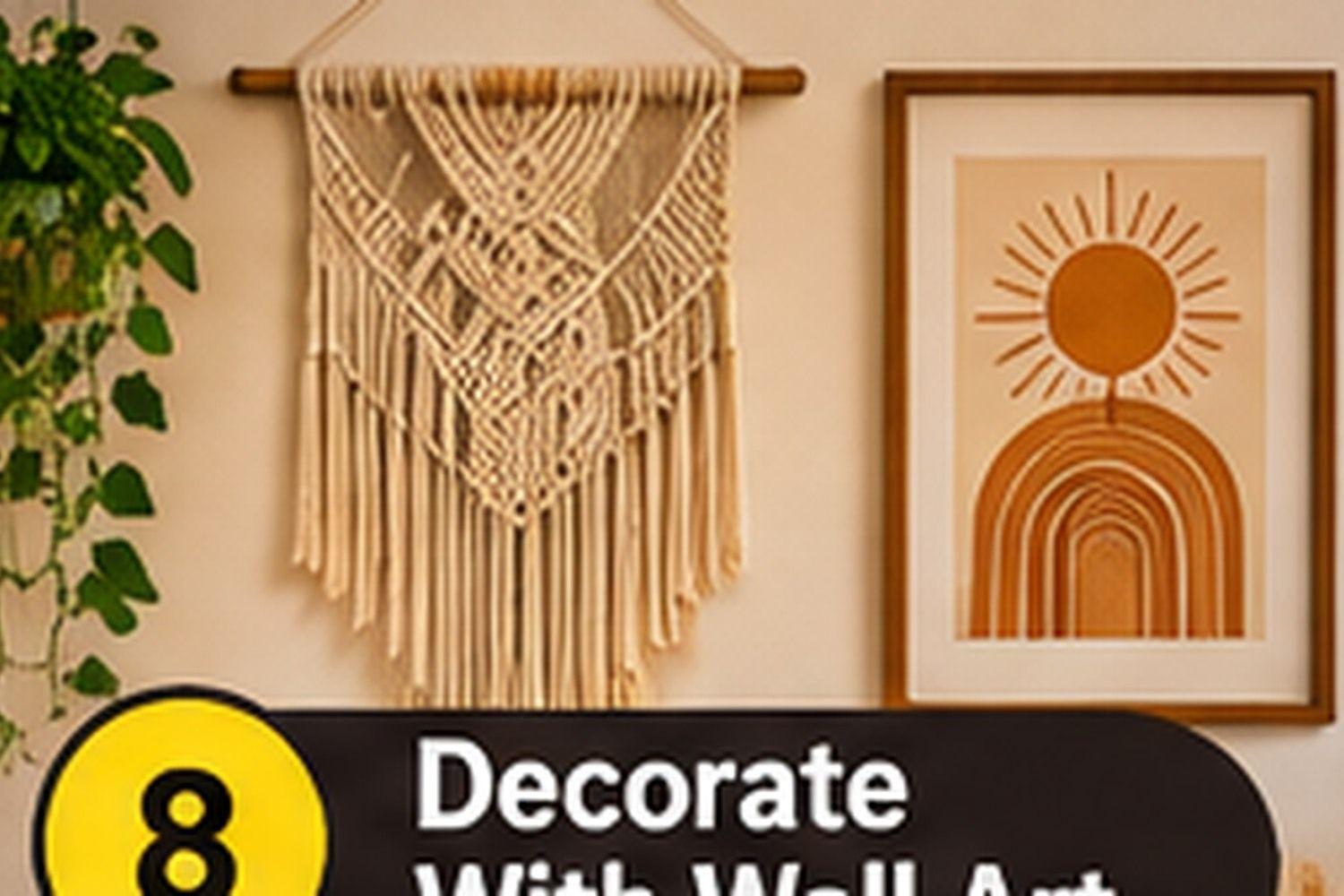
Wall art gives a small apartment personality without using valuable floor space. Try a woven wall hanging, a framed botanical print, a small gallery arrangement, or one larger piece above the sofa. Natural wood frames, muted landscapes, abstract shapes, and handmade-looking textures all work well with boho decor.
A small room usually benefits from a deliberate arrangement rather than art on every available wall. Repeat a few colors from the textiles to connect the artwork with the rest of the space. Leave some empty wall around the display so the pieces have room to breathe.
For renters, removable picture-hanging strips may be suitable for certain lightweight frames, but follow the product's surface and weight guidance. Heavier pieces need an appropriate mounting method. If wall changes are restricted, lean framed art securely on a shelf or console.
9. Use a Rug to Define the Living Area
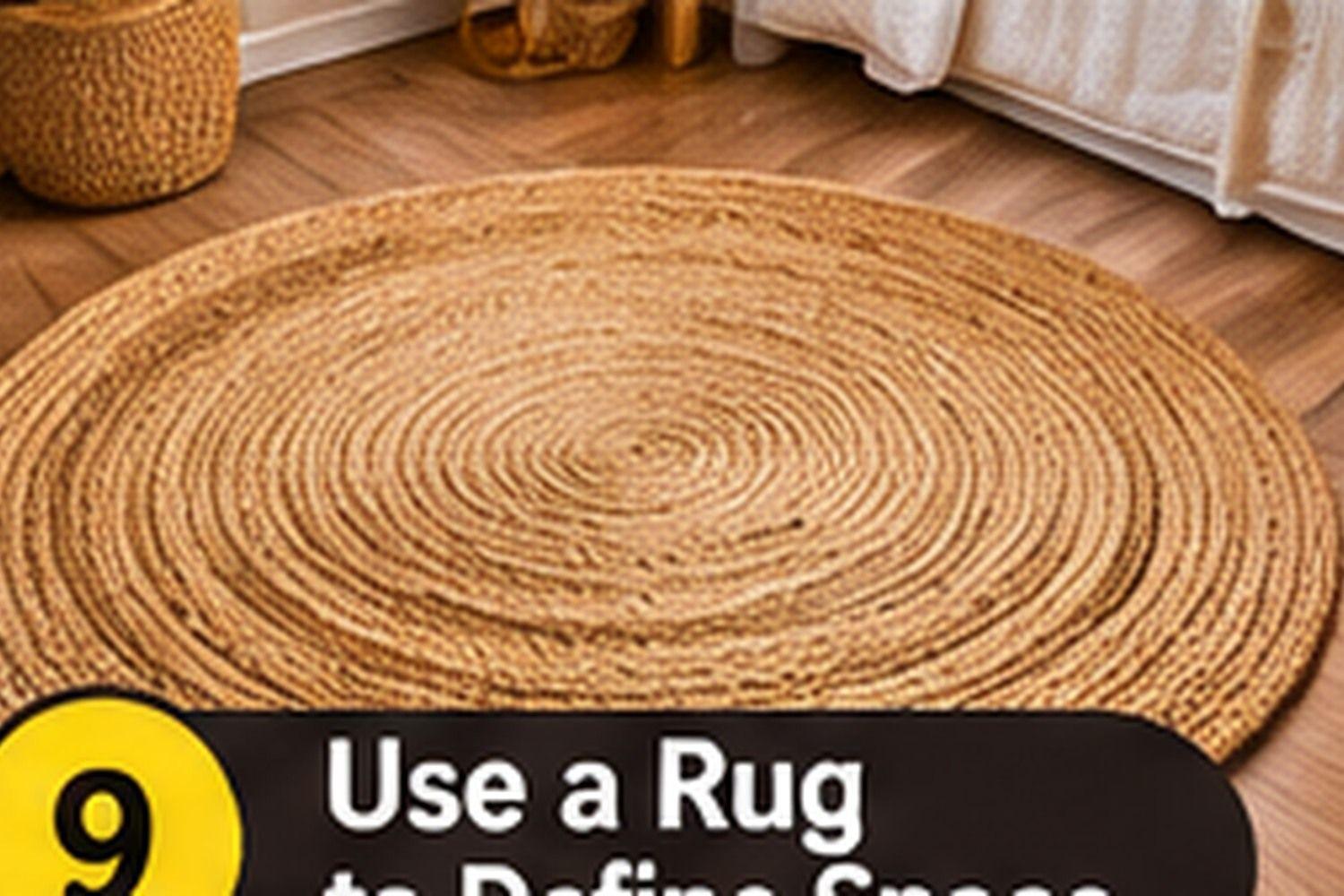
A rug can visually separate the lounge from the sleeping area without blocking light. Choose a size that relates to the furniture: ideally, the front legs of a sofa or chairs can sit on the rug, rather than having a tiny mat floating in the middle of the room.
Jute, flatweave cotton, and low-pile patterned rugs suit bohemian interiors. A subtle geometric or faded motif adds interest while keeping the floor from feeling too busy. If the studio already has patterned bedding or a bold sofa, a simpler rug may create a better balance.
Use a rug pad that is compatible with the flooring and rug material. It can help reduce slipping and protect the floor, but check the manufacturer's guidance first, particularly on vinyl or delicate finishes. Make sure rug edges do not create a trip hazard.
10. Keep a Compact Dining Area
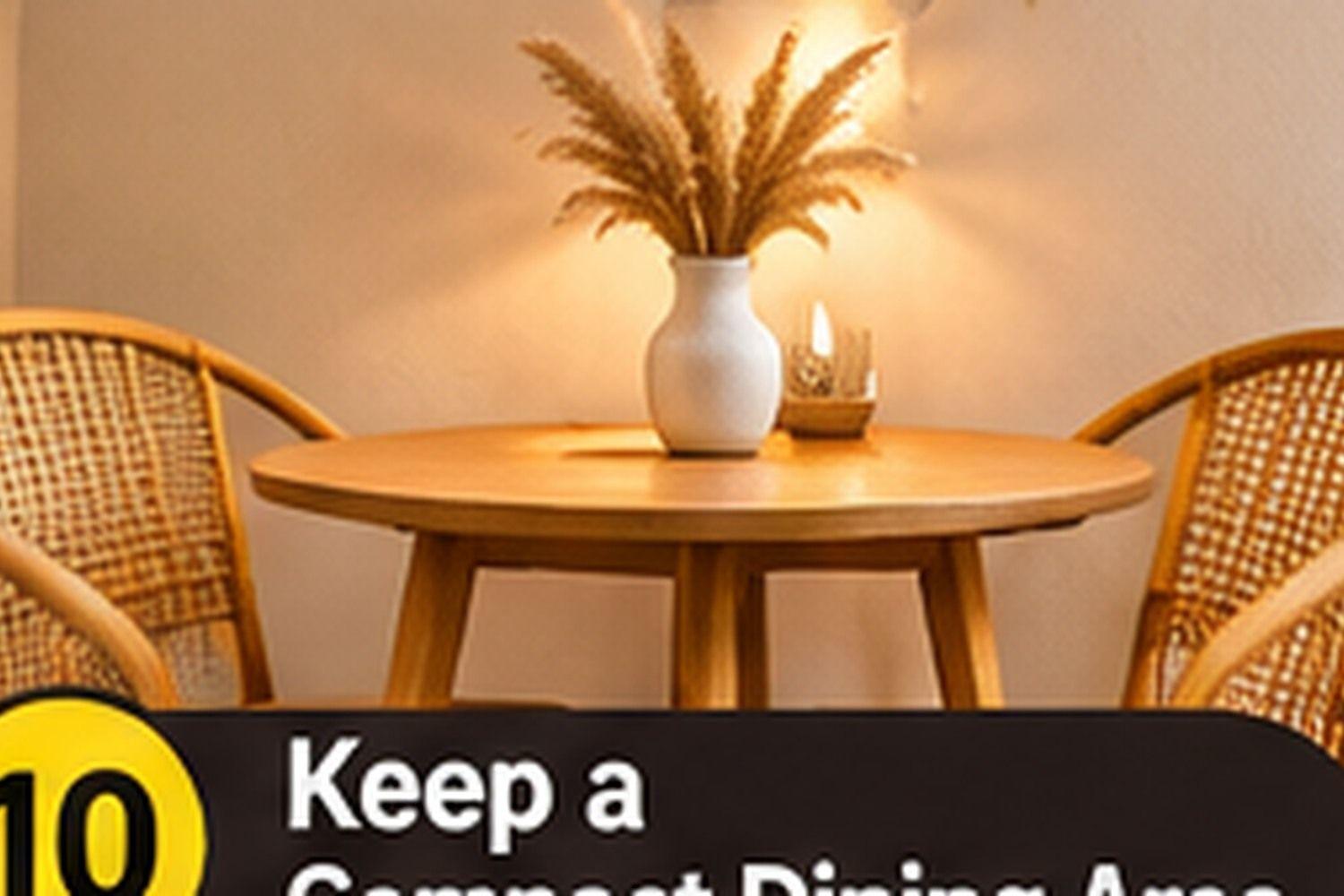
A dedicated dining spot can make a studio feel more complete, even if it is only a small round table and two lightweight chairs. A round top can be easier to move around in a tight layout because it has no sharp corners. Folding chairs can be stored when not in use.
Bring in boho character through woven seats, a simple wood finish, a small pendant, or a textured table runner. Keep the tabletop mostly clear so it can also serve as a work surface when needed.
Measure the space around the table with chairs pulled out. A dining set that looks compact in a product photo may be awkward in a narrow studio. If there is no room for a separate table, a counter-height ledge or a drop-leaf wall table may be a better fit.
11. Create a Cozy Reading Nook
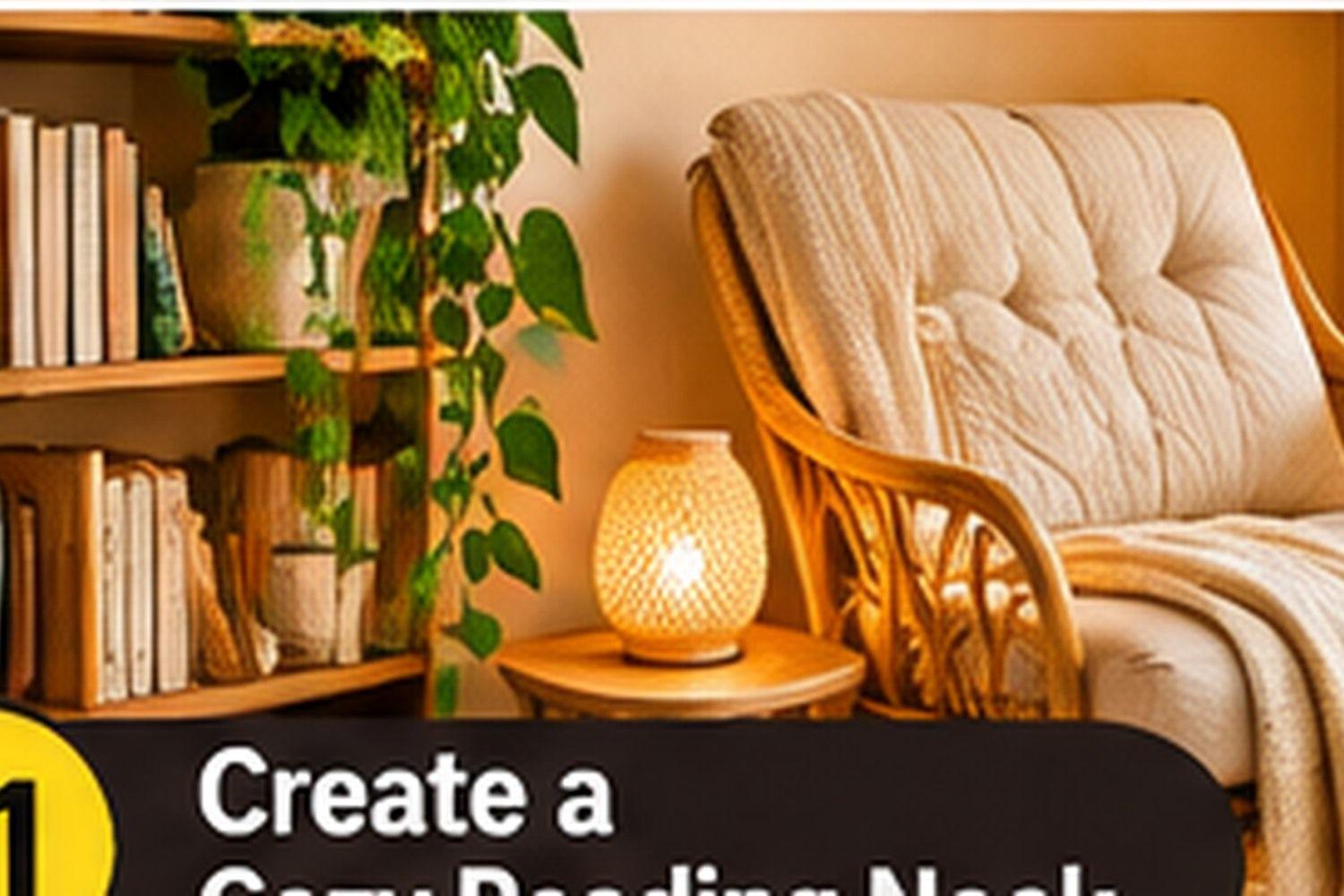
An unused corner can become a reading spot with a compact accent chair, floor cushion, or supportive pouf. Add a small side table and a focused lamp, then use a throw or cushion to introduce texture. A narrow bookcase can make the nook feel purposeful without requiring a large footprint.
Choose seating that fits the scale of the room. Oversized lounge chairs can consume the space needed for circulation, while a slim chair with visible legs may feel lighter. If you prefer floor seating, include a supportive cushion and a nearby place to set a drink or book.
The nook does not have to be separate from the living area. A chair beside a window or at the end of a sofa can perform the same role. The important part is giving one small corner a clear function.
12. Maximize Natural Light
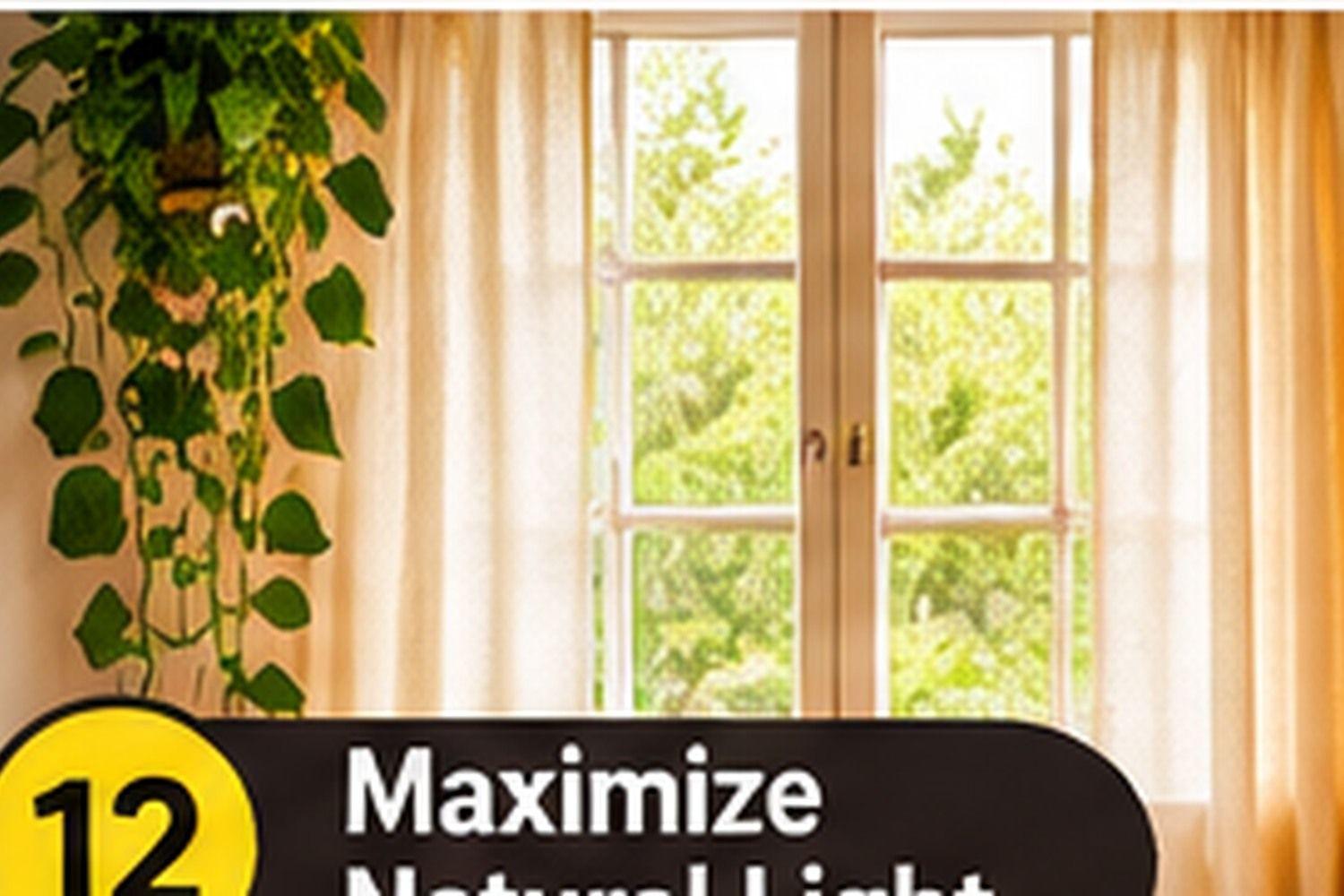
Natural light makes a compact apartment feel more open. Use curtains that can be pulled fully away from the window, and choose light-filtering fabrics if privacy is needed without blocking all daylight. Hanging the curtain rod higher and wider than the window may create the impression of a taller, broader opening, provided the installation is permitted.
Keep bulky furniture away from the brightest part of the room when possible. A mirror placed to reflect a window can help distribute light, but position it so it does not create uncomfortable glare. Pale bedding, light rugs, and warm neutral walls can also help the room feel brighter.
Avoid covering radiators, vents, or required egress windows. Window treatments should operate safely and should not interfere with building systems or emergency access.
13. Keep It Clutter-Free With Woven Baskets
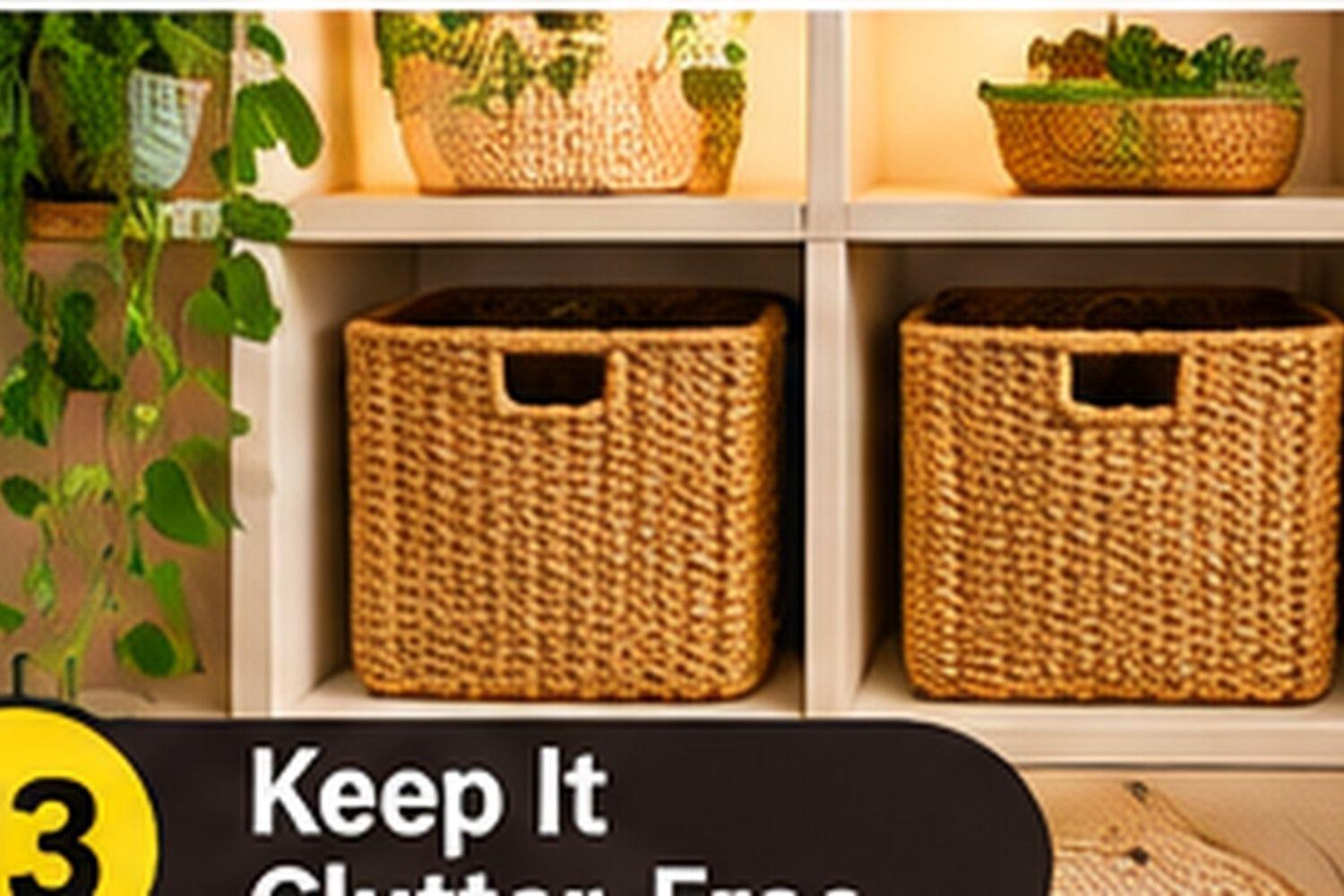
Boho decor often includes baskets, but in a small studio they should solve a storage problem rather than become another collection of objects. Use a few appropriately sized baskets for throws, laundry, cables, or everyday accessories. Matching or coordinating natural tones help open storage look cohesive.
Assign each basket a clear purpose. One near the sofa might hold blankets, while another under a console could contain small household items. Labels inside the basket or a simple sorting routine can make it easier to return things to the right place.
Do not fill every empty corner with a basket. Leave some surfaces and floor areas clear. A compact home feels more restful when storage is easy to use and the objects on display have room around them.
14. Personalize the Room With Collected Boho Accents
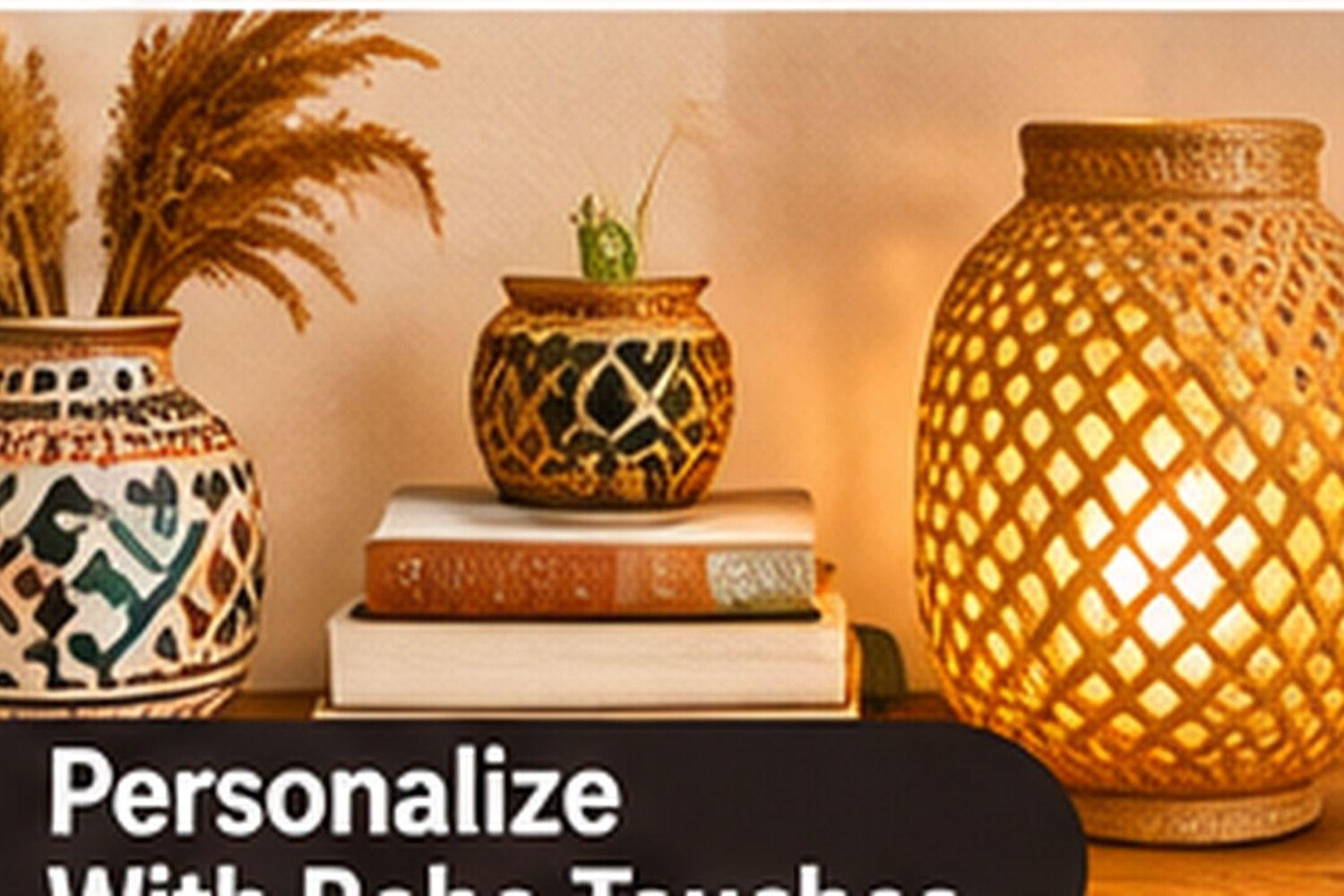
The finishing touches should tell a story. Display a few meaningful objects, a handmade ceramic vase, a travel-inspired print, a vintage-style mirror, or a favorite book. Combine materials such as rattan, wood, clay, cotton, and metal, but repeat them selectively so the room feels connected.
Try grouping accessories in odd numbers and varying their heights. A tray can bring a candle, small vase, and catchall together on a coffee table. On a shelf, leave gaps between groups instead of filling every inch.
Personal style matters more than buying a complete boho collection. Choose pieces gradually, prioritize items you genuinely enjoy, and edit anything that makes the room harder to clean or use. A small studio should feel like a home, not a display set.
How to Make a Tiny Boho Studio Feel Larger
A successful small-space design balances visual warmth with clear circulation. Start by measuring the room and sketching the main activities: sleeping, sitting, eating, working, cooking, and storage. Then decide which pieces need permanent space and which can fold, stack, roll, or serve more than one purpose.
Use a consistent palette across zones. Repeating wood tones, woven textures, and two or three accent colors makes different functions feel like parts of one home. Keep the largest surfaces relatively calm, and let smaller accessories provide the pattern and personality.
Pay attention to sightlines. Avoid placing tall, bulky furniture directly in front of windows or in the main path from the entrance. Open shelving can divide a room while allowing light through, but it should not become a wall of miscellaneous objects. A few visible items and concealed storage usually create a more settled look.
Finally, leave some negative space. Not every wall needs art, not every corner needs a plant, and not every surface needs a decorative object. The empty space is part of the design. It gives the eye a rest and makes the pieces you love stand out.
A Simple Boho Studio Decorating Plan
If you are starting from scratch, work in stages rather than purchasing everything at once.
- Map the layout. Measure the room, windows, doors, outlets, and existing furniture. Identify the main walking route and any areas that must remain clear.
- Choose the palette. Select one warm neutral base and two or three accents. Repeat them in the bedding, rug, cushions, and artwork.
- Solve the biggest space problem. If the bed dominates the room, consider an open divider. If storage is the issue, start with vertical shelving or under-bed storage.
- Add lighting and textiles. Layer practical lighting with a few tactile fabrics. These changes often make a room feel more finished without adding bulky furniture.
- Finish with personal details. Add plants, wall art, baskets, and collected objects only after the functional layout works.
Frequently Asked Questions
What colors work best in a boho studio apartment?
Warm neutrals such as cream, ivory, oatmeal, and sand make a flexible base. Terracotta, rust, olive, muted mustard, and warm brown add character. In a very small or dim studio, use deeper shades as accents rather than covering every large surface.
How do you separate a bed from the living area in a studio?
Use an open bookcase, slatted divider, freestanding screen, curtain, or strategically placed rug. These options create visual separation without necessarily blocking daylight. Choose a solution that preserves a clear route through the apartment.
Can boho decor work in a very small apartment?
Yes. Boho style relies on materials, texture, color, and personal objects rather than room size. Keep the palette coordinated, use vertical storage, choose multi-functional furniture, and avoid filling every surface with accessories.
What is the cheapest way to create a boho look?
Start with what you own. Rearrange furniture, use existing throws and cushions, frame printable or personal artwork, and add a few secondhand or handmade accents. A single textured rug or woven lamp shade can make a noticeable difference without requiring a full makeover.
How many plants should a tiny studio have?
There is no ideal number. Choose plants based on available light, care time, and usable surfaces. A few well-placed plants at different heights often look more intentional than many small pots competing for space.
Final Thoughts
A boho tiny studio apartment can be both practical and full of personality. Define zones with open elements, use a restrained earthy palette, layer textiles, take advantage of vertical storage, and choose furniture that supports more than one activity. Then add plants, warm lighting, art, and meaningful accents in measured doses.
The best result is not the studio with the most decor. It is the one where every piece has a purpose, the layout feels easy to move through, and the textures and colors make the space feel welcoming.
Sources
- U.S. Department of Energy: Energy Saver - Window Coverings. Checked November 7, 2026
- U.S. Environmental Protection Agency: Indoor Air Quality. Checked November 7, 2026
- American Society of Interior Designers. Checked November 7, 2026
- University of Minnesota Extension: Houseplants. Checked November 7, 2026
Share this article
Get new guides by email
Practical home articles and free resources. No spam, and you can unsubscribe at any time.
Keep reading
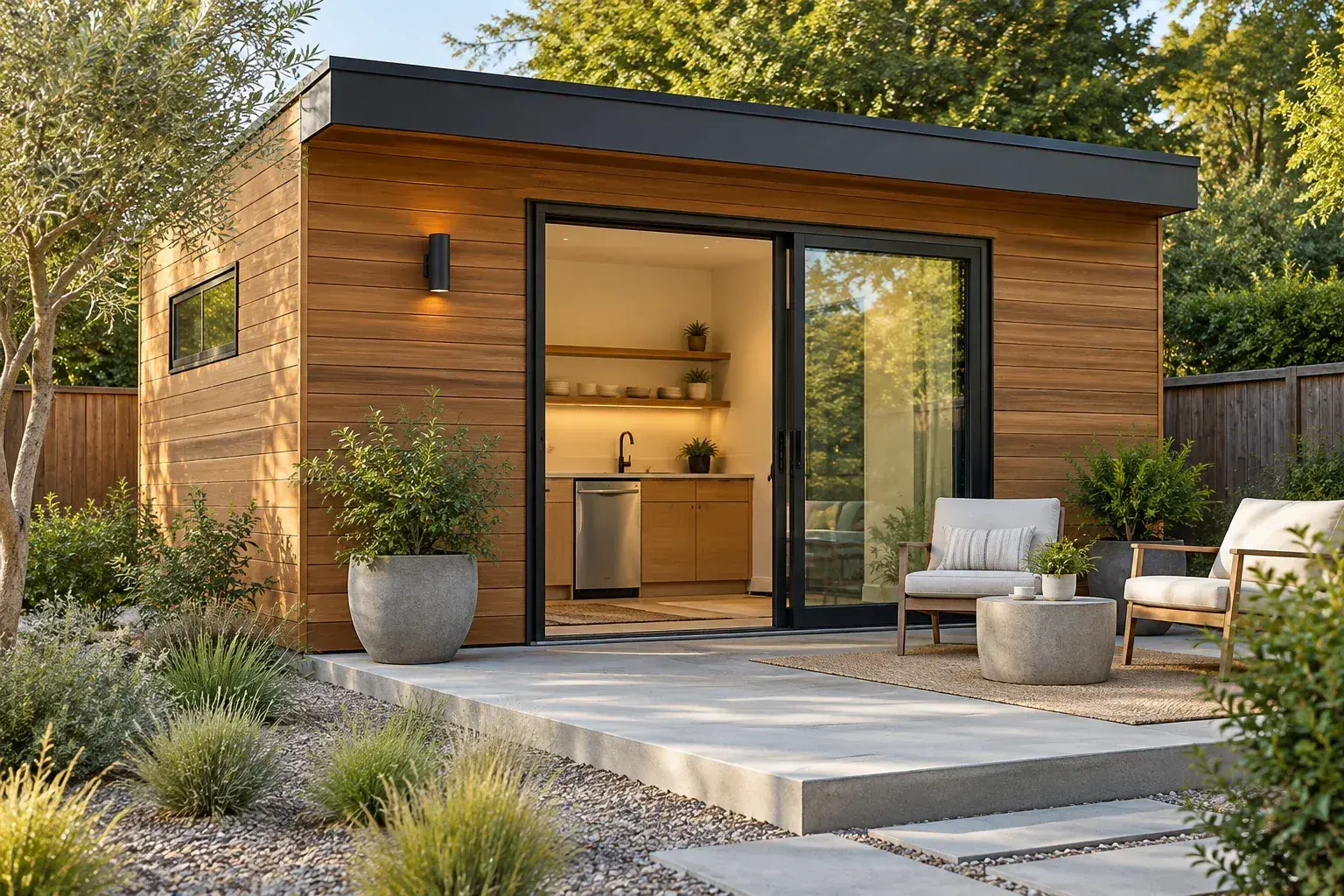
10 Genius Prefab Backyard ADU Guest House Layouts & Decor
Explore 10 genius prefab backyard adu guest house layouts & decor. Compare illustrated concepts, practical layout tips, and planning checks.
October 2026, 5 min read
14 Modern ADU Interior Design Ideas for Space-Saving Living
Explore 14 modern adu interior design ideas for space-saving living. Compare illustrated concepts, practical layout tips, and planning checks.
October 2026, 6 min read
11 Detached ADU Garage Conversion Floor Plans with Loft Space
Explore 11 detached adu garage conversion floor plans with loft space. Compare illustrated concepts, practical layout tips, and planning checks.
October 2026, 6 min read