Cheap Home Staging Tricks for Higher Appraisals
Discover cheap home staging tricks to improve presentation before an appraisal, including decluttering, cleaning, lighting, small repairs, and curb appeal.
By Home Crane Editors. . 12 min read.
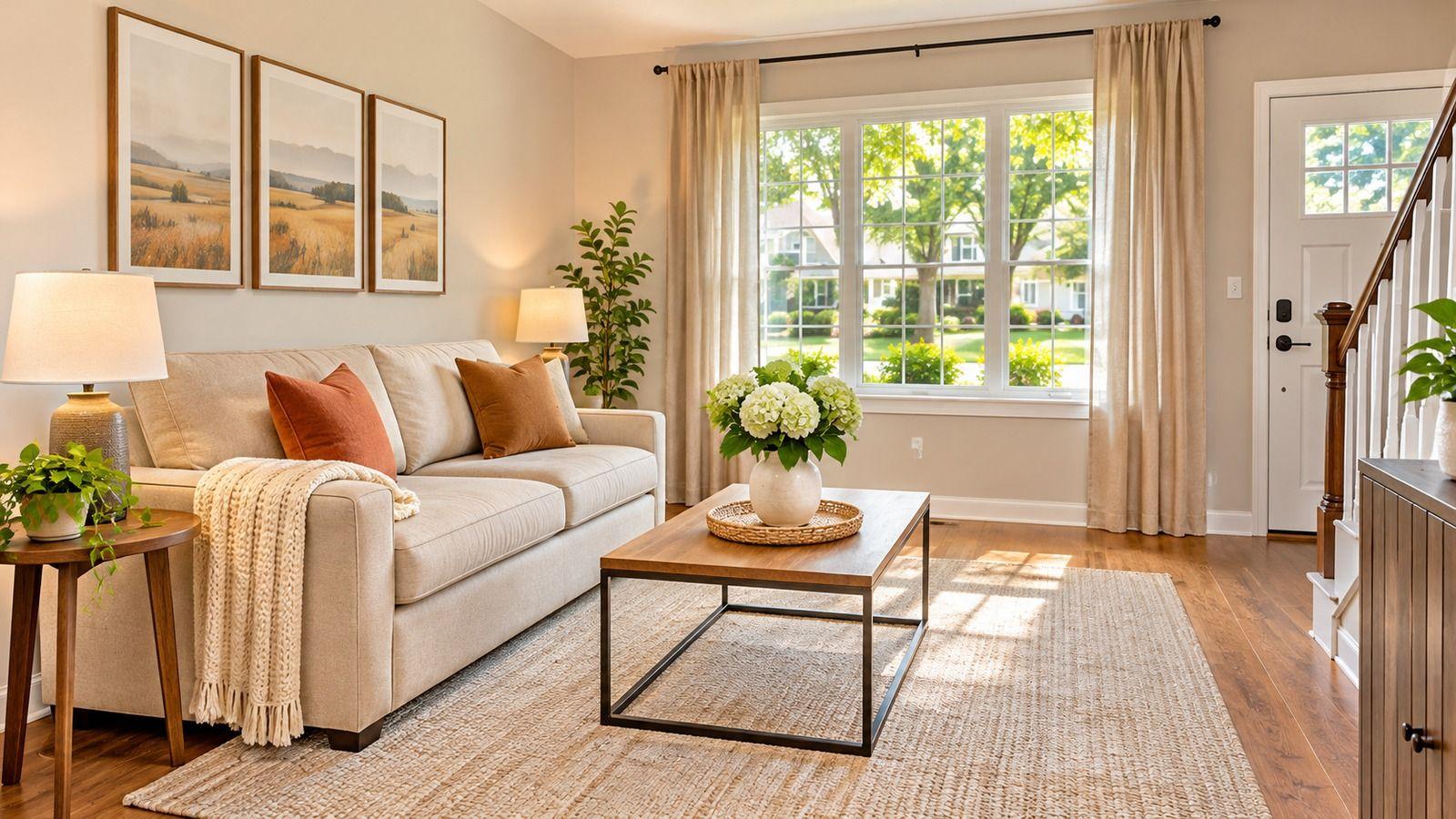
Preparing a home for an appraisal can feel like a costly project, especially when the property needs freshening up before a refinance, sale, or other real estate transaction. The good news is that you do not necessarily need new furniture, a designer, or a major renovation to make your home look cared for. A thoughtful clean-up, a few inexpensive repairs, better lighting, and simple room arrangements can improve how the property presents.
There is one important distinction to understand: home staging does not automatically increase an appraiser's opinion of value. A licensed appraiser estimates market value using the property's characteristics, condition, relevant comparable sales, and the applicable assignment requirements. Decorative styling may help a home photograph well and make its layout easier to understand, but it cannot replace maintenance, correct defects, or create value that the market does not support.
The most useful low-cost approach is therefore twofold: prepare the home so its condition and features are easy to see, and keep documentation of genuine improvements that may be relevant to the valuation. This guide explains practical, budget-conscious staging steps, what to prioritize, and what not to spend money on.
First, Understand What Staging Can and Cannot Do for an Appraisal
Staging is the process of presenting a property so that its layout, natural light, usable space, and strongest features are easy to appreciate. It often involves decluttering, cleaning, rearranging existing furniture, neutralizing distracting decor, and making small visual improvements.
An appraisal is different. An appraiser develops an independent opinion of market value for a defined purpose and effective date. The appraiser considers relevant market evidence and property characteristics, not simply whether the home looks fashionable. A styled room does not add square footage, repair a roof, update old plumbing, or make an inferior comparable sale equivalent to the subject property.
The National Association of REALTORS® 2025 Profile of Home Staging found that 83% of buyers' agents said staging made it easier for buyers to visualize a property as a future home. The report also found that 29% of agents reported staging was associated with a 1% to 10% increase in the dollar value offered. These are survey findings about agents' observations and buyer offers, not proof that staging raises appraised value by the same percentage. NAR's 2025 report explains the survey and its methodology.
For an appraisal appointment, think of staging as presentation rather than a valuation shortcut. Make the property clean, accessible, safe, and easy to inspect. Do not hide defects or make cosmetic changes that could mislead an appraiser or buyer.
1. Declutter the Rooms Before Buying Anything
Decluttering is one of the least expensive ways to improve the way a home feels. Too many objects on counters, floors, shelves, and furniture can make rooms appear smaller and distract attention from their actual features.
Start with the rooms that shape a visitor's first impression: the entry, living room, kitchen, and primary bedroom. Remove items that do not help the room function. Pack away excess ornaments, unused small appliances, stacks of paperwork, laundry, toys, and personal collections.
You do not need to empty every shelf or make the home look unoccupied. The goal is to show how the space works. Keep a few carefully selected objects, such as a bowl on the entry console or a small plant on a kitchen counter, but leave enough open surface to make the room feel practical.
Closets and storage areas deserve attention too. Remove items from the floor, group similar belongings, and make doors and access panels easy to open. A storage area does not need to be half-empty, but it should be orderly enough for its size and function to be understood.
Low-cost tip: Use boxes you already own, label them, and temporarily store nonessential items in a safe, dry location. Avoid blocking the garage, utility room, attic access, electrical panel, or mechanical equipment.
2. Deep-Clean the Areas Buyers and Appraisers Notice
A clean home communicates care. Dust, grease, soap residue, pet hair, fingerprints, and odors can make a property feel neglected even when its underlying condition is sound.
Prioritize kitchens and bathrooms because they contain many surfaces and fixtures that show wear. Clean cabinet fronts, appliance exteriors, sinks, faucets, tubs, shower glass, tile, grout, and mirrors. In living areas, clean windows, baseboards, light switches, doors, and floors. Wash or vacuum window coverings where appropriate.
Pay attention to odors. Empty rubbish bins, clean pet areas, wash soft furnishings where practical, and address the source of musty smells rather than masking them with strong fragrances. Heavy air fresheners can make visitors wonder what is being concealed.
A deep clean is not a substitute for fixing water intrusion, mold, damaged flooring, or faulty ventilation. If you find a persistent leak, soft material, or suspected mold growth, investigate and repair the underlying issue appropriately.
Low-cost tip: Work from the top of each room down. Dust ceiling fans and light fixtures first, then clean windows and surfaces, and finish with floors. This avoids repeating work.
3. Rearrange Existing Furniture to Show the Room's Layout
Furniture placement can make a room feel either spacious or cramped. Before renting furniture or buying new pieces, try rearranging what you already have.
In a living room, create a clear conversation area. Pull furniture away from doorways, avoid blocking windows, and leave obvious walking paths. A sofa and two chairs arranged around a coffee table can show the room's purpose without filling every corner.
In bedrooms, position the bed so it is easy to approach and does not obstruct closet doors. Remove unnecessary side tables or oversized furniture if they make the room difficult to navigate.
In a dining area, make sure chairs can be pulled out comfortably. If the room is small, use a table that fits the space rather than squeezing in extra seating.
The goal is not to make every room look larger than it is. It is to show the true dimensions and practical use of the space.
Low-cost tip: Take a photo from the doorway before and after moving furniture. The photograph often reveals blocked pathways and visual clutter that are easy to miss while standing in the room.
4. Use Neutral, Inexpensive Accessories

A few coordinated accessories can make a room feel finished without a major purchase. Neutral colors such as warm white, beige, soft gray, and muted green work well because they do not compete with the home's permanent features.
In the living room, consider two or three coordinated throw pillows, a folded blanket, and a simple centerpiece. In the bedroom, make the bed neatly with clean bedding and a restrained color palette. In the bathroom, use fresh towels and clear the vanity of personal products. In the kitchen, leave counters mostly open and use one simple bowl or plant as an accent.
Avoid filling every surface with decorative objects. Too many accessories can make a room feel smaller and create unnecessary cleaning.
Plants can add life to a room, but choose healthy, well-maintained varieties and place them where they will not obstruct walkways or create moisture problems. If you use artificial plants, choose realistic, clean pieces and use them sparingly.
Low-cost tip: Shop your own home first. Move a lamp, vase, framed print, cushion, or basket from a less important room rather than buying a full set of new decor.
5. Improve Lighting and Make the Most of Natural Light
A dark room can hide its best features and feel less inviting. Start by opening curtains and blinds, cleaning window glass, and removing objects that block natural light.
Replace burned-out bulbs with compatible bulbs of a consistent color temperature. Use lamps to brighten dark corners and ensure the main rooms have adequate lighting. Keep light fixtures clean and remove dead insects or dust from shades.
Do not use excessively bright bulbs simply to make a room look larger. Lighting should be comfortable and appropriate for the fixture. If a light is flickering, damaged, or incorrectly installed, have it checked rather than trying to disguise the problem.
For photographs, turn on the lights and open window coverings when the room receives good daylight. Avoid strong backlighting that turns the interior into a silhouette.
Low-cost tip: A few working lamps and clean windows often make a more noticeable difference than decorative lighting purchases.
6. Make Small Repairs Visible Instead of Hiding Them
Staging works best when it is paired with honest maintenance. Loose handles, dripping faucets, broken switches, missing trim, squeaky doors, damaged screens, and peeling caulk are relatively small issues that can make a home appear poorly maintained.
Walk through the property with a notepad and record visible defects. Separate simple cosmetic tasks from repairs that need a qualified professional. Tighten loose cabinet hardware, replace missing doorstops, repair minor drywall damage, and touch up scuffed paint where appropriate.
Do not cover water stains with paint until the source has been identified and resolved. Do not conceal cracks, damaged flooring, roof leaks, or signs of pests. If a defect is material or safety-related, address it properly and retain relevant invoices or reports.
For an appraisal, documentation can be more useful than a decorative upgrade. Keep receipts, permits, warranties, and contractor details for completed improvements. A neat folder helps you provide accurate information if the appraiser asks about work performed.
7. Refresh the Front Entry and Curb Appeal
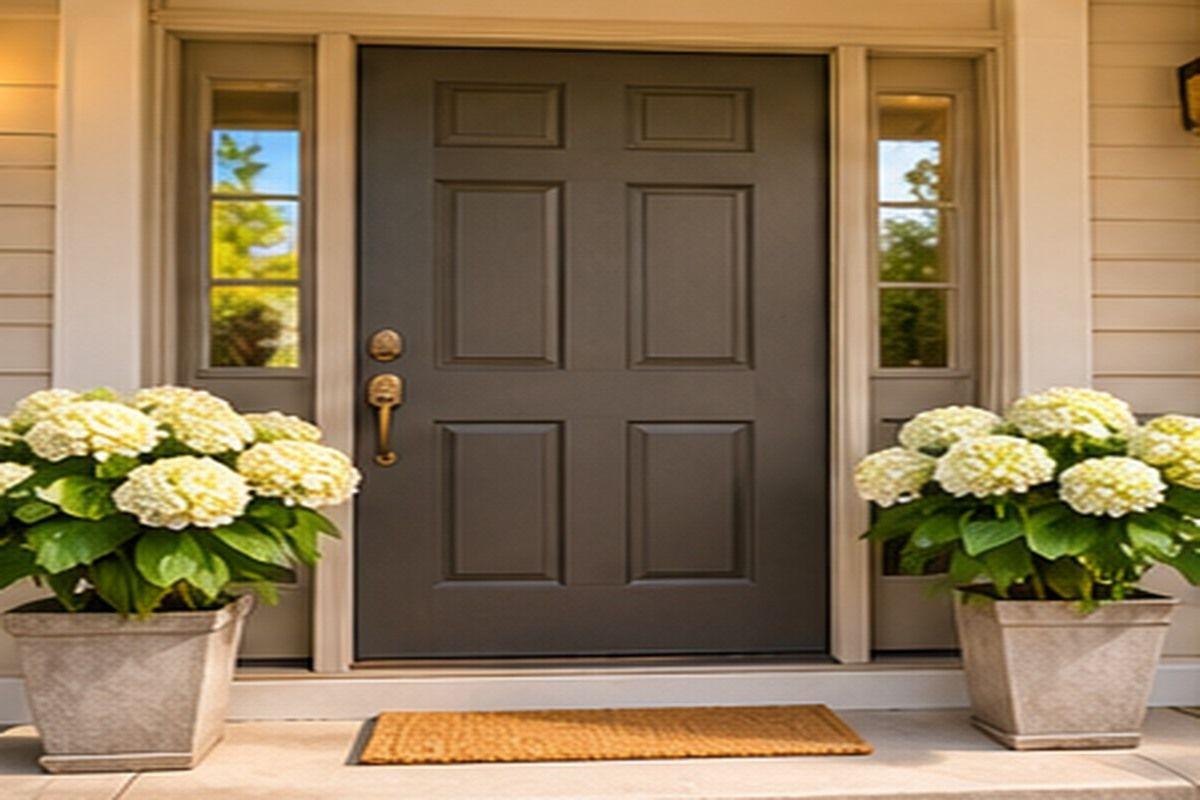
The exterior is the first part of the property visitors see. A tidy entry can create a positive first impression and make the home feel cared for.
Sweep the porch and walkway, remove cobwebs, clean the front door, and replace a worn doormat if necessary. Trim overgrown plants, remove weeds, and keep lawn edges neat. Move bins, hoses, and garden tools out of the main view.
If the front door has peeling paint, consider a suitable touch-up after preparing the surface. Make sure house numbers are visible, exterior lights work, and the entry path is safe and unobstructed.
Avoid expensive landscaping projects solely for an appraisal. Focus on maintenance and presentation that are appropriate for the neighborhood and the season.
8. Make the Kitchen and Bathrooms Feel Clean and Functional
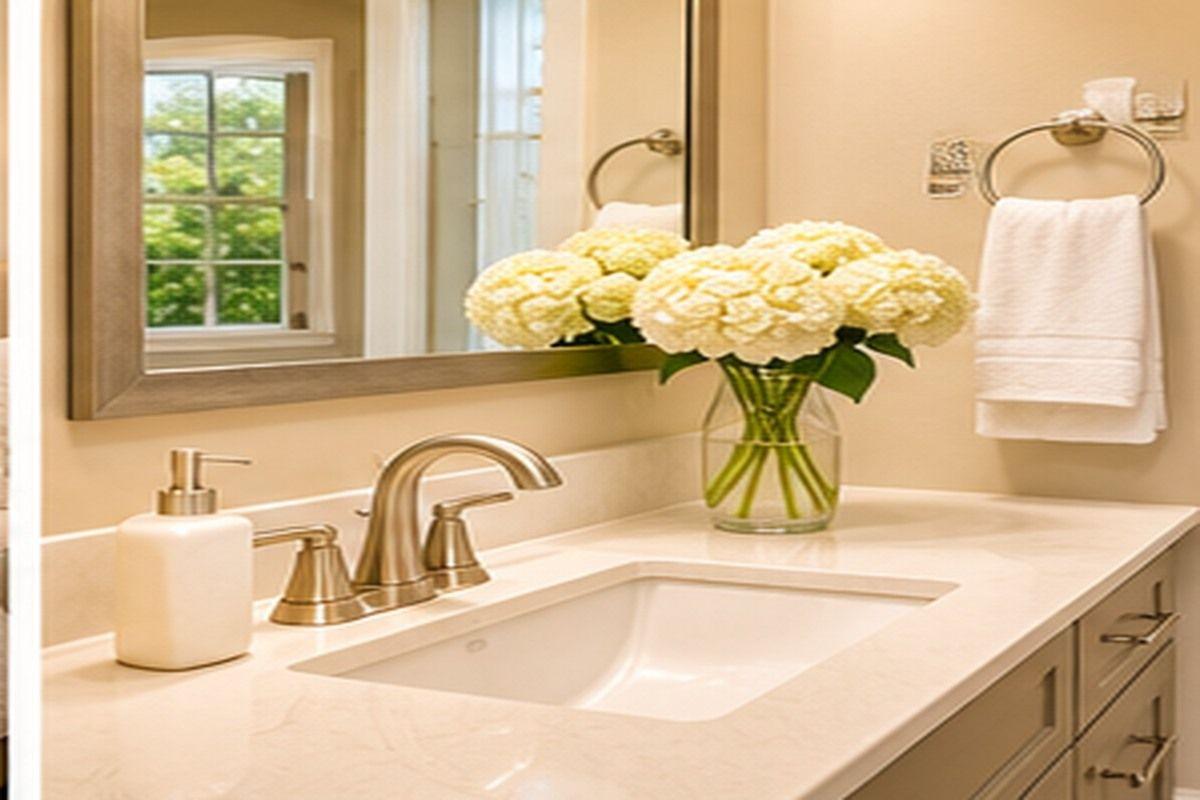
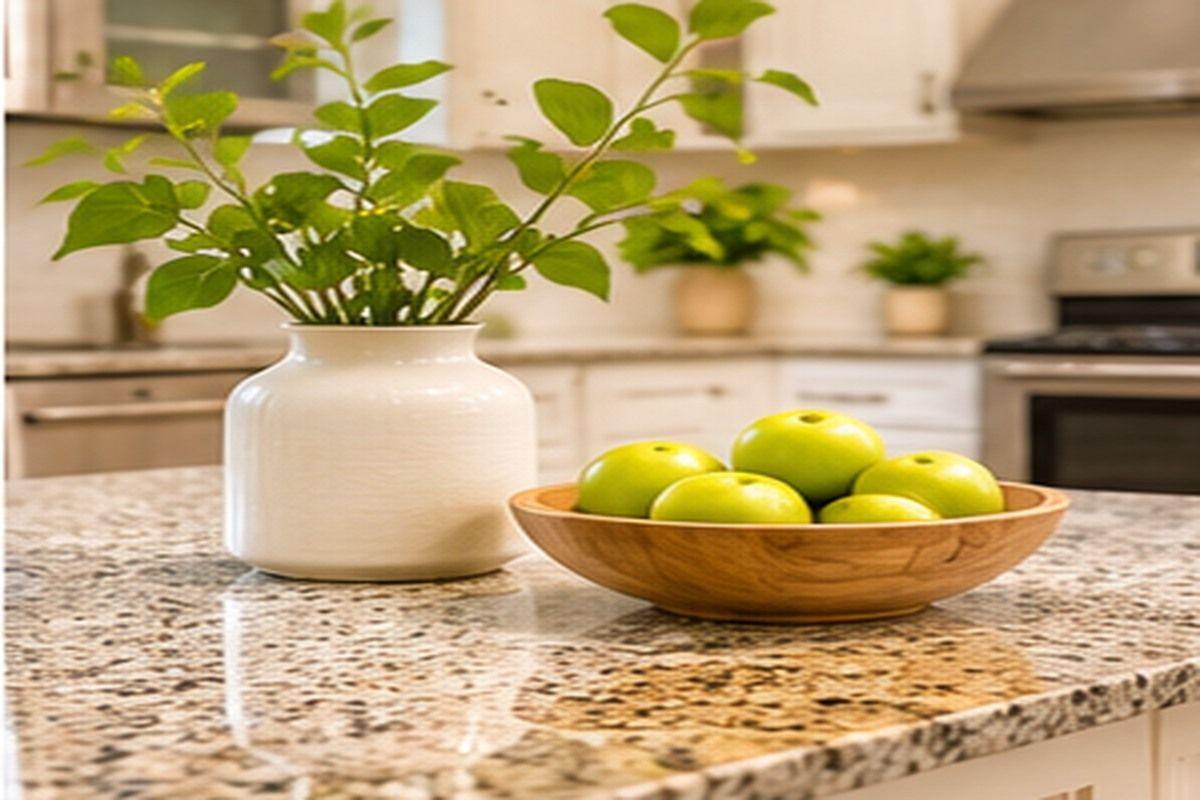
Kitchens and bathrooms are often scrutinized by buyers because they contain fixtures, plumbing, cabinetry, and finishes that can be costly to replace. A budget-conscious refresh should focus on cleanliness and visible maintenance rather than pretending an older room is newly renovated.
In the kitchen, clear most countertop appliances, clean the backsplash and cabinet fronts, polish the sink, and ensure cabinet doors and drawers open properly. A simple bowl of fresh fruit or a small plant can add a restrained accent.
In bathrooms, remove personal toiletries, clean mirrors and shower glass, wash bath mats, and hang fresh towels. Check that faucets do not drip, toilets flush correctly, and exhaust fans operate. Replace a broken toilet seat or damaged shower curtain if needed.
Do not spend heavily on new counters, appliances, or tile just to influence an appraisal. A cosmetic change may improve buyer appeal, but an appraiser will still consider the property's actual quality, condition, and market evidence.
9. Organize Closets, Laundry Areas, and Utility Spaces
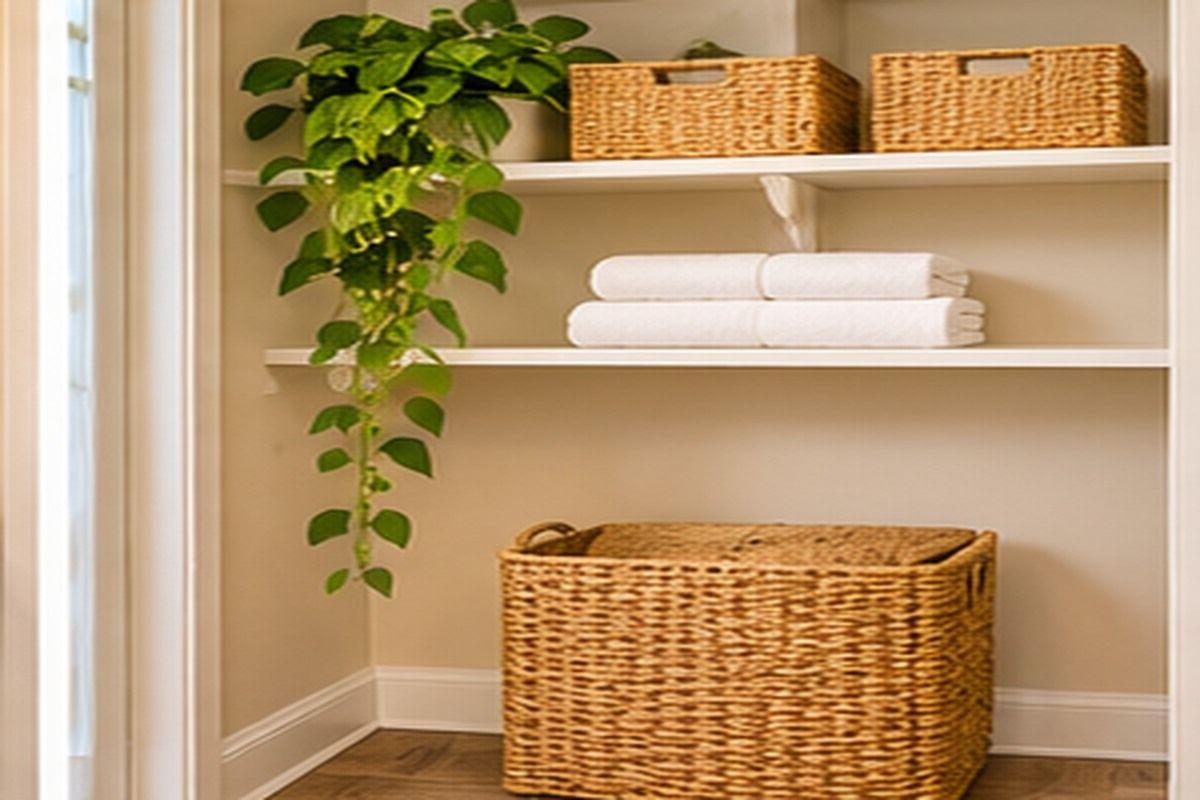
Storage and utility areas may not need decorative staging, but they should be accessible and orderly. Buyers and appraisers may need to view mechanical equipment, electrical panels, water heaters, laundry connections, and other functional areas.
Remove stored items that block access. Group cleaning products safely, coil hoses, clear the floor, and make sure the room is adequately lit. Keep the furnace, water heater, electrical panel, and plumbing shutoffs accessible.
Do not move or disconnect equipment, cover ventilation openings, or stack belongings against appliances. Follow manufacturer safety clearances and local requirements.
A tidy utility space helps visitors understand the home's systems and makes inspection easier. It also reduces the risk that an important feature will be overlooked because it is hidden behind stored belongings.
10. Prepare a Simple Home Improvements Folder
A folder of accurate records is one of the most useful low-cost preparations for an appraisal. It does not guarantee a higher value, but it can help answer questions about the property and support the appraiser's understanding of documented improvements.
Include, where available:
- Dates and descriptions of completed renovations.
- Contractor invoices and contact details.
- Building permits and final inspection records.
- Receipts for major appliances or systems.
- Roof, HVAC, plumbing, or electrical service records.
- Warranties and product information.
- Survey, floor plan, or other property documents, if relevant.
Do not exaggerate the scope or quality of work. Distinguish between a repair, a replacement, and a full renovation. If work was completed without permits where permits were required, do not imply that it was approved.
You can also prepare a short list of features that may not be obvious during a walkthrough, such as energy improvements, a recently serviced HVAC system, or concealed storage. Keep the information factual and let the appraiser make an independent judgment.
What Should You Avoid Spending Money On?
The purpose of inexpensive staging is to improve presentation without wasting money. Some projects are unlikely to be sensible immediately before an appraisal.
Luxury furniture rentals: Renting expensive furniture may improve listing photographs, but it does not change the home's permanent features or guarantee a higher appraised value.
Major renovations without market research: A costly kitchen or bathroom remodel may not be supported by comparable sales in the neighborhood. Get local advice before investing.
Trendy decorative finishes: Bold wallpaper, unusual paint colors, and highly personal decor can distract from the property. A simple, restrained presentation is usually safer.
Covering defects: Hiding cracks, stains, leaks, or damaged materials can create bigger problems and may undermine trust. Fix the underlying issue and retain records.
Artificially altering listing photographs: Virtual staging can help viewers understand an empty room, but images should not misrepresent the property's actual condition or features. Follow applicable listing rules and disclose material digital alterations.
A Low-Cost Staging Plan for the Week Before an Appraisal
A simple schedule can help you prepare without rushing or buying unnecessary items.
| Feature | Main task | |
|---|---|---|
| 7 days before | Walk through the property, list defects, gather improvement records | |
| 6 days before | Declutter living areas, bedrooms, closets, and storage | |
| 5 days before | Complete minor repairs or arrange qualified professionals | |
| 4 days before | Deep-clean kitchen, bathrooms, windows, and floors | |
| 3 days before | Rearrange furniture and improve room flow | |
| 2 days before | Refresh entry, yard, lighting, and simple accessories | |
| 1 day before | Clear access to utility equipment and inspect every room | |
| Appraisal day | Provide access, secure pets, and have records ready |
This schedule is flexible. If the home has a significant maintenance or safety issue, address that before decorative staging.
Frequently Asked Questions
Can home staging increase an appraisal value?
Staging can improve presentation and help buyers understand how a home functions, but it does not automatically increase appraised value. Appraisers develop an independent opinion based on relevant property characteristics, market evidence, and the assignment requirements.
What is the cheapest way to stage a home?
Start by decluttering, deep-cleaning, opening window coverings, rearranging existing furniture, and completing minor visible repairs. These steps can improve presentation without requiring professional staging or new furniture.
Which rooms should I stage first?
Prioritize the living room, primary bedroom, and kitchen. In NAR's 2025 Profile of Home Staging, buyers' agents most often identified the living room, primary bedroom, and kitchen as the most important spaces to stage.
Does painting increase appraisal value?
Fresh, well-executed paint can improve the property's condition and presentation, especially where existing paint is damaged or visibly worn. However, a new color alone does not guarantee a higher appraisal. Choose appropriate finishes and avoid painting over unresolved moisture or structural problems.
Should I buy new furniture before an appraisal?
Usually not. Rearranging existing furniture and removing excess pieces is often sufficient to show room layout and usable space. New furniture is a personal property purchase and should not be confused with a permanent home improvement.
Do appraisers look inside closets and utility rooms?
The scope of an appraisal inspection depends on the assignment and applicable requirements. Keep closets, utility areas, and mechanical equipment accessible and orderly so relevant features can be observed. Do not assume that a decorative presentation substitutes for an inspection.
Should I tell the appraiser about renovations?
Yes. Provide a concise, factual list of improvements and supporting records where available. Include dates, permits, invoices, and warranties for significant work. The appraiser decides how the information is relevant to the valuation.
Can virtual staging help an appraisal?
Virtual staging can help online viewers imagine how an empty room might be used, but it does not change the physical property. Any digitally altered images should be clearly identified and should not misrepresent permanent features or the property's actual condition.
Final Thoughts
Cheap home staging is most effective when it helps people see the home clearly. Clean rooms, open pathways, balanced furniture arrangements, working lights, fresh towels, tidy landscaping, and accessible storage can make a property feel more welcoming without a large budget.
For a higher appraisal, however, do not rely on decoration alone. Address maintenance issues, make the home's features accessible, and organize records for genuine improvements. An appraiser's opinion of value must be grounded in the property's characteristics and the market, not in styling tricks.
Spend first on cleanliness, safety, and repairs. Use accessories only where they help a room feel balanced. The objective is not to make the property look more expensive than it is. It is to present its actual condition and useful features as clearly as possible.
Sources
- National Association of REALTORS®: 2025 Profile of Home Staging. Checked November 7, 2026
- NAR: Report Reveals Home Staging Boosts Sale Prices and Reduces Time on Market. Checked November 7, 2026
- NAR: Consumer Guide to Staging Your House for a Sale. Checked November 7, 2026
- Fannie Mae: Appraisal & Property. Checked November 7, 2026
- Freddie Mac: Single-Family Seller/Servicer Guide. Checked November 7, 2026
Share this article
Get new guides by email
Practical home articles and free resources. No spam, and you can unsubscribe at any time.
Keep reading
Budget Kitchen Remodel Ideas: High-ROI Upgrades That Make a Noticeable Difference
Explore budget kitchen remodel ideas that improve appearance, function and resale appeal. Learn where to spend, where to save and which upgrades to skip.
November 2026, 12 min read
Best Living Room Paint Colors for Resale Value
Discover the best living room paint colors for resale value, including pale blue, sage green, warm white, greige and charcoal. Learn how to choose buyer-friendly shades.
November 2026, 13 min read
Easy DIY Home Projects With the Highest Return
Explore practical DIY home projects with strong everyday value, from fresh paint and curb appeal to lighting, weatherstripping, storage, and outdoor improvements.
November 2026, 8 min read