Build a DIY TV Frame: A Budget Samsung Frame-Inspired Look
Plan a decorative TV surround with accurate measurements, independent support, and model-specific ventilation and access requirements.
By Home Crane Editors. . 3 min read.
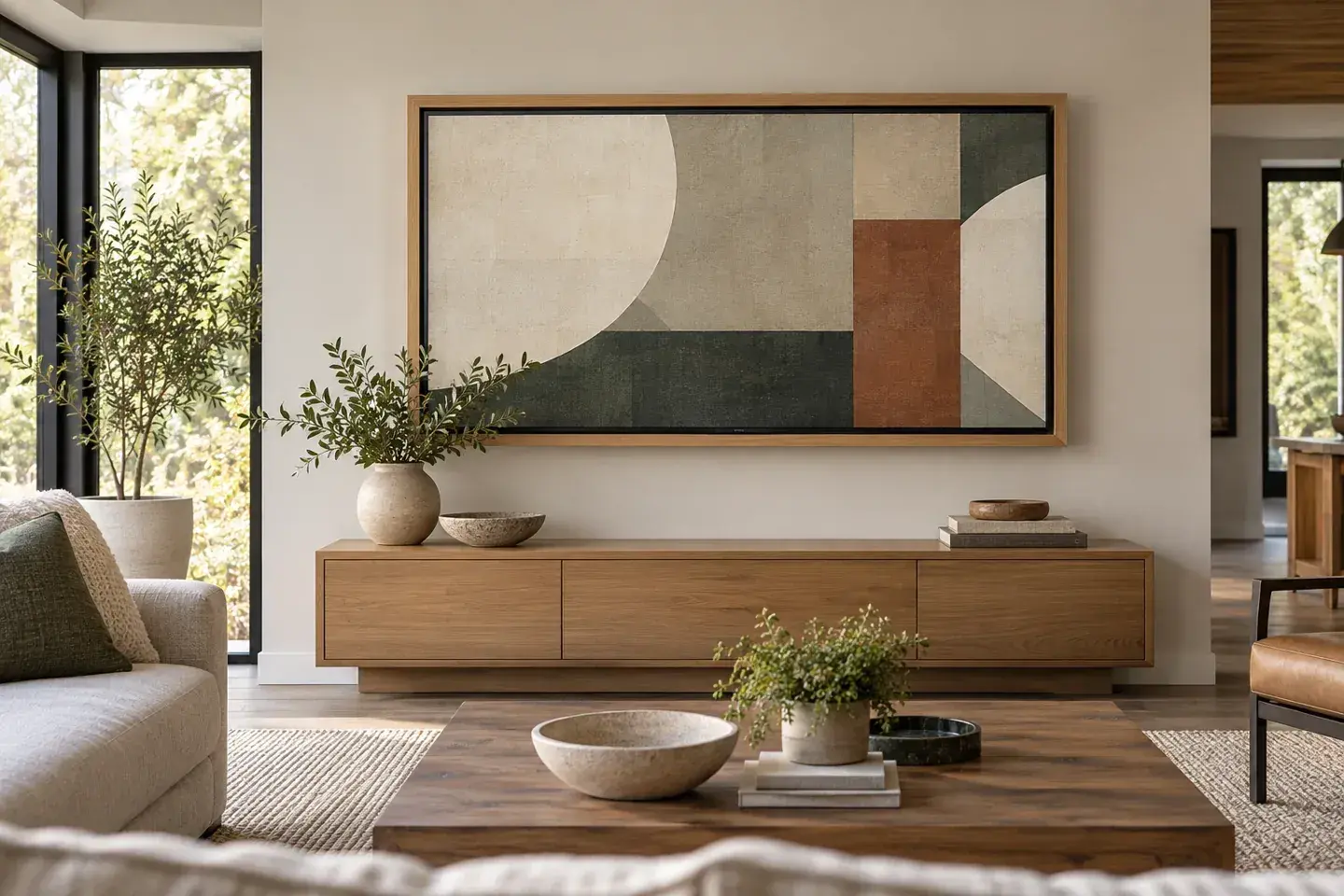
A wood surround can make a television feel more connected to the room's furniture. It can suggest the framed look people like about Samsung's The Frame, but it does not add that model's display technology, Art Mode, mounting system, or operating features.
The crucial decision comes before cutting trim: can your particular TV accommodate any decorative surround while meeting its installation instructions? A frame that covers vents, sensors, speakers, or the mounting release is a failed project, even if the front photograph looks beautiful.
Before you start
Find the exact model's installation manual, including clearance and ventilation requirements. Samsung's mounting guidance distinguishes between mounting systems and TV models. [1] Do not borrow a clearance from a different television or assume a narrow decorative gap is adequate.
Gather a tape measure, paper or cardboard for a mock-up, a square, the appropriate cutting tools, compatible wood joinery materials, finish, and a wall-mounting method suited to the finished surround. The TV stays on its approved mount; the decorative surround needs independent support.
1. Map the TV and its required clearances
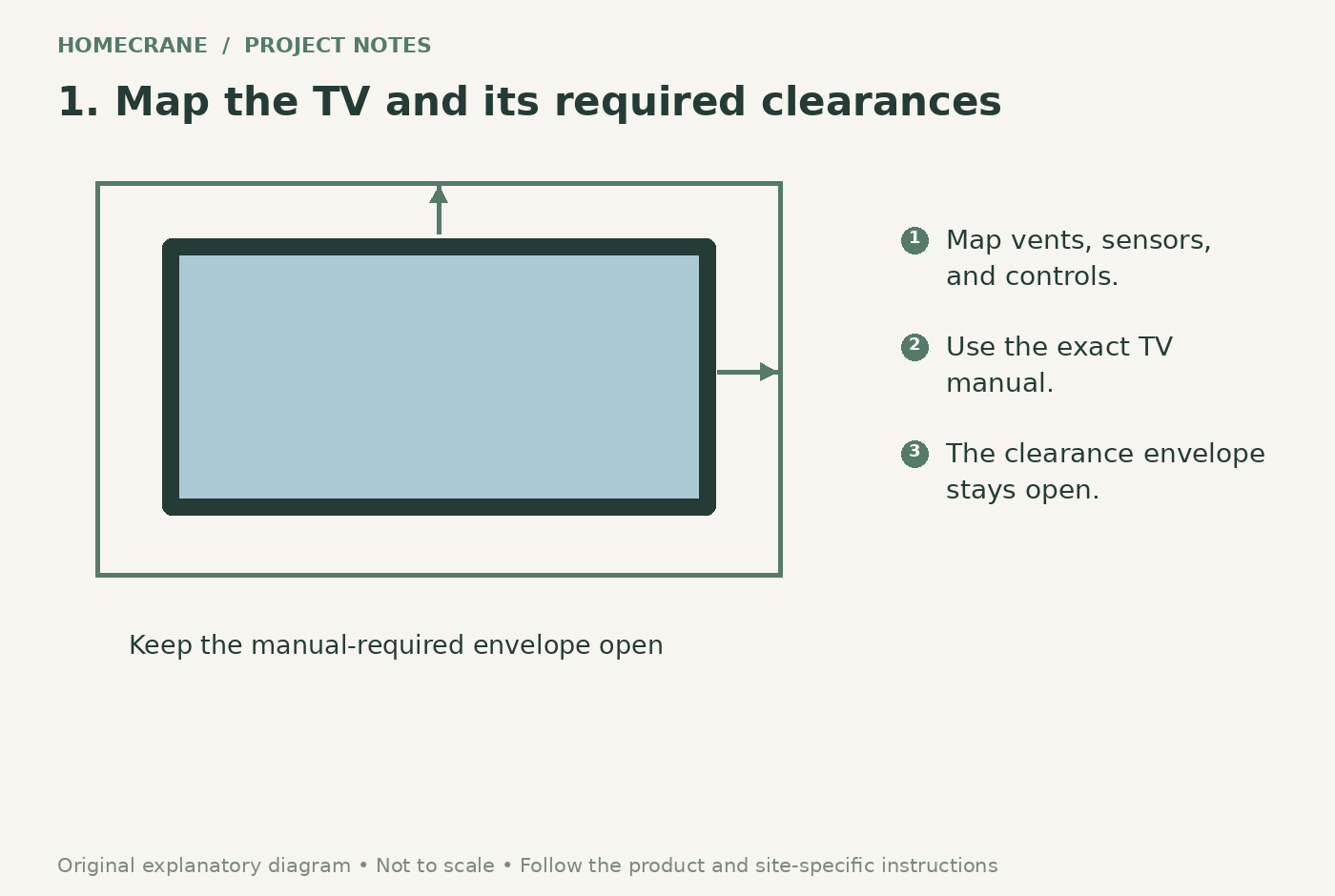
Measure the physical TV case, not the advertised diagonal screen size. Locate the vents, remote receiver, buttons, speakers, ports, cable exits, and mount-release mechanism. Note how the TV moves if it tilts or swivels.
Draw an exclusion zone around every feature and the clearance envelope specified by the manual. These spaces are not available for wood trim. If the required envelope makes a close frame impossible, choose a wider decorative wall border or abandon the surround. Cosmetic goals cannot redefine the equipment's installation requirements.
2. Make a full-size mock-up
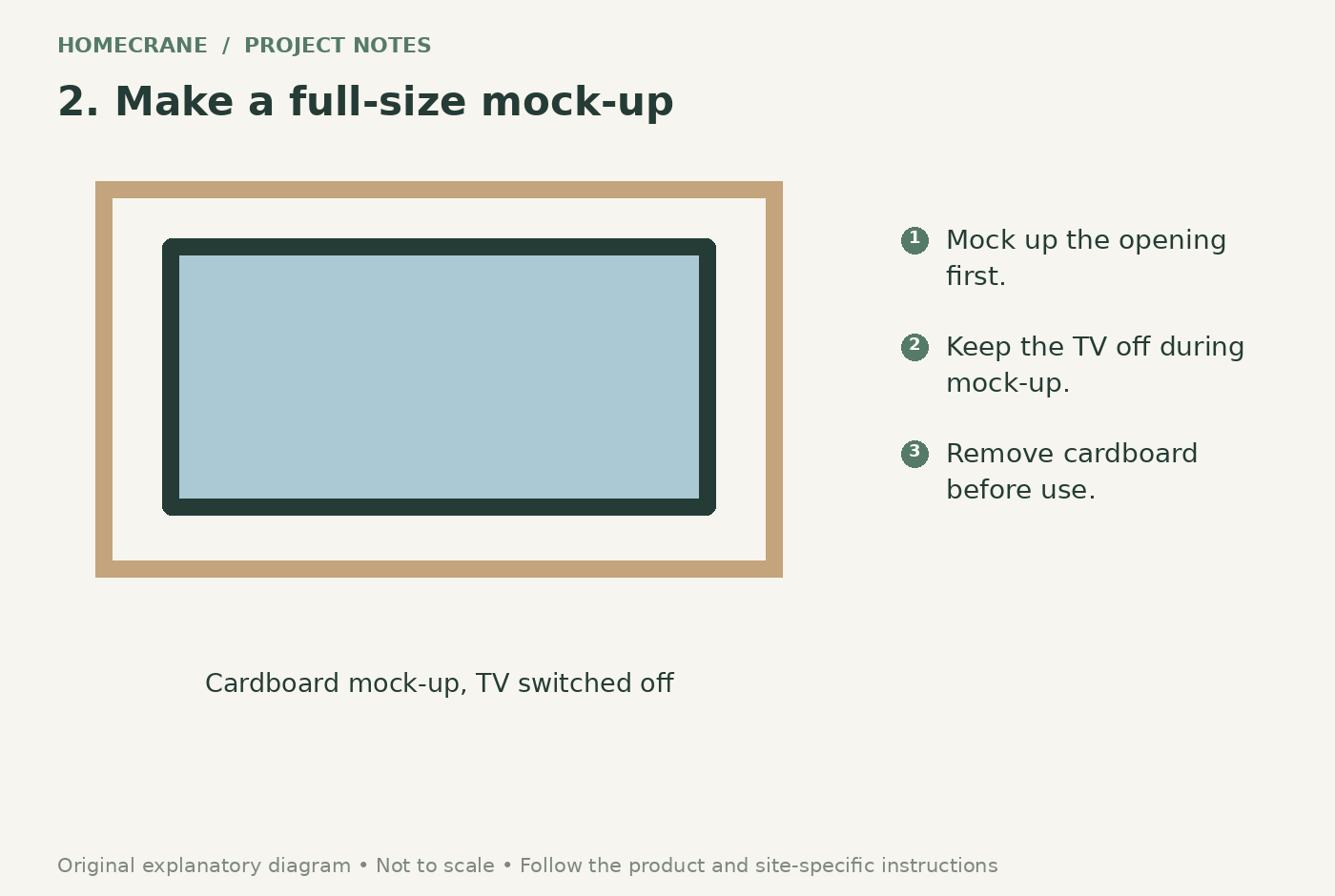
Use lightweight cardboard to visualize the proposed wall border with the TV off. Keep the mock-up clear of the equipment and remove it before operation. Check the view from the couch and from either end of the room; deep trim may obstruct an angled view.
Mark where the independent wall supports would sit and confirm they do not interfere with the TV mount. Plan a way to remove the surround without detaching the television. Include access for unplugging equipment and replacing cables. A neat result still needs to be serviceable.
3. Cut and assemble the wood frame
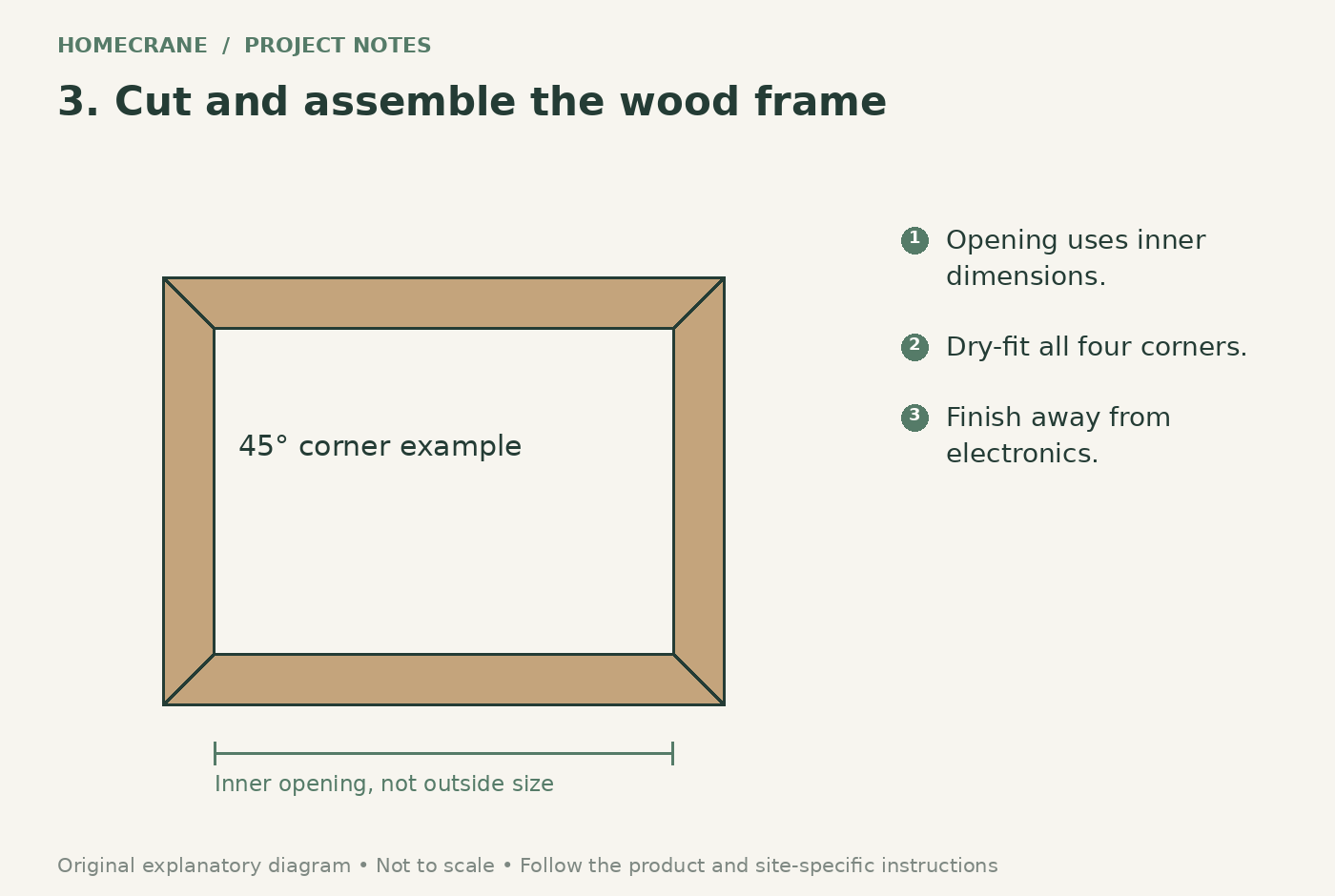
Select straight, manageable stock and make a small corner sample before cutting all four pieces. If using 45-degree miters, remember that the opening is measured at the inner edges, while the outside dimensions increase with trim width. Dry-fit around the mock-up, never against the screen.
Use joinery appropriate to the material and frame size, following a tested frame-making method. Large, thin frames can rack or separate at weak corners. Sand and finish the frame away from the electronics, then let the finish cure as specified.
4. Support the surround independently
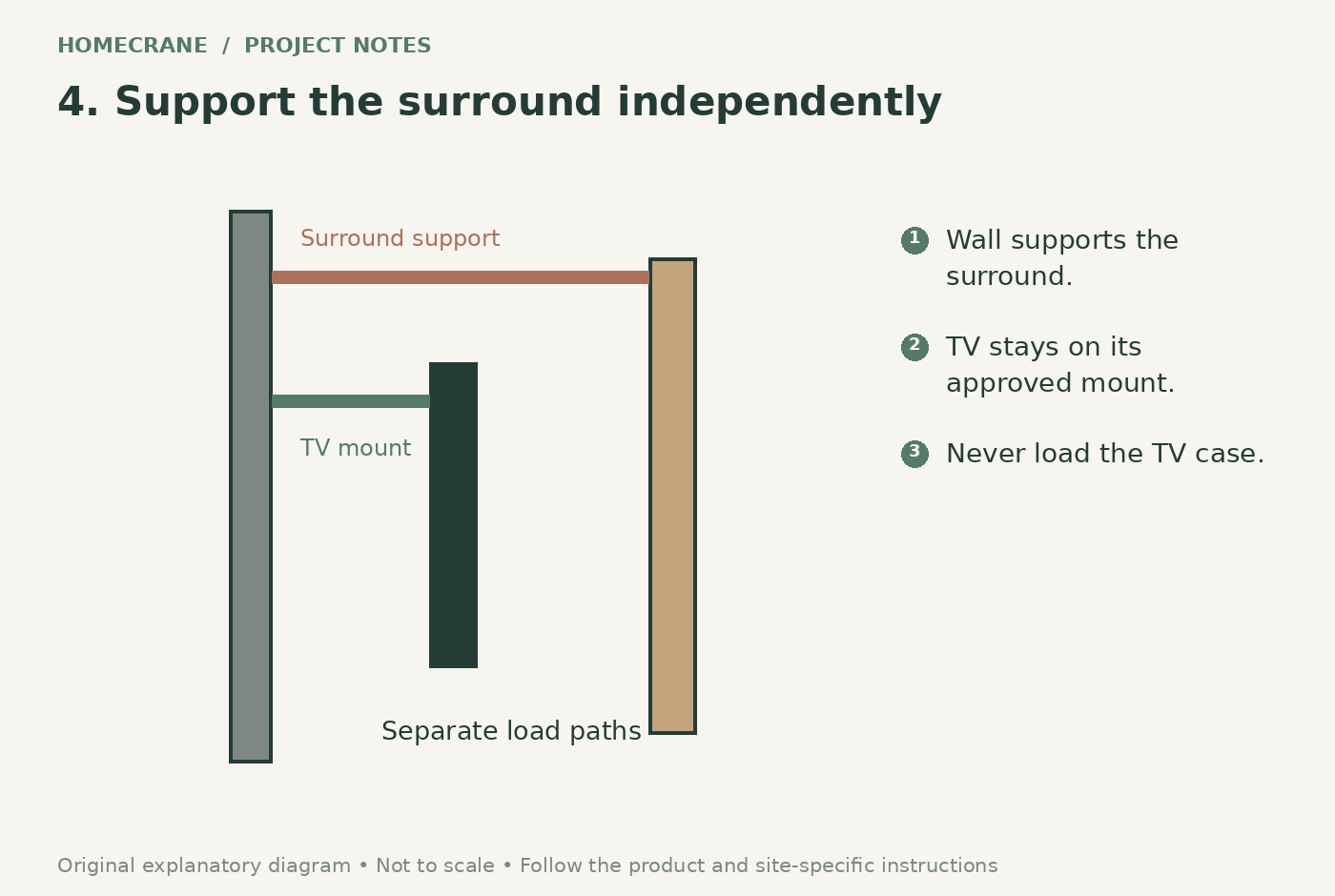
Install the chosen wall hardware according to its instructions and the wall construction. Check for concealed utilities before drilling. The decorative frame must not hang from the TV case, press on the panel, or share fasteners in a way that alters the TV mount.
Attach the surround and confirm it can be removed as planned. Keep a visible separation where the design and manual require it. If the wall or mounting arrangement cannot safely carry the surround, use professional help or switch to a lighter decorative treatment.
5. Check operation and keep access open
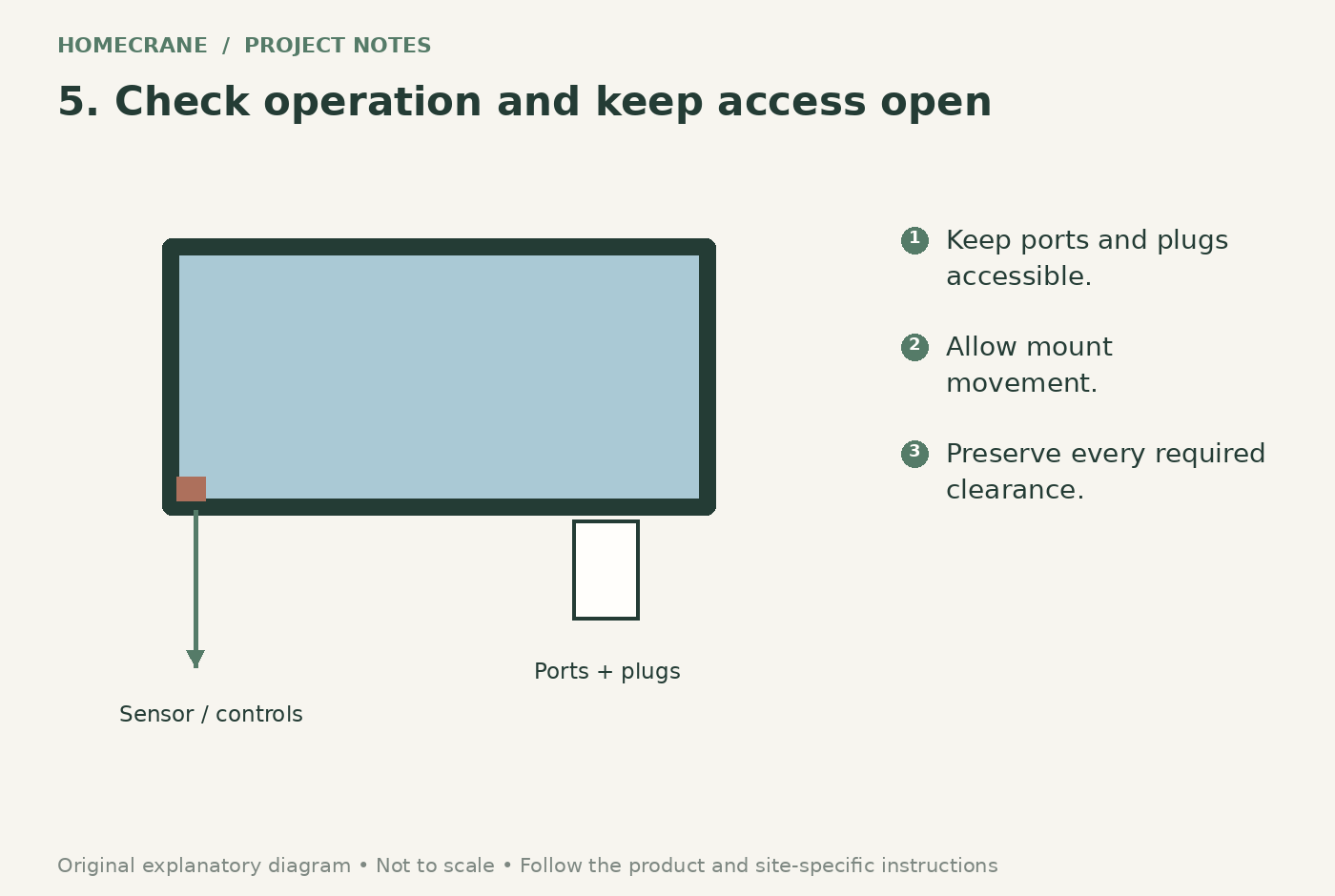
With the installation meeting the manual, check the remote, speakers, controls, and cable access. Confirm that any moving mount cannot collide with the surround. Do not interpret a brief successful test as proof that blocked ventilation is acceptable.
Use only the TV's supported image-display features and observe its guidance on static content and power use. Recheck the surround after moving the TV or changing cables. If there is any operating concern, remove the decorative addition and consult the manufacturer.
Common questions and next steps
Is it a true Samsung Frame dupe? Only visually, and even then the screen and mounting depth will differ. Treat it as room decor around an existing TV.
Can you glue trim to the television? This guide does not recommend attaching anything to the TV case or panel. Independent support preserves access and avoids relying on the electronics as furniture structure.
What is the cheapest alternative? A painted wall border or thoughtfully arranged artwork can visually integrate the TV without building a surround. Keep the same ventilation and access rules in mind.
Sources and further reading
Research reviewed October 12, 2026.
Sources
- Samsung US: considerations before wall-mounting a TV. Checked October 12, 2026
Share this article
Get new guides by email
Practical home articles and free resources. No spam, and you can unsubscribe at any time.
Keep reading
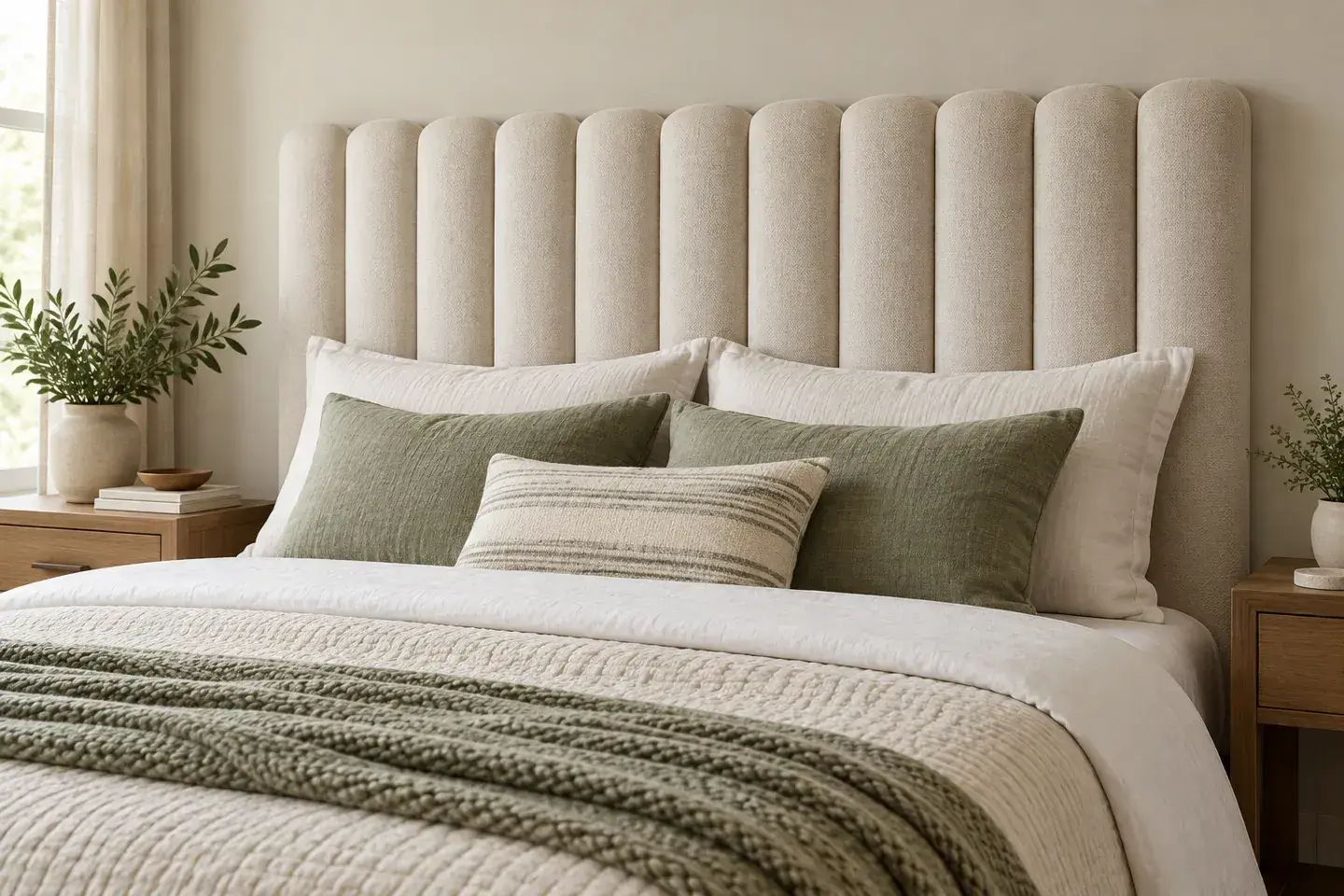
DIY Fluted Headboard Made Out of Pool Noodles
Plan a decorative fluted headboard using covered foam channels, a stable backer, careful material checks, and secure independent mounting.
October 2026, 3 min read
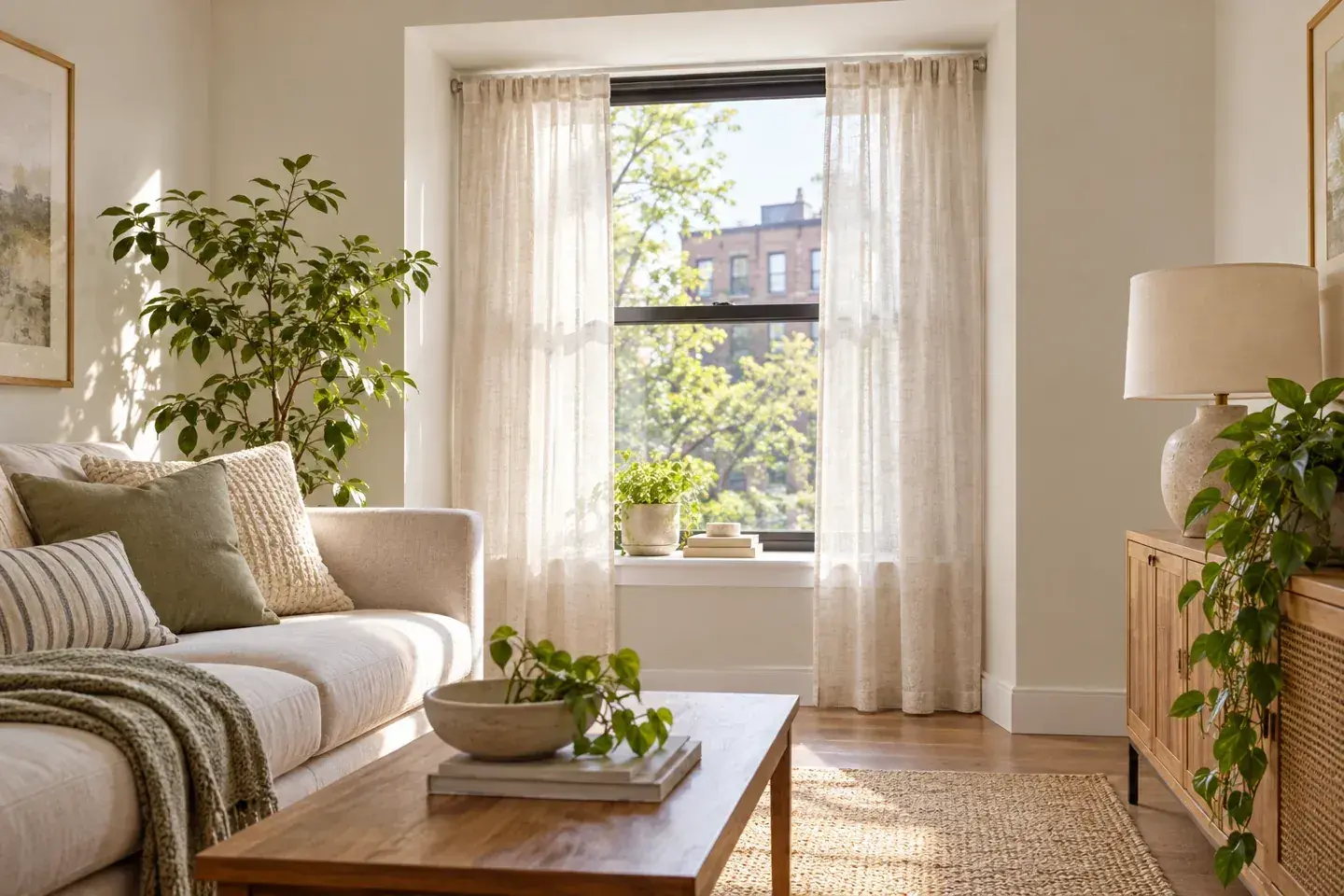
4 Renter-Friendly Ways to Hang Curtains Without Drilling
Compare tension rods, adhesive curtain hooks, magnetic rods, and floor-to-ceiling systems for curtains in a rental without drilling.
October 2026, 3 min read
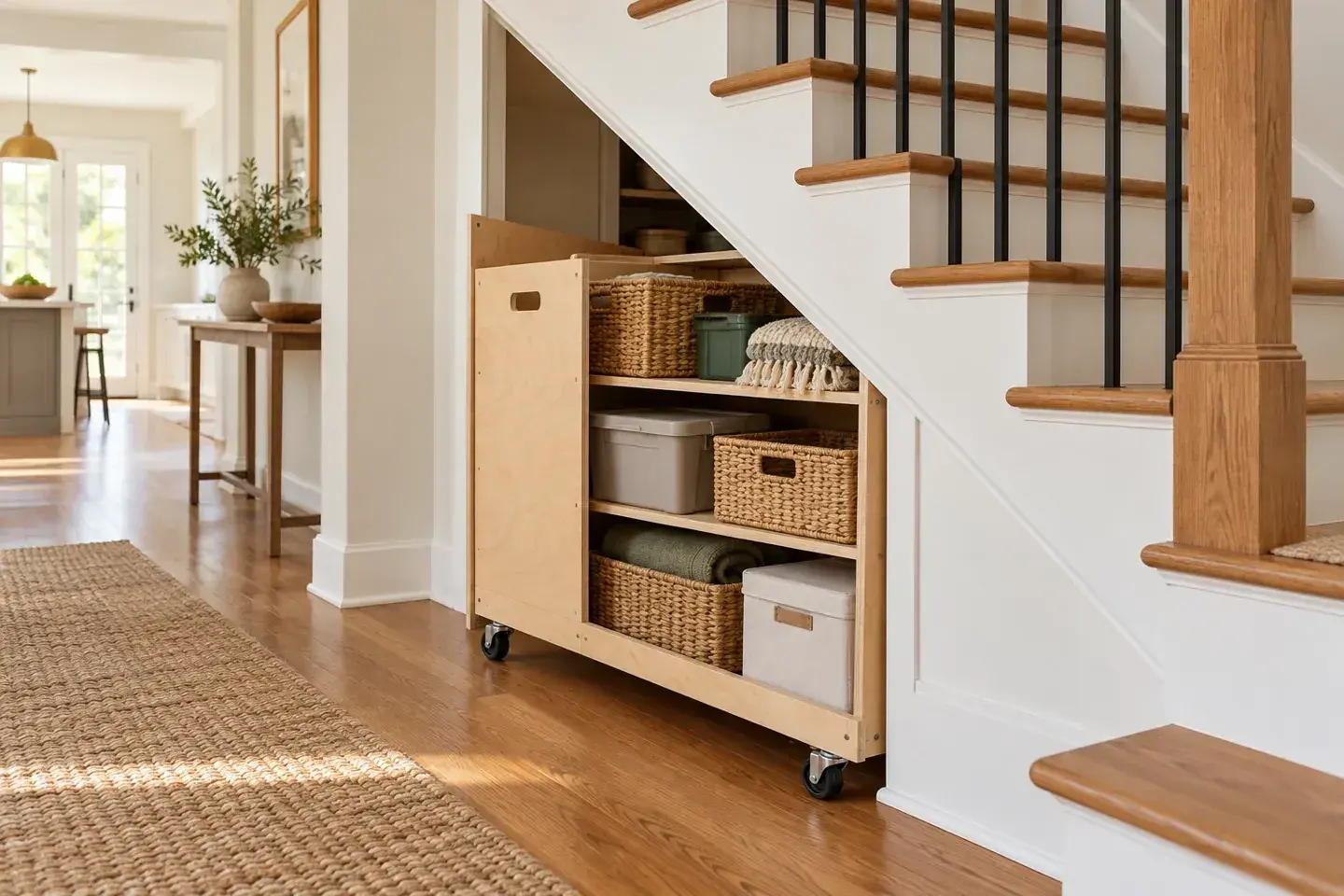
Genius Under-Stairs Pull-Out Storage Ideas You Can DIY
Explore five under-stairs storage approaches with practical guidance on access, drawer hardware, stability, and existing openings.
October 2026, 3 min read