Genius Under-Stairs Pull-Out Storage Ideas You Can DIY
Explore five under-stairs storage approaches with practical guidance on access, drawer hardware, stability, and existing openings.
By Home Crane Editors. . 3 min read.
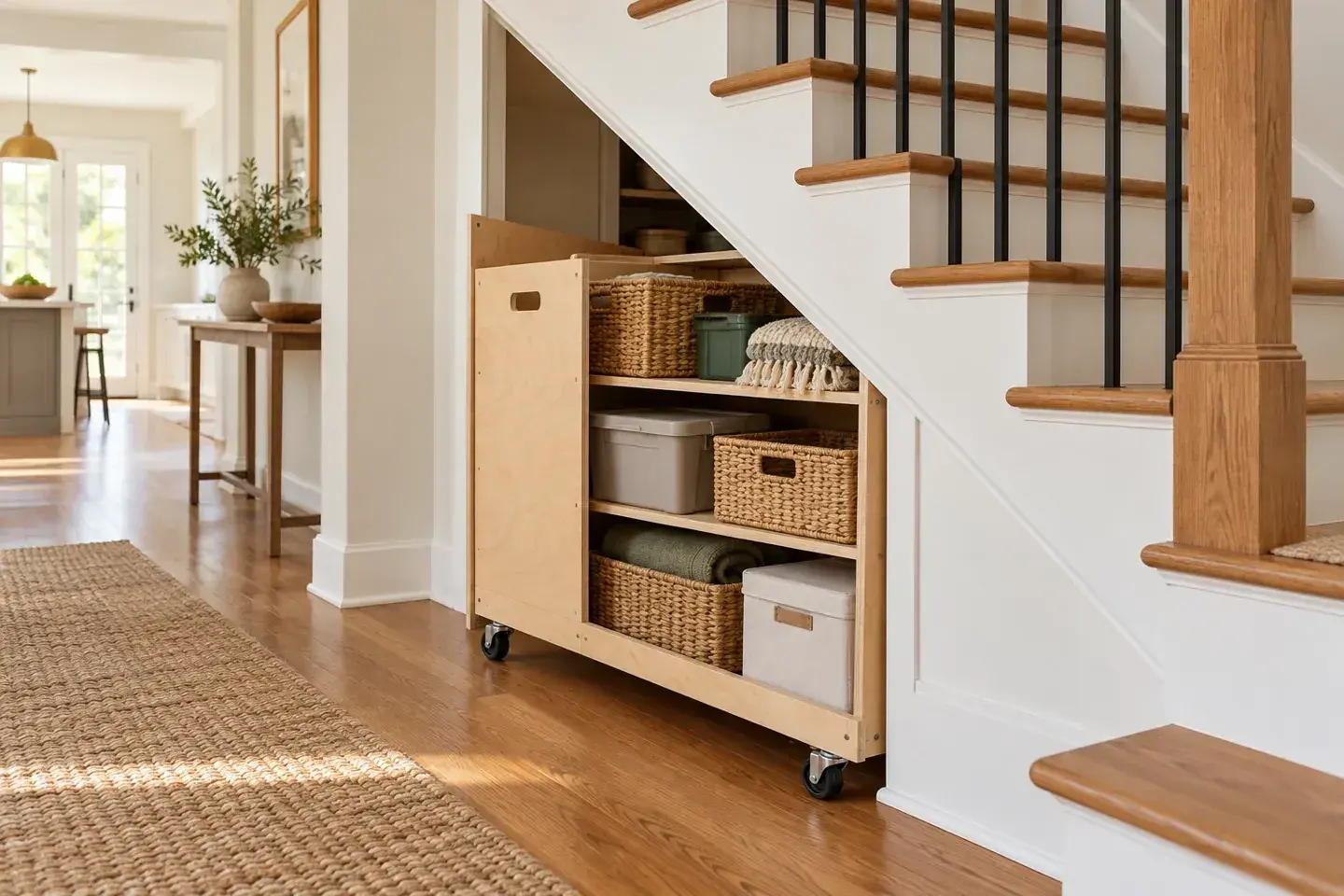
The space under a staircase can hold much more than a pile of things that disappear into the back. Pull-out storage brings those items into reach, but it works best when the project begins with an existing, suitable opening.
These five ideas do not authorize cutting stair stringers, removing structural members, or opening protected wall or stair enclosures. Have those questions assessed locally before changing the building. The DIY opportunity is the storage module, not an improvised alteration to the staircase.
Before you start
Measure the opening at several heights, the usable depth, the floor slope, and the clear space in front. Identify required access to utilities and equipment; storage cannot block it. Draw the full extension of each proposed module on the floor.
Choose the movement system before finalizing the box. Drawer slides require exact clearances and mounting conditions. Blum's instruction portal directs users to instructions for the particular runner system. [1] A generic half-inch allowance or a remembered load rating is not a substitute for the selected hardware documentation.
1. Use a low rolling bin for the shallow end
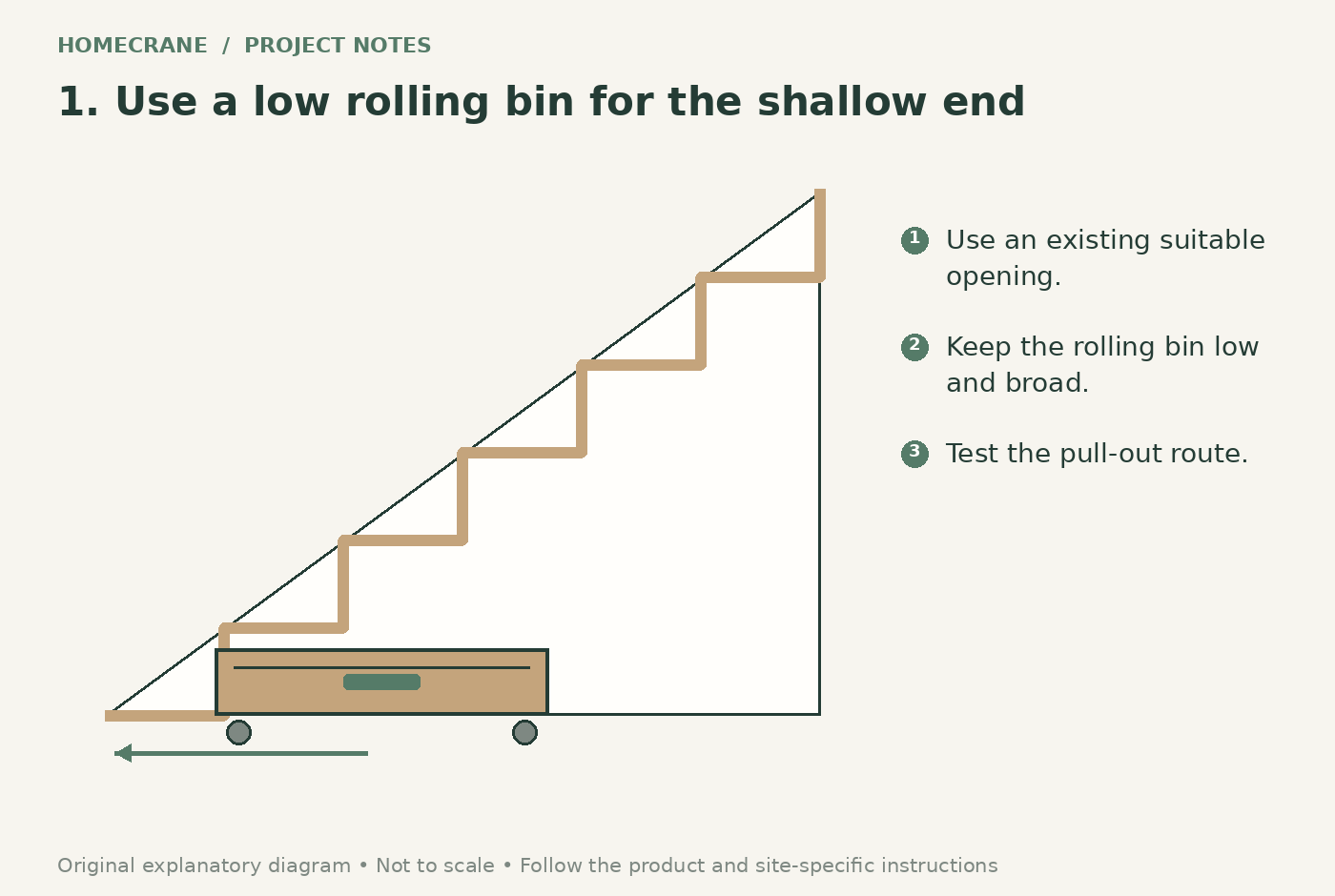
The shortest part of an existing under-stair opening suits a shallow bin for soft, lightweight items. A broad, low box is easier to keep stable than a tall narrow cart. Choose casters suitable for the floor and total loaded weight, and follow their installation requirements.
Make a cardboard footprint before building. Confirm the bin can roll out without catching trim or crossing a threshold. Add a smooth handhold and keep the top open or easily accessible. Do not use the bin as a step, and avoid loading it so heavily that it becomes difficult to control.
2. Fit shoe trays inside a fixed cabinet carcass
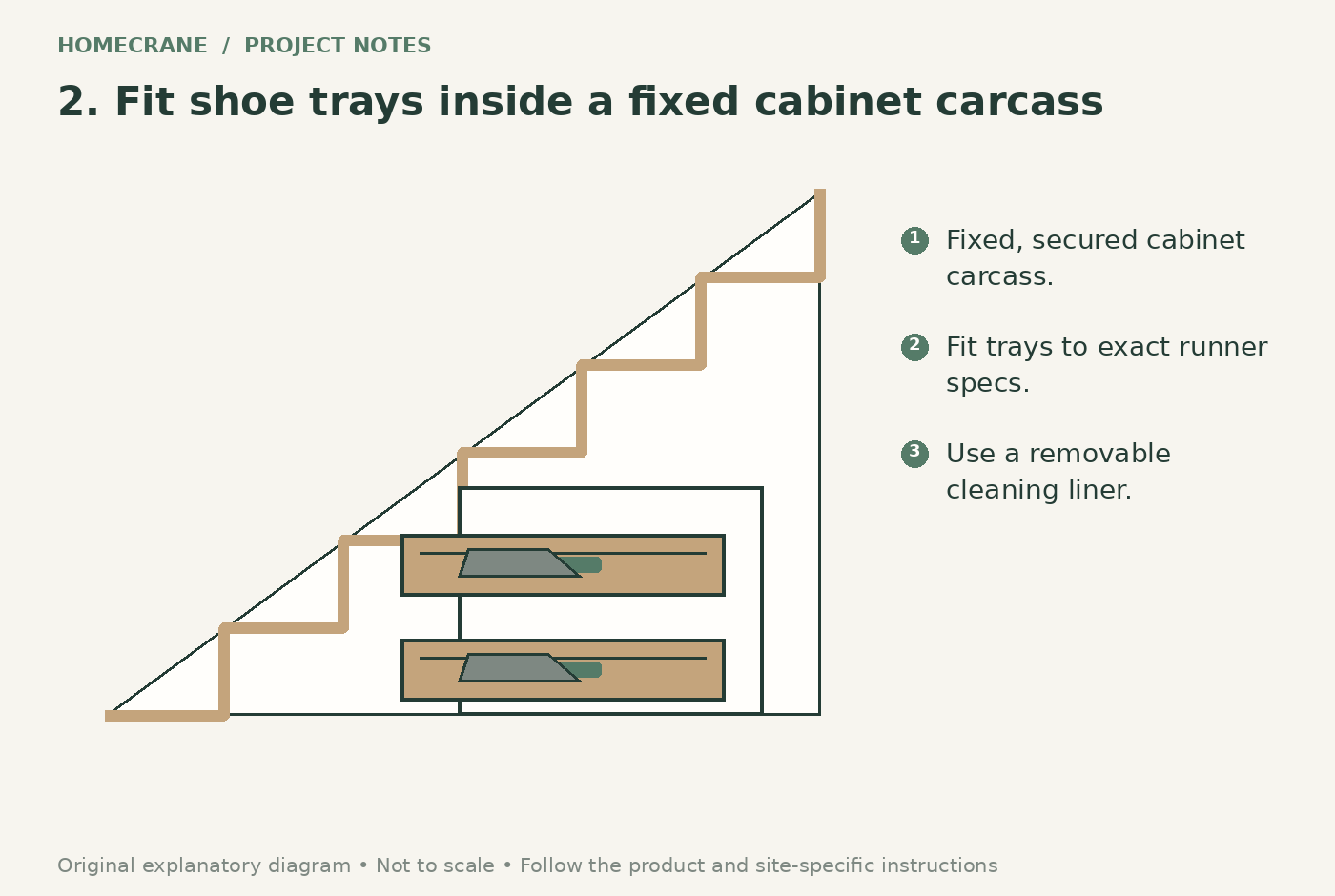
Shallow pull-out trays help separate everyday footwear from the deeper storage area. Build the cabinet and trays to a tested cabinetry plan, then use the exact runner instructions for width, setback, fasteners, and adjustment.
Allow enough height for the shoes you actually own, including boots if relevant. Protect the tray surface with a removable, cleanable liner and let wet shoes dry before enclosing them. Secure the carcass as required to prevent tipping when a tray is extended. The stair structure is not a convenient substitute for a properly designed cabinet attachment.
3. Create a removable basket cart
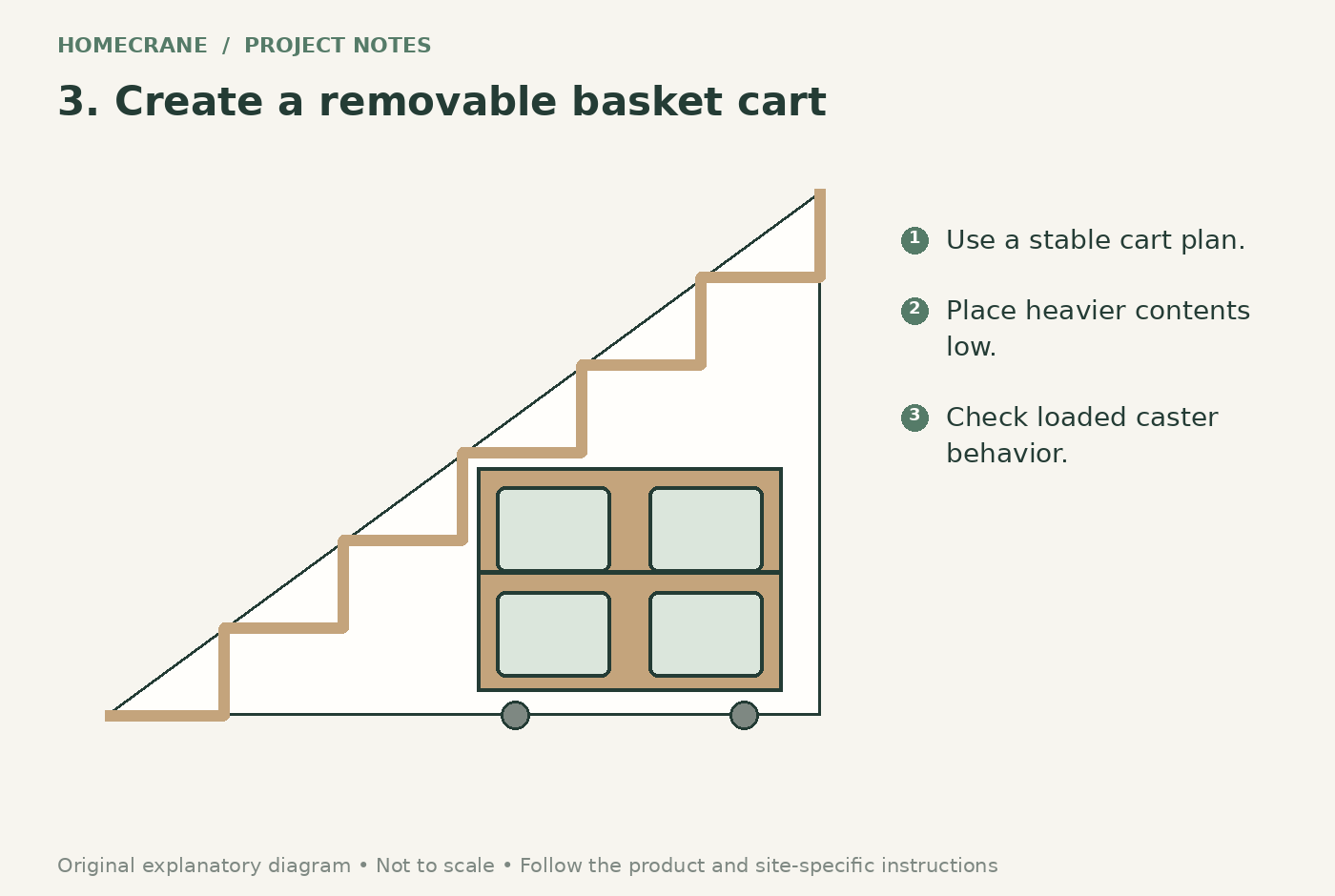
A low shelving cart with a few baskets gives flexible storage without committing every item to a fitted drawer. Repeat basket sizes so the arrangement is easy to reorganize, and keep heavier contents low.
Use a stable furniture plan and suitable casters, with brakes where the design calls for them. Check the loaded cart's behavior on the actual floor. If it wobbles or tips when pulled, correct the design rather than adding more storage. Leave enough side clearance to grip and guide it without pinching fingers against the opening.
4. Use full-extension drawers for deeper everyday storage
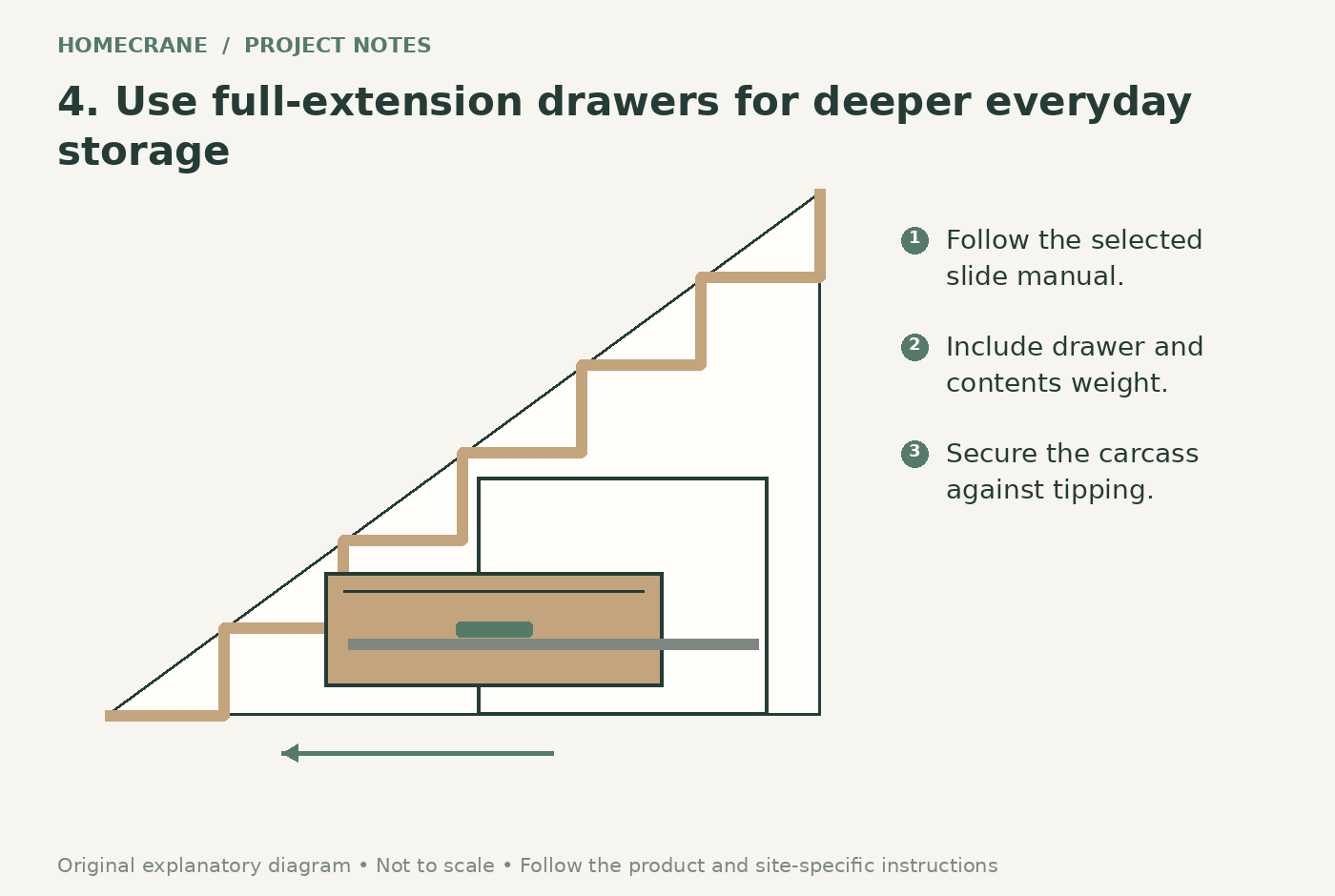
A fixed cabinet with compatible full-extension slides can make the rear of a deep opening accessible. This is a more demanding project because a small error in squareness or hardware spacing can create persistent binding.
Select slides for the drawer dimensions, contents, mounting orientation, and expected load. Include the drawer's own weight when interpreting the manufacturer's rating. Install the cabinet's required anti-tip restraint and open one drawer at a time. If the opening cannot accommodate the specified hardware geometry, choose another storage format instead of modifying the slides.
5. Reserve one removable module for occasional-use items
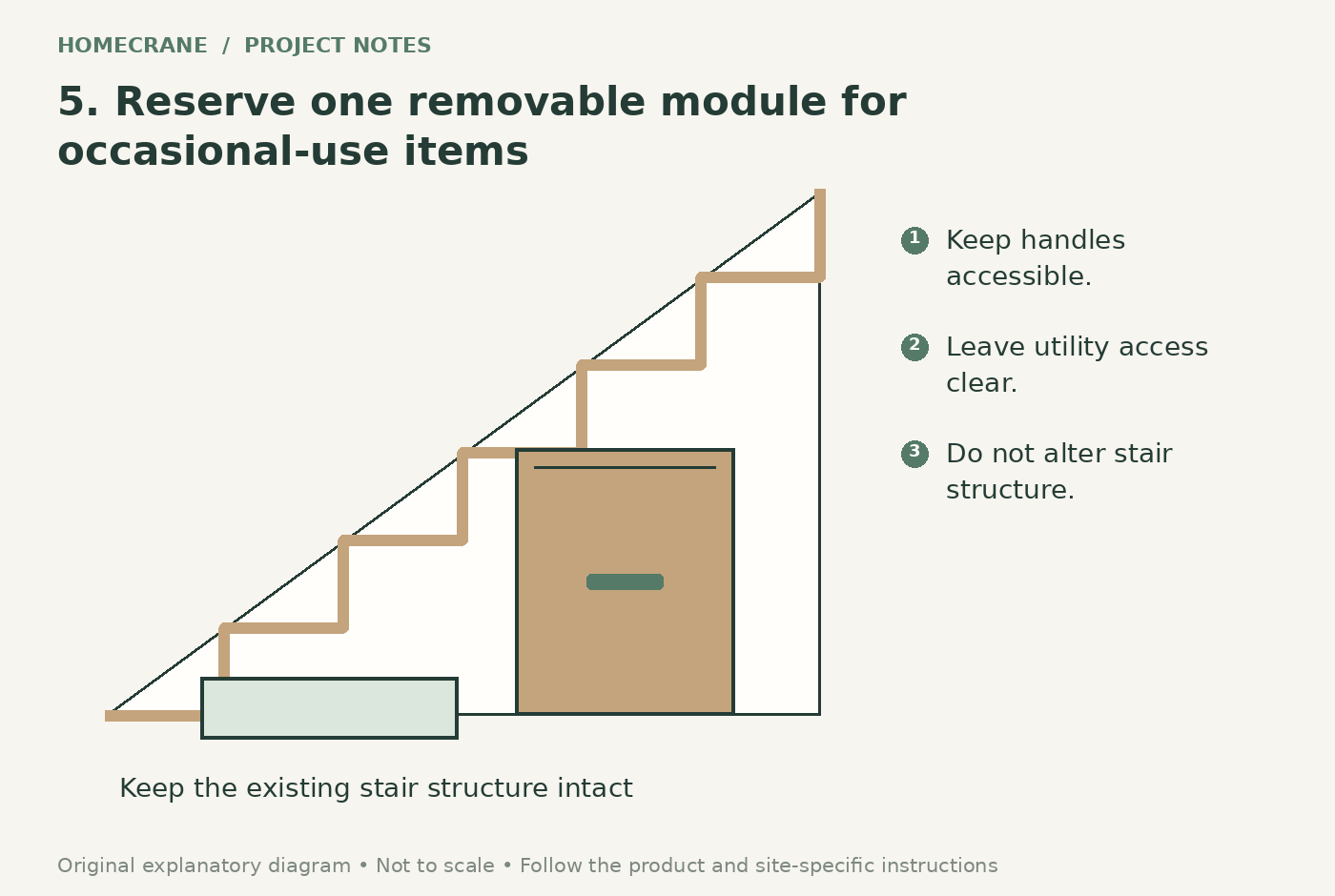
Seasonal linens or lightweight decor can live in a simpler removable box at the deeper end. A fitted-looking front can make the opening tidy without pretending the box is a precision drawer.
Label the contents and leave room to lift or pull the module using its intended handles. Do not store items around equipment that requires ventilation or service access. A completely packed opening is not automatically efficient: leave enough room to retrieve the module without unloading the hallway or scraping the surrounding trim.
Common questions and next steps
Which option is easiest? A low removable bin in an existing clear opening usually requires fewer precise hardware decisions than a tall fitted pull-out cabinet.
Can you cut into the stair wall yourself? The wall may have structural or fire-protection functions and can conceal utilities. Get the opening assessed before demolition.
What prevents a frustrating build? Choose hardware first, measure the real opening, and test a full-size footprint. Finish materials after confirming that the storage moves and remains stable as intended.
Sources and further reading
Research reviewed October 12, 2026.
Sources
- Blum US: installation instructions for runner systems. Checked October 12, 2026
Share this article
Get new guides by email
Practical home articles and free resources. No spam, and you can unsubscribe at any time.
Keep reading
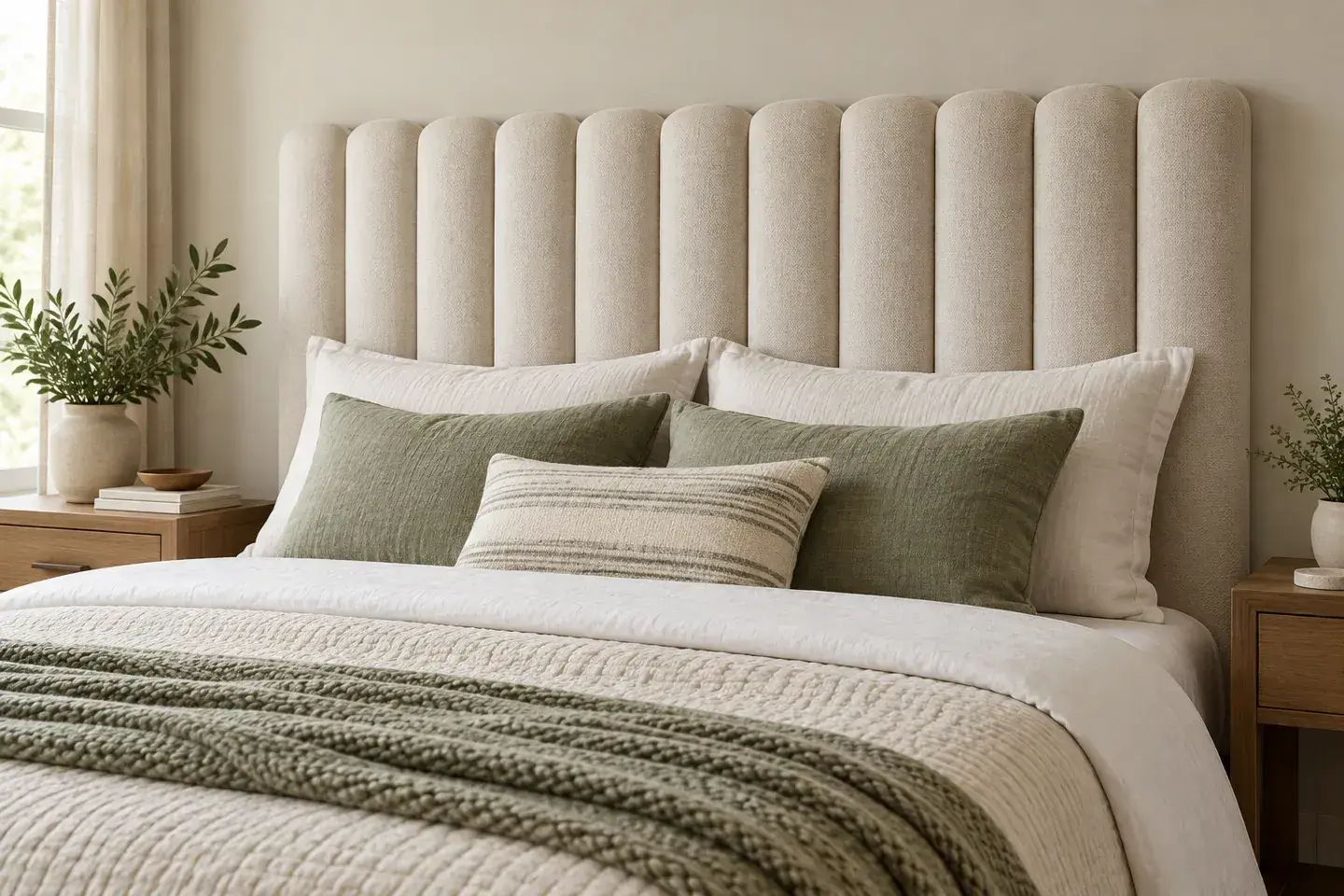
DIY Fluted Headboard Made Out of Pool Noodles
Plan a decorative fluted headboard using covered foam channels, a stable backer, careful material checks, and secure independent mounting.
October 2026, 3 min read

4 Renter-Friendly Ways to Hang Curtains Without Drilling
Compare tension rods, adhesive curtain hooks, magnetic rods, and floor-to-ceiling systems for curtains in a rental without drilling.
October 2026, 3 min read

How to Create a Stunning DIY Indoor Plant Wall
Build a manageable indoor plant wall with removable pots, suitable light, secure shelves, and a watering routine that protects the wall.
October 2026, 3 min read