Home Energy Audit: What It Finds and How to Start
A home energy audit shows where your house wastes energy and which fixes to do first. Here is what a DIY walk-through covers, what a professional adds, and how to choose one.
By Home Crane Editors. . 4 min read.
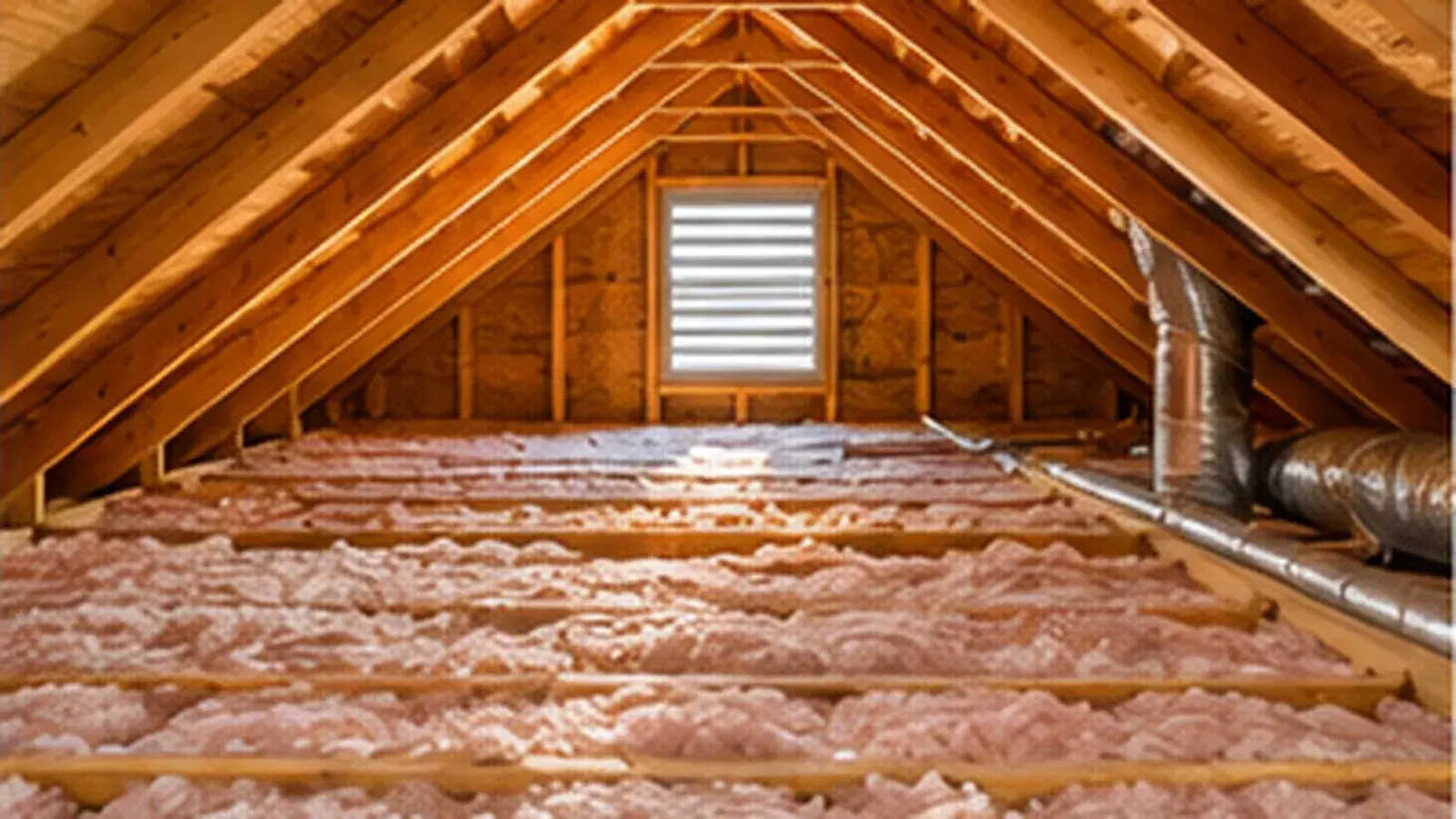
Conceptual illustration. An attic is one of the first places to check during a walk-through.
A home energy audit, also called an energy assessment, is a structured look at where your house loses energy and which fixes deserve attention first. The U.S. Department of Energy says an assessment should be your first step before energy-saving improvements or adding a renewable energy system. You can begin with a DIY walk-through in an afternoon, then bring in a certified professional if you want measurements instead of educated guesses.
What an audit tells you that a repair quote does not
Most homeowners start with a product: new windows, more insulation, a new furnace. An audit works the other way around. According to the Department of Energy, it helps you work out how much energy the home uses, where it is inefficient, and which problems to prioritize.
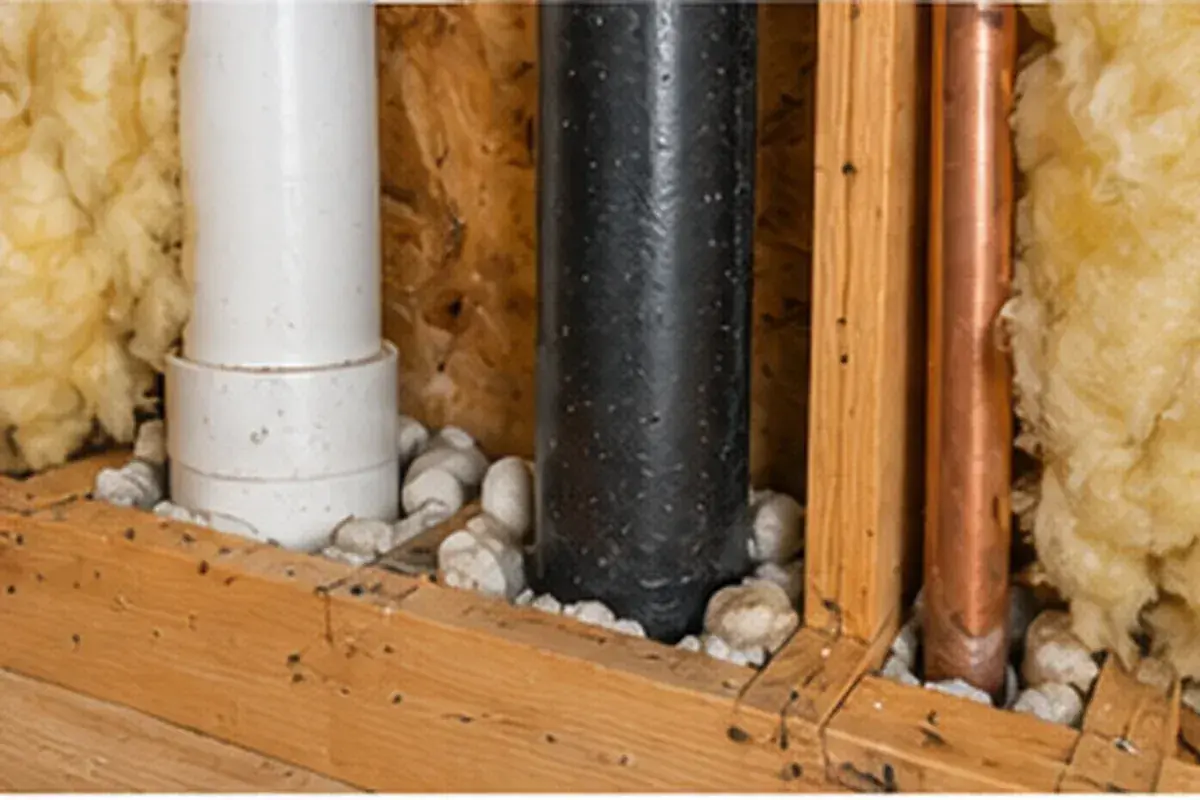
Prioritizing matters because the biggest leaks are often not where people look. The Department of Energy's home energy checklist says the worst culprits are usually not windows and doors. It points to gaps where pipes pass through walls and floors, spaces around chimneys, recessed lights in insulated ceilings, and unfinished spaces behind cupboards and closets.
Start with a DIY walk-through
A self-guided check will not replace a professional visit, but the Department of Energy notes that a diligent self-assessment can pinpoint problem areas and help you rank upgrades. A practical order:
- Pull out your energy bills. Twelve months of them show your baseline, which is what you will compare against after any fix. Assessors also ask for a summary of yearly bills, so having them ready helps either way.
- Hunt for drafts. The Department of Energy lists gaps along baseboards and floor edges, where walls meet ceilings, and around windows, doors, light fixtures, plumbing fixtures, switches and outlets. Also check open fireplace dampers and, outside, spots where two different building materials meet.
- Try the paper test. The Department of Energy's consumer guide suggests closing a door or window on a strip of paper. If the paper slides out without tearing, air is getting through.
- Look at ducts. Dirt streaks near duct seams point to leaks, which the Department of Energy says should be sealed with duct mastic. It also recommends insulating ducts and pipes that run through unheated spaces, with R-6 as the recommended minimum for ductwork.
- Count your bulbs. Lighting accounts for about 10 percent of an electric bill, according to the same guidance, so swapping old bulbs for ENERGY STAR LEDs is a low-effort win.
The same guidance says that reducing drafts may save 10 to 20 percent per year, and that the home is generally more comfortable afterward. Treat that as a range for typical cases. Your result depends on how leaky the house is to begin with.
What a professional audit adds
A professional assessment is equipment-based. The Department of Energy says assessors may use blower doors, infrared cameras, gas leak and carbon monoxide detectors, moisture meters and non-toxic smoke pens, and that they analyze how your home's systems work together and compare that with your utility bills.
The blower door is the tool most homeowners have never seen. It measures how quickly air moves between the inside and outside of the house, which turns "feels drafty" into a number. Not every audit goes that deep. The Department of Energy's Energy Saver Guide notes that some audits take about an hour, need no specialized equipment and cost relatively little, while a more detailed assessment adds diagnostic tests such as air leakage tests and infrared scans.
| Feature | DIY walk-through | Professional audit |
|---|---|---|
| What it finds | Obvious drafts, visible insulation gaps, dirty or leaky ducts | Hidden leaks, insulation gaps behind walls, equipment problems, moisture |
| Tools | Your eyes, a flashlight, paper, notes | Blower door, infrared camera, gas and CO detectors, moisture meter |
| Output | Your own priority list | Prioritized recommendations, sometimes a Home Energy Score report |
| Best when | You want a free first pass | You plan a major upgrade or cannot find the source of a problem |
How to choose an assessor
The Department of Energy's page on professional audits suggests several places to find one: your state or local weatherization or energy office, your utility, or the Home Energy Score program. It names accepted certifications, including ASHRAE's Building Energy Assessment Professional, the Association of Energy Engineers' Certified Energy Auditor, the Building Performance Institute's energy auditor credential and the Residential Energy Services Network's Home Energy Rater.
- Ask which tools they will use, and whether that includes a blower door test and a thermographic (infrared) inspection.
- Ask whether they provide a Home Energy Score report.
- Before the visit, list any known problems such as condensation or drafty rooms, and have your yearly energy bills ready.
Turning findings into a plan
An audit is only useful if it ends in an order of operations. This sequence is our editorial suggestion, not a Department of Energy rule: handle safety issues first, then cheap sealing and insulation fixes, then equipment replacement and other large purchases last. Cheap fixes come first because they also make the big-ticket items work better and can change how large a new system needs to be.
Here is a hypothetical example. Say a household spends $1,800 a year on electricity. If lighting is about 10 percent of that, roughly $180 a year goes to lighting, so even a complete LED swap has a ceiling on what it can save. Now say the household's total yearly energy bill is $2,400. A draft-reduction range of 10 to 20 percent would be $240 to $480 at most. These are illustrations of scale, not predictions. To test a specific appliance or bulb with your own numbers, use our energy cost calculator, and for the bigger picture try the utility cost calculator.
Your takeaway: spend an hour this weekend on the DIY steps, write down what you find and rank it, then decide whether the remaining questions justify a professional visit.
Frequently asked questions
Does a DIY audit replace a professional one?
No. The Department of Energy says a professional assessment gives the most complete picture, while a self-assessment helps you pinpoint problem areas and prioritize upgrades.
What should I have ready for a professional audit?
A list of known problems, such as condensation or drafty rooms, and a copy or summary of your yearly energy bills.
Sources
- Home Energy Assessments, U.S. Department of Energy, Energy Saver. Checked September 24, 2026
- Professional Home Energy Audits, U.S. Department of Energy, Energy Saver. Checked September 24, 2026
- Do-It-Yourself Home Energy Assessments, U.S. Department of Energy. Checked September 24, 2026
- Consumer Guide to Home Energy Assessments, U.S. Department of Energy. Checked September 24, 2026
- Energy Saver Guide, U.S. Department of Energy. Checked September 24, 2026
- Home Energy Checklist, U.S. Department of Energy, FEMP. Checked September 24, 2026
- Assess Your Home's Efficiency with an Energy Audit, National Association of Home Builders. Checked September 24, 2026
Share this article
Get new guides by email
Practical home articles and free resources. No spam, and you can unsubscribe at any time.
Keep reading
The Best Energy-Efficient Windows for High-Altitude Colorado
Compare energy-efficient windows for high-altitude Colorado by elevation compatibility, whole-window ratings, solar gain, and installation quality.
October 2026, 4 min read
Best Heating Systems for Upstate New York: Comparing Cost and Comfort
Compare five heating approaches for Upstate New York and learn how energy prices, efficiency, existing equipment, and installation scope affect cost.
October 2026, 5 min read
The Best Energy-Efficient Windows for Minnesota Winters
Choose energy-efficient windows for Minnesota winters using whole-window ratings, glazing, frame and installation comparisons, and practical bid checks.
October 2026, 4 min read