Cost vs. Value: How Much of a Remodel You Get Back at Resale
Annual Cost vs. Value data shows that the share of a remodel recouped at resale swings widely by project, region and year. Here is how to read the numbers without being misled by them.
By Home Crane Editors. . 3 min read.

Conceptual illustration of cost compared with resale value.
Most remodeling projects return less than they cost at resale, and the share varies widely by project, region and year. In the 2025 edition of Remodeling magazine's Cost vs. Value report, a midrange minor kitchen remodel recouped an estimated 113 percent of its cost nationally, while a midrange primary suite addition recouped about 32 percent. Treat the figures as rough estimates for comparing projects, not as a promise about your house.
What the report measures, and what it does not
The report compares average job costs for a set of remodeling projects with the resale value those projects are estimated to add, in 119 U.S. markets. It is an estimate produced by Remodeling magazine. The National Association of Realtors, describing an earlier edition, says the report was produced with its cooperation and gives estimated costs and the percentage owners can expect to recoup when they sell. It is not a record of actual sales of individual homes.
That difference matters. A national average blends cheap markets and expensive ones, and it cannot know whether your kitchen is the shabbiest on the street or the nicest. It also says nothing about what a project is worth to you day to day.
Four years, four projects
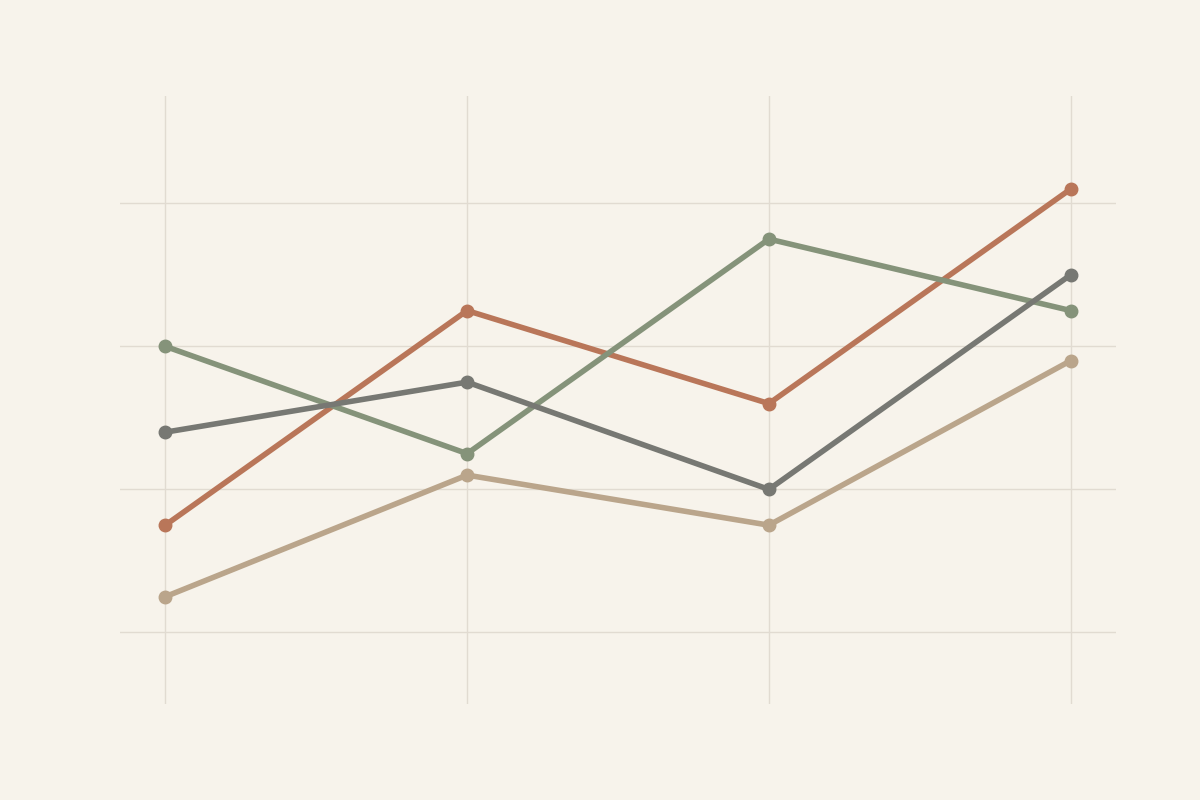
The clearest lesson in the data is how much the percentages move. Here is the national average cost recouped for four projects across four annual editions, from the 2022, 2023, 2024 and 2025 reports:
| Feature | 2022 | 2023 | 2024 | 2025 |
|---|---|---|---|---|
| Garage door replacement | 93% | 103% | 194% | 268% |
| Minor kitchen remodel, midrange | 71% | 86% | 96% | 113% |
| Fiber-cement siding replacement | 68% | 89% | 88% | 114% |
| Wood deck addition | 65% | 50% | 83% | 95% |
Sources: the report's 2022, 2023, 2024 and 2025 national averages. Values above 100 percent mean the estimated resale value exceeded the job cost. The size of the swings, a garage door going from 93 percent to 268 percent in three years, tells you the method is sensitive to changing market conditions. It is a reason to be careful with any single year's figure.
Bigger projects tend to recoup a smaller share
The 2025 national averages for larger projects show a different pattern. These figures come from the national comparison columns on the report's regional pages, such as the East South Central region page:
| Feature | Job cost | Resale value | Cost recouped |
|---|---|---|---|
| Major kitchen remodel, midrange | $82,793 | $42,130 | 50.9% |
| Bath remodel, upscale | $81,612 | $34,000 | 41.7% |
| Accessory dwelling unit | $166,406 | $68,656 | 41.3% |
| Major kitchen remodel, upscale | $164,104 | $58,561 | 35.7% |
| Primary suite addition, midrange | $170,517 | $55,097 | 32.3% |
Compare that with the 2025 minor kitchen remodel at $28,458 in job cost. In this data, restrained, targeted projects recoup a larger share than large upscale ones, and adding square footage recoups less than refreshing what is there. That is a pattern in one report, not a law of real estate.
Your region can change the answer
The regional pages show large differences. In the 2025 report, a composite deck addition recouped an estimated 88.5 percent nationally but only 46.4 percent in the East South Central region, where the estimated job cost was similar but the resale value was less than half the national figure. If your market is not in the report or behaves differently, ask a local real estate agent what buyers in your neighborhood pay for.
A note on how job costs are estimated
The report's job cost figures come from Remodeling magazine's own methodology, built from data supplied by contractors and industry professionals for a defined project specification, such as a specific size and finish level for each project type. Your own contractor's quote for a similarly named project can differ substantially, because your house, your region and your chosen materials are not the same as the report's model project. Use the report to compare projects against each other, and use your own written estimates, following our guide to hiring a remodeling contractor, for an actual budget.
A quick way to use the numbers
Suppose you are considering a $30,000 project. This is a hypothetical, using recouped shares as illustrations. If it recoups 50 percent, you get about $15,000 back and your net cost is $15,000. If it recoups 90 percent, you get about $27,000 back and the net cost is $3,000. The gap between those outcomes, $12,000, is larger than most people expect when they read one headline percentage. Use our ROI calculator to test your own numbers, and the home renovation cost calculator to build a full budget with fees and a contingency.
- Are you renovating to sell soon, or to live in it for years? The longer you stay, the less resale percentages matter.
- Does the project fix something buyers would object to, such as a failing roof, or add a luxury? Repairs and upkeep tend to protect value more than upgrades create it, though this report does not prove that.
- What do comparable homes near you have? Overbuilding for a neighborhood is a common way to recoup less.
Your takeaway: use the report to rank projects, not to predict a dollar return. Pick the two or three projects you are considering, note how each performed across several years and in your region, and then decide how much of the value you personally will use.
Frequently asked questions
Are recouped percentages guaranteed?
No. They are estimates that change from year to year and by region, as the year-by-year table shows.
Why can a project recoup more than 100 percent?
In the report, that means the estimated resale value added was higher than the average job cost. It reflects market conditions in that year and is not a typical outcome for every home.
Sources
- 2025 Cost vs. Value Report, national averages, Remodeling magazine, via JLC Online. Checked September 24, 2026
- 2025 Cost vs. Value Report, East South Central region, Remodeling magazine, via JLC Online. Checked September 24, 2026
- 2024 Cost vs. Value Report, Remodeling magazine, via JLC Online. Checked September 24, 2026
- 2023 Cost vs. Value Report, Remodeling magazine, via JLC Online. Checked September 24, 2026
- 2022 Cost vs. Value Report, Remodeling magazine, via JLC Online. Checked September 24, 2026
- Top 10 home projects nationally in terms of costs recouped at resale, National Association of Realtors. Checked September 24, 2026
Share this article
Get new guides by email
Practical home articles and free resources. No spam, and you can unsubscribe at any time.
Keep reading
Budget Kitchen Remodel Ideas: High-ROI Upgrades That Make a Noticeable Difference
Explore budget kitchen remodel ideas that improve appearance, function and resale appeal. Learn where to spend, where to save and which upgrades to skip.
November 2026, 12 min read

Best Living Room Paint Colors for Resale Value
Discover the best living room paint colors for resale value, including pale blue, sage green, warm white, greige and charcoal. Learn how to choose buyer-friendly shades.
November 2026, 13 min read
Easy DIY Home Projects With the Highest Return
Explore practical DIY home projects with strong everyday value, from fresh paint and curb appeal to lighting, weatherstripping, storage, and outdoor improvements.
November 2026, 8 min read