The True Cost of Homeownership Beyond the Mortgage
A mortgage payment is only one line in what a home actually costs each month. Here are the recurring costs that catch first-time buyers off guard, and how they fit together in a realistic budget.
By Home Crane Editors. . 3 min read.

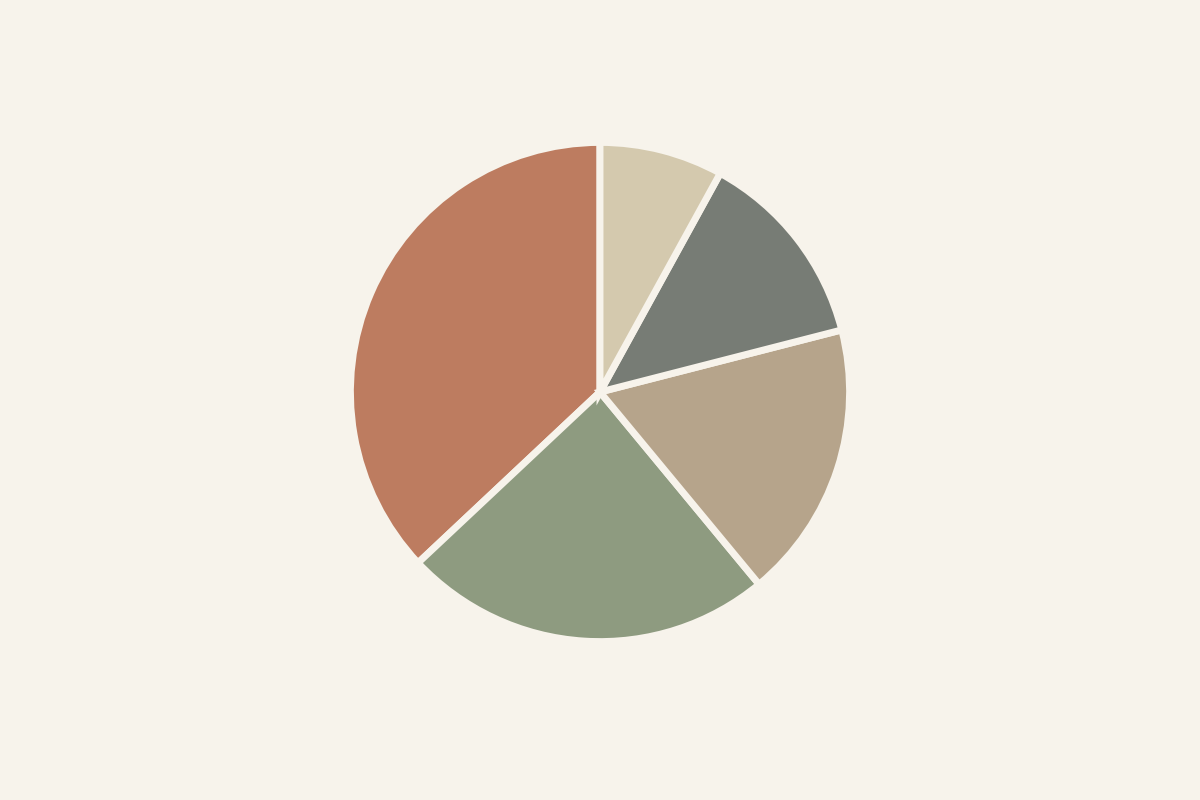
Conceptual illustration of totaling homeownership costs beyond the mortgage.
A mortgage payment is often the number people focus on when budgeting for a home, but it is only one line in a longer list of recurring costs. Property taxes, homeowners insurance, utilities and maintenance all continue whether or not the mortgage is paid off, and several of them tend to rise over time rather than staying fixed like a mortgage payment on a fixed-rate loan. Understanding the full picture matters most before you buy, but it stays relevant for as long as you own the home.
The recurring cost categories
| Feature | What it covers | How it typically changes over time |
|---|---|---|
| Property taxes | Local government levy based on assessed value | Generally rises as assessed value or local rates increase |
| Homeowners insurance | Protection against covered damage and liability | Can rise with rebuilding costs, claims history and regional risk |
| Utilities | Electricity, gas, water, sewer, trash | Varies with usage, rates and season |
| Maintenance and repairs | Upkeep of the structure and systems | Tends to rise as the home ages, per Census-based research |
| HOA dues, if applicable | Shared community costs and amenities | Set by the association, can increase with community needs |
Two categories that surprise first-time buyers most
Property taxes and maintenance tend to be the two categories that first-time buyers underestimate most. Our guide to appealing a property tax assessment covers how the assessed-value side of that bill works and what you can do if you believe it is wrong, since taxes are not a fixed cost you simply accept without recourse. Our guide to budgeting for home maintenance covers several rules of thumb and a component-by-component method for estimating what a specific home's upkeep is likely to cost, which research based on Census Bureau survey data shows tends to rise as a home ages.
Utilities scale with the home, not just the household
A larger home, an older, less efficient home, or a home in a climate with substantial heating or cooling demand will generally cost more to run than a similar-sized, newer or more efficient home in a milder climate, independent of how many people live there. Our home energy audit guide covers how to identify where a specific home loses energy, which is directly relevant to this cost category since sealing common air leaks is one of the more accessible ways to reduce ongoing utility costs without a major renovation.
Insurance is not a fixed, one-time decision
Homeowners insurance premiums are not locked in at purchase. They can change at renewal based on the insurer's own risk assessment, regional claims trends, the cost to rebuild similar homes, and your own claims history. Budgeting for a homeownership cost that might increase from year to year, rather than assuming it will stay flat like an early fixed-rate mortgage payment, is a more realistic approach to long-term planning.
- Build a monthly budget that includes taxes and insurance divided by twelve, even if you pay them annually or through an escrow account, so the true monthly cost is visible rather than hidden in an occasional large bill.
- Set aside a separate maintenance reserve, following the guidance in our home maintenance budgeting article, rather than assuming maintenance will always fit within whatever is left over.
- Revisit your utility costs seasonally, since heating and cooling costs can shift the picture significantly compared with a mild-weather month.
- Review insurance coverage and shop for quotes periodically rather than assuming your current policy remains the best value indefinitely.
HOA dues deserve a closer look before you buy
Where an HOA exists, its dues are not always a fixed, predictable number either. Ask for the association's recent budget and reserve study if one is available, since a poorly funded reserve can lead to a large, unexpected special assessment on top of regular dues if a major shared expense arises, such as roof or exterior work on a condominium building. This is a homeownership cost that is easy to overlook because it is bundled into a single monthly figure that feels similar to a subscription, when it can carry the same kind of large, lumpy risk as an uninsured maintenance surprise.
Putting a full number together
Because every category above is specific to a home's location, age, size and condition, there is no single reliable national total for homeownership costs beyond the mortgage. Our home affordability calculator lets you build your own estimate by entering property tax, insurance, HOA, utility and maintenance figures specific to a home you are evaluating, which gives a far more useful answer than any national average could.
Your takeaway: before committing to a home, or if you already own one and want a clearer budget, list each of the five recurring cost categories above with your own numbers rather than relying on the mortgage payment alone as a stand-in for what the home actually costs each month.
Frequently asked questions
Do property taxes and insurance always increase over time?
Not on a fixed schedule, but both commonly rise over the years due to rising assessed values, local tax rate changes, rebuilding cost increases and other factors specific to your area and insurer. Neither is guaranteed to stay flat the way a fixed-rate mortgage principal and interest payment does.
Is there a reliable national average for total homeownership costs?
Not a single reliable figure, since taxes, insurance, utilities and maintenance all vary significantly by location, home age, size and condition. A budget built from your own home's actual numbers is more useful than any national average.
Share this article
Get new guides by email
Practical home articles and free resources. No spam, and you can unsubscribe at any time.
Keep reading

10 Essential DIY Home Tool Kit Items for Beginners
Explore essential DIY home tool kit items for beginners with practical US-focused advice, planning checks, and clear steps for a more comfortable, well-maintained home.
November 2026, 8 min read
7 Point Deep Cleaning Appliance Checklist for Homeowners
Explore deep cleaning appliance checklist for homeowners with practical US-focused advice, planning checks, and clear steps for a more comfortable, well-maintained home.
November 2026, 8 min read
12 Steps How To Winterize An Old House Cheap DIY
Explore winterize an old house cheap DIY with practical US-focused advice, planning checks, and clear steps for a more comfortable, well-maintained home.
November 2026, 9 min read